Tripjyada CMS Staging

Category: Dharmendra Blog Posts

  • Why Northeast India Still Feels Untouched Compared to Himachal & Kashmir

    Why Travelers Are Now Looking Beyond Himachal & Kashmir

    For years, destinations like Himachal Pradesh and Kashmir have dominated Indian travel bucket lists. From crowded cafes in Manali to packed tourist spots in Gulmarg, these places continue to attract massive numbers of travelers every season.

    But in 2026, a different side of India is quietly capturing the hearts of travelers – Untouched destinations of Northeast India are now becoming the top choice for travelers who want peace, nature, and authenticity away from crowded tourist spots like Himachal and Kashmir.

    Unlike many mainstream hill destinations, Northeast India still feels raw, peaceful, and deeply connected to nature. The roads are quieter, the mountains feel more personal, and the experiences are far more authentic. Instead of crowded viewpoints and traffic jams, you find hidden waterfalls, mist-covered valleys, local cultures, and landscapes that still feel untouched.

    That is exactly why travelers searching for unexplored places in India are now choosing the Northeast over crowded tourist circuits.

    What Makes Northeast India Feel So Untouched?

    The biggest difference is simple — mass tourism has still not completely taken over Northeast India.

    While places like Shimla, Manali, and Srinagar often feel commercialized during peak seasons, destinations in the Northeast continue to preserve their natural beauty and cultural identity.

    In Northeast India, you still experience:

    • Quiet mountain roads without endless traffic
    • Clean air and peaceful surroundings
    • Authentic local food and traditions
    • Less crowded sightseeing spots
    • Hidden villages and unexplored landscapes
    • Genuine hospitality from locals

    The region offers something modern travelers are desperately searching for — peace.

    Sikkim – Where Mountains Still Feel Pure

    Sikkim is one of the most beautiful untouched destinations of Northeast India, offering clean landscapes, monasteries, and peaceful mountain experiences.

    Whether it’s the peaceful monasteries of Ravangla, the lively streets of Gangtok, the snowy beauty of North Sikkim, or the calm landscapes of Pelling, Sikkim gives travelers a perfect blend of adventure, culture, and relaxation.

    Unlike overcrowded hill stations, Sikkim still feels organized, clean, and naturally beautiful.

    June is one of the best times to experience:

    • Cloud-covered valleys
    • Green mountain landscapes
    • Fresh waterfalls
    • Pleasant weather
    • Peaceful road trips

    At Tripjyada, we offer customized Sikkim tour packages designed for families, couples, groups, and corporate travelers.

    Darjeeling – More Than Just a Hill Station

    Darjeeling is often compared with other popular hill destinations, but the charm here feels completely different.

    The slow mornings, tea gardens, toy train rides, Kanchenjunga views, and old colonial atmosphere create an emotional connection that many destinations fail to offer today. Even during busy seasons, Darjeeling still carries a timeless mountain vibe that travelers fall in love with again and again.

    From romantic trips to family vacations, Darjeeling remains one of the most loved mountain destinations in Eastern India.

    Bhutan – The Himalayan Escape Everyone Needs

    If you want mountains without chaos, Bhutan is the perfect answer.

    Bhutan focuses on happiness, sustainability, and peaceful tourism. That’s why travelers returning from Bhutan often describe the experience as calming and life-changing.

    From the monasteries of Paro to the valleys of Punakha and Thimphu, Bhutan offers:

    • Peaceful landscapes
    • Beautiful Himalayan roads
    • Rich Buddhist culture
    • Clean and organized cities
    • Less commercial tourism

    June is also a fantastic season for Bhutan road trips and group tours because the valleys become greener and the weather remains pleasant.

    Tripjyada offers Bhutan group tours and customized Bhutan packages from Bagdogra, Siliguri, and nearby regions.

    Meghalaya – India’s Hidden Paradise

    Meghalaya feels like a destination straight out of a dream. It remains one of the most unique untouched destinations of Northeast India with waterfalls, caves, and living root bridges.

    Unlike mainstream tourist states, Meghalaya still feels fresh and unexplored. Even simple road journeys become unforgettable experiences here.

    Places like:

    • Shillong
    • Cherrapunji
    • Dawki
    • Mawlynnong

    continue to attract travelers looking for nature, peace, and adventure together.

    Arunachal Pradesh – The Last Frontier of Indian Tourism

    If there is one destination that truly defines unexplored India, it is Arunachal Pradesh.

    Massive mountains, remote monasteries, beautiful valleys, and untouched roads make Arunachal feel completely different from mainstream tourism destinations. Tawang especially has become a dream destination for mountain lovers, but the region still remains far less crowded compared to popular northern states.

    For travelers who genuinely want to disconnect from city life, Arunachal offers one of the purest travel experiences in India.

    Why June Is the Best Time to Book Northeast India Tours

    June officially begins one of the busiest travel seasons for Northeast India tourism.

    As schools close and summer vacations continue, demand for:

    • Sikkim tour packages
    • Darjeeling trips
    • Bhutan group tours
    • Meghalaya road trips
    • Arunachal Pradesh tours

    starts increasing rapidly.

    Hotel availability becomes limited, flight prices rise, and premium stays get booked early.

    That’s why early booking is always recommended.

    Booking your trip in advance helps you:

    • Get better hotel choices
    • Secure lower package prices
    • Avoid last-minute availability issues
    • Plan smoother itineraries
    • Enjoy better travel experiences

    Explore Northeast India with Tripjyada

    At Tripjyada, we specialize in curated Northeast India experiences with local expertise, comfortable stays, trusted transportation, and personalized itineraries.

    Whether you are planning:

    • A romantic Sikkim getaway
    • A peaceful Bhutan trip
    • A Meghalaya adventure
    • A Darjeeling family vacation
    • An Arunachal Pradesh road trip

    Our team helps you experience the Northeast as comfortably and authentically as possible.

    Because some places are not just meant to be visited.

    They are meant to be felt.

    Book your Northeast journey early this June with Tripjyada and discover the side of India that still feels untouched.
  • June Won’t Wait: Why This Is the Most Important Month for Sikkim, Darjeeling & Bhutan Travel

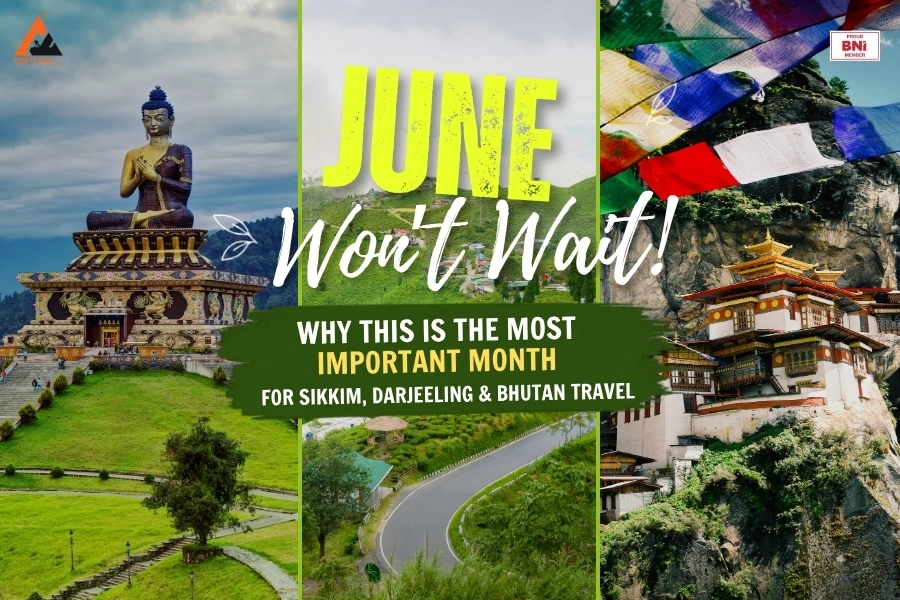
    The best time to visit Sikkim is one of the most searched travel queries every summer, and the answer becomes clear: it’s in June. Along with Darjeeling and Bhutan, June transforms the Eastern Himalayas into a paradise of green valleys, cool weather, cloud-covered roads, and breathtaking mountain views.

    Every year, thousands of travelers wait for the perfect time to visit the Himalayas. Some plan for snowfall, some for autumn skies – but experienced travelers know that June holds a special magic of its own. Before the heavy monsoon arrives and while the mountains are still fresh from spring, June transforms destinations like Sikkim, Darjeeling, and Bhutan into a paradise of green valleys, cool weather, cloud-covered roads, and breathtaking mountain views.

    And that’s exactly why June is considered one of the busiest and most important travel months in the Eastern Himalayas. But here’s the thing most travelers realize too late – June doesn’t stay forever. In fact, this beautiful Himalayan window comes only once a year.

    By the time people finally decide to travel, hotels are already sold out, premium rooms become expensive, and the best travel dates disappear quickly. That is why experienced travelers start planning their June vacations much earlier.

    Why June Is the Sweet Spot for Himalayan Travel

    There’s something magical about the mountains in June. The weather feels perfect after the harsh winter months, yet the heavy monsoon showers haven’t fully arrived. It creates the ideal balance for sightseeing, road trips, photography, family vacations, and peaceful mountain stays.

    In June, destinations like Gangtok, Pelling, Lachung, Paro, Thimphu, and Darjeeling look incredibly fresh and vibrant. Tea gardens become greener, mountain views become clearer, waterfalls grow stronger, and cool breezes replace the unbearable city heat.

    Whether you’re planning a honeymoon, a family trip, a group tour, or simply an escape from daily life, June offers the kind of mountain experience travelers wait all year for.

    Sikkim in June Feels Like a Different World

    June is considered the best time to visit Sikkim for travelers looking for mountain views, cool weather, and scenic road trips. Traveling through Gangtok in June feels refreshing in every sense. The roads are surrounded by clouds, colorful prayer flags dance with the wind, and every viewpoint feels cinematic.

    Places like:

    • Tsomgo Lake
    • Lachung
    • Yumthang Valley
    • Pelling
    • Zuluk

    become some of the most beautiful destinations in Northeast India during this season.

    June is also considered one of the best times for travelers who want:

    • Pleasant weather
    • Mountain photography
    • Family-friendly vacations
    • Scenic road trips
    • Cloud-covered valleys
    • Peaceful stays away from city crowds

    From honeymoon trips to family holidays, June sees a huge rise in travelers booking their preferred Sikkim tour package before hotels and transport sell out.

    Darjeeling Looks Its Best Before Peak Monsoon

    There’s a reason travelers never stop falling in love with Darjeeling. June brings cool weather, floating clouds, fresh tea garden views, and stunning sunrise experiences from places like:

    • Tiger Hill
    • Batasia Loop
    • Ghoom Monastery

    The famous toy train rides feel more beautiful during this season, and the overall atmosphere becomes perfect for couples, families, and content creators.

    Another important reason why June matters so much is visibility. Before heavy monsoon clouds dominate the region, travelers often get clearer mountain views, including glimpses of the majestic Kanchenjunga range. As summer vacations begin, travelers actively search for the perfect Darjeeling tour package to enjoy toy train rides, tea gardens, and peaceful mountain stays.

    Bhutan in June Is Peaceful, Green & Refreshing

    While most Indian cities struggle with extreme heat, Bhutan offers cool weather, peaceful monasteries, green valleys, and calm surroundings that instantly slow life down.

    Destinations like:

    • Paro
    • Thimphu
    • Dochula Pass
    • Punakha

    look stunning during June.

    For many travelers, Bhutan in June becomes more than just a trip. It becomes a complete mental reset. With cool temperatures and peaceful mountain landscapes, June becomes one of the best seasons to book a Bhutan tour package for family vacations, group tours, and honeymoon trips.

    Why Travelers Should Book Early for June

    One mistake many travelers make is assuming mountain trips can be planned at the last moment.

    But June is different.

    Because it falls during:

    • Summer vacations
    • School holidays
    • Peak family travel season
    • Corporate travel breaks
    • Honeymoon season

    Hotel rooms and transport availability are reducing very quickly.

    In destinations like Sikkim and Darjeeling, premium hotels often become fully booked weeks before departure dates. Shared vehicles, permits, and preferred sightseeing slots also become difficult to manage later.

    As demand rises, prices rise too.

    That’s why early June booking is not just smart –  it actually saves money and gives travelers better hotel choices.

    June Comes Once. The Mountains Change Fast.

    The beauty of Himalayan travel is that every season feels different.

    But June holds a special place because it sits perfectly between spring freshness and peak monsoon rainfall. The landscapes look alive, the weather remains enjoyable, and the roads feel adventurous without becoming too risky.

    Miss June, and you may have to wait another entire year for the same mountain feeling again.

    Conclusion

    The mountains never really go out of style. But some months make them feel unforgettable, and June is one of those months. Whether it’s the cool breeze of Darjeeling mornings, the winding roads of Sikkim, or the peaceful valleys of Bhutan, June creates memories that feel different from ordinary vacations.

    If the mountains have been on your mind lately, maybe this is your sign. So whether you are planning a family vacation, a honeymoon, a group tour, or simply a break from routine life, June is the month that should not be delayed, as June won’t wait.

    Before booking a Himalayan vacation, many travelers also refer to official tourism portals like Sikkim Tourism and Bhutan Travel for destination updates and seasonal travel information.

    If you are searching for the best time to visit Sikkim, Darjeeling, and Bhutan, June remains one of the most recommended travel months. Explore customized Sikkim, Darjeeling & Bhutan tour packages with Tripjyada and secure your preferred travel dates before the season gets fully booked.

  • Why Bhutan Feels So Peaceful Compared to Other Tourist Destinations

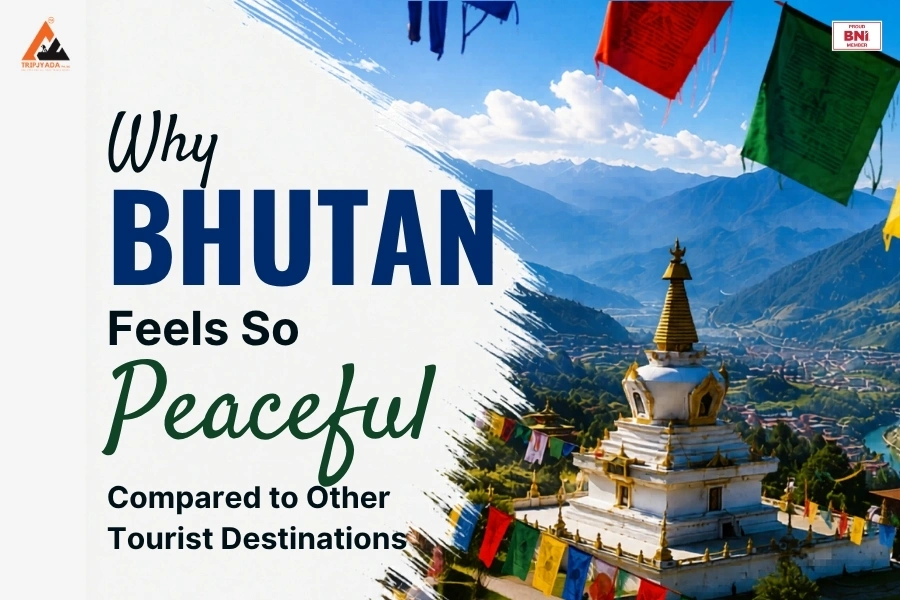
    Why Bhutan feels so peaceful is something many travellers only truly understand after visiting the country themselves. In today’s fast-moving world, most people travel to escape stress, and strangely, many people return from vacations feeling even more tired than before. But Bhutan feels different almost immediately. The roads are quieter, mornings feel slower, and somehow your mind stops rushing all the time. Even during long road journeys, travellers often notice something unusual, there’s very little chaos. No aggressive honking, no loud traffic noise, no pressure to constantly rush. Travellers often describe Bhutan as:

    • emotionally calming
    • mentally refreshing
    • spiritually peaceful
    • naturally healing

    Unlike many commercial tourist destinations, Bhutan offers something rare today – silence, balance, and simplicity. And that is exactly why more travellers now consider Bhutan one of the best peaceful countries to visit.

    Why Bhutan feels so Peaceful: Happiness Over Commercial Tourism

    One of the biggest reasons why Bhutan feels so peaceful is because the country follows a philosophy called Gross National Happiness (GNH).

    Instead of focusing only on economic growth, Bhutan believes development should also include:

    • mental well-being
    • environmental conservation
    • cultural protection
    • sustainable living
    • community happiness

    This philosophy directly affects tourism and daily life. You can actually feel this difference while traveling through Bhutan. Tourist places feel calmer, local markets feel less chaotic, and even simple interactions with people feel more genuine. 

    What Travellers Notice in Bhutan:

    • Less overcrowding
    • Cleaner public spaces
    • Limited commercialization
    • Minimal pollution
    • Slower lifestyle
    • Respect for nature and culture

    Unlike many destinations where tourism feels heavily business-focused, Bhutan still feels genuine and emotionally balanced.

    Even local people appear calmer and less rushed compared to many busy tourist cities around the world. Many travelers notice that people in Bhutan don’t seem constantly stressed or hurried the way modern city life often feels.  That peaceful social environment naturally impacts travelers too.

    Why Bhutan’s Natural Environment Feels So Peaceful

    Bhutan’s landscapes are not just beautiful – they feel calming. Sometimes during mountain drives, all you can hear is river water, mountain wind, and prayer flags fluttering softly beside the roads. Road journeys through:

    • Paro
    • Punakha
    • Thimphu
    • Phobjikha Valley

    Offer peaceful surroundings filled with:

    • green mountains
    • fresh air
    • rivers
    • pine forests
    • prayer flags
    • quiet villages

    Unlike many hill destinations that become noisy and overcrowded during peak season, Bhutan still feels preserved. Travellers planning a Bhutan itinerary can also explore our detailed Bhutan tour packages.

    Why Nature Feels Different in Bhutan:

    • Less traffic on mountain roads
    • Minimal honking culture
    • Cleaner environment
    • Controlled urban development
    • More greenery and open landscapes

    This slower and quieter atmosphere naturally reduces stress and mental fatigue. Sometimes the most memorable part of Bhutan isn’t sightseeing at all, it’s simply sitting quietly beside a river or watching clouds move slowly through the mountains.

    Why Slow Travel in Bhutan Feels Different

    Slow travel is another reason why Bhutan feels so emotionally different from most destinations. Modern tourism often feels rushed. Many travellers try to cover:

    • Multiple cities in one trip
    • too many sightseeing points
    • packed daily itineraries

    But Bhutan is not a destination meant for rushing, and maybe that’s why people feel mentally lighter here. Bhutan doesn’t constantly push travellers to ‘do more’. It quietly teaches them to slow down.” In fact, Bhutan feels best when experienced slowly.

    Simple Experiences That Become Special in Bhutan:

    • Watching clouds move across mountains
    • Drinking tea with mountain views
    • Walking through peaceful villages
    • Listening to monastery bells
    • Enjoying quiet sunrise mornings
    • Sitting silently near rivers

    In most destinations, travellers come back with hundreds of photos. In Bhutan, people often come back remembering feelings instead, and surprisingly, these simple moments become the most memorable part of the Bhutan travel experience. Bhutan teaches travellers to slow down mentally, something most people rarely experience in modern life.

    Why Bhutan’s Spiritual Atmosphere Feels So Peaceful

    Bhutan’s peacefulness is deeply connected with Buddhism and spirituality. But what makes Bhutan special is that spirituality here is not only for tourists, it is part of everyday life.

    You’ll find:

    • prayer wheels beside roads
    • monks in local towns
    • peaceful monasteries in mountains
    • prayer flags across valleys
    • meditation culture integrated into daily living

    Places like:

    • Tiger’s Nest Monastery
    • Punakha Dzong
    • Buddha Dordenma

    Don’t just offer scenic beauty. They create emotional silence. Many travellers say the peacefulness in Bhutan feels difficult to explain in words. Maybe it’s the monastery chants, the mountain air, or simply the silence people are no longer used to hearing.

    Why Travellers Feel Spiritually Calm in Bhutan:

    • Less noise and distraction
    • Peaceful monastery surroundings
    • Slow-paced local lifestyle
    • Deep connection with nature
    • Calm spiritual energy

    Even travellers who are not religious often say Bhutan feels emotionally healing.

    Bhutan Protects Its Culture & Traditions

    One major reason why Bhutan feels authentic is that the country has successfully preserved its culture. Unlike many destinations where modernization has replaced local identity, Bhutan still strongly protects:

    • traditional architecture
    • cultural festivals
    • local dress
    • monastery traditions
    • village lifestyle

    What Travelers Commonly Notice:

    • Even modern buildings in Bhutan often follow traditional Bhutanese architecture, which makes the country feel culturally connected instead of overly modernized.
    • Locals proudly wearing national dress and unlike many places where traditions survive only for tourists, Bhutanese culture still feels naturally woven into daily life.” 
    • Strong respect for traditions
    • Cultural balance between modern life and heritage

    Because of this, Bhutan feels culturally rich instead of overly commercialized, and that authenticity creates a deeper emotional connection for travelers.

    Why Controlled Tourism Makes Bhutan More Peaceful

    Many famous destinations today suffer from over-tourism. Problems like:

    • traffic congestion
    • crowded sightseeing points
    • pollution
    • long waiting lines
    • noisy environments

    Often make vacations stressful. Bhutan avoids this by carefully managing tourism, that’s why many travelers feel relaxed here instead of mentally exhausted after sightseeing.

    Benefits of Controlled Tourism in Bhutan:

    • Cleaner tourist spots
    • Peaceful monasteries where you can actually sit quietly and experience places instead of constantly fighting crowds for photos.
    • Better travel experiences
    • Less environmental damage
    • More authentic local interactions

    Travelers can actually enjoy the destination without constantly feeling mentally exhausted. That’s one reason Bhutan stands out among peaceful travel destinations.

    Bhutan Helps Travelers Disconnect From Digital Overload

    Modern life constantly keeps people mentally active. Phones, social media, work emails, and notifications rarely stop. But Bhutan naturally slows this down. Many travelers unconsciously start using their phones less here. Not because they’re forced to, but because the surroundings naturally pull their attention away from screens.” Sometimes your hotel balcony overlooks the following:

    • mountains
    • clouds
    • forests
    • rivers

    Why This Feels Mentally Refreshing:

    • Less overstimulation
    • Quieter surroundings
    • Better sleep quality
    • Slower daily rhythm
    • More mindful travel experiences

    Many travelers realize they spend less time on their phones and more time simply observing nature, and that mental break becomes emotionally healing.

    Common Mistakes Travelers Make in Bhutan

    1. Rushing the Itinerary: Trying to cover too many destinations quickly can make the trip tiring. Bhutan road journeys are beautiful, but mountain travel can still feel physically exhausting if the itinerary becomes too packed.

    Better Tip: Spend more time in fewer places and enjoy the journey slowly.

    2. Overplanning Every Hour: Some of Bhutan’s best experiences are unexpected:

    • peaceful sunsets
    • mountain rain
    • local conversations
    • silent monastery moments

    Leave room for spontaneous experiences. Sometimes the best Bhutan memories come from unplanned moments – roadside tea stops, mountain rain, or simply watching the sunset quietly. 

    3. Ignoring Mountain Fatigue: Long mountain drives and altitude changes can feel tiring. Helpful advice:

    • stay hydrated
    • sleep properly
    • Avoid overexertion initially
    • Keep relaxed travel schedules

    Local Insider Tips for a Better Bhutan Experience

    As a Northeast-based travel company, we genuinely recommend travelers to experience Bhutan slowly rather than treating it like a checklist destination. One thing we’ve genuinely noticed is that travelers enjoy Bhutan the most when they stop trying to ‘cover everything’ and simply experience the place slowly.

    Practical Tips:

    • Choose scenic stays over crowded market areas
    • Wake up early for peaceful mountain mornings
    • Keep buffer days in your itinerary
    • Respect monastery silence and local culture
    • Spend more time outdoors than indoors
    • Avoid excessive hotel hopping

    The slower your travel pace, the more peaceful Bhutan feels.

    Best Time to Visit Bhutan for Peaceful Travel

    Bhutan offers a different travel experience in every season. Here’s what you can expect:

    Spring: March to May

    Visit during spring for lush greenery, blooming flowers, pleasant weather, and comfortable sightseeing.

    Autumn: September to November

    Choose autumn for clear Himalayan views, beautiful photography, colourful festivals, and scenic road trips.

    Winter: December to February

    Winter is perfect for fewer crowds, peaceful surroundings, and a quieter, more relaxed travel experience.

    Not sure which month suits your travel plans? Read our detailed guide on the best season to visit Bhutan.

    Conclusion

    What makes Bhutan truly unforgettable is not only its mountains or monasteries but also the way Bhutan makes people feel.

    The silence feels deeper, you sleep earlier, wake up calmer, and spend less time scrolling your phone, and somewhere during the journey, your mind slowly becomes quieter too.

    In a world filled with noise, pressure, and constant rush, Bhutan reminds people what peace actually feels like, and maybe that’s why travelers don’t just visit Bhutan. Maybe that’s why people don’t just remember Bhutan for its mountains or monasteries. They remember how peaceful they felt there.

  • Last Call for Yumthang Bloom: Secure North Sikkim Tour in Summer 2026

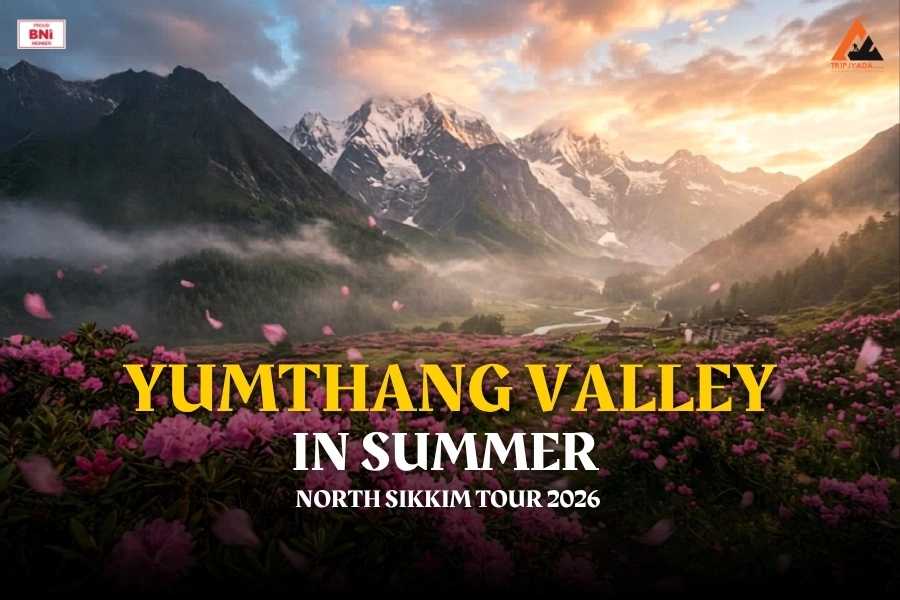
    They say the mountains don’t wait for anyone, but in your North Sikkim tour, the flowers are more impatient. As summer 2026 approaches, the Shingba Rhododendron Sanctuary is preparing for its annual fleeting magic. If you’ve spent your life looking at desktop wallpaper of vivid “mountain meadows,” it’s time to realize that the Himalayan version is more raw, more vibrant, and rapidly filling up its picturesque spots. This isn’t just a North Sikkim tour; it’s a high-altitude fever dream that lasts only for a few weeks. Read the following to know why you should hurry up!

     Also check out… Discover the Enchanting Lakes of Sikkim

    Yumthang Valley: Beyond the Flower Show

    Yumthang Valley is often called the “Valley of Flowers,” but that’s a bit too polite for the sensory explosion Yumthang offers. It’s a valley at 11,800 ft where the Teesta River flows like a silver trail through the garland of primulas and rhododendrons. In summer 2026, the blooms are predicted to be even more intense due to late-winter snowmelt. But “peak bloom” is a narrow window. Wait too long, and you’re just looking at green grass.

    Zero Point: Where Adventure Begins

    If Yumthang is the heart of your North Sikkim tour, Zero Point is North Sikkim’s adventurous soul. Standing at 15,300 feet, Zero Point is the literal end of the road. Here, oxygen is thin, air is chilly, and snow remains a permanent resident even in summer. Sharing a border with China, Zero Point, aka Yumesangdong, is a perfect spot for a snow adventure in summer 2026, with phenomenal Eastern Himalayan views.

    Lachung: Heartbeat of the Himalayas

    The true charm of the North Sikkim tour lies in the porches of Lachung. For Lachungpas, hospitality isn’t a service; it’s a culture. In 2026, visitors are shifting to slow travel, spending time in nature, and sipping on Chaang, North Sikkim’s traditional millet beer. Only if you spend a day at Lachung will you understand that North Sikkim doesn’t offer luxury in the form of five stars; it offers luxury in the form of five billion star skies. 

    Why Summer 2026 is Your Final Window for the North Sikkim Tour

    The Yumthang rhododendron bloom is a fleeting rebellion; once monsoon winds arrive, these vibrant garlands vanish. The best homestays and hotels in Lachung are already seeing heavy bookings for May and June. Plus, the roads of high-altitude zones like Zero Point are unpredictable. That’s why securing your spot early for the North Sikkim tour guarantees your best stays, comfortable rides, and the best drivers who know these mountain curves like the back of their hand.

    Best North Sikkim tour packages by Tripjyada

    Navigating North Sikkim is confusing, as it’s a highly sensitive border zone. That’s why Tripjyada’s North Sikkim tour packages are a lifesaver. Check out our curated tour packages below.

    Package Includes Package Excludes
    Private cab with expert guide for transfer & sightseeing Entry fee, adventure activity, and personal expenses
    Best stay with breakfast & dinner Travel insurance & meals not mentioned
    Permits & driver charges Train/Airfare

    How to Reach North Sikkim

    Delhi to Sikkim:

    • Flight: New Delhi (DEL) to Bagdogra (IXB) takes only 3-4h.
    • Train: New Delhi to NJP, takes 20-24 hrs.

    •  

    Mumbai to Sikkim:

    • Flight: Mumbai (BOM) to Bagdogra (IXB), taking 2h 30mn to 3h.
    • Train: Mumbai to Siliguri/NJP, taking almost 1d 12hr.

    •  

    Bangalore to Sikkim:

    • Flight: Bangalore (BLR) to Bagdogra (IXB), taking about 3 hrs.
    • Train: Bangaluru CANT to NJP, almost a 1-day, 21-hour ride.

    •  

    Chennai to Sikkim:

    • Flight: Chennai (MAA) to Bagdogra (IXB), only about 3h.
    • Train: Perambur/Chennai CTL to NJP, takes 1d 12h to 1d 14h.

    •  

    Trains offer a budget-friendly journey to Sikkim. You can skip that day-long journey for a flight and take a smooth cab ride to Sikkim with Northeast Cab, because your safety is our priority.

    Pro Tip: Spend at least two nights in Gangtok before reaching higher altitudes to avoid sickness.

    Don’t Just Visit: Belong With Tripjyada

    Book the best North Sikkim tour packages from Tripjyada. At Tripjyada, we specialize in handling complex permits, confusing logistics, and secret spots that don’t show up on maps. We don’t sell seats; we curate memories that last until the next bloom. Visit Sikkim Darjeeling Tourism for a detailed Sikkim and Darjeeling circuit tour.

    Your summer 2026 North Sikkim tour awaits a single click. Connect ASAP with our Himalayan experts before monsoon clouds arrive!

    FAQ:

    1. What are the best places to visit in North Sikkim?

    Iconic spots like Yumthang Valley, Zero Point, Lachung, Guru Dongmar Lake, and Seven Sisters Falls are must-visits in North Sikkim.

    2. How many days are enough to visit North Sikkim?

    5 to 6 days is the standard duration to cover most of North Sikkim, but an extended 8-day trip to North Sikkim is perfect for a relaxed experience.

    3. Does North Sikkim need a permit?

    No permit is needed for Indians, but a PAP is mandatory for visiting border areas.

    4. Why is an expert tour operator essential for a North Sikkim tour?

    North Sikkim is a restricted zone. Only registered Sikkim tour operators like Tripjyada can legally manage permits and provide authorized cabs in high-altitude zones. 

    5. Who should visit North Sikkim?

    Whether you’re a solo traveler, a couple, an adventure lover, or into photography, North Sikkim is ideal for everyone.

    6. Packing essentials for a North Sikkim trip?

    Warm layers, verified ID, medicines, a small heat pack, and a first-aid kit are essential to carry in North Sikkim.