Tripjyada CMS Staging

Category: Blog

Your blog category

  • Discover the Magic of Bhutan: The Ultimate Guide to Group Tours

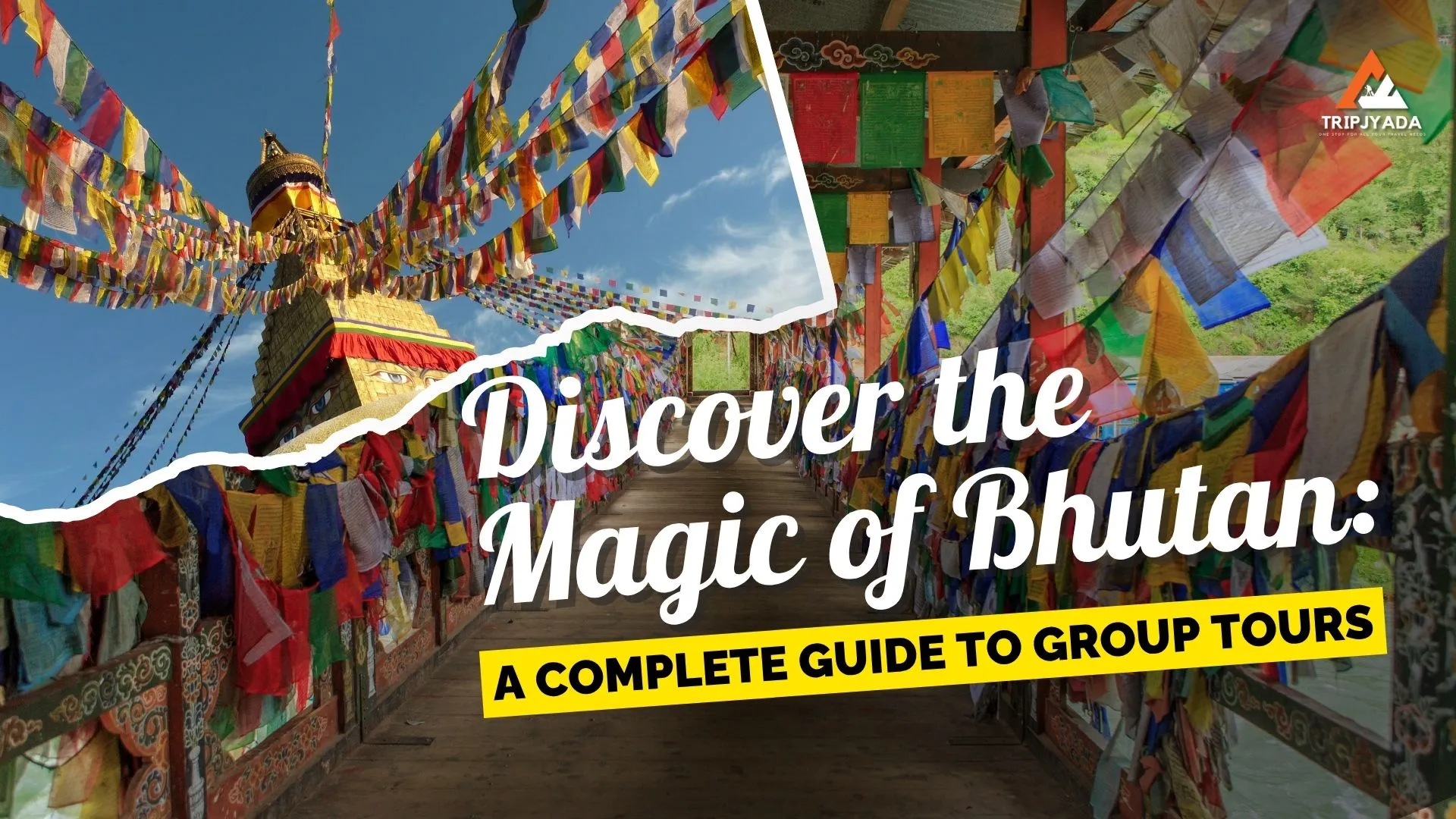
    Discover the Magic of Bhutan: The Ultimate Guide to Group Tours

    Discover the Magic of Bhutan: A Complete Guide to Group Tours

    Bhutan, the mysterious kingdom located in the Himalayas, is a dream destination for many travellers seeking peace and adventure. Known for its sustainable approach to development and rich Buddhist culture, Bhutan tourism offers a rare blend of spirituality, natural beauty and tradition. If you look at the Bhutan map, you’ll see how its valleys and peaks stretch from subtropical plains to the high Himalayan ranges, with each region offering a different experience. Depending on the weather in Bhutan, visitors can enjoy lush green landscapes in summer or snow-clad views in winter.

    This guide will take you through everything you need to know about Bhutan group tours, from must-visit destinations to cultural experiences, local cuisine, and practical travel tips.

    Why Choose a Group Tour for Your Bhutan Adventure?

    Travelling in a group has numerous advantages, especially in a destination like Bhutan:

    • Cost-effectiveness: Group tours provide a budget-friendly way to explore Bhutan, as they typically include shared transportation, comfortable accommodations, guided experiences, and meals. This bundled pricing reduces individual costs, making it a more economical option compared to solo travel, where expenses such as transportation and lodging can add up quickly.
    • Expert Guides: Bhutan’s rich history, deep-rooted Buddhist traditions, and unique cultural practices are best explored with the help of knowledgeable guides. These experts not only provide historical context and fascinating stories but also offer insights into local customs, religious symbolism, and hidden gems that travellers might otherwise overlook. With their guidance, visitors gain a more meaningful and immersive experience, connecting deeply with Bhutan’s heritage and way of life.
    • Structured Itineraries: : Group itineraries ensure you visit the best Bhutan tourist places, from monasteries and dzongs to nature trails, without worrying about logistics.
    • Social Experience: Travelling in a group allows you to meet like-minded adventurers, creating opportunities to form new friendships and share unforgettable moments. Whether it’s hiking to Tiger’s Nest together, enjoying Bhutanese cuisine, or experiencing vibrant festivals, the camaraderie of a group enriches the journey and makes the experience even more memorable.

    Must-Visit Destinations in Bhutan

    Bhutan’s diverse landscapes range from lush valleys and towering mountains to serene monasteries and historic fortresses. Each region offers a unique blend of natural beauty and cultural significance, making it essential to explore different Bhutan travel packages of multiple locations during your visit.

    1. Paro: The Gateway to Bhutan

    Discover the Magic of Bhutan

    Paro is where most travellers arrive, thanks to the country’s only international airport. Some must-visit sites include:

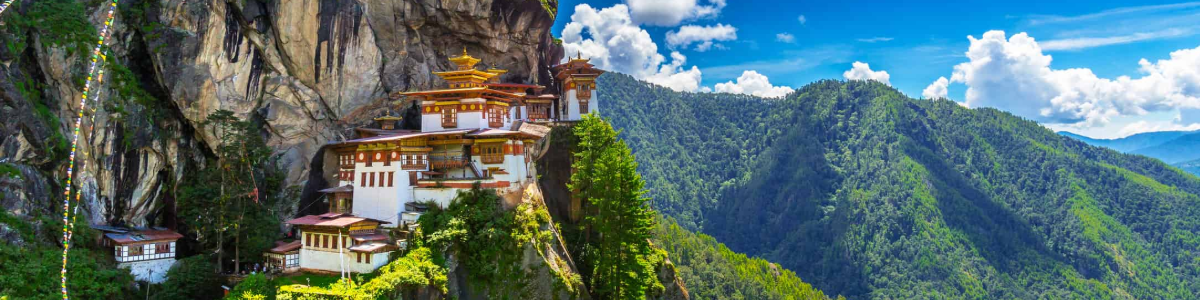
    • Tiger’s Nest Monastery (Taktsang): Perched on a cliff 3,120 meters above sea level, this monastery is Bhutan’s most iconic site.
    • Paro Dzong: A stunning fortress that serves as a monastic and administrative centre.
    • National Museum of Bhutan: A great place to understand the country’s history and culture.

    2. Thimphu: The Heart of Bhutan

    Discover the Magic of Bhutan1

    Thimphu, the capital city, blends tradition with modernity. Here’s what you shouldn’t miss:

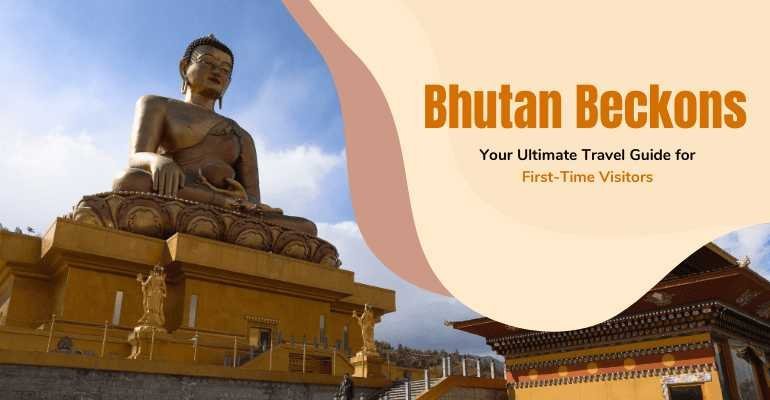
    • Buddha Dordenma: A massive golden Buddha statue offering panoramic views of the city.
    • Simply Bhutan Museum: A living museum showcasing traditional Bhutanese lifestyles.
    • Tashichho Dzong: The seat of the Bhutanese government and the King’s office.

    3. Punakha: The Ancient Capital

    Discover the Magic of Bhutan2

    A scenic drive from Thimphu brings you to Punakha, the former capital, famous for:

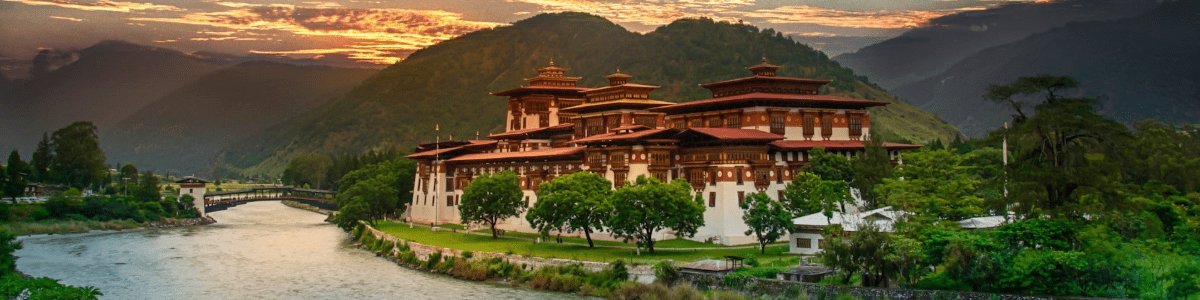
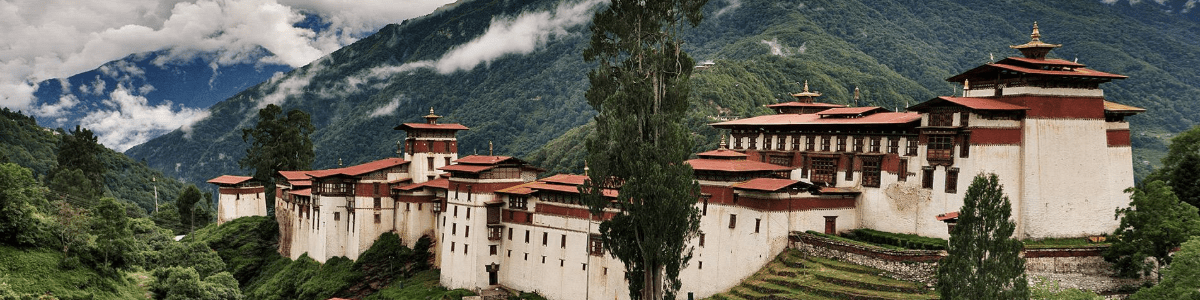
    • Punakha Dzong: A stunning fortress located at the confluence of the Pho and Mo Chhu rivers.
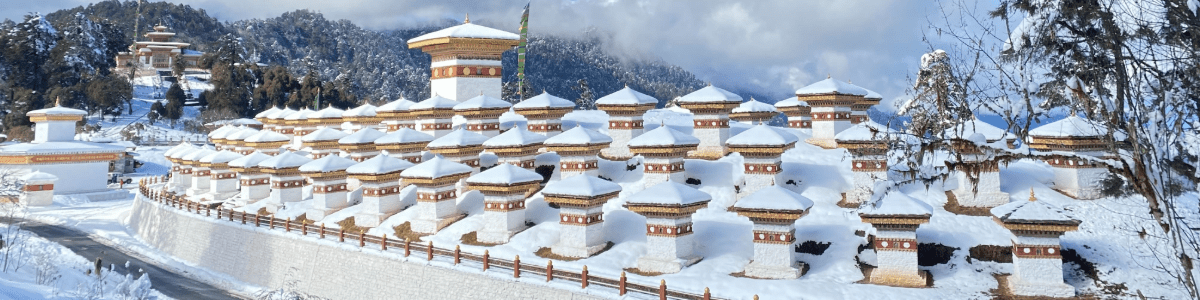
    • Dochula Pass: Offering breathtaking views of the Himalayas and adorned with 108 stupas.

    Bhutan’s Monasteries and Spiritual Significance

    Bhutan is home to some of the world’s most beautiful and spiritually significant monasteries, each offering a glimpse into the country’s deep-rooted Buddhist traditions and breathtaking landscapes. These monasteries serve as centres of meditation, cultural preservation, and religious devotion, making them essential stops on any Bhutanese journey. Here are a few that should be on your list:

    • Tiger’s Nest Monastery (Paro): One of Bhutan’s most iconic landmarks, this sacred monastery is dramatically perched on a cliff 3,120 meters above sea level. The journey to Tiger’s Nest is a rewarding hike through pine forests, offering breathtaking views of the Paro Valley. Along the way, prayer flags flutter in the wind, adding to the spiritual ambience. Once at the top, visitors can explore the monastery’s serene courtyards and meditation caves, gaining insight into Bhutan’s deep-rooted Buddhist traditions.
    • Discover the Magic of Bhutan3
    • Kharbandi Gompa (Phuentsholing): This beautiful monastery is nestled in lush gardens and offers panoramic views of the Phuentsholing valley and the plains of West Bengal, India. Founded by the Royal Grandmother, it serves as a peaceful retreat where visitors can soak in the tranquil ambience while admiring intricate Buddhist murals and statues. The monastery is a spiritual haven, providing insight into Bhutan’s deep-rooted religious traditions.
    • Discover the Magic of Bhutan5
    • National Memorial Chorten (Thimphu): A revered site and an important landmark in Bhutanese spiritual life, this stupa was built in memory of the Third King, Jigme Dorji Wangchuck. Locals visit daily to circumambulate the chorten, spinning prayer wheels and offering prayers for peace and prosperity. Its golden spires and whitewashed walls stand as a testament to Bhutan’s rich Buddhist heritage, making it a must-visit for travellers seeking cultural and spiritual insight.
    • Discover the Magic of Bhutan6

    Bhutanese Festivals: A Cultural Extravaganza

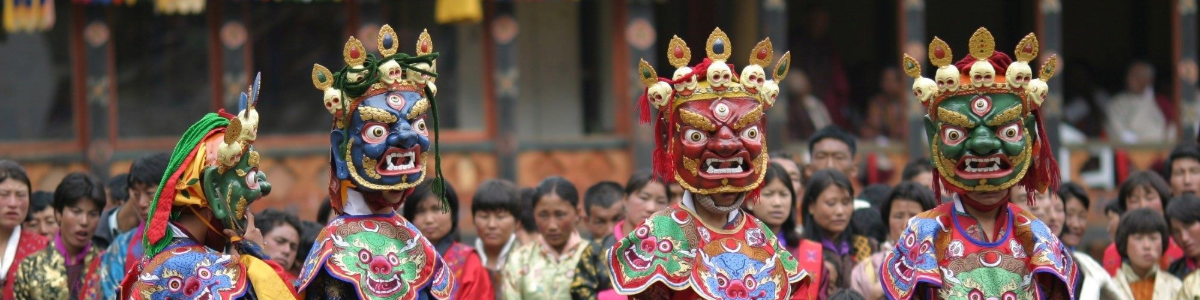
    Festivals in Bhutan are deeply rooted in the country’s Buddhist traditions and serve as vibrant expressions of faith, history, and community. These grand celebrations feature colourful masked dances, religious rituals, and social gatherings that bring locals and visitors together in a joyous atmosphere.

    Timing your visit to coincide with a festival will give you an unforgettable experience. Some of the most popular festivals include:

    • Paro Tsechu: Held in spring, this vibrant festival is one of Bhutan’s most significant cultural celebrations. It features mesmerizing masked dances performed by monks and laymen, reenacting historical and religious stories. The festival is also an opportunity for locals to gather in their finest traditional attire, fostering a sense of community and devotion. The highlight of Paro Tsechu is the unveiling of the sacred Thongdrel (a giant religious scroll), which is believed to bless all who lay eyes on it.
    • Discover the Magic of Bhutan
    • Thimphu Tsechu: As one of Bhutan’s grandest festivals, Thimphu Tsechu attracts thousands of locals and visitors who gather to witness vibrant mask dances, religious performances, and age-old rituals. Held in the capital city, this festival is a significant spiritual and social event, where Bhutanese people dress in their finest traditional attire to celebrate and seek blessings. The festival serves as a vital platform for preserving Bhutan’s unique cultural heritage, offering visitors an unforgettable immersion into the country’s deep-rooted Buddhist traditions and festive spirit.
    • Discover the Magic of Bhutan
    • Punakha Drubchen: A grand festival that brings history to life, Punakha Drubchen re-enacts Bhutan’s 17th-century battles with the Tibetans, showcasing the bravery of Bhutanese warriors. This unique festival is renowned for its dramatic performances by local militia men dressed in traditional armor, depicting the legendary conflicts that secured Bhutan’s sovereignty. The festival is not only a tribute to Bhutan’s military history but also a spiritual event where prayers and rituals seek to bless the nation with continued peace and prosperity.
    • Discover the Magic of Bhutan

    A Day in Thimphu: Exploring the Capital City

    Thimphu, the vibrant capital of Bhutan, offers a harmonious blend of traditional culture and modern development. Nestled in the scenic valley along the Wang Chhu River, the city is the heart of Bhutan’s governance, spirituality, and commerce. Spending a day in Thimphu allows travelers to immerse themselves in the country’s rich heritage while enjoying its contemporary comforts.

    Morning: Embracing Bhutanese Spirituality

    Discover the Magic of Bhutan

    Begin your day with a visit to the National Memorial Chorten, a revered stupa built in memory of the Third King, Jigme Dorji Wangchuck. This spiritual landmark is a hub for local devotees who come daily to offer prayers and spin the large prayer wheels. It’s the perfect place to observe Bhutanese Buddhist traditions in action.

    Next, head to the Buddha Dordenma, an enormous golden statue of Buddha towering over the city at 169 feet. Located atop a hill in Kuensel Phodrang Nature Park, the site offers breathtaking panoramic views of Thimphu Valley. The surrounding area is also ideal for a short morning walk, allowing you to take in the fresh mountain air and the peaceful ambiance.

    Afternoon: Exploring Bhutanese Heritage and Culture

    Discover the Magic of Bhutan

    After a spiritual start to the day, explore Bhutan’s living culture at the Simply Bhutan Museum. This interactive museum showcases traditional Bhutanese lifestyles through exhibits, hands-on activities like butter tea making, and performances of folk dances.

    Discover the Magic of Bhutan

    For lunch, enjoy authentic Bhutanese cuisine at a local restaurant, sampling dishes like Ema Datshi (chilies and cheese) and Phaksha Paa (pork with radish and chilies). Bhutanese cuisine is rich in flavors, often featuring a delightful mix of spice and dairy.

    Discover the Magic of Bhutan

    Following lunch, visit the Folk Heritage Museum, which provides deeper insights into Bhutan’s rural way of life. The museum is a restored traditional farmhouse displaying household artifacts, farming tools, and textiles that offer a glimpse into Bhutanese traditions passed down through generations.

    Evening: Discovering Bhutan’s Governance and Nightlife

    Discover the Magic of Bhutan

    As the day winds down, visit Tashichho Dzong, the impressive fortress-monastery that houses the King’s office and serves as the seat of the government. The Dzong, with its intricate woodwork and stunning courtyards, is especially enchanting in the evening when it is beautifully illuminated.

    Wrap up your day in Thimphu with a relaxing dinner at a traditional Bhutanese restaurant or a café serving locally sourced organic food. If you’re in the mood for some socializing, visit a local bar or lounge to experience Bhutan’s emerging nightlife scene, where you can enjoy live music and interact with friendly locals.

    A day in Thimphu offers an enriching journey through Bhutan’s spirituality, culture, and history, making it a must-visit destination on any Bhutan group tour.

    Bhutan’s Natural Wonders: From Dochula Pass to Punakha

    Bhutan is known for its breathtaking landscapes and unspoiled nature, which play a crucial role in the country’s appeal and commitment to ecological conservation. The nation’s pristine environment, protected through sustainable policies, offers travelers an unparalleled experience of the Himalayas’ raw beauty.

    • Dochula Pass: Located at 3,100 meters, this pass offers panoramic Himalayan views and is adorned with 108 stupas, built in memory of Bhutanese soldiers.
    • Discover the Magic of Bhutan
    • Phobjikha Valley: A glacial valley known for the endangered black-necked cranes, which migrate here in winter. The valley is also a prime example of Bhutan’s dedication to wildlife preservation.
    • Discover the Magic of Bhutan
    • Haa Valley: A less-visited gem offering authentic rural Bhutanese experiences, surrounded by lush forests and traditional farmhouses that provide insight into Bhutan’s agrarian lifestyle.
    • Discover the Magic of Bhutan

    These natural wonders not only enhance Bhutan’s scenic charm but also highlight the country’s commitment to maintaining its rich biodiversity and promoting eco-friendly tourism.

    Bhutanese Cuisine: What to Eat on Your Tour

    Bhutanese cuisine is a delightful mix of bold flavors, fresh ingredients, and traditional cooking techniques that reflect the country’s cultural heritage. Influenced by Tibetan, Indian, and Chinese cuisines, Bhutanese food is characterized by its generous use of chilies and cheese.

    Must-Try Dishes:

    • Ema Datshi: The national dish of Bhutan, made with spicy chilies and local cheese, served with rice
    • Discover the Magic of Bhutan
    • Phaksha Paa: A hearty pork dish cooked with radishes, dried chilies, and sometimes spinach or mustard greens.
    • Jasha Maroo: A spicy and flavorful Bhutanese chicken stew with tomatoes, garlic, ginger, and chilies.
    • Discover the Magic of Bhutan
    • Hoentay: A unique dumpling from Haa Valley, filled with spinach, cheese, and buckwheat dough.
    • Red Rice: A staple of Bhutanese cuisine, red rice is grown in the fertile valleys and pairs perfectly with stews and curries.
    • Discover the Magic of Bhutan

    Popular Snacks and Beverages:

    • Momos: Steamed dumplings stuffed with meat or vegetables, often served with a spicy tomato-based dipping sauce.
    • Discover the Magic of Bhutan
    • Suja (Butter Tea): A traditional drink made with butter, tea leaves, and salt, perfect for warming up in Bhutan’s chilly climate.
    • Ara: A locally brewed alcoholic beverage made from rice, maize, millet, or wheat, commonly enjoyed during festivals and celebrations.
    • Discover the Magic of Bhutan
    • Zow Shungo: A dish made from leftover vegetables and rice, reflecting Bhutan’s emphasis on minimizing food waste.

    Bhutanese cuisine is an integral part of the bhutan tour package experience, offering visitors a taste of the country’s deep-rooted traditions and culinary creativity. Whether you’re enjoying a bowl of steaming Ema Datshi or sipping on a warm cup of butter tea, every meal in Bhutan is a cultural experience in itself.

    Read More:Best Indian Restaurants in Bhutan for Authentic Flavors

    Packing Essentials for a Bhutan Trip

    Packing for Bhutan depends on the season, but some essentials include:

    • Layered clothing: Weather can change quickly, so bring warm layers.
    • Comfortable hiking shoes: Especially for treks like Tiger’s Nest.
    • Sunscreen and sunglasses: The high altitude increases sun exposure.
    • Reusable water bottle: To stay hydrated while being eco-friendly.

    Sustainable Tourism in Bhutan: How Group Tours Help

    Bhutan is a pioneer in sustainable tourism, emphasizing environmental conservation, cultural preservation, and responsible travel. The country follows a “High Value, Low Impact” tourism policy, ensuring that visitor numbers remain manageable while maximizing positive contributions to local communities and the environment. Here’s how group tours contribute to this vision:

    • Controlled Tourism Policy: The government maintains a “High Value, Low Impact” approach to tourism, which ensures that visitor numbers are carefully regulated to protect Bhutan’s natural environment and cultural heritage. This policy mandates a minimum daily package fee for tourists, which includes accommodation, meals, and a sustainable development fee that directly contributes to conservation efforts and the well-being of local communities. By restricting mass tourism, Bhutan preserves its unspoiled landscapes, maintains its cultural integrity, and provides travelers with a more immersive and meaningful experience.
    • Environmental Conservation: Group travel significantly reduces individual carbon footprints through shared transport, such as buses or vans, minimizing fuel consumption and emissions. By traveling together, tourists help reduce traffic congestion and lessen the environmental impact compared to multiple solo travelers using separate vehicles. Additionally, many group tours prioritize eco-friendly accommodations, sustainable dining options, and responsible waste management practices, further contributing to Bhutan’s conservation efforts.
    • Support for Local Communities: Group tours play a crucial role in boosting the local economy by choosing locally owned accommodations, dining at traditional restaurants, and purchasing handicrafts from Bhutanese artisans. This not only provides direct financial support to local businesses but also helps preserve Bhutan’s unique cultural heritage by encouraging the continuation of traditional crafts and cuisine. Additionally, many group tours incorporate visits to rural villages, offering travelers the opportunity to engage with local communities, participate in cultural exchanges, and gain a deeper understanding of Bhutanese life.

    Traveler Testimonials: Real Experiences from Bhutan Group Tours

    Hearing from fellow travelers can inspire confidence in choosing a Bhutan group tour. Real-life experiences and insights from past visitors provide a glimpse into the unforgettable moments and seamless travel arrangements that make group tours on bhutan holiday packages a popular choice. Here are a few testimonials:

    • “The Bhutan tour was a life-changing experience. The itinerary was well-planned, and our guide was incredibly knowledgeable. I particularly loved visiting the Tiger’s Nest and experiencing the local festivals!” – Priya, India
    • “Being part of a group tour made everything seamless. From transportation to cultural insights, everything was taken care of. The views from Dochula Pass were unforgettable!” – Mark, USA
    • “I was initially hesitant about joining a group tour, but it turned out to be the best decision. The camaraderie among travelers and the guided experience made it truly special.” – Sarah, UK

    Conclusion: Why You Should Visit Bhutan with a Group Tour

    Bhutan is an extraordinary destination that offers a unique blend of cultural richness, breathtaking landscapes, and sustainable tourism. Our Bhutan holiday packages allow you to immerse yourself fully in Bhutan’s magic without the stress of planning. With expert guides, seamless logistics, and a community of like-minded travelers, you can explore iconic monasteries, vibrant festivals, and stunning mountain scenery with ease. Whether you seek spiritual enrichment, adventure, or cultural immersion, a Bhutan group tour provides an enriching and hassle-free way to experience the Land of the Thunder Dragon. Opting for a group tour ensures you experience the best of Bhutan, its rich culture, stunning landscapes, and warm hospitality, without the stress of planning. Whether you’re a solo traveler looking for company or someone who enjoys structured travel, a Bhutan group tour is the perfect way to explore this enchanting kingdom.

    Ready to embark on a journey to the Land of the Thunder Dragon? Pack your bags, join a group, and let Bhutan’s magic unfold before your eyes!
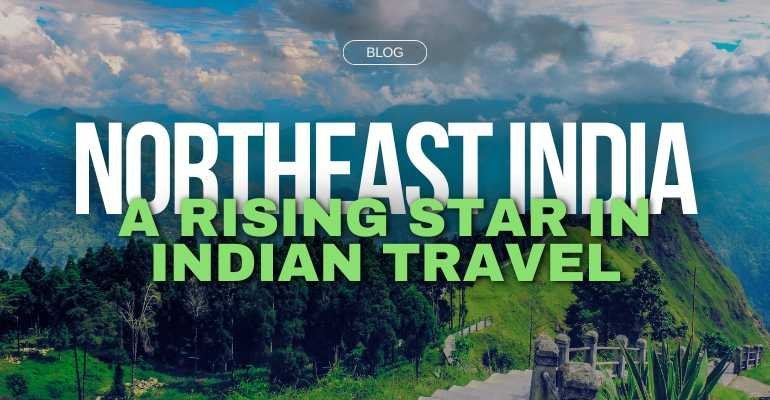
  • Northeast Tourism: Rising Star in Indian Travel

    Northeast Tourism: Rising Star in Indian Travel

    Northeast Tourism: A Rising Star in Indian Travel

    Northeast India, which includes Arunachal Pradesh, Assam, Manipur, Meghalaya, Mizoram, Nagaland, Sikkim, and Tripura, has always been a hidden gem with breathtaking landscapes, diverse cultures, and rich traditions. For years, the region remained off the radar for mainstream tourists due to issues like poor infrastructure, limited connectivity, and security concerns. However, recent progress suggests a major shift—Northeast Tourism is finally gaining recognition as a must-visit travel destination.

    A Decade of Remarkable Growth in Northeast Tourism

    Northeast Tourism has seen a massive boom over the last decade. Back in 2014, around 7 million domestic tourists visited the region. By 2023, that number had soared to over 12.5 million—an impressive 80% growth. This surge can be credited to better infrastructure, improved connectivity, and aggressive promotional efforts by the state and central governments. Additionally, the growing influence of social media and digital travel influencers has contributed to raising awareness about the stunning beauty and unique experiences the region offers. (Source)

    Government Initiatives Driving Northeast Tourism

    Several government schemes have played a crucial role in promoting Northeast India tourism:

    Swadesh Darshan Scheme

    This initiative aims to create theme-based tourist circuits. In its first phase, 16 projects worth ₹1,309 crore were approved for the region. The second phase identified 16 more destinations, focusing on sustainable tourism and responsible tourism. Greater emphasis has also been placed on eco-tourism and adventure tourism, tapping into the region’s potential for trekking, river rafting, and wildlife exploration. (Source)

    PRASHAD Scheme (Pilgrimage Rejuvenation and Spiritual Augmentation Drive)

    This initiative focuses on improving pilgrimage and heritage tourism sites. So far, eight projects worth ₹256 crore have been sanctioned in the Northeast, including significant upgrades to Assam’s Kamakhya Temple, which welcomed around 1.1 million visitors in 2022-23. Other religious sites in Arunachal Pradesh, Nagaland, and Meghalaya are also being developed to accommodate the increasing number of spiritual tourists. (Source)

    Bridging the Connectivity Gap in Northeast India

    One of the biggest reasons for the growth of Northeast Tourism is better accessibility:

    • Air Travel: The UDAN (Ude Desh ka Aam Nagrik) scheme has helped operationalize airports in Rupsi, Tezu, Tezpur, Pasighat, Jorhat, Lilabari, Shillong, Pakyong, Itanagar, and Dimapur, covering 64 routes. The region now has 16 functional airports, making domestic tourism in Northeast India easier than ever. (Source)
    • Rail and Road Infrastructure: The Ministry of Railways has taken up 14 new railway line projects spanning 1,181 km, with 361 km already completed. Additionally, five railway doubling projects covering 728 km are underway. The Ministry of Road Transport and Highways has also approved the development of 5,137 km of national highways in the Northeast, ensuring smoother travel for road trip enthusiasts. (Source)

    Cultural Festivals: A Big Draw for Northeast Tourism

    The region’s unique festivals have played a major role in increasing tourist interest in Northeast India:

    • Hornbill Festival, Nagaland: Held annually from December 1 to 10, this festival celebrates Naga traditions through dance, music, art, and food. It’s one of the biggest cultural tourism attractions in the region. (Source)
    • Sangai Festival, Manipur: Held from November 21 to 30, this festival showcases Manipur’s diverse culture, indigenous sports, arts, and the rare Sangai deer, the state’s symbol. (Source)
    • Ziro Music Festival, Arunachal Pradesh: This indie music festival, held in the picturesque Ziro Valley, has gained international recognition, attracting music lovers and artists from around the world.

    Sustainability and Community Involvement in Northeast Tourism

    As tourism in Northeast India grows, there’s a stronger focus on eco-tourism and community-driven initiatives:

    • Eco-Friendly Stays: Homestays and boutique hotels are on the rise, offering tourists an authentic experience while ensuring that local communities benefit financially. For example, Timilo Boutique in Tawang incorporates Monpa heritage into its services while maintaining sustainable tourism practices. (Source)
    • Community-Led Development: The North East Special Infrastructure Development Scheme (NESIDS) is enhancing tourism-related infrastructure, such as better water supply, electricity, and connectivity, directly involving and uplifting local communities. Additionally, initiatives promoting local handicrafts and organic farming have been integrated into rural tourism experiences. (Source)

    Challenges and Looking Ahead for Northeast Tourism

    While Northeast Tourism is gaining well-deserved attention, some challenges still need to be addressed:

    • Environmental Impact: The rise in eco-tourism brings concerns about environmental degradation. Sustainable tourism practices must be implemented to protect the region’s pristine nature.
    • Maintaining Cultural Integrity: Rapid development should not come at the cost of losing the region’s traditional charm. Encouraging responsible tourism is essential.
    • Limited International Awareness: While domestic tourism has flourished, there is still room for improvement in attracting international tourists. Strengthening global travel marketing could further boost the region’s appeal.

    Conclusion

    Northeast Tourism is finally getting the recognition it deserves as a prime travel destination. With a continued emphasis on sustainable tourism, infrastructure development, and cultural heritage, the region is on track to becoming one of India’s most sought-after travel destinations. If managed well, the Northeast has the potential to emerge as not just a domestic favorite but also a globally renowned adventure tourism and cultural tourism hotspot.

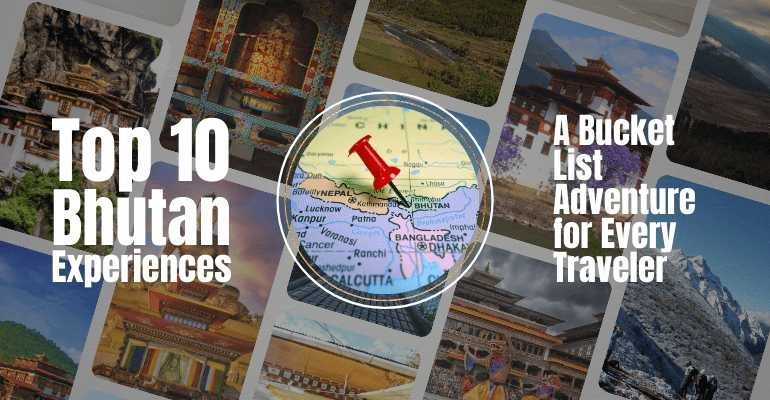
  • Top 10 Bhutan Experiences: Bucket List Adventure for Every Traveler

    Top 10 Bhutan Experiences: Bucket List Adventure for Every Traveler

    Bhutan, the Land of the Thunder Dragon, is a mystical land where ancient traditions blend seamlessly with stunning natural beauty. For travellers seeking both adventure and cultural immersion, Bhutan offers countless experiences. From majestic fortresses to breathtaking mountain views, here are the top 10 things to do in Bhutan that should make it to your travel bucket list. Follow Instagram

    Marvel at Tiger’s Nest Monastery

    As Bhutan’s most famous landmark, the Tiger’s Nest Monastery sits dramatically on a cliffside in the Paro Valley. The exhilarating trek to this sacred site offers breathtaking views of the surrounding mountains, making it a highlight of any Bhutan trip.

    Discover the Phobjikha Valley

    Phobjikha Valley, a glacial valley known for its beauty and wildlife, offers visitors a peaceful escape into Bhutan’s rural heartland. It’s the perfect destination for those looking to experience Bhutan’s pristine nature and spot rare black-necked cranes during the winter months.

    Punakha Dzong: Bhutan’s Majestic Fortress

    The stunning Punakha Dzong, with its impressive architecture and picturesque setting between two rivers, is one of the most photogenic places in Bhutan. It serves as an important cultural and religious centre, making it a must-see for history buffs.

    Embark on the Snowman Trek

    For adventurers seeking the ultimate challenge, the Snowman Trek is an unmatched experience. This trek is considered one of the most difficult in the world, taking travelers through remote areas of Bhutan’s Himalayas over a span of 24 days.

    Attend a Tshechu Festival

    Attending a Tshechu festival is a wonderful way to immerse yourself in Bhutanese culture. The vivid mask dances, vibrant costumes, and religious significance of these festivals offer a window into Bhutan’s spiritual life.

    Wander Through Thimphu’s Markets

    Get a glimpse of Bhutanese daily life by exploring Thimphu’s markets. The weekend market, in particular, is a lively spot where you can browse local handicrafts, sample Bhutanese food, and purchase handmade souvenirs.

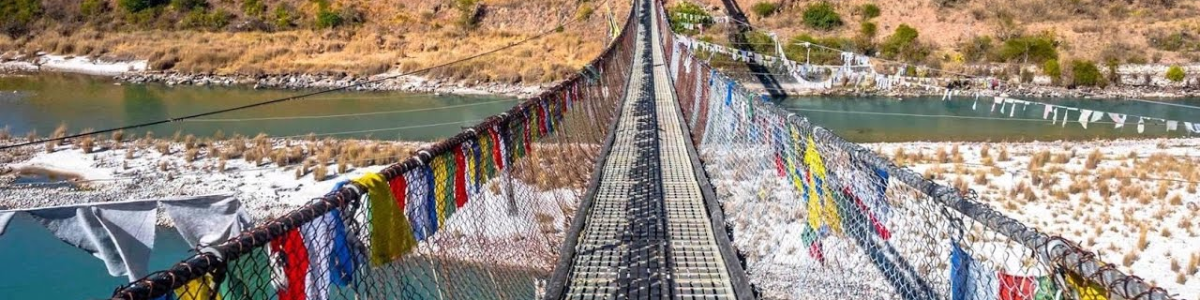
    Experience the Thrill of the Punakha Suspension Bridge

    Walk across the thrilling Punakha Suspension Bridge, one of the longest in Bhutan. Spanning the Po Chhu River, it provides an adrenaline rush and stunning views of the verdant valley.

    Take in the Spiritual Vibes of Bumthang Valley

    Home to many of Bhutan’s oldest and most sacred temples, Bumthang Valley is the spiritual heart of the kingdom. This lush valley offers a serene backdrop to explore Bhutan’s religious heritage and beautiful countryside.

    Enjoy the Scenic Beauty of Dochula Pass

    Located between Thimphu and Punakha, Dochula Pass offers spectacular views of the snow-capped Himalayas. The pass is also home to the Druk Wangyal Chortens. Those are the collection of 108 memorial stupas that add to the area’s spiritual ambience.

    Explore Bhutan’s Wilderness at Royal Manas National Park

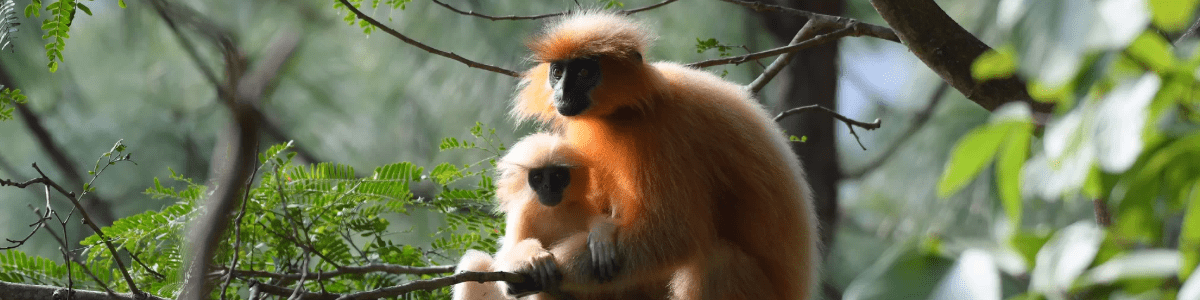
    Royal Manas National Park is Bhutan’s oldest national park and home to an extraordinary array of wildlife, including elephants, golden langurs, and even tigers. Nature lovers and wildlife photographers will find endless opportunities here to explore Bhutan’s rich biodiversity.

    From breathtaking natural landscapes to ancient spiritual sites, these top Bhutan attractions offer a perfect blend of adventure, culture, and history. Whether it’s your first visit or your fifth, these experiences will ensure your journey through Bhutan is nothing short of magical.

  • Bhutan Beckons: Your Ultimate Travel Guide for First-Time Visitors

    Bhutan Beckons: Your Ultimate Travel Guide for First-Time Visitors

    Have you ever wondered what it would be like to visit a kingdom where tradition and spirituality are still deeply woven into everyday life? Welcome to Bhutan, a hidden gem in the Himalayas. For first-time travellers, Bhutan offers an extraordinary experience that blends natural beauty, ancient culture, and unparalleled peace. This guide will cover everything you need to know before starting your adventure to Bhutan.

    Getting  a Visa for Bhutan

    To enter Bhutan, you must arrange a visa through a licensed tour operator unless you’re from India, Bangladesh, or the Maldives. The visa is issued as part of a daily tourism package. This includes everything from accommodation to meals, transport, and guides. This all-inclusive fee ensures a stress-free trip while helping preserve Bhutan’s unique environment and culture.

    For Indian, Bangladeshi, and Maldivian visitors, there’s no need for a visa, just carry a valid passport or a voter ID.

    When to Visit Bhutan

    Choosing the right time to visit Bhutan can significantly enhance your experience. The best time to travel to Bhutan is spring (March to May) and autumn (September to November). Spring offers blooming flowers and clear skies, while autumn is known for its colourful festivals, including the world-renowned Thimphu Tshechu.

    If you’re seeking tranquillity and love snow-covered landscapes, December to February is ideal for a winter escape. The monsoon season (June to August) isn’t as popular with tourists, but it’s a wonderful time for those who enjoy lush green scenery and quietude.

    Top Bhutan Travel Highlights

    Bhutan’s mix of cultural heritage and natural wonders makes it an exciting destination for any traveller. Here are some of the top places to visit in Bhutan for first-timers:

    • Tiger’s Nest Monastery (Paro Taktsang): Arguably Bhutan’s most famous landmark, this monastery sits dramatically on the edge of a cliff, overlooking the Paro Valley. The hike up to the monastery is challenging but highly rewarding.
    • Thimphu: Bhutan’s capital city is a must-visit for anyone interested in modern Bhutanese culture. Explore the Buddha Dordenma, a gigantic Buddha statue, and spend time in Tashichho Dzong, the seat of Bhutan’s government.
    • Phobjikha Valley: Nestled in the Black Mountains, this picturesque valley is home to the endangered Black-necked cranes that migrate here every winter.
    • Punakha: Famous for the beautiful Punakha Dzong, this city was once the capital of Bhutan and remains an important spiritual and cultural hub.

    Authentic Bhutanese Experiences You Ca n’t-Miss

    A visit to Bhutan isn’t complete without diving into the local culture. Bhutan is known for its dedication to Gross National Happiness. A unique philosophy that emphasises the well-being of its people over material wealth.

    For adventure lovers, trekking is a must. The Jomolhari Trek offers awe-inspiring views of the Himalayan peaks and is perfect for those seeking a more intense trekking experience. Bhutanese cuisine is also a highlight of any trip. Don’t miss Ema Datshi, the national dish made of chilli and cheese, and traditional Bhutanese hot stone baths, which are a relaxing treat after a day of exploring.

    Bhutan: The Perfect Destination for Your Next Adventure

    If you’re looking for a destination that offers more than just sightseeing, Bhutan is the place to be. With its breathtaking landscapes, vibrant festivals, and deep spiritual roots, Bhutan has something for every kind of traveller. First-time visitors to Bhutan will find themselves immersed in a world that feels like it’s been untouched by time. Prepare for an incredible journey by packing your bags.

  • Discover the Flavors of Northeast India: A Culinary Journey Through Sikkim, Darjeeling, and Meghalaya

    Discover the Flavors of Northeast India: A Culinary Journey Through Sikkim, Darjeeling, and Meghalaya

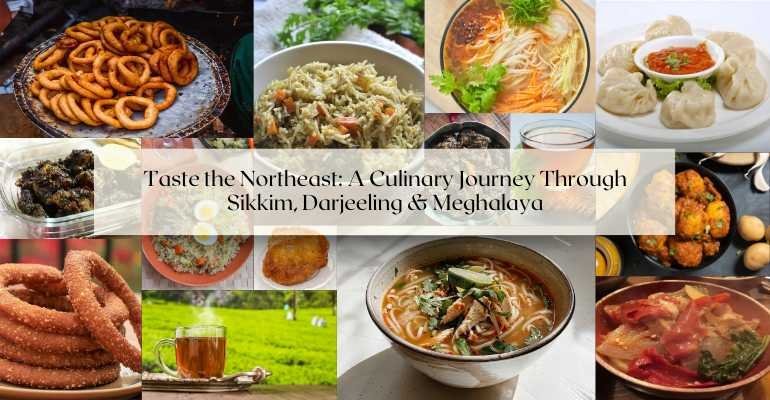
    Regarding travel, one of the most enriching experiences is indulging in the local cuisine. Northeast India, a region celebrated for its breathtaking landscapes, is also a treasure trove of unique and flavorful dishes that reflect the diverse cultures of its people. From the spicy delicacies of Sikkim to the aromatic tea of Darjeeling and the rich flavours of Meghalaya, this region offers a culinary adventure like no other. In this guide, we’ll explore the must-try local foods of Sikkim, Darjeeling, and Meghalaya, offering insights that will enhance your travel experience and leave you craving more.

    Sikkim: A Taste of the Himalayas

    1. Sikkimese Momos: A Culinary Staple

    Sikkimese Momos are a must-try during any vacation to Sikkim. Steam-cooked or pan-fried to perfection, these delicious dumplings are packed with minced meat or veggies. Served with a spicy, tangy chutney, momos are a must-try dish that showcases the culinary traditions of the region.

    1. Thukpa: The Comforting Noodle Soup

    Another popular dish in Sikkim is Thukpa, a hearty noodle soup rooted in Tibetan cuisine. Made with vegetables, meat, and a rich broth, Thukpa is a comforting meal that warms you from the inside out, perfect for the chilly mountain climate.

    1. Phagshapa: A Sikkimese Pork Delicacy

    For those who enjoy bold flavours, Phagshapa is a must-try dish. Made with strips of pork fat, radish, and dried chillies, this spicy and tangy dish is a favourite among locals. It is typically served with rice, which makes it a hearty and gratifying dinner.

    Darjeeling: A Blend of Cultures and Flavours

    1. Darjeeling Tea: The World’s Finest

    Darjeeling is world-renowned for its exquisite tea. Visiting a Darjeeling tea estate is an experience in itself, where you can learn about the tea-making process and taste the different varieties of what is often called the “Champagne of Teas.”

    1. Aloo Dum: A Spicy Street Food Delight

    Aloo Dum is a beloved street food in Darjeeling, consisting of spicy, slow-cooked potatoes. Often paired with Sel Roti, a type of deep-fried bread, this dish is a flavorful and filling snack that you can enjoy on the go.

    1. Sael Roti with Gundruk: Nepali Influences

    Darjeeling’s Nepali community heavily influences the city’s culinary scene. Sael Roti, a traditional ring-shaped bread, is often served with Gundruk, a fermented leafy vegetable dish. This combination is a testament to the region’s rich cultural diversity.

    Meghalaya: A Rich Tapestry of Flavours

    1. Jadoh: The Signature Khasi Dish

    When in Meghalaya, you simply must try Jadoh, a traditional dish made with rice and pork, flavoured with turmeric and black sesame seeds. It’s a staple of Khasi cuisine and offers a unique, aromatic experience that’s deeply satisfying.

    1. Dohneiiong: Meghalaya’s Flavorful Pork Dish

    Dohneiiong is a beloved pork dish cooked with black sesame seeds, giving it a rich, nutty flavour. This dish is often reserved for special occasions and is a true representation of the region’s culinary heritage.

    1. Pukhlein: A Sweet Finish

    No culinary journey through Meghalaya is complete without trying Pukhlein, a sweet snack made from rice flour and jaggery. It is a golden brown deep fried dish, plus a popular treat during festivals and is loved by locals and visitors alike.

    Savouring the Essence of Northeast India

    Exploring the local cuisine is one of the best ways to immerse yourself in the culture of Northeast India. Whether you’re indulging in the spicy dishes of Sikkim, sipping on the finest Darjeeling tea, or enjoying the rich flavours of Meghalaya, each bite tells a story of the region’s diverse heritage. As you plan your journey, make sure to add these culinary experiences to your itinerary, they’re not just meals, but memories waiting to be made. Instgram

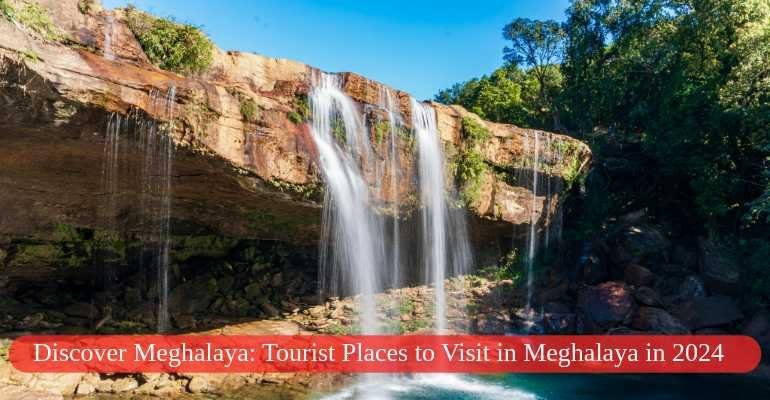
  • Discover Meghalaya: Tourist Places to Visit in Meghalaya in 2024

    Discover Meghalaya: Tourist Places to Visit in Meghalaya in 2024

    Do you ever wonder about the top places to visit in Meghalaya?

    Here in this blog, we are going to introduce you to the best places to visit in Meghalaya, that you shouldn’t miss during your Meghalaya tour.

    So, let’s dive into Meghalaya’s charm

    Located in the northeastern part of India, Meghalaya is a land of rolling hills, impressive valleys, and dense forests.

    This state is divided into three main regions: Khasi Hills, Jaintia Hills, and Garo Hills, each has its unique geographical and cultural identity.

    However, Meghalaya is often referred to as the “Abode of Clouds,” due to the misty hills and verdant landscapes.

    Not only this, but it has another name also

    During British rule, Shillong, the state’s capital and also one of the top places to visit in Meghalaya, was nicknamed the “Scotland of the East”.

    But why?

    It is due to its rolling hills and romantic climate that resemble the Scottish Highlands.

    Meghalaya is also renowned for its high rainfall, making it one of the wettest regions on Earth.

    Now, you have come to know a brief about Meghalaya. Now it is time to uncover the top places to visit in Meghalaya.

    So, are you ready?

    Top Places to Visit in Meghalaya

    Meghalaya offers a blend of natural beauty, cultural diversity, and adventure. From exploring the living root bridges in Cherrapunji to wandering through the sacred caves of Mawphlang, there is no shortage of captivating sights.

    So, whether you’re an adventure seeker, nature lover, or history enthusiast, Meghalaya has something unique to offer. Here are some of the best places to visit in Meghalaya, that make this place even more attractive than you imagine.

    1. Cherrapunji

    Cherrapunji, often regarded as one of the wettest places on Earth, is a town in the East Khasi Hills of Meghalaya.

    The town is famous for its Double Decker Living Root Bridges, created by the local Khasi tribe. Cherrapunji is also home to the sparkling Nohkalikai Waterfalls, which is the tallest plunge waterfall in India.

    The Mawsmai Cave, with its captivating limestone formations, and the Seven Sisters Falls, also add to the charm of this beautiful destination.

    Specialty: One of the wettest places on Earth.

    Attractions: Double Decker Living Root Bridges, Nohkalikai Waterfalls, Mawsmai Cave, Seven Sisters Falls.

    2. Balpakram National Park

    Balpakram National Park, located in the Garo Hills of Western Meghalaya, is a paradise for nature enthusiasts and wildlife lovers. It is one of the most attractive places to visit in Meghalaya.

    Besides, this place is often compared to the Grand Canyon due to its stunning geological formations and its rich biodiversity.

    It also contains a variety of rare and exotic species, including the elusive Red Panda, Wild Buffalo, Marbled Cat, and Lesser Panda. Indian Bison can also be found roaming the park’s dense forests.

    Specialty: Rich biodiversity, often compared to the Grand Canyon.

    Attractions: Red Panda, Wild Buffalo, Marbled Cat, Lesser Panda, Indian Bison.

    3. Shillong

    Do you know which place is called the “Scotland of the East,”?

    It is Shillong, the capital of Meghalaya, serving as one of the best places to visit in Meghalaya.

    But why?

    It is due to its beautiful atmosphere and glorious environment along with rolling hills, and pine forests.

    The city also offers a blend of natural beauty and cultural experiences, with attractions like Shillong Peak, which provides cool views of the surrounding landscapes, and Ward’s Lake.

    Additionally, here the Don Bosco Museum offers insights into the rich cultural history of Northeast India, while Elephant Falls, a cascading waterfall is a favorite among visitors.

    Specialty: Known as the “Scotland of the East.”

    Attractions: Shillong Peak, Ward’s Lake, Don Bosco Museum, Elephant Falls.

    4. Elephant Falls

    Elephant Falls is one of the most popular places to visit in Meghalaya, which is known for its multi-tiered cascade that flows down through green forests.

    But do you know why a waterfall is named after an elephant?

    And

    Why it is considered one of the most attractive places to visit in Meghalaya?

    Ok, let me tell you

    Actually, the name “Elephant Falls” was derived from a rock nearby that resembled an elephant, although the rock was destroyed in an earthquake.

    The falls are best visited during the monsoon season when the water flow is at its peak, creating a stunning sight.

    You can also explore the different tiers of the waterfall through well-maintained footpaths and enjoy the soothing sounds of nature.

    So, are you excited to explore this wonder?

    Specialty: Majestic waterfall surrounded by lush greenery.

    Attraction: Multi-tiered cascade

    5. Double-Decker Living Root Bridge

    The Double-Decker Living Root Bridge in Cherrapunji is a remarkable example of man’s harmony with nature.

    Do you know, that this structure is created with the roots of the Ficus elastica tree?

    Yes.

    Originally it was a rubber plant, which was guided and manipulated over decades by the Khasi people to form strong, natural bridges.

    Also, the design of the bridge is quite attractive, acting as a symbol of the sustainable practices of the local tribes.

    Although the trek to the bridge can be challenging, the reward is an adventurous experience, walking across a living structure surrounded by tropical rainforest.

    Specialty: A unique natural bridge made from the roots of an Indian rubber tree.

    Attraction: A bridge made with roots

    6. Don Bosco Museum

    The next one is the Don Bosco Museum in Shillong. It is a treasure trove of cultural artifacts, showcasing the rich history and heritage of Northeast India, making it one of the best places to visit in Meghalaya.

    It is spread over seven floors and the museum contains a vast collection of artifacts, textiles, tools, and weapons from various tribes across the region.

    Besides, the museum’s galleries offer a deep dive into the diverse cultures, traditions, and lifestyles of the indigenous communities.

    In addition to this, it also features unique exhibits and a skywalk that provides panoramic views of Shillong.

    The Don Bosco Museum is not just a museum but a cultural hub, offering insights into the vibrant and colorful history of the Northeast.

    Specialty: Showcases the cultural history of Northeast India.

    7. Kyllang Rock

    Next is Kyllang Rock, which is located in the West Khasi Hills near Shillong.

    It is a massive granite formation that rises majestically from the surrounding landscape. This giant dome-shaped rock is estimated to be millions of years old and offers panoramic views of the faraway hills and valleys below.

    The rock is surrounded by dense forests, and home to a variety of plants and animals, including rare orchids and bird species.

    Besides, it is also a popular spot for trekking and rock climbing, offering adventure enthusiasts a thrilling experience in the heart of nature., making this place as one of the places to visit in Meghalaya.

    Specialty: A giant rock formation offering panoramic views.

    1. Mawlynnong Village

    The next one is the Mawlynnong Village, often referred to as the “Cleanest Village in Asia,”.

    Located in the East Khasi Hills, this village is known for its fine cleanliness, well-maintained pathways, and eco-friendly practices.

    The villagers have taken great pride in keeping their surroundings neat and clean, earning Mawlynnong international recognition.

    Beyond its cleanliness, the village is also famous for its scenic beauty, with greenery, flowering gardens, and stunning views of the Bangladesh plains.

    You can also explore the village’s Living Root Bridges, bamboo treehouses, and experience the warm hospitality of the Khasi people. All these make this area one of the places to Visit in Meghalaya.

    Specialty: Cleanest village in Asia with beautiful landscapes.

    9. Baghmara

    Let’s move to a place, that you can’t exclude from your places to visit in Meghalaya list.

    But why?

    Let’s see the place with its charm

    It is Baghmara, located in the South Garo Hills of Meghalaya, and is a haven for wildlife enthusiasts and adventure seekers.

    The town is surrounded by dense forests, and it offers home to a variety of exotic species, including elephants, red pandas, and a wide array of birdlife.

    This place is also famous for its limestone caves, such as the Siju Cave, known for its unique formations and underground streams, making it an ideal destination for those looking to explore the natural beauty of Meghalaya.

    Additionally, the nearby Simsang River offers opportunities for fishing and boating, adding to the town’s charm.

    Specialty: Wildlife haven with exotic species and limestone caves.

    10. Nohkalikai Falls

    Now it’s Nohkalikai Falls, located near Cherrapunji, is one of the most dramatic waterfalls in India.

    Do you know that Nohkalikai waterfall is the tallest waterfall in India?

    Yes, this is right

    It has a height of 1,115 feet, known as the tallest plunge waterfall in the country.

    Besides, there is a story related to its name?

    Are you interested in that?

    Ok. I’ll tell you

    Originally, this waterfall is named after a tragic local legend of a woman named Ka Likai, who, in despair, threw herself off the cliff, giving the falls its name, which translates to “Jump of Ka Likai.”

    Nohkalikai Falls looks best during the monsoon season for its strong currents.

    Specialty: Tallest plunge waterfall in the country.

    11. Mawsmai Cave

    Let’s move to another best places to visit in Meghalaya.

    It is Mawsmai Cave, which is a limestone cave. It allows you to experience its narrow passages, impressive stalactites, stalagmites, and intricate natural formations.

    The cave is well-lit, making it accessible for visitors, but it still retains an air of mystery and adventure. Also, the cave is part of a network of underground caves in the region, each with its own unique features.

    Specialty: A thrilling underground cave with rich vegetation.

    12. Umiam Lake

    Move to Umiam Lake, known as Barapani, is a man-made reservoir located just 15 kilometers north of Shillong. It also serves as one of the best places to visit in Meghalaya.

    It is surrounded by hills and dense forests; the lake is a popular destination for both locals and tourists. You can also enjoy here water-based activities, including boating, kayaking, and water sports. It makes it a favorite spot for adventure seekers.

    Besides, the tranquil environment and stunning views, particularly during sunrise, provide a perfect setting for relaxation and photography.

    Specialty: A picturesque man-made reservoir surrounded by green hills.

    13. Tura

    The next one is Tura, which is located in the West Garo Hills of Meghalaya, is a town known for its rich cultural heritage and natural beauty.

    This place is packed with dense forests and rolling hills, offering a tranquil escape from the hustle and bustle of city life.

    In addition to this, the town contains a diverse range of wildlife, including elephants, leopards, and a variety of bird species, making it a popular destination for wildlife enthusiasts.

    Also, the nearby Nokrek National Park, a UNESCO Biosphere Reserve, is a major attraction, known for its dense forests and rare species.

    To make your journey more adventurous, you shouldn’t exclude it from one of your places to visit in Meghalaya list.

    Specialty: Serene environment and rich wildlife.

    14. Jowai

    Jowai, the scenic town located in the West Jaintia Hills of Meghalaya, is known for its stunning landscapes, waterfalls, and cultural heritage.

    The town is surrounded by green-covered hills, with the Tyrshi Falls being one of the major places to visit in Meghalaya.

    Jowai is also famous for its ancient monoliths, such as those found in Nartiang, which offer a glimpse into the region’s rich history.

    Specialty: Scenic town known for waterfalls and monoliths.

    Attractions: Tyrshi Falls, Nartiang Monoliths, Syntu Ksiar.

    15. Dawki

    Dawki is a small town near the India-Bangladesh border, renowned for the crystal-clear waters of the Umngot River. The river’s clarity is so exceptional that boats appear to float on air, making it a popular spot for photography and boating.

    Dawki is also an important trade route between India and Bangladesh, adding a unique cultural blend to the area.

    So, if you want to make your Meghalaya tour more attractive, then don’t forget to consider this place as one of the best places to visit in Meghalaya.

    Specialty: Famous for the crystal-clear Umngot River.

    Location: Near the India-Bangladesh border.

    16. Williamnagar

    Williamnagar, the headquarters of the East Garo Hills district, is a town rich in history and natural beauty.

    Situated along the banks of the Simsang River, Williamnagar is surrounded by deep forests and offers a serene environment for visitors.

    The town is known for its historical significance, which reminds us of the battles fought during the Garo rebellion against the British.

    Nearby attractions include the Domre Falls and the serene landscapes of the Nokrek Biosphere Reserve, which is home to a variety of wildlife and exotic flora.

    Williamnagar’s blend of history, culture, and natural beauty makes it one of the unique places to visit in Meghalaya.

    Specialty: Rich in history and natural beauty.

    Attractions: Simsang River, Domre Falls.

    17. Laitlum Canyon

    Laitlum Canyon, located near Shillong, is one of the most breathtaking places to visit in Meghalaya. The name “Laitlum” translates to “end of the hills,” and the canyon lives up to its name, offering panoramic views of deep gorges, rolling hills, and distant villages.

    The area is considered the best place for trekkers and nature lovers as it has trails that lead through wide landscapes, offering spectacular views at every turn.

    The tranquil atmosphere and the deep beauty of the canyon, especially during sunrise and sunset, make it a perfect spot for photography and meditation.

    Specialty: Offers views of the surrounding valleys.

    18. Mawsynram

    Do you love to see distant rains in the lap of mountains?

    Everybody loves this

    Right?

    Here Mawsynram holds the title of the wettest place on Earth, with its wide green landscapes and strong rainfall creating a paradise for nature lovers.

    This village, located in the East Khasi Hills, is known for its dense forests, picturesque waterfalls, and unique geological formations.

    One of the main attractions in Mawsynram is the Mawjymbuin Cave, which features a naturally formed Shiva Lingam, attracting both tourists and devotees.

    Always remember to include this place as one of the best places to visit in Meghalaya list.

    Specialty: Wettest place on Earth with lush green landscapes.

    Attractions: Mawjymbuin Cave, waterfalls, and green meadows.

    19. Mawphlang Sacred Forest

    Mawphlang Sacred Forest, located about 25 kilometers from Shillong, is a place of deep cultural and ecological significance.

    The forest is considered sacred by the Khasi tribe, and ancient rituals are still performed here to honor the forest spirits.

    Mawphlang is also a biodiversity hotspot, home to a wide variety of rare plants, medicinal herbs, and ancient trees, making it one of the best places to visit in Meghalaya.

    Specialty: Sacred forest with ancient rituals and biodiversity.

    These are the places to visit in Meghalaya that you must explore during your Meghalaya tour.

    So, which places do you explore first? Instagram

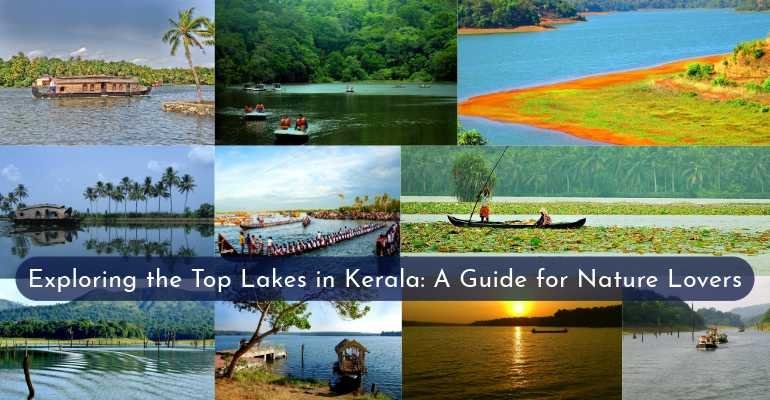
  • Exploring the Top Lakes in Kerala: Guide for Nature Lovers

    Exploring the Top Lakes in Kerala: Guide for Nature Lovers

    Kerala, lovingly referred to as ‘God’s Own Country,’ is filled with many waterways, including lakes that offer peaceful and memorable cruise experiences. Each lake in Kerala uniquely amplifies the region’s beauty, with its tranquil ambience stretched across various cities and townships. Approximately, there are 34 lakes in Kerala, serving as a source of enjoyment, but also transforming into the best place for water sports and annual boat races.

    So, are you a nature lover and want to explore one of the lakes in Kerala?

    Wait!!

    Not only one, but all the best lakes in Kerala!!

    If your answer is yes, then this guide to the top 10 lakes in Kerala is just for you

    So, let’s dive into the details of these enchanting lakes that double the charm of this beautiful land.

    Ashtamudi Lake, Kollam

    Description:

    Serving as the ‘entry point to Kerala’s backwaters,’ the expansive Ashtamudi Lake is the second-largest in the state, stretching over nearly 1700 square kilometers. It contains nearly 100 different species of fish and close to 60 distinct bird species that consider this lake their habitat.

    Furthermore, the backwater canals, coconut plantations, and palm trees beautifully outline the lake’s banks, making the surroundings visually appealing and attractive. The lake boasts eight distinctive branches like an octopus, that help to achieve the name Ashtamudi, making it one of the best lakes in Kerala.

    Besides, there are numerous islands that await to exploration, ideally via a houseboat cruise — a popular activity among newlyweds. The thrilling 8-hour houseboat journey between Kollam and Alleppey should not be missed, as it promises an unforgettable experience.

    Famous For:

    The ‘entry point to Kerala’s backwaters,’ is known for its octopus-shaped eight branches, houseboat cruises, and scenic beauty.

    Best Time to Visit:

    October to March

    How to Reach:

    • By Air: Trivandrum International Airport (70 km away)
    • By Train: Kollam Junction (2 km away)
    • By Road: Easily accessible via road from Kollam town

    Periyar Lake, Thekkady

    Description:

    While talking about the best lakes in Kerala, the Periyar Lake can never be neglected as it possesses tranquillity, and houses a unique aquatic ecosystem. The lake, ensconced within the renowned Periyar National Park, is adorned with several small islands and sunken trees, making this place even more attractive.

    In addition to this, the sightseers frequently see wildlife during their boat tours on the lake. The magical shores of Periyar Lake act as a hydration hub for thirsty animals, making the area more vibrant with life. A cruise on the lake, surrounded by landscapes, lasts about one and a half hours and is a must-visit experience. The lake also offers bamboo rafting for adventure lovers.

    Famous For:

    Wildlife sightings, boat tours, and bamboo rafting

    Best Time to Visit:

    October to February

    How to Reach:

    • By Air: Madurai Airport (140 km away)
    • By Train: Kottayam Railway Station (114 km away)
    • By Road: Accessible by road from Thekkady

    Vembanad Lake, Alleppey

    Description:

    Known to be the biggest lake in Kerala, Vembanad Lake reigns as one of the state’s best-loved water bodies, always ready to offer unforgettable experiences. Positioned roughly 15 km from Kottayam, it holds the title of India’s longest lake and also one of the best lakes in Kerala.

    Fed by numerous rivers, this longest lake in Kerala offers an extensive wetland system, partitioned into fresh and brackish water segments. The lake is particularly known for pleasure-filled houseboat cruises, fishing activities, and delightful bird-watching moments. Locally acknowledged by various names, the lake takes center stage annually as the host site for the celebrated Nehru Trophy Boat Race. The scenery of dense coconut groves beside the bank and its reflection on the waters is indeed a sight to behold.

    Always try to stop at Patharimanal Island or the Kumarakom Bird Sanctuary during your visit.

    Famous For:

    Houseboat cruises, bird watching, and the Nehru Trophy Boat Race

    Best Time to Visit:

    November to February

    How to Reach:

    • By Air: Cochin International Airport (63 km away)
    • By Train: Alleppey Railway Station (4 km away)
    • By Road: Well-connected by road, easily accessible from Alleppey town

    Pookode Lake, Wayanad

    Description:

    Among many lakes in Kerala, hides Pookode Lake, which is located amidst the hills and valleys of Wayanad in the northern part of the state. Pleases your eyes on the lovely view of blooming water lilies here. Known for its stunning dawn and dusk sceneries, Pookode Lake draws lots of tourists throughout the year.

    Visitors can also witness here monkeys frolicking among the trees or deer while exploring this area. But the best part of it is a pedal boat ride.

    Do you love it?

    If yes, then don’t miss it here as this place offers an attractive view, while performing a pedal boat ride, which enhances your overall experience here.

    Besides, nearby attractions include a children’s park and the breathtaking Soochipara Waterfalls are an extra gift waiting for you. So, this water body in Kerala serve as a haven for nature enthusiasts and photographers.

    Famous For:

    Scenic beauty, pedal boating, and proximity to Soochipara Waterfalls

    Best Time to Visit:

    September to May

    How to Reach:

    • By Air: Calicut International Airport (65 km away)
    • By Train: Kozhikode Railway Station (60 km away)
    • By Road: Well-connected by road from Wayanad town

    Vellayani Lake, Trivandrum

    Description:

    Next is Vellayani Lake, a location blessed with captivating scenery. This freshwater lake is about 9 km away from Trivandrum. Its water is so clear that it reflects the moonlight, just like a mirror, creating a breathtaking spectacle among other famous lakes in Kerala.

    According to locals, this lake is referred to as Vellayani Kayal or Kochu Kovalam, which holds the honor of being the largest freshwater lake in Trivandrum. When the festive boat races are arranged here at the lake during Onam, crowds of locals and tourists flock to experience its charming view.

    Additionally, there is a local lore associated with this lake. It is said that the lake’s existence stemmed from the humble request of a beggar asking a meditating saint for drinking water.

    Famous For:

    Crystal-clear water, scenic beauty, and traditional boat races during Onam

    Best Time to Visit:

    November to March

    How to Reach:

    • By Air: Trivandrum International Airport (7 km away)
    • By Train: Trivandrum Central Railway Station (9 km away)
    • By Road: Easily accessible by road from Trivandrum city

    Paravur Lake, Kollam

    Description:

    Located at a distance of 15 km from Varkala and 20 km from Kollam, Paravur Lake, also known as Paravur Kayal. It is compact but offers a wonderful atmosphere. Its connection to the Arabian Sea enhances its enchanting view, making it one of the most famous lakes in Kerala.

    Spanning an area of 6.62 square kilometers, the lake serves as the ultimate destination of the Ithikkara River. This Lake also provides a perfect venue for a range of activities like surfing, swimming, and boating along the scenic Malabar Coast. It nestles close to the heavenly Paravur fishing village — another not-to-miss destination. This lake is decorated with green mangroves on either side, creating a truly attractive scenery.

    Famous For:

    Backwater cruises, scenic beauty, and water sports

    Best Time to Visit:

    November to February

    How to Reach:

    • By Air: Trivandrum International Airport (50 km away)
    • By Train: Paravur Railway Station (2 km away)
    • By Road: Well-connected by road from Kollam and Varkala

    Punnamada Lake, Alleppey

    Description:

    Punnamada Lake is recognized as one of the best lakes in Kerala, stretching across numerous districts within the state. It also bears different names like Punnamada Lake in Kuttanad and Kochi Lake in Kochi, while it is also a part of the larger Vembanad Lake.

    But, there is a specialty, that makes this lake even more appealing than others.

    Do you know the reason?

    Ok. This lake is very popular among birdwatchers as there are three main islands in Kerala: Pathiramanal, Perumbalam, and Pallippuram, considered the best for this activity.

    Furthermore, during the Onam festival, this lake turns into a mirror of happiness, hosting the Nehru Trophy Boat Race, and drawing in enormous crowds. The borders of the lake are framed beautifully by dense forest including coconut and areca nut trees.

    Famous For:

    Houseboat cruises, bird watching, and the Nehru Trophy Boat Race

    Best Time to Visit:

    November to February

    How to Reach:

    • By Air: Cochin International Airport (63 km away)
    • By Train: Alleppey Railway Station (4 km away)
    • By Road: Well-connected by road, easily accessible from Alleppey town

    Sasthamkotta Lake, Kollam

    Description:

    Sasthamkotta Lake stands out as one of the largest freshwater lakes in Kerala, spread across a vast area of 375 hectares. It was formed naturally and surrounded by dense hills on three sides, offering captivating beauty.

    This lake is considered one of the sacred lakes in Kerala also as it named after the ancient Sastha Temple located on its bank. The lake’s water is remarkably pure and free from salt, and the lake area is packed with a unique variety of different wildlife. Birdwatchers can delight in spotting a variety of bird species here, including migratory ones, that flock to this tranquil location. So, the calm and serene environment makes it a perfect spot for nature lovers and picnickers.

    Additionally, the lake also serves as the primary source of drinking water for the nearby villages.

    Famous For:

    Largest freshwater lake in Kerala, ancient Sastha temple, and scenic beauty

    Best Time to Visit:

    October to February

    How to Reach:

    • By Air: Trivandrum International Airport (72 km away)
    • By Train: Kollam Railway Station (28 km away)
    • By Road: Accessible by road from Kollam and other nearby towns

    Shasthamcotta Lake, Kollam

    Description:

    Also known as Sasthamkotta Lake, this lake is celebrated for its remarkable clarity and fresh water and is considered as one of the finest lakes in Kerala. Located in the middle of the forest, the lake offers a peaceful place free from the hustle and bustle of city life.

    The ancient Sastha Temple, dedicated to Lord Ayyappa, adds a spiritual charm to the lake’s surroundings.

    The lake is also a haven for numerous species of fish and birds, making it a popular spot for fishing and bird watching. The calm waters and the lofty hills and forests behind, make it an ideal destination for picnics and nature walks.

    Famous For:

    The serene environment, ancient Sastha temple, and freshwater

    Best Time to Visit:

    October to March

    How to Reach:

    • By Air: Trivandrum International Airport (60 km away)
    • By Train: Kollam Railway Station (25 km away)
    • By Road: Well-connected by road, easily accessible from Kollam

    Vellayani Lake, Thiruvananthapuram

    Description:

    Vellayani Lake, also known as Vellayani Kayal, is the largest freshwater lake in Thiruvananthapuram. Its crystal-clear water reflects the moonlight, creating a mesmerizing view that captivates visitors. Due to this, it also serves as one of the fresh lakes in Kerala.

    The lake is a popular spot for traditional boat races held during the Onam festival, attracting both locals and tourists. The quiet environment and the greenery surrounding the lake make it an ideal place for picnics and nature walks.

    Similarly, the lake is also home to a variety of fish and bird species, making it a favorite spot for fishing and bird-watching. The nearby Vellayani Temple adds a cultural and spiritual dimension to the lake’s charm.

    Famous For:

    Crystal-clear water, picturesque surroundings, and traditional boat races

    Best Time to Visit:

    November to March

    How to Reach:

    • By Air: Trivandrum International Airport (7 km away)
    • By Train: Trivandrum Central Railway Station (9 km away)
    • By Road: Easily accessible by road from Thiruvananthapuram city

    With this extensive list of lakes in Kerala, deciding which ones to include in your visit list can be a tough choice.

    Isn’t it?

    But you need not to be worry about that as we have professionals, who are always available to provide you with the best services on this.

    So, pack your bags and set out to discover the best lakes in Kerala!

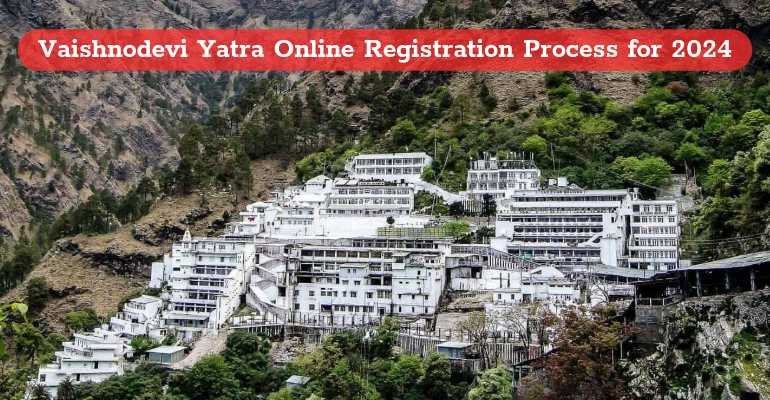
  • Vaishnodevi Yatra Online Registration Process for 2024

    Vaishnodevi Yatra Online Registration Process for 2024

    Located in the Trikuta Mountains of Jammu and Kashmir, the pilgrimage to Vaishno Debi is a sacred journey, performed by millions of devotees to seek the blessings of Mata Vaishno Devi. One of the central processes of this pilgrimage is the Vaishno Devi Yatra Registration, which ensures orderly management, safety, and observation. Here’s a detailed guide to help you understand and navigate the Mata Vaishno Devi registration process for 2024

    Significance of Vaishno Devi Registration

    Vaishno Devi Yatra registration is mandatory for all pilgrims as it serves as a gateway to this divine journey. It symbolises devotion to experience a spiritual hunt while helping in crowd management, pilgrim safety, and security.

    Eligibility and Cost of Mata Vaishno Devi Yatra Registration

    Eligibility

    All individuals, regardless of age, gender, or nationality, can do the Vaishno Mata registration. But it is advisable to consider your health and fitness due to the challenging landscapes while exploring this place.

    Cost

    Vaishnodevi Yatra Registration is free of charge, which is provided by the Shri Mata Vaishno Devi Shrine Board (SMVDSB).

    Modes of Registration:

    Pilgrims have the option to register online through the official website of Shri Mata Vaishno Devi Shrine Board (SMVDSB) or offline at selected Mata Vaishno Devi Yatra Registration Counters (YRC) in Katra and Jammu.

    Mata Vaishno Devi Online Registration Process:

    Just follow the simple steps to register yourself for this divine journey

    Step 1: Visit the Official Website

    Visit the official site at www.maavaishnodevi.org to proceed with Mata Vaishno Devi registration online.

    Step 2: Log in with your Mobile Number

    Enter your mobile no, where an OTP will be sent. Simply put the OTP and proceed with Vaishno Devi Yatra registration online.

    Step 3: New Devotee Registration

    Create an account by providing basic details like name, contact information, and email.

    Step 4: Login

    Use the generated Devotee ID and password to log in for Mata Vaishno Devi online yatra registration.

    Step 5: Yatra Parchi Generation

    Fill in personal details (name, age, gender, ID proof), verify, and submit.

    Step 6: Print Yatra Parchi

    After the successful submission, always print the Yatra Parchi containing essential details.

    Step 7: Validity

    The Yatra Parchi is valid for one day from the date of registration.

    Offline Yatra Registration Process

    Regarding the offline procedure, there are some steps you should follow.

    Step 1: Visit the Yatra Registration Counter

    Located in Katra or Jammu.

    Step 2: Submission of Details

    Fill out the registration form with all the necessary information.

    Step 3: Yatra Parchi Issuing

    After the successful verification, always receive the Yatra Parchi.

    Step 4: Validity

    The Yatra Parchi of Mata Vaishno Devi registration is valid for one day from the date of issuance.

    Vaishno Devi Yatra Registration is an example of the faith and devotion of its devotees. It ensures a safe and spiritually enriching experience in the middle of the Trikuta mountains. In both online and offline processes, pilgrims are guided to proceed with all types of safety measures to seek blessings from Mata Vaishno Devi.

    Note: Always check updates and guidelines from the official website on Yatra status before planning your journey.