Tripjyada CMS Staging

Tag: Affordable Bhutan tour package

  • Bhutan In Winter: Why It’s the Best Time to Explore the Land of the Thunder Dragon

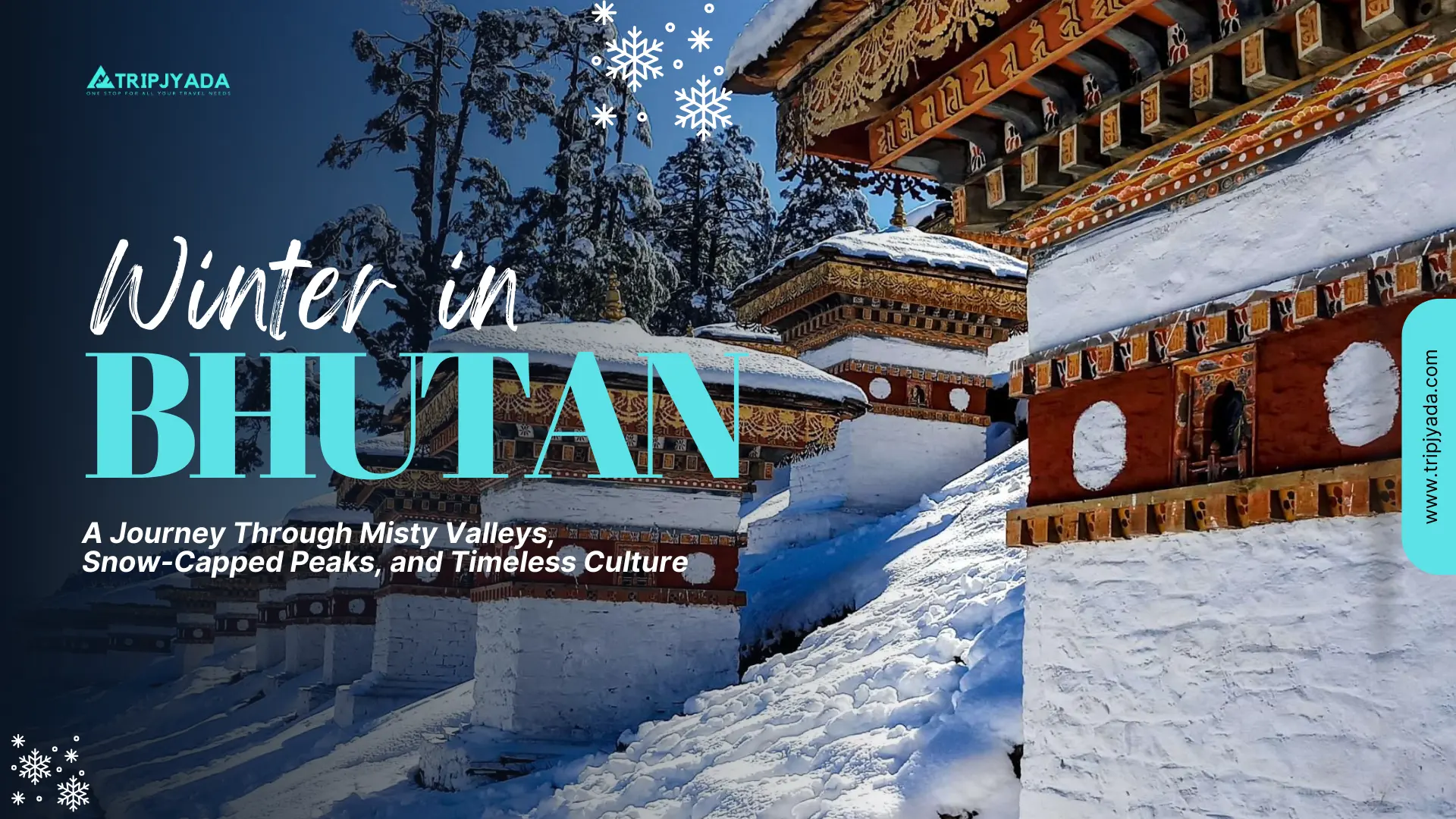
    Imagine waking up in the morning in the Himalayas, the air so clear it looks like a deep breath for your soul. The solar puts a golden glow on the snow-dust monasteries, and the royal peaks of the Himalayas are long-standing towards a clean blue sky. This is not a dream; it is Bhutan in winter.

    If you are thinking of winter, Bhutan provides an attractive experience that is both calm and virtuous.

    1. Breathtaking Winter Landscapes

    Bhutan transforms properly into a snow-covered wonderland. The valleys are totally in white, and the peaks are dusted with snow, looking like a canvas. The smooth skies and crisp air make the climate ideal for shooting and photography.

    If you’ve ever dreamed of a Bhutan tour that appears like stepping into a fairy story, minus the crowds and chaos, then Bhutan in winter is your golden ticket. Forget the summer season monsoons or shoulder-season scrambles;  weather (December to February) is a satisfactory time to visit Bhutan for that raw, soul-stirring serenity.

    2. Witness the Black-Necked Cranes

    From past due October to mid-February, the Phobjikha Valley will become a sanctuary for the rare black-necked cranes. These majestic birds migrate from the Tibetan Plateau to Bhutan’s vital valleys, presenting a unique wildlife spectacle. Observing their sleek moves against the snowy backdrop is a once-in-a-lifetime experience for nature fanatics.

    3. Explore Tranquil Monasteries

    Along with fewer tourists, you have the opportunity to find out the hidden treasure of Bhutan. The Haa Valley, for instance, offers a glimpse into traditional Bhutanese life, with its untouched landscapes, alpine forests, and vibrant culture.  Wandering along quiet trails lined with fluttering prayer flags, or standing by frozen streams reflecting the snow-capped peaks, it feels as if the entire valley has reserved its beauty just for you. These moments of peace not only make Bhutan a destination in winter, but experience of peace and self-consciousness.

    4. Ideal Conditions for Trekking

    The snow season in Bhutan is like a present waiting to be opened for any person with a sense of adventure. The more the altitude increases, the more the cooler the air. The blue skies are remarkable, not only to glance at but to be in. The best part of the trek is, guess what?? The view!! Banks of ice cool blue, with a ting of frothy white, can be seen at a lower altitude, giving an ice paradise feeling. The untouched, serene, splendid Gangtey Nature Trail remains welcoming to all. The blanket of white and these treks together give a feeling of a starry-eyed daydream.

    5. Celebrate Nyilo –The Winter Solstice Festival

    Every January, Bhutan lights up with Nyilo, the winter solstice festival. It’s more than just a change in seasons. It’s a celebration of new over old, marking the shortest day of the year and the welcoming of longer, brighter days ahead. Families gather, rituals are performed, and prayers fill the air with hope and positivity.

    For travellers, being part of Nyilo is a rare chance to see Bhutan beyond the monasteries and mountains. It’s about sitting with locals, sharing laughter, tasting traditional food, and feeling the joy of a community coming together.

    Read More…Tshechu Festival 2025: A Spiritual and Cultural Celebration in the Hills

    6. Discover Hidden Gems

    Now, Bucketlist Bhutan is almost empty, only to be saved for the ice king’s castle, or summer castle. Not Bhutan but the Haa Valley is a whole beautiful story itself. Here, the movement of life synchronizes with the movements of the flag twirls. Endless calm Highway Road of Peace, decorated with the smell of prayer and soft showers of mist at sunset, adds a variety of bangles to the view from the Royal Castle of Haa Valley. Only you and the fortress, and the soft sigh of prayer wheels and snow-decorated gardens exist. The other end of the sky is still waiting for you. The moment is so fast and innocent. The powerful imagination is waiting to jump from the cuffs of day.

    Ready to escape on Your Winter Adventure?

    If you are eager to experience Bhutan’s winter magic, do not look beyond. Tripjyada ensures a spontaneous and memorable journey, offering a customised Bhutan tour package. Whether it is looking at the black-necked crane in the Phobjika Valley, celebrating Nyilo with the local people, or trekking through the serene snow-kissed landscapes. Tripjyada has covered you.

    What you need for your Winter Journey

    • Pack warm clothes: layered clothes, thermal wear, and waterproof gear are required. 
    • Booking: Even in the off-peak season, festivals and guesthouses quickly fill.
    • Stay hydrated and preserved: Dry air can dehydrate the skin; Take moisturizer and lip balm.
    • Respect local customs: Take permission in the Dress modestly and before taking pictures of the local people. 
    • Check the road conditions: Snow can temporarily block near the mountain; plan your route accordingly.

    Ready to escape on Your Winter Adventure?

    If you are eager to experience Bhutan’s winter magic, do not look beyond. Tripjyada ensures a spontaneous and memorable journey, offering a customised Bhutan tour package. Whether it is looking at the black-necked crane in the Phobjika Valley, celebrating Nyilo with the local people, or trekking through the serene snow-kissed landscapes. Tripjyada has covered you.

    What makes the experience truly special is the personalised touch. From handpicked stays in charming Bhutanese lodges to curated itineraries that balance adventure with relaxation. With specialist local guides, smooth transport, and carefully planned cultural immersion, your journey will be a story to remember.
     

  • Best Indian Restaurants in Bhutan for Authentic Flavors

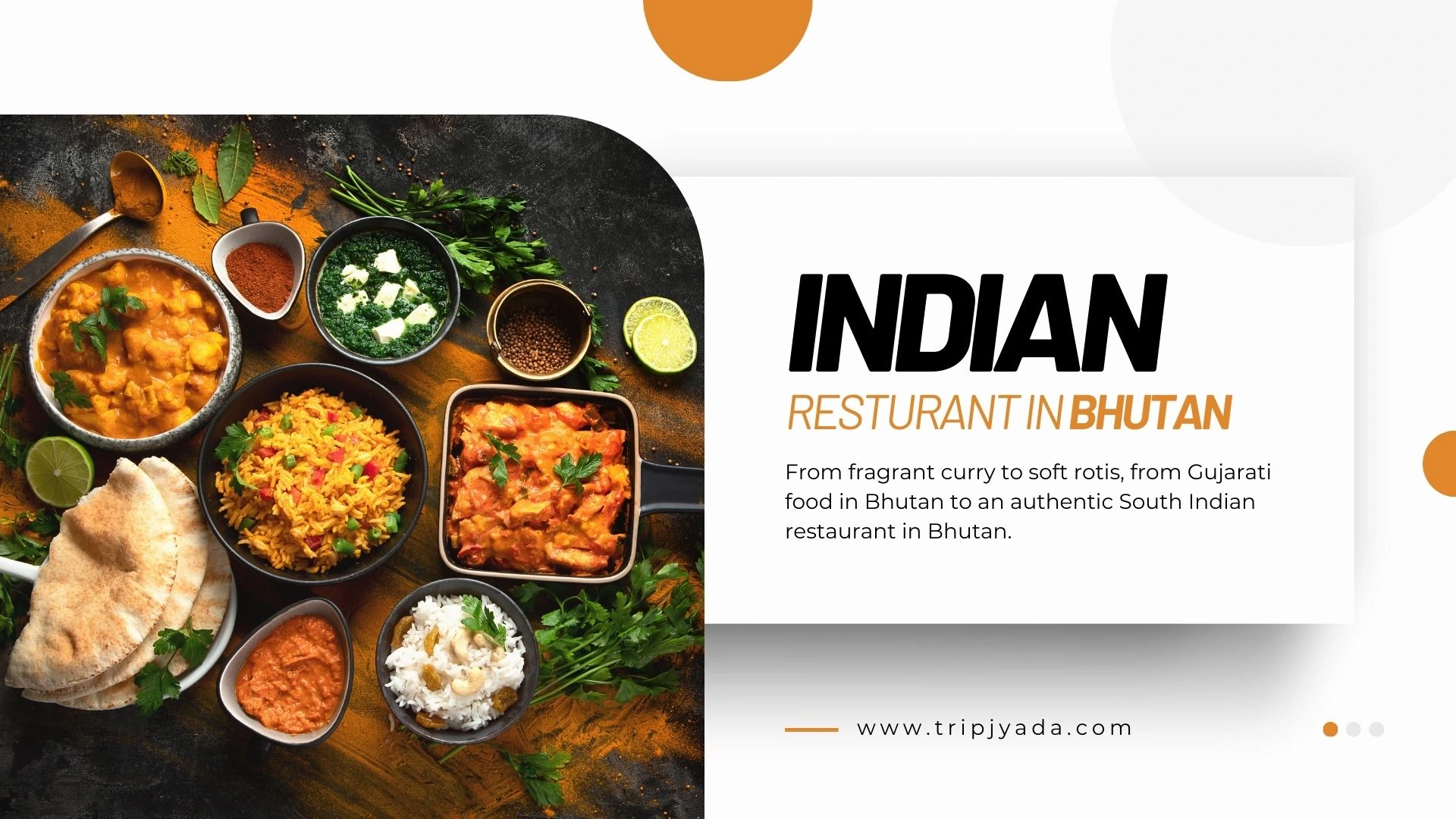
    If you are travelling to Bhutan and craving the taste of the house, you will be happy to know that finding an Indian restaurant in Bhutan is easy to do. From fragrant curry to soft rotis, from Gujarati food in Bhutan to an authentic South Indian restaurant in Bhutan, there is a lot to offer in the land of Thunder Dragon. Whether you’re searching for the best Indian restaurant in Thimphu, looking for pure vegetarian restaurants in Bhutan, or just typing “Indian restaurants”, this guide will help you search for tastes that you like.

    Why Indian Restaurants are popular in Bhutan

    Bhutan is famous for its diverse culture, and it shares geographical proximity with India. Every year, many visitors arrive here, and they simply want to try authentic Indian food. From a traditional Indian restaurant in Bhutan serving spicy curries to a cosy veg hotel in Bhutan, the options are varied and comforting.

    Top 5 Best Indian Restaurants in Bhutan

    The Park Restaurant

    Hotel Park Bhutan, a 3.5-star hotel in Phuentsholing, combines traditional Bhutanese attractions with modern features. It offers 32 comfortable rooms, a multiplication restaurant, Happy Hour, Fitness Centre, Free Wi-Fi and bar service. Guests can enjoy a honeymoon, anniversary and special package for birthdays. Located in front of Zangtopelri Park, it is within walking distance of the Bhutan Gate, the immigration office, and the city centre.

    Hotel Park Bhutan is a top choice. Its multi-cuisine restaurant serves traditional Indian dishes, South Indian favorites, and pure veg options, making it ideal for vegetarians and those seeking Jain food in Bhutan. You can also enjoy Gujarati food in Bhutan, like dhokla, thepla, and dal thalis.

    Location: Hotel Park, Phuentsholing
    Cost for two: INR 1800
    TripAdvisor Rating: 4.5/5

    Masala Junction( Sinchula Indian cuisine)

    For travellers who are seeking authentic Indian cuisine in Thimphu, Masala Junction (Sinchula Indian Cuisine) is the best choice. Located at Phendey Lam, Hong Kong Market, near Sangay Enterprise. This restaurant offers a diverse range of dishes that cater to both vegetarian and non-vegetarian preferences. From dosas and traditional Indian curries like koftas and aloo sabzi to accompaniments like onion pakoras and masala chai. The menu is extensive and flavorful. The service is so fast, and the ambience is warm and cosy, making it a perfect spot for a hearty meal with friends and family. Whether you’re searching for the best Indian restaurant in Bhutan or an Indian restaurant near you, Masala Junction delivers flavorful meals in a comfortable setting.

    Best Indian Resturant in Bhutan

    Location: Phendey Lam, Hong Kong Market, Near Sangay Enterprise, Thimphu, Bhutan
    Cost for two: INR 1800
    TripAdvisor Rating: 4.5/5

    Chh’a Bistro & Bar

    Thimphu is a standout option for travellers looking to combine an authentic Bhutanese environment with Indian tastes. Located in Changzamtok. This attractive place is a fusion of Indian, Bhutanese, Chinese and other Asian cuisines.  Motorbike-theme ambience makes it more stylish and cool. The menu embraces vegetarian options, serves international food and fresh beverages as well as Bhutanese specialities such as EMA Datshi. Travellers especially love exterior seating made of motorcycle parts.

    Best Indian Resturant in Bhutan

    Location: Changzamtog, Thimphu
    Cost for two: 1200
    TripAdvisor Rating: 4.5/5

    Ghasel

    Ghasel, one of Bhutan’s only Jain restaurants, is a tourist favourite for traditional Gujarati cuisine. Here, you can have a vegan or vegetarian dinner in the shape of a Thali or a la carte. You can order their veg curry, dal makhni, fried rice, chana masala, and other items without worrying about quality or amount. The restaurant is reasonably priced, and the food is the best in the country. After all, this is one of Bhutan’s only pure vegetarian eateries!

    Location:  Norzin Lam, Thimphu
    Cost for two: 1200
    TripAdvisor Rating: 3.5/5

    Bukhari

    This is one of the top Indian restaurants in Punakha, Nepal, where you can enjoy excellent dinners. The cook here puts up the most delicious dishes without moving an inch. You’ll be astonished by the quality and variety of the foods available here. This elegant restaurant serves healthy, wholesome, and flavourful cuisine that skillfully blends Bhutanese, Indian, and international dishes, often crafted from seasonal, locally sourced produce such as red rice, farm cheeses, buckwheat flour, wildflower honey, and freshly churned butter. If you are a vegetarian, the restaurant offers a variety of foods to satisfy your desire.

    Best Indian Resturant in Bhutan

    Location:  Uma Punakha, Punakha
    Cost for two: 1800
    TripAdvisor Rating: 5/5

    Tips for Finding the Best Indian Restaurant in Bhutan

    • Check the online menu: Look at the Indian restaurant Bhutan’s menu on platforms to ensure that they provide your favourite dishes.
    • Location case: If you are in Thimphu, search for the best Indian restaurant in Thimphu near Clock Tower Square or Norzin Lam.
    • Vegetarian Options: For pure vegetarian restaurants in Bhutan, confirm the availability of Jain food in Bhutan or Vegetarian recipes before leaving home.
    • Reservation: Popular spots like Chha Bistro and Bar can be busy, so book in advance, especially during the peak tourist season (March-May, September-November).

    Final Thoughts

    From the best Indian restaurant in Thimphu, like Chh’a Bistro & Bar, to the vegetarian haven of Hotel Ghasel, Bhutan’s Indian dining scene is vibrant and diverse. Whether you’re craving Gujarati food in Bhutan, Jain food in Bhutan, or South Indian delicacies, these restaurants deliver authentic flavours in a picturesque setting. Next time you’re in Bhutan and searching for an Indian restaurant near me, head to one of these top picks for a memorable culinary experience.

    Ready to explore Bhutan? Book our special Bhutan tour package now and indulge in the best Indian cuisine in Bhutan.


  • Tshechu Festival 2025: A Spiritual and Cultural Celebration in hills

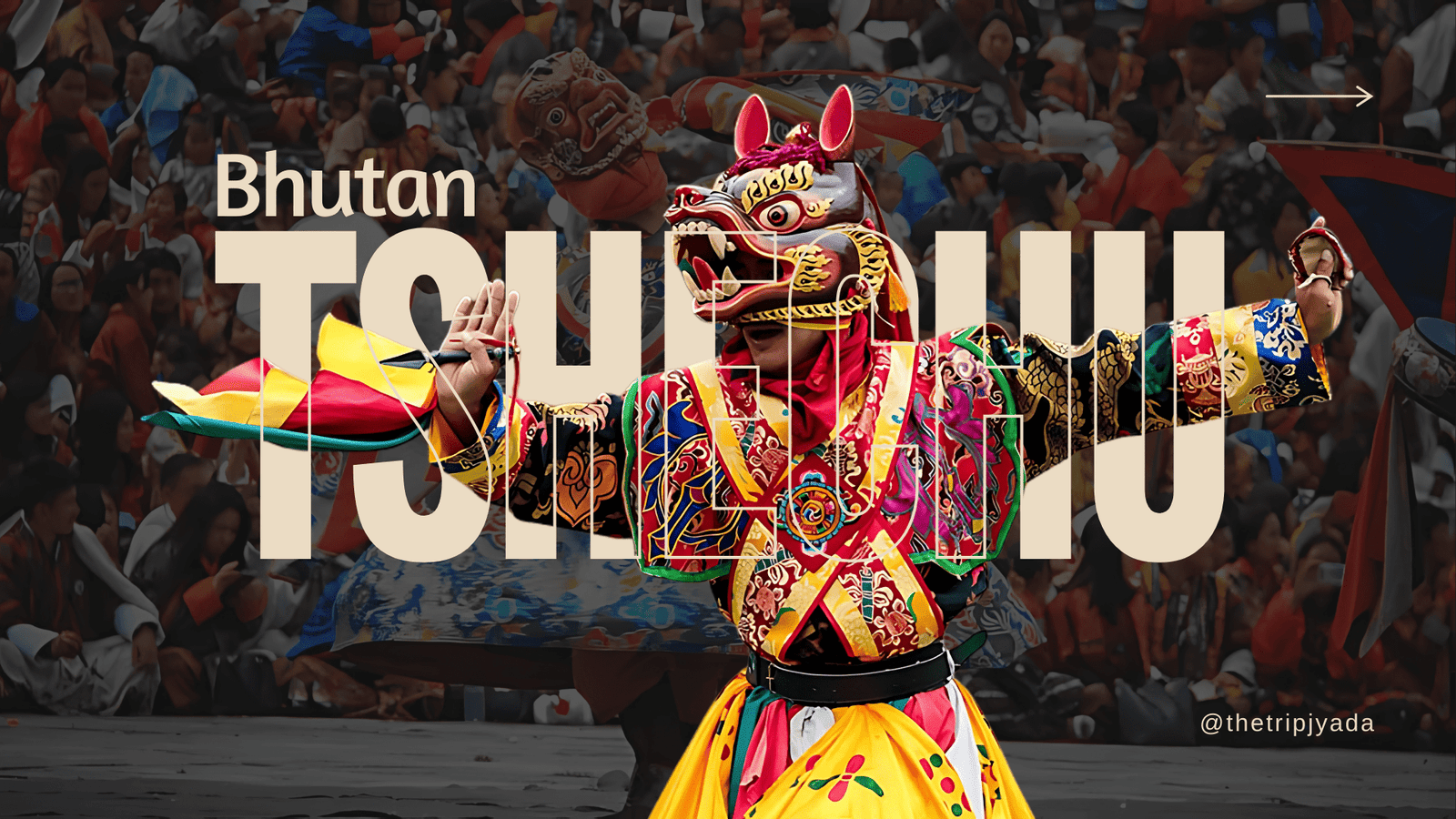
    Festivals represent the essence of a nation. To bring together festivals such as Diwali, Durga Puja, and Holi in India by brightening the environment with music, colours, and lights. Nonetheless, festivals in Bhutan possess an enigmatic essence as they relate to spirituality, age-old legends, and lively traditions. The Tshechu Festival is the most renowned celebration in Bhutan. If you are thinking about visiting Bhutan, the Tshechu Festival 2025 promises a memorable experience that brings history, culture and trust to life. 

    What is the Tshechu Festival?

    The word Tshechu means “tenth day” and this festival is celebrated 10th day of a lunar month of the Bhutanese calendar. This was in honour of Guru Rinpoche (Padmasambhava), a saint, who introduced Buddhism from Bhutan in the 8th century. While every district celebrates its own celebrations, the grandeur of Paro Tsachu in the spring and Thimphu Tsachu in the autumn attracts the largest crowd. Other regional programs such as Punakha Tsachu, Gangeti Tschu and Wangdue Tashchu.

    Crimson begins the holy cham dance in the courtyard as monks in Robes. These masked performances are not only in the theatre, but also in action. The dance of the Lords of the Cremation Grounds reminds the crowd of life’s fickleness, while the dance of the Black Hat magician controls evil spirits. The red-masked gestors, known as Etsaras, entertain the humour with holy in these serious moments, reminding everyone that happiness is also divine.

    At dawn on the final day, thousands of individuals assemble to witness the reveal of Thongdrol, a large sacred scroll depicting Guru Rinpoche. It is believed that everyone in the room receives blessings as golden threads capture the morning light. Devotees believe a single glance at the Thongdrol redeems sins and attracts good luck, with blessings that endure well beyond sunset.

    Major Tshechu Festivals 2025 in Bhutan

    Every valley of Bhutan beats with its own rhythm of Tshechu, yet each carries the same devotion to Guru Rinpoche. As you wander through the mountains, the festivals unfold like chapters of a living story.

    Paro Tshechu  – The Spring Awakening

    This Tsachu is one of the most famous celebrations of Bhutan, held in March or April. Paro Dzong’s courtyard is alive with holy cham dance, moving costumes and echoed beats of traditional drums. At dawn on the last day, the monks unveiled thongdrols on a large scale, a sacred silk painting, which blesses thousands of devotees collected from near and away. For many travellers, seeing this holy moment is the main attraction of their visit to Bhutan.

    Tshechu Festival

    Time to visit: Mar 29, 2026 – Apr 02, 2026

    Thimphu Tshechu – The Autumn Splendour

    Most of the important event in the history of Bhutan is the Thimphu Tshechu. This is held in honour of the famous religious figure Padmasambhava (aka Guru Rinpoche), often referred to as the ‘second Buddha’ by many. To participate to the best of their abilities, many of the attendees to the festivities wear ceremonial kiras & ghos, representative dress which show the identity & history of the nation of Bhutan. The The  Special honour is reserved for the Chams as the dances are the dances celebrated as the apex of happiness within the celebration and represent the crowning of love & peace for all.

    Time to visit: Oct 02, 2025 – Oct 04, 2025

    Punakha Tshechu  – Where History Lives

    It is the most valuable and most vibrant festival of Punakha. This festival shows the rich culture and tradition of Bhutan. Punakha Dzong hosts this three-day festival to honour Guru Rinpoche and commemorate Bhutan’s 17th-century military victory.The festival involves the dramatic revival of historical events with sacred rituals. Mo Chu Chu Chuch flows on either side of the fort with rivers.

    Tshechu Festival

    Time to visit: Feb 27, 2026 – Feb 28, 2026

    Gangtey Tshechu  – The Valley of Cranes

    Gangetey Tsachu is more spiritual and more intimate than other Tsachu festivals. Here you can see the main spirituality of Bhutanese rituals. Phobajika Valley, Winter House for Black Neck Crane, adds a unique attraction to the festival. Pilgrims, monks, and travellers gather in the Gangeti monastery to dance masks, which tell the stories of compassion, knowledge and the eternal dance of life. For nature and culture lovers, this festival mixes spirituality beautifully with the untouched beauty of Bhutan.

    Tshechu Festival

    Time to visit: Oct 05, 2025 – Oct 07, 2025

    Wangdue Tshechu  – The Festival of the People

    Wangdue Tsachu is often described as a festival of common people. Known for its lively community participation, it reflects the heart of Bhutani rural life. This festival is celebrated in honour of Guru Padmasambhava, who took Tantric Buddhism to Bhutan. This festival reflects the heart of Bhutanese rural life. The unveiling of the Thongdrol here deeply moves devotees, as they believe it cleanses all sins and grants blessings with a single glance. Unlike the grandeur of Thimphu or Paro, the Wangdue Tsachu Festival seems warm, welcoming and laughing.

    Tshechu Festival

    Time to visit: Sep 30, 2025 – Oct 02, 2025

    Talo Tshechu – Songs of the Hills

    Talo Tsachu is a three-day annual Buddhist festival held in the Talo Math. Above Punakha, the tranquil village of Talo bursts into life every spring. Talo Tsachu stands out for its deep spiritual atmosphere, intimate settings and beautiful performances. This festival carries the music soul with a mask dance filled with joy. For travellers, Talo Tsachu feels like stepping into a Bhutanese story, colourful, sweet and deeply spiritual.

    Time to visit: Mar 26, 2026 – Mar 28, 2026

    Druk Wangyel Tshechu – Dances Among the Clouds

    Druk Wangyel Tshechu is held in honour of His Excellency Jigme Singa Wangchuk and the Royal Bhutan Army for a successful military campaign. Dochula is surrounded by 108 Chartenses and Snow-Clad Himalayan peaks held at Dochula Pass, the Druk Wangial Tsachu is contrary to any other. Imagine a memorable mixture of history, devotion, and beauty because the monks dance holy cham while flowing on the mountains in the clouds.

    Tshechu Festival

    Time to visit: Dec 13, 2025

    Haa Spring Festival – A Celebration of Life

    One of the most vibrant ceremonies in this state is the Ha Spring Festival (in the east, Ha Summer Festival). It provides a unique insight into the annual program, Bhutani traditions, arts, and way of life, held in the picturesque Ha Valley. A hidden treasure of Bhutan is a spring festival, which brings life -colored facade dances, sacred rites and blooming valleys. Travellers can enjoy a real, uncontrolled Tshechu experience surrounded by the natural beauty of spring in the Trancuel Ha Valley, where residents celebrate culture and devotion.

    Tshechu Festival

    Time to visit: April 7, 2025 – April 9, 2025

    Jakar Tshechu – Heartbeat of Bumthang

    Jakar Tashchu is one of the most spiritual and culturally lively festivals of Bhutan. Conducted in Zakar Dazong, known as the “Fort of White Bird”, the three-day festival brings the local people and travellers together to celebrate faith, tradition and community through sacred dances and religious rituals. Town Vibrant wears clothes in keys and ghos, retailing the timeless legends of Bhutan as mask dancers. More than just one festival, Tsachu is a community program, where celebration and belief co -existence, such as SpringTime infects the mountains with new life.

    Time to visit: Oct 29, 2025 – Nov 01, 2025

    Kurjey Tshechu – The Sacred Imprint

    Kurjey Tsachu is a one-day festival. Monks usually hold it in Kurjey Lhakhang. It is a sacred monastery in the Bumthang Valley.This was the place where the Guru Ringpoche meditated and paid attention. The calm Bumthang Valley becomes a living tapestry of culture, spirituality and social celebration. Kurji Tsachu is more than a festival, it is a sacred reunion of faith and culture.

    Time to visit:  Jun 24, 2026

    Why Experience the Tshechu Festival 2025 in Bhutan?

    2025 Tshechu Festival is the discovery of the soul of Bhutan. The festival is a living exhibition of culture, from colourful textiles to exciting archery competitions. The holy cham dance atones for sins and grants the best blessings. Crimson Rob and a moving mask make ancient Dzongs everywhere a visual feast that you see. Nevertheless, Tshechu is more than a spectacle; It is a celebration of the community, where laughter, prayer and tradition basically mix. In every drug and dance, the festival keeps the past and current bridges, keeping the timeless heritage of Bhutan alive.

    The Last Drumbeat

    Tshechu Festival Bhutan 2025 exceeds a festival; It is a journey in the spiritual heart of Bhutan.

    Thimphu Tsachu Festival 2025 experiences the living traditions of Bhutan through the glory of 2025. The historical attraction of Punakha Tsho Festival 2025, or the calm beauty of the Gangte Tsachu Festival 2025. It is a means of preserving Bhutan’s own culture because masks, drum, and monks perform their sacred dances.

    Step in the rhythm of Bhutan with Tripjyada, and experience the Tsachu festival, a celebration of culture, belief, and pure Himalayan surprise, which will resonate in your memories forever.

  • Discover Historical places of Bhutan

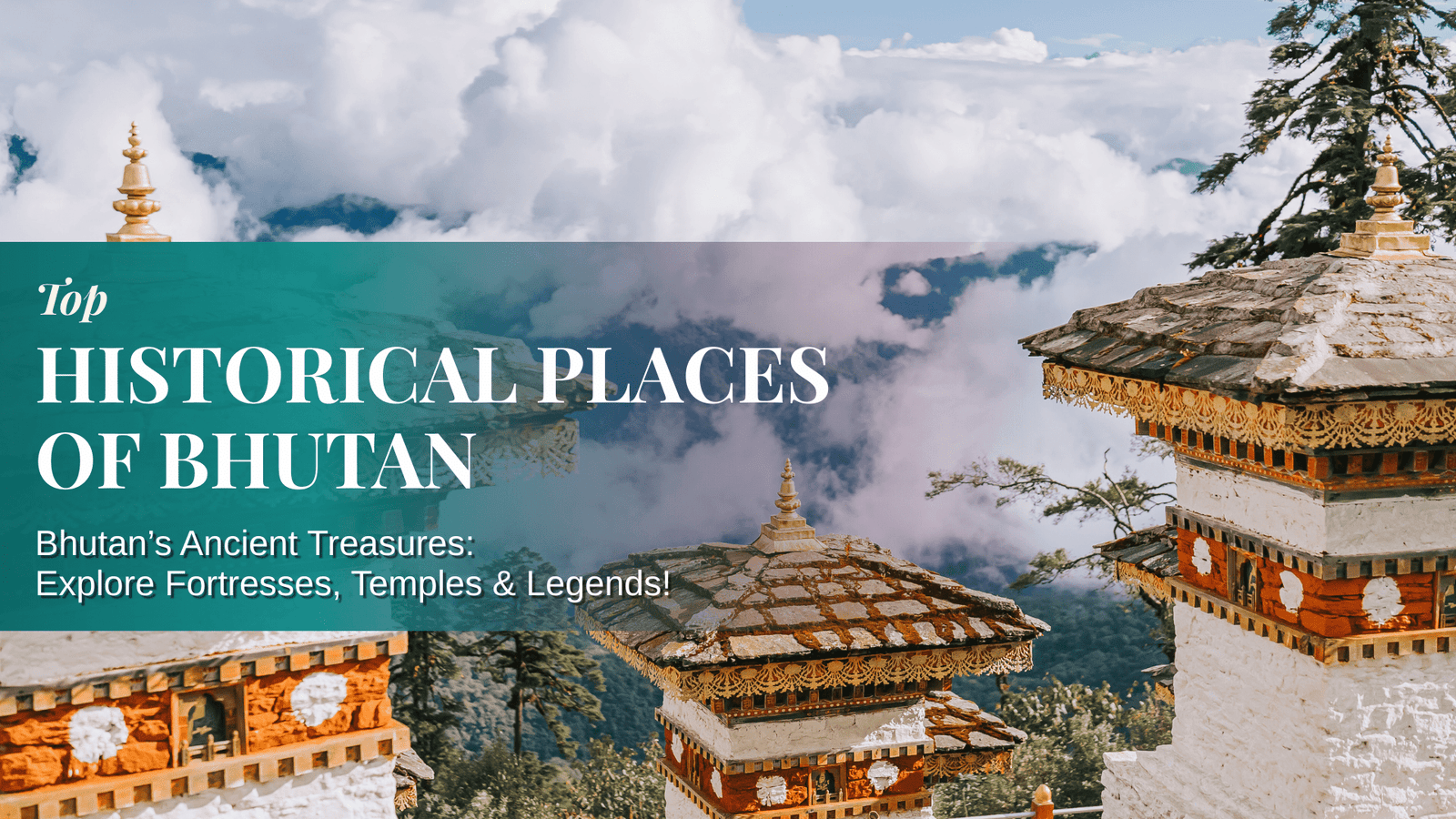
    Hidden deep in the lap of the Eastern Himalayas,  Bhutan is often called the “last Shangri-La”. This small state, stuck between India and China, is a land where snow-covered peaks protect the ancient fort, and the flags of prayer are in the air. Unlike any other destination, Bhutan has managed to preserve its traditions, culture and spirituality, making it a living museum of the past.

    The historical places of Bhutan provide access to timeless legends for tourists looking for more than just breathtaking scenery. These legends include kings who built a powerful fort. Monks who meditated in cliffed caves, and the festivals that continue to decorate the valleys with vivid hues. The discovery of historical places in Bhutan is more than just one trip. It is like entering a fictional world where there is a story to tell every stupa and stone.

    From the royal palaces to the spiritual retreats, there is a story to tell in every corner of Bhutan. Let’s explore the most attractive historical places of Bhutan.

    Paro Taktsang (Tiger’s Nest Monastery)

    Picture yourself at the edge of a gorge and gazing at a hermitage hovering over the mist. This is Paro Taktsang, which is considered the ‘jewel’ of Bhutan. A piece of local folklore says that Guru Rinpoche flew here on a tiger and came here to meditate in ultimate isolation. The monastery along the trail seems to call out to you as though it is expectant of your arrival.

    Historical places of bhutan

    Travel Tip: Start your day early in the morning, wear strong shoes, and take water. Photography is not allowed to enter, so let your eyes and heart be the camera, this is a memory that you want to keep forever.

    Punakha Dzong

    Imagine a magnificent castle situated at the convergence of two rivers, surrounded by jacaranda trees that flourish with purple blossoms in spring. The whispers of ancient prayers seem to float through the river breeze as you walk across its wooden bridge, brushing your fingers against its whitewashed walls.

    Historical places of bhutan

    Punakha Dzong has hosted Bhutan’s most important events, such as the 1907 coronation of the first king and, more recently, King Jigme Khesar Namgyel Wangchuck’s royal wedding in 2011. In springtime, the sight is almost enchanting as lilac jacaranda trees blossom abundantly, adding a whimsical splash of colour to the fortress’s timeless elegance. 

    Travel Tip: Time your visit with the Punakha Tshechu festival, you’ll witness masked dances, vibrant costumes, and centuries-old traditions that bring the fortress to life.

    Trongsa Dzong

    As we go deep in Bhutan, Tongsa Dzong appears like a guardian spread across a ridge, which looks at the valleys. It is the largest fort in Bhutan and the ancestral home of its royal family. Imagine young princes to undergo these courtyards, preparing their fate as Kings. Standing here, surrounded by layers of history, you feel like the walls themselves are storytellers. It is like travelling back in time when you are walking through the Dzong. It has twenty-three temples and temples, all are echoing with centuries-old customs, murals and mantras.

    Historical places of bhutan

    However, its royal connection adds even more importance – all the kings of Bhutan served as Tongsa Penlop (Governor) before taking the throne here.

    Trongsa Dzong, an attractive museum that was the east, was located directly above the fort. Remain, royal artefacts, and demonstrate that the political and spiritual past of Bhutan can be clearly depicted.

    Travel Tip:  On a quiet day, simply standing on the dzong’s terraces and gazing at the sweeping valley views is an unforgettable experience.

    Rinpung Dzong (Paro Dzong)

    Overlooking the Paro Valley, Rinpung Dzong is not just a fort but a cultural treasure. Every spring, it turns into a platform for the vibrant Paro Tsachu Festival. The centuries of old traditions are filled with wind, mantras, dances and colours. Dzong’s white walls and finely carved wooden work immediately attract your attention when you get closer.

    The quiet cadence of monastic life, traditional paintings, and vibrant murals fill the interior courtyards. It is a symbol of Bhutan’s culture to include spirituality in daily rule by acting as both a monastery and an administrative centre. Rinpung Dzong stands in the centre of the Paro Valley, which is beautifully known as “a fort on a jewellery pile”. Built in 1644, this magnificent Dzong is not just a fort. It is a living symbol of the mixture of rule, religion and artistry of Bhutan.

    Historical places of bhutan

    Travel Tip: Plan your journey during the Paro Tsachu festival to enjoy your vibrant cultural ceremonies while visiting Rinpung Dajong, and if possible, if possible.

    Jambay Lhakhang

    One of the oldest and holiest temples in Bhutan in the Seren Bamthang Valley is Jamba Lhakhang. Built in the 7th century by Tibetan King Geets Gampo. It is said that it is one of the 108 temples he built in the Himalayas. To pin a demon who was blocking the spread of Buddhism.

    Historical places of bhutan

    Its historical corridor is full of murals, artefacts and a permanent devotion that appeals to both pilgrims and tourists. The temple actually comes into life in October or November when the Jambe Lakhng Drup Festival takes place. Traditional performances and fire lights at night create a memorable cultural experience.

    Travel Tip: Combine your visit with nearby Kurjey Lhakhang, another sacred site closely connected to Guru Rinpoche.

    Tashichho Dzong

    Tashichho Dzong is in the middle of the capital city of Bhutan and its the most praised fortress in Thimphu for merging the old and the new architecture. The first was built in 1641 and was later re -reorganised in the 1950s. It is used by the government for the offices and is also used for the summer by the Bhutan monastic body.

    Historical places of bhutan

    The relocating city is enthralling and one can appreciate its marvelous courtyards. Wrap around its spacious innards, and the orderly greenery of the gardens, artworks of tranquility formed by the coy Thimphu stream and the sprawling city, await inside. The Tashicho Dzong Thimphu comes alive, and the city becomes the capital of merriment in fall during the Tshechu festival.  It is this time Bhutan’s rich cultural heritage bursts majestically into life through traditional ritualistic dances, music, and gaiety of celebrations.

    Travel Tip: Don’t miss neighbouring cultural sites like the National Memorial Church, and go to see Dazong enlightened in the evening.

    Why Visit Historical places of bhutan?

    The historical places of Bhutan are alive with the spiritual and cultural heritage of the country, not only the famous places. Each place offers a separate window into Bhutan, and currently, a separate window, from the royal grandeur of Punaka Dzong to the cool cliffside settings of Paro Taktsang. These historically important sites, surrounded by amazing scenes. Allow visitors to connect with a culture that prefers spirituality, protection and balance with the natural world. The historical treasures of Bhutan provide a wonderful experience for anyone interested in history, spirituality or adventure.

    Ready to discover the land of the Thunder Dragon? Start your Bhutan trip with tripjyada and explore its most enchanting historical places. Check out our best Bhutan tour packages and make your next tour plan.


  • The Underrated Cultural Gem of Thimphu: Simply Bhutan

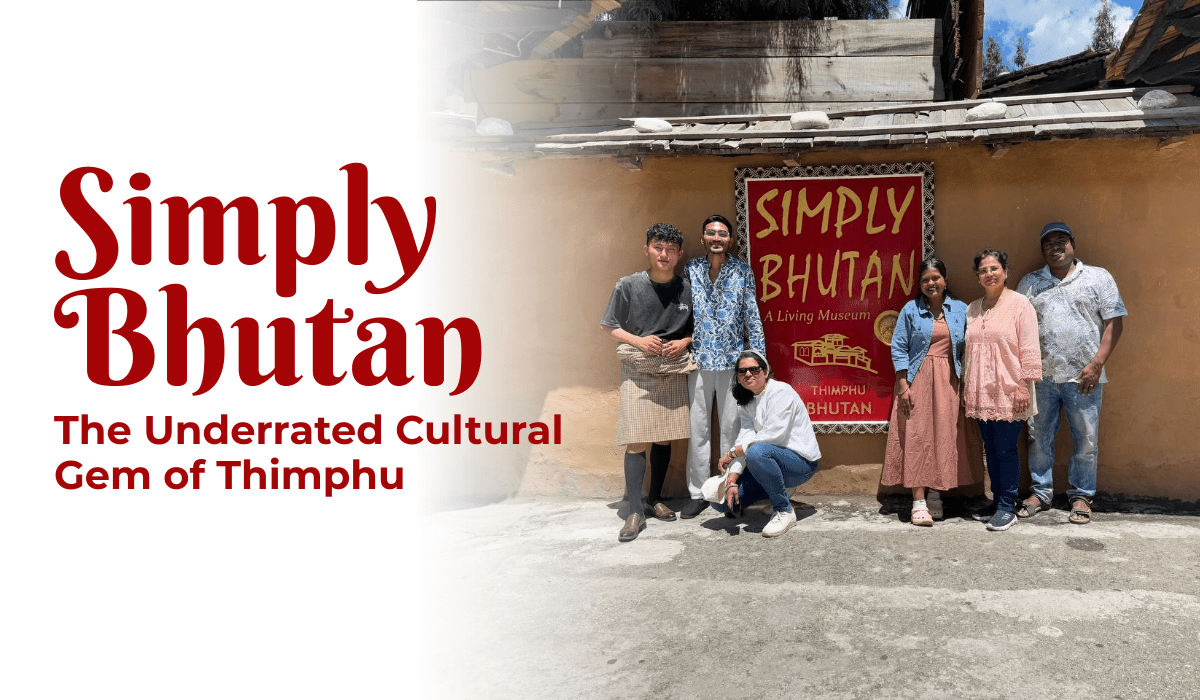
    Tucked away in the heart of Bhutan’s capital is a site that many visitors miss, but it contains the soul of the country. The Simply Bhutan Museum in Thimphu is more than a Underrated Cultural Gem of Thimphu, it’s a portal to the country’s rich traditions, welcoming hospitality, and ageless architecture. While most tourists flock to the towering dzongs or famed monasteries, few realize that the Simply Bhutan Museum in Thimphu provides a more personal, living, breathing experience of Bhutanese culture.

    When you go through its historic gates, you’re not just visiting an attraction, you’re establishing a story. Friendly local youngsters educated in historical crafts welcome you with music, laughing, and warm smiles. From spinning prayer wheels to tasting ema datshi. Every part of the Simply Bhutan Museum the Underrated Cultural Gem of Thimphu allows you to touch, taste, and experience Bhutan.

    If you want something authentic, raw, and rooted, this is a underappreciated gem. Where Bhutan exposes itself in its most plain, lovely form.

    Why Simply Bhutan is Underrated Cultural Gem of Thimphu

    Despite its rich cultural offerings, the Simply Bhutan Museum in Thimphu is generally overlooked on most travel itineraries. Many visitors focus on Bhutan’s towering monasteries and renowned dzongs, mistakenly ignoring this beautiful cultural hub. But that’s precisely what makes Simply Bhutan so unique: it’s a hidden gem waiting to be discovered.

    Unlike larger attractions, the Simply Bhutan Museum in Thimphu is intended to be interactive and accessible. It is ideal for people with limited time or families traveling with children. For only 300 Nu (about $3.50 USD), this hands-on museum provides great value. A cost-effective opportunity to explore Bhutanese culture, music, art, and food all in one location.

    Yes, some Simply Bhutan reviews say that it feels a little “touristy” or that the room is limited. But that criticism misses the point. Simply put, Bhutan isn’t aiming to compete with fortress-scale museums. Instead, it offers a personalized, crafted experience that captures the spirit of Bhutan in only a few hours. With enthusiastic staff, fascinating displays, and a purpose to inspire local kids, the Simply Bhutan Museum in Thimphu provides more than just a tour; it tells a tale worth remembering.

    Why Visit the Simply Bhutan Museum?

    The Simply Bhutan Museum in Thimphu is more than a collection of relics. It’s an experience that allows visitors to completely immerse themselves in Bhutan’s culture. The museum, built in the manner of a traditional Bhutanese village with rammed earth and wood, provides visitors a true sense of how people used to live.

    One of the highlights of visiting the Simply Bhutan Museum in Thimphu is the opportunity to participate in activities. You can practice archery, learn wood carving, and even dress up in traditional Bhutanese attire for amusing photos. The Simply Bhutan restaurant also serves great native food, which enhances the experience.

    The museum employs many young locals who have been trained in traditional trades. They relate stories, demonstrate how items are manufactured, and make the experience feel welcoming and intimate. If you want to learn about Bhutan in a fun and engaging way, the Simply Bhutan Museum in Thimphu is an excellent choice.

    Timing of Underrated Cultural Gem of Thimphu

    • Opening Hours: 9:00 AM to 5:00 PM (Monday to Saturday)

    • Closed on: Sundays and Public Holidays

    For the best experience, plan your visit in the morning when it’s less crowded and staff can offer more personal attention.

    Keep in mind, Simply Bhutan timing may change during festivals or winter months, so it’s a good idea to confirm before you go.

    Simply Bhutan Entry Fee and Ticket Information

    • Ticket Price for Tourists: Approx. Nu 300–500 (₹300–₹500 in INR.). A small price for an immersive cultural experience, including live demos, food, and local crafts.

    •  SAARC Nationals: Enjoy discounted entry rates if you’re from a SAARC country, perfect for regional travelers on a budget.

    •  On-the-Spot Tickets: No need to pre-book. Tickets are easily available at the museum gate, just show up and start exploring.

    •  Included in Tour Packages: Booking a Simply Bhutan tour or joining a Bhutan group tour? Great news, entry to the museum is often included in your itinerary at no extra cost.

    •  Bonus Tip: Despite its low price, the museum offers high-value experiences, from archery and traditional crafts to trying on Bhutanese attire and enjoying local cuisine.


    Explore Bhutan the right way with us

    While the Simply Bhutan Museum in Thimphu provides an insight into the heart of Bhutanese culture, the adventure is even more memorable when shared with the proper travel companion. This is when Tripjyada comes in.

    Tripjyada does more than just design vacations; we also tell tales, link you with locals, and ensure that every moment feels personal. Whether it’s a calm monastery visit in Paro, a sunrise walk in Punakha, or a cultural stop at Simply Bhutan, we’ve got you covered so you can travel stress-free and totally immersed.

    Why choose Tripjyada?

    • Local Expertise: We specialize in the Northeast and Bhutan region, working directly with local guides and communities.

    • Custom Group Tours: Whether you’re a frequent traveler, couple, or part of a group, we tailor experiences to fit your pace and interests.

    • Affordable, Transparent Pricing: No hidden charges just honest travel, real connections, and unforgettable memories.

    • Trusted by Thousands: From students to honeymooners, our travelers come back not just with photos, but with stories worth telling.(Also read: Romantic Hill Stations in Northeast India for Honeymoon Couples)

    So, when organizing your Bhutan group vacation, leave nothing to chance. Allow Tripjyada to guide the way, with skilled planning, genuine hospitality, and a profound appreciation for the places we call home.

    Your journey to Bhutan demands a knowledgeable guide.
    Choose Tripjyada, where traveling feels like belonging.


  • The Rise of Group Tours to Bhutan in 2025- Here Why You Should Join In

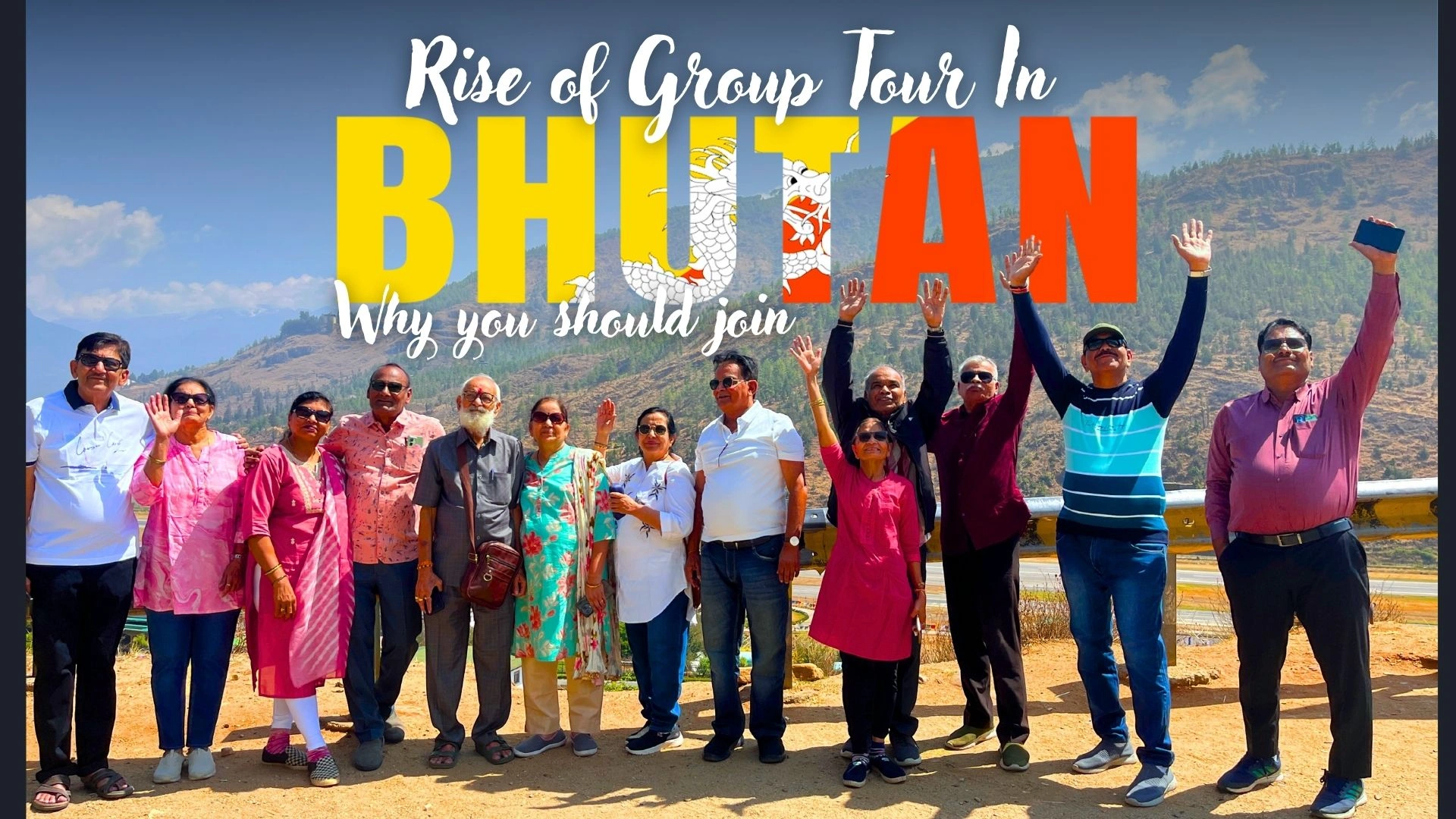
    Bhutan, the mystical Himalayan kingdom, invites travellers for the Bhutan Group Tour 2025. From rich culture and spiritual depth to eco-conscious travel, it offers a one-of-a-kind experience. With pleasant Bhutan weather throughout most of the year, exploring its valleys and monasteries becomes even more enjoyable.

    A definite trend beginning to take shape this year: Group Tours to Bhutan are becoming the preferred choice of travel, and it’s easy to see why. So, if you’re a solo traveller or a group of friends who are looking for a safe and budget-friendly way to explore this amazing land, Tripjyada’s fixed departure Bhutan group tours are now offering the best way to travel Bhutan.

    Why Are Group Tours to Bhutan Trending in 2025?

    1. Simplified Travel in a Controlled Tourism Country

    Tourism is tightly controlled in Bhutan in order to preserve its culture and environment. Which means tourists must have permits, guides, and meet daily minimum spending requirements. Travelling as a group makes life much easier; permits, logistics, and official formalities are taken care of for you.

    1. More Affordable Than Solo Travel

    With Bhutan’s sustainable development fee (SDF) and fixed rates for guides and hotels, solo trips can be expensive. It’s also more cost-effective, as you split major travel expenses without compromising comfort.

    1. Travel in Comfort & Safety

    Travelling solo in a foreign country, however, can feel overwhelming for new travellers. Plus, there are the advantages of prearranged hotels, private vehicles, and a seasoned local guide who takes the lead.

    1. Connect With Like-Minded Travellers

    The best part? You have the opportunity to share your journey with people of similar interests and make new friends along the way . Tell stories and create memories, and have the opportunity to make long-lasting friendships with other travellers on the same journey

    1. Curated Local Experiences

    With Tripjyada, one can do more than just sightseeing. We prioritise making even the smallest moments memorable, whether you are feasting on authentic
Bhutanese cuisine, hiking to monasteries, or shopping in local markets or participating in cultural exchanges.


    7-Day Detailed Bhutan Group Tour Itinerary with Tripjyada

    Here’s what a typical Tripjyada Bhutan Group Tour looks like — thoughtfully designed to balance exploration, culture, and leisure.

    Day 1: Arrival – Bagdogra to Phuentsholing

    • Meet our team at Bagdogra Airport
    • Private transfer to Phuentsholing (Bhutan’s border town)
    • Group introductions and overnight stay


    Day 2: Phuentsholing to Thimphu

    • The immigration and permit formalities (handled by our team)
    • Scenic drive to Thimphu, Bhutan’s charming capital
    • Check-in, group dinner, and evening leisure time


    Day 3: Thimphu → Punakha Day Trip → Return to Thimphu

    • Drive via Dochula Pass (stunning Himalayan views)
    • Explore the majestic Punakha Dzong and Suspension Bridge
    • Visit Chimi Lhakhang (Fertility Temple)
    • Return to Thimphu by evening


    Day 4: Thimphu Sightseeing → Transfer to Paro

    • Visit Buddha Dordenma, Memorial Chorten & local crafts market
    • Afternoon drive to Paro, one of Bhutan’s most scenic towns
    • Check in and relax


    Day 5: Paro – Hike to Tiger’s Nest Monastery


    Day 6: Paro Sightseeing → Return to Phuentsholing

    • Explore Paro Dzong, National Museum & Kichu Lhakhang
    • Drive back to Phuentsholing for an overnight stay


    Day 7: Phuentsholing to Bagdogra Drop

    • After breakfast, depart for Bagdogra with a heart full of memories.

    Read More… Places to visit in Bhutan

    Upcoming Group Tour Dates for 2025

    If Bhutan is on your bucket list, this is the perfect time to join one of our fixed departure group tours. Seats are limited for each batch, and we recommend booking early.

    Scheduled Departures:

    • 13th August 2025
    • 4th September 2025
    • 1st October 2025
    • 16th October 2025
    • 25th December 2025 (Christmas Special)

    Book your Bhutan Group Tour Here>>>

    What’s Included in the Package?

    • 3-star hotel stays
    • Daily breakfast & dinner (on Bhutan days)
    • Private vehicle transfers
    • Bhutan permits, SDF & entry fees
    • Local guide + group leader
    • Tiger’s Nest trek support
    • 24/7 on-ground assistance

    How do you join a Bhutan Group Tour 2025 with Tripjyada?

    Joining is simple and fast. Just follow these steps:

    1. Visit https://cms-staging.tripjyada.com/bhutan-backpacking-trip/
    2. Please fill out the inquiry form or message us directly
    3. Our team will get in touch to share the full itinerary, pricing, and booking details

     Or message us directly on Instagram for quicker assistance. 

    Read More…Budget-Friendly Sikkim Tour Packages for Couples

    Travelling to Bhutan in a group isn’t just practical, it’s transformational. You get the support of expert travel planners, a handpicked itinerary, and a chance to experience Bhutan beyond just the tourist spots.

    Whether it’s your first international trip or your tenth Himalayan adventure, Tripjyada’s group tour to Bhutan is designed to give you comfort, community, and culture, all wrapped in one unforgettable journey.

    Check out our other tour packages for your next trip.

    Ready to hike the iconic Tiger’s Nest with like-minded travellers? This group trip is your chance.

  • Bhutan Beckons: Your Ultimate Travel Guide for First-Time Visitors

    Bhutan Beckons: Your Ultimate Travel Guide for First-Time Visitors

    Have you ever wondered what it would be like to visit a kingdom where tradition and spirituality are still deeply woven into everyday life? Welcome to Bhutan, a hidden gem in the Himalayas. For first-time travellers, Bhutan offers an extraordinary experience that blends natural beauty, ancient culture, and unparalleled peace. This guide will cover everything you need to know before starting your adventure to Bhutan.

    Getting  a Visa for Bhutan

    To enter Bhutan, you must arrange a visa through a licensed tour operator unless you’re from India, Bangladesh, or the Maldives. The visa is issued as part of a daily tourism package. This includes everything from accommodation to meals, transport, and guides. This all-inclusive fee ensures a stress-free trip while helping preserve Bhutan’s unique environment and culture.

    For Indian, Bangladeshi, and Maldivian visitors, there’s no need for a visa, just carry a valid passport or a voter ID.

    When to Visit Bhutan

    Choosing the right time to visit Bhutan can significantly enhance your experience. The best time to travel to Bhutan is spring (March to May) and autumn (September to November). Spring offers blooming flowers and clear skies, while autumn is known for its colourful festivals, including the world-renowned Thimphu Tshechu.

    If you’re seeking tranquillity and love snow-covered landscapes, December to February is ideal for a winter escape. The monsoon season (June to August) isn’t as popular with tourists, but it’s a wonderful time for those who enjoy lush green scenery and quietude.

    Top Bhutan Travel Highlights

    Bhutan’s mix of cultural heritage and natural wonders makes it an exciting destination for any traveller. Here are some of the top places to visit in Bhutan for first-timers:

    • Tiger’s Nest Monastery (Paro Taktsang): Arguably Bhutan’s most famous landmark, this monastery sits dramatically on the edge of a cliff, overlooking the Paro Valley. The hike up to the monastery is challenging but highly rewarding.
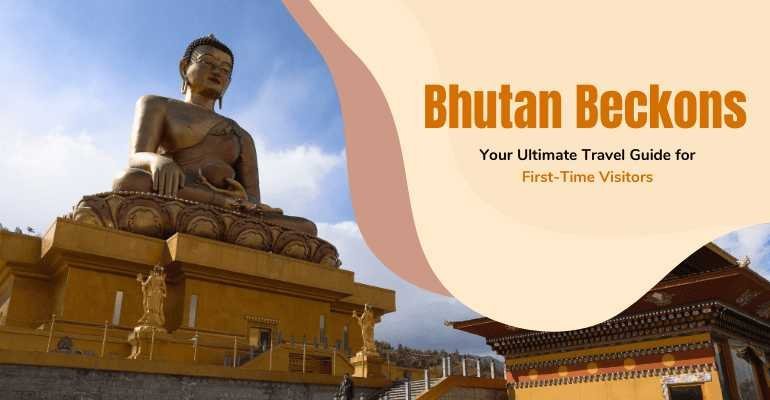
    • Thimphu: Bhutan’s capital city is a must-visit for anyone interested in modern Bhutanese culture. Explore the Buddha Dordenma, a gigantic Buddha statue, and spend time in Tashichho Dzong, the seat of Bhutan’s government.
    • Phobjikha Valley: Nestled in the Black Mountains, this picturesque valley is home to the endangered Black-necked cranes that migrate here every winter.
    • Punakha: Famous for the beautiful Punakha Dzong, this city was once the capital of Bhutan and remains an important spiritual and cultural hub.

    Authentic Bhutanese Experiences You Ca n’t-Miss

    A visit to Bhutan isn’t complete without diving into the local culture. Bhutan is known for its dedication to Gross National Happiness. A unique philosophy that emphasises the well-being of its people over material wealth.

    For adventure lovers, trekking is a must. The Jomolhari Trek offers awe-inspiring views of the Himalayan peaks and is perfect for those seeking a more intense trekking experience. Bhutanese cuisine is also a highlight of any trip. Don’t miss Ema Datshi, the national dish made of chilli and cheese, and traditional Bhutanese hot stone baths, which are a relaxing treat after a day of exploring.

    Bhutan: The Perfect Destination for Your Next Adventure

    If you’re looking for a destination that offers more than just sightseeing, Bhutan is the place to be. With its breathtaking landscapes, vibrant festivals, and deep spiritual roots, Bhutan has something for every kind of traveller. First-time visitors to Bhutan will find themselves immersed in a world that feels like it’s been untouched by time. Prepare for an incredible journey by packing your bags.