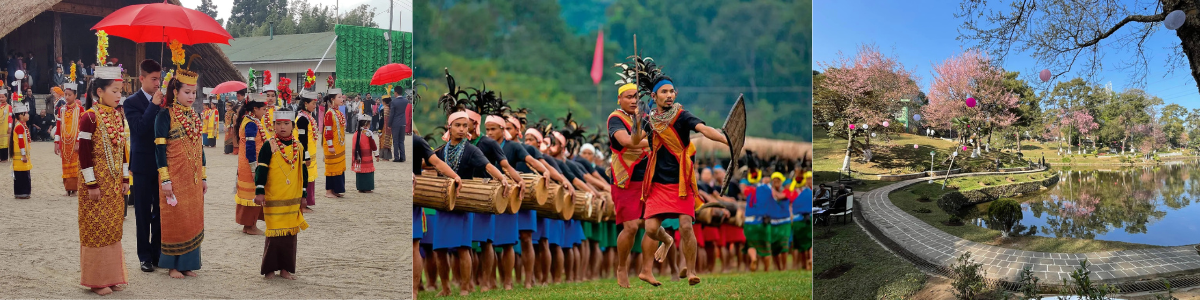
Tripjyada CMS Staging

Tag: Best Time to Visit Meghalaya

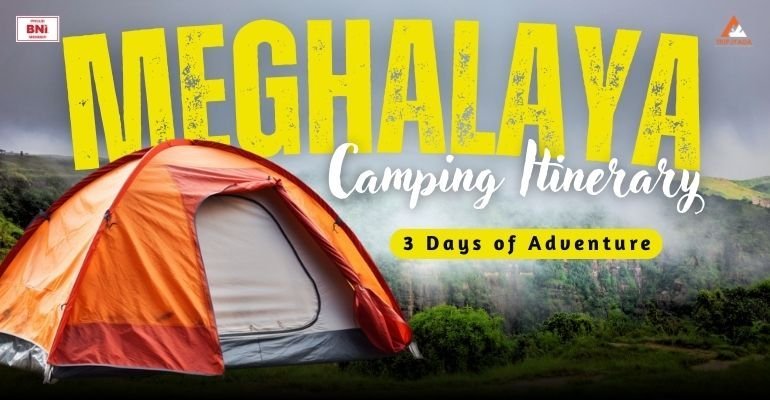
  • Meghalaya Camping Itinerary – 3 Days of Adventure

    This Meghalaya camping itinerary is your invitation to hold your backpack, leave your laptop behind, and step into the raw forest of Meghalaya. Imagine waking up to the sound of a waterfall, hiking through untouched forests, watching the night sky, and sharing stories around a bonfire. A Meghalaya camp isn’t just a trip — it’s a raw adventure, unfiltered nature, and an experience that leaves you with unforgettable memories.

    If you’re craving a break from digital noise, this 3-day Meghalaya camping itinerary takes you deep into caves, forests, and rivers, where adventure and peace go hand in hand.

    Meghalaya Camping Itinerary at a Glance

    DayFocusHighlights
    Day 1Arrival & ImmersionScenic drive, campsite setup, bonfire evening
    Day 2The Adrenaline DayTrekking, caving, river-crossing, cliff-jumping
    Day 3Chill, Explore & FarewellSunrise walk, local markets, reflection

    Day 1: Arrival & Immersion Into the Wild

    Land at Shillong or Guwahati, the nearest hub for your Meghalaya camp. The road trip itself winds through mountain roads, lush valleys, and roadside tea stalls.

    By noon, reach your campsite, riverside, cliffside, or deep inside a forest, and feel the freshness of the wild northeastern air and crystal-clear water.

    • Set up your tent and settle into your surroundings
    • Sketch out the next day’s trekking plan
    • As night falls, gather around a bonfire with your group, enjoy some beverages, and let acoustic music and storytelling take over

    Reminder: always carry your waste back with you.

    Day 2: The Adrenaline Day

    Wake up early with your trip backpack ready, and set off to uncover Meghalaya’s hidden treasures — waterfalls, natural caves, and jungle trails.

    Pick your thrill for the day:

    • Caving through natural limestone formations
    • River-crossing
    • Cliff-jumping
    • Ziplining, available at some adventure hubs

    Along the way, spend time with local communities and tribes, and learn about their culture and stories.

    Safety tip: Adventure with caution, but don’t kill the thrill.

    Day 3: Chill, Explore & Farewell

    Start the day with a peaceful sunrise walk, a quiet way to reset before returning to regular life.

    Explore local markets for bamboo handicrafts, vibrant fabrics, and Meghalaya’s street food. Spend time soaking in the local lifestyle; its simplicity and warmth stand in beautiful contrast to the raw wilderness you’ve just explored.

    Before you leave, take a moment to reflect: three days in the wild can feel more refreshing than three months of city rush. If Meghalaya has made you fall in love with camping, Arunachal Pradesh offers an even rawer, wilder escape for your next trip.

    Essential Hacks for Your Meghalaya Camping Itinerary

    Backpack Checklist

    • Lightweight tent & sleeping bag
    • Sturdy trekking shoes
    • Reusable water bottle & energy snacks
    • Torchlight/headlamp
    • Travel backpack with waterproof cover
    • Personal medical kit
    • Power bank & minimal gadgets

    Best Season to Camp

    • October to April: clear skies, full waterfalls, and cool, pleasant weather, ideal for trekking, sightseeing, and stargazing
    • Avoid June–September: heavy monsoon rains make trails slippery

    Safety & Eco-Friendly Tips

    • Don’t litter — carry your waste back
    • Always trek in groups with a guide on unfamiliar trails
    • Respect local people, culture, and traditions
    • Switch off your phone often and connect with nature instead

    Final Thoughts

    A Meghalaya camping trip is for anyone who craves raw adventure, where forests, waterfalls, caves, and the night sky become your companions. These three days aren’t about luxury, they’re about living unfiltered moments in nature’s lap.

    So next time you feel trapped by deadlines and digital noise, pack your bags and let Meghalaya remind you what freedom feels like.

    Our North East tour packages are built for travellers who want more than sightseeing and think camping by waterfalls, cosy homestays, and raw adventures. With our own Northeast Cab, getting around is easy: friendly local drivers, comfortable rides, and zero travel stress.

    Pack light and we’ll handle the rest. Your Northeast adventure starts with Tripjyada.

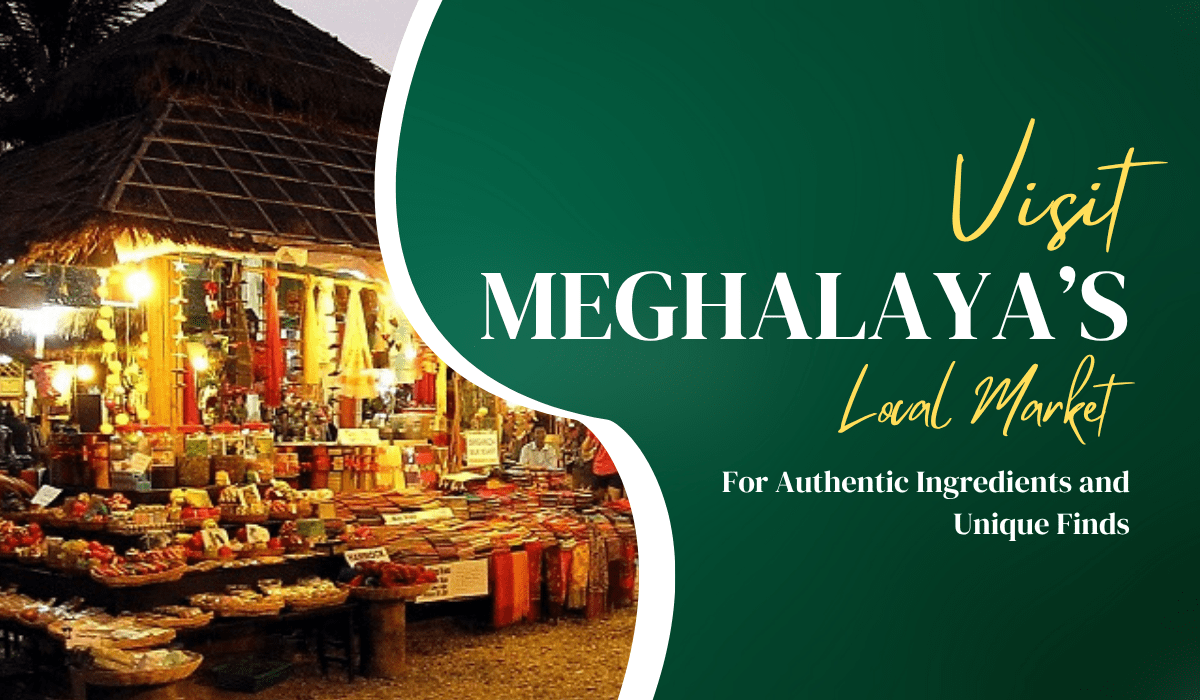
  • Exploring Local Markets in Meghalaya for Authentic and Unique Ingredients


    Shopping in Shillong, Meghalaya, seems like a journey as you travel through the tranquil, friendly streets. Local markets in Meghalaya are vibrant with colours, fragrances, and the voices of generations of vendors. From the forested hills, local gatherers bring pungent spices, wild honey, and fragrant herbs.

    You’ll also find traditional Khasi dresses, handwoven Scottish tweed, and indigenous winter apparel woven into every corner of these bustling spaces. In addition, these markets reflect the cultural pride and craftsmanship of the local communities.

    Discover homemade pickles and wines that embody the history, love, and soul of local kitchens. Every item in the local markets in Meghalaya tells a story. Locals handcrafted, grew, or conserved it.

    Whether you’re a foodie or a culture buff, these markets provide more than simply goods, they provide a connection. Wander through Local markets in Meghalaya to discover quirky trinkets, rare herbs, and soulful exchanges. It’s more than simply shopping; it’s an intimate look at Meghalaya’s culture, people, and daily life.

    For anyone on a group tour or solo journey, local markets in Meghalaya offer a moment of pause. It is a place to slow down, browse, taste, and talk. You might come for spices or souvenirs, but you’ll leave with stories, smiles, and the warmth of Meghalaya in your heart.

    Lewduh Market (Iewduh) – The Heartbeat of Shillong

    Lewduh Market, also known as Iewduh, is more than just a shopping destination; it is a live, breathing part of Shillong’s character. As one of Northeast India’s oldest and largest traditional markets, it is brimming with life, color, and local culture.

    This market, run primarily by indigenous people, is a lovely blend of tradition and everyday life. As you stroll through its narrow lanes, you’ll be met by the aroma of fresh herbs, the sight of handmade baskets, and the cheerful chatter of local traders.

    Here, you may get real Khasi authentic ingredients such as fermented bamboo shoots, wild forest honey, native herbs, and fresh food from the hills. Stalls are brimming with dried fish, homemade spices, and savory chutneys reminiscent of age-old recipes passed down through generations.

    If you’re seeking for something unusual to buy in Shillong, this market has a lot to offer. 

    Good to know: Khasi herbal oils, smoked meats, traditional baskets, and fresh betel leaves. You’ll also discover affordable local clothing, such as shawls, woolen apparel, and everyday ensembles suitable for the hill environment.

    Police bazar- The Buzzing Heart of Street Shopping in Shillong

    Shillong’s bustling street shopping district is known as Police Bazaar.

    If Shillong had a shopping soul, it would be in Police Bazaar.Located in the heart of the city, this lively spot blends old and new. Local street booths sit across modern stores. The air fills with bartering, laughter, and the clink of teacups.

    This is Shillong’s best street shopping spot. You may get everything from contemporary jackets, boots, and scarves to the region’s famous Scottish fabric, which is frequently embroidered into stylish winterwear. The alleyways are lined with little stores selling earrings, handmade necklaces, and unique trinkets that make ideal gifts.

    Khasi Emporium – Where Tradition Meets Style

    If you want to take a piece of Meghalayan culture home with you, start with the lovely traditional dress. Shillong is well-known for its rich tradition, and the Khasi and Jaintia groups’ attire exemplifies this.

    Visit the Khasi Emporium or discover modest local boutiques hidden away in the town’s corners. Here you can find the exquisite Jainsem, a lovely two-piece wrap dress worn by Khasi ladies. People often wear it with traditional shawls and delicate embellishments, keeping it light, flowing, and bright.

    You can also find the Dhara, a vivid and elaborately woven costume from the Jaintia tribe that is ideal for special occasions and celebrations. Check out the Scottish-check shawls, a winter favorite in Shillong—soft, warm, and full of character.

    To finish the look, combine your attire with handcrafted silver jewelry created by experienced local artists. These traditional artifacts, whether worn or given as a gift, tell the narrative of the people of Meghalaya and their ageless sense of style.

    Local Farmer Markets – Organic & Indigenous Ingredients

    Travelers must discover the weekly farmer markets and village haats nestled in Meghalaya’s hills and valleys. From Shillong to surrounding towns like Jowai, Sohra, and Nongpoh, these markets are bustling with baskets of fresh produce, smiling farmers, and the aroma of herbs borne by the breeze.

    Here, you’ll get the true taste of the land—organic and indigenous products farmed with care. Stalls are brimming with wild turmeric, ginger, yams, and bay leaves, all freshly picked from backyard gardens and woodland boundaries. There are jars of golden wild honey, bottles of natural herbal oils, and handcrafted spice mixes produced with age-old equipment.

    Everything is pure, local, and sustainable. There is no plastic or labeling—only honest vegetables and the proud faces of people who raise it. Visiting these markets is more than just shopping; it is about reconnecting with Meghalaya’s roots, one ingredient at a time.

    Wine, Pickles & Forest Products – The Flavors of Meghalaya

    If Meghalaya had a taste, it would be robust, earthy, and full of surprises—and you can find that flavor in its wines, pickles, and forest produce.

    Local shops and marketplaces proudly sell fruit wines produced from Sohiong (black cherry), pineapple, and wild berries, with each drink bringing the sweetness of the hills and the skill of home fermentation. These wines are ideal gifts or evening companions.

    Next to them, racks of homemade pickles entice your taste buds—spicy bamboo shot, acidic jackfruit seed, pork pickle, and the ever-popular dry fish chutneys. Every jar is full of heritage and flavor.

    You’ll also find Khasi herbal oils manufactured from native plants, which are known for their calming properties ranging from joint pain treatment to hair nutrition. Add to that the golden glow of wild honey, handpicked dried mushrooms, and sweet fruit preserves—each product representing Meghalaya’s rich natural abundance.

    Look for these savory finds at Lewduh Market, Police Bazaar, or the smaller rural vendors you come across along the road. These are the soulful keepsakes that will remind you of the hills.

    Shillong Shopping Mall – A Modern Touch

    Shillong’s traditional markets bring you closer to history, yet its retail malls provide a more modern and pleasant shopping experience. If you’re seeking for branded attire, necessities, or just a quiet spot to shop, these malls are a good pit stop between your hill adventures.

    Places like Reliance Trends, OB Shopping Mall, and Khyndailad Mall provide a clean and organized environment with a mix of local and national brands. From fashionable western clothes to cosmetic goods, footwear, and technology, you’ll find a little bit of everything under one roof.

    It’s a welcome respite from the bustle of street markets. Shillong’s malls provide a modern touch without sacrificing local character, whether you’re looking for a last-minute purchase or simply browsing.

     Final Tips for Shoppers

    Before you venture out to explore Meghalaya’s bustling marketplaces and tranquil corners, here are a few pointers to make your shopping experience easier and more meaningful.

     Shop early for fresh vegetables and local things. Furthermore, markets are calmer and cooler.

     Carry cash – Many vendors do not accept digital payments, so carrying modest cash in hand will save you time and facilitate quick transactions.

     Bring your own bag – Plastic bags are banned in many locations. So use a cloth or reusable bag not only saves the environment but also makes shopping easier.

     Ask questions. Are you curious about a spice, cloth, or handmade item? Please do not hesitate to ask. Locals enjoy telling stories about their crops, traditions, and crafts.

    Bargain with heart – Negotiating is normal, particularly at street markets, but do so respectfully. A smile and a courteous tone go a long way and frequently result in better discounts!

    Plan Your Meghalaya Trip with Tripjyada

    With Tripjyada, you can easily turn your dream of exploring Shillong’s local markets into reality. Moreover, you’ll get to taste wild honey, try homemade pickles, and experience the rich traditions of Meghalaya.

    At Tripjyada, we think travel should be personal and not rushed. That is why our Meghalaya tour packages are thoughtfully crafted to help you connect more deeply with the places you visit. From the bustling streets of Shillong to the peaceful country markets. Our trips offer significant experiences that go beyond the typical sightseeing.

    You can walk through traditional haats, talk to local sellers, and shop for original Khasi clothes. Meanwhile, take in the scenic splendor of the highlands as we handle your stay, transit, and comfort.
    Whether you’re exploring with family or friends, we ensure every moment feels comfortable, welcoming, and truly unforgettable.

    If you’re ready to explore the genuine Meghalaya, go to Tripjyada and let us organize a trip tailored to your needs.
     

  • Meghalaya Group Tour with Tripjyda: Discover Waterfalls, Caves & Hidden Trails

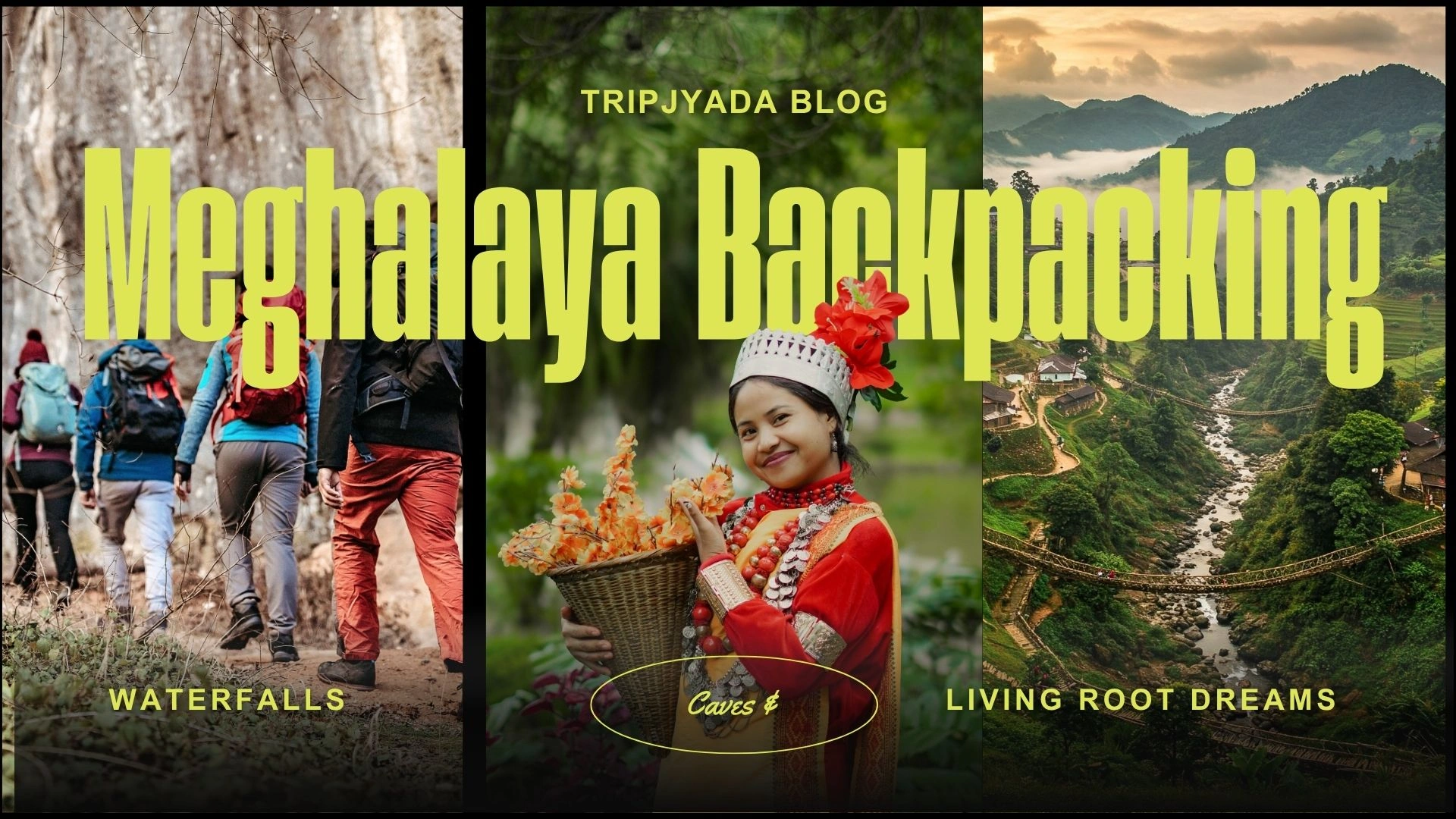
    Wake up to the sound of waterfalls, walk on living root bridges built by nature, and float over crystal-clear rivers where boats appear as if suspended in mid-air. If this is the kind of adventure that gets your heart racing, then Tripjydas 6 Nights / 7 Days Meghalaya Group Tour is tailor-made for you.

    Amid Northeast India lies Meghalaya, nature and adventure haven that every travel enthusiast dreams of. From mist-kissed mountains and green valleys to ancient caves and hospitable local villages, each nook of Meghalaya seems like a fairy tale. Meghalaya group tour is your opportunity to visit waterfalls, secret trails, pristine rivers, and rich culture all in one single experience. Here is your 7-day itinerary for the Meghalaya backpacking tour:

    Day 1: Guwahati to Shillong: The Road to Paradise

    As you land in Guwahati,  Meghalaya weather is still urban, but that will soon change. Before you know it, you’ll be pulling away from the frenetic pace, swapping blaring horns for songbirds and smoggy skies for mist-wreathed mountaintops. The roadbed curves gradually up, and with each curve, the lightens.

    On your Meghalaya backpacking tour, the journey to Shillong. Meghalaya’s spiritual capital becomes more than just a transfer; it’s the beginning of an adventure.  On your route to Shillong, Meghalaya’s spiritual capital, you stop at the lovely Umiam Lake, also known as Barapani, which means “big water.” It is a mirror of the sky, immersed between the hills with clouds on the top and on the bottom. You will stop here not just to take pictures but to breathe – Deep, mountain-fresh breaths that whisper, “Welcome to the Abode of Clouds”.

    Day 2: The Magic of Krang Suri Waterfall

    Your 1st day of the Meghalaya backpacking tour will start after a leisurely breakfast. Your day begins with a picturesque drive deep into the Jaintia Hills, where nature has silently hidden one of Meghalaya’s most enchanting places – the Krang Suri Waterfall.

    Krang Suri, set in greenery and accompanied by the sound of water cascading, is famous for its crystal-clear, turquoise-blue pool. The falls tumble into a natural pool, inviting you to take a dip (if you’re feeling adventurous) or just kick back and soak in the peace and quiet.

    The trip is just as beautiful as the destination, with twisty roads, secret viewpoints, and glimpses into villagers’ lives. It’s a day of peace and connection, and the sort of beauty that seems right.

    Day 3: Dawki: Where Rivers Are Clearer Than Glass

    Rise early in Shillong and head south, skirting the hills on a series of winding roads to the quaint border town of Dawki. The beautiful Umngot River at the town of Dawki on the Indo-Bangladesh border has brilliant, crystal-clear waters like a glass platter.

    Step into a wooden boat and float leisurely over the river, which is so transparent that you feel like you are flying. The effect is odd, with boulders on the riverbed and verdant landscapes on the river surface. It’s peaceful, it’s authentic, and it’s unforgettable. After your boat ride, visit the countryside around and wave to Bangladesh from the other side of the river. You can relax in the serenity of Meghalaya’s best-kept secret.

    Return to Shillong in the evening, heart full and camera loaded.

    Day 4: Cherrapunjee: Land of Clouds and Caves

    After breakfast, leave for Shillong Upland, a stunning journey across the borders of North East India and its neighbouring country, Bangladesh, and drive to Cherrapunji, a land where the clouds rest on the ground and waterfalls carve poetry on the cliffs. Cherrapunjee, one of the wettest places on earth, is a fine canvas of smoke, moss and nature’s artwork.

    Your trip includes a stop at Nohkalikai Falls, India’s highest plunge waterfall, where the thunderous descent is framed by cliffs and legend. Then go to the Mawsmai Caves, sparkling limestone corridors that murmur ancient mysteries. At Seven Sisters Falls, see cascades cascade down mountains like threads of silver, while at Eco Park, view panoramic vistas that go beyond the valleys.

    This is a day of revelation–of nature, stillness, and soul-sustaining sensations. Drive back to Shillong with rain-drenched memories and a soul full of awe.

    Day 5: The Living Root Bridge Trek: Nature’s Own Architecture

    Begin a thrilling descent into the heart of Meghalaya, starting from the misty cliffs of Cherrapunjee and ending at the famed Double Decker Living Root Bridge in Nongriat Village. This breathtaking structure is the result of years of ancient rubber tree roots being guided over streams to construct strong, living walkways.

    Meghalaya backpacking tour is complete without this trek. The trip itself is an adventure, with over 3,000 steps through dense woodland, hanging bridges, and hidden turquoise lakes that beckon you to pause and breathe. As you approach the bridge, surrounded by the sounds of nature and the cool shade of the jungle, you’ll see a work of natural bioengineering that feels almost divine.

    living route bridge of our meghalaya backpacking tour
    Meghalaya backpacking tour, living route bridge


    More than a destination, this is a journey into the soul of Meghalaya’s landscape and its people. Trek back with tired legs, full memory cards, and a heart stirred by nature’s quiet brilliance.

    Day 6: Shillong sightseeing: A Perfect Blend of Culture, Calm & City Vibes

    As your journey across Meghalaya concludes, spend a relaxing day discovering the charms of Shillong—a hill town where colonial elegance meets vibrant indigenous life. Begin your day by visiting the Don Bosco Museum, a treasure trove of Northeast India’s unique tribal culture, magnificent relics, and interactive displays.

    Next, take a deep dive around Ward’s Lake, which is surrounded by cherry blossoms and lovely seats, making it ideal for a calm break. Visit the Cathedral of Mary Help of Christians, an architectural masterpiece that stands tall in calm devotion.

    meghalaya backpacking tour
    Watch the city life of Meghalaya.

    As the sun sets, head to Shillong’s bustling Police Bazaar. You may browse for local handicrafts, woollens, spices, and souvenirs while sampling local flavours at several cafés.

    Wrap up your trip with memories that blend nature, culture, and people—exactly what Shillong does best.

    Day 7: Shillong to drop

    After breakfast, say goodbye to Shillong’s misty hills and warm smiles as you return to Guwahati for your next destination. Meghalaya’s winding roads, waterfall whispers, and bright moments will now be immortalised in your memories, photographs, and hearts.

    Whether it was kayaking on Dawki’s sparkling river, staring in awe at Nohkalikai Falls, or strolling barefoot on the living root bridges, this experience has been nothing short of incredible. As you return to the picturesque paths, remember the rhythm of waterfalls, the aroma of pine, and the new acquaintances you made along the journey.

    It is not a farewell, just a pause—until your next journey to the clouds.

    Tour Price & Details

    Monsoon Batch (AUG – SEPT)

    Dates: 13 August & 4 September

    Duration: 6 Nights / 7 Days

    Accommodation: Double Sharing

    Includes: Transport, breakfasts, dinner, sightseeing, permits & more

    Excludes: Flights, train, lunch & personal expenses

    Cost per Person: ₹27,500/- (Kaziranga not included)

    Why no Kaziranga?
    Kaziranga National Park remains closed during the monsoon season (June to September) due to heavy rains and frequent flooding. For your safety and comfort, we’ve excluded it from this batch.

    Post-Monsoon Batch (OCT – DEC)

    Dates: 16 October & 25 December

    Duration: 6 Nights / 7 Days

    Accommodation: Double Sharing

    Includes: Transport, breakfasts, dinner, sightseeing, permits & more

    Excludes: Flights, train, lunch & personal expenses

    Cost per Person: ₹28,500/- (Includes Kaziranga Safari)

    With clearer skies and open trails, this is the perfect time to experience Kaziranga, home to the majestic one-horned rhino and rich biodiversity..

    For more details, check our Meghalaya backpacking itinerary.

    Why Backpackers Love Meghalaya

    Meghalaya is the most underrated destination. But Meghalaya has its own aura, located in northeast India. It offers a perfect blend of adventure, serene views, and peace.

    Here’s why it’s ideal for backpackers:

    Meghalaya backpacking tour is an ideal place. From hazy cliffs to glass rivers, each turn is like finding a hidden gem.

    Begin at Cherrapunji and Mawsynram, where the clouds stay put and waterfalls thunder all day and night. Hike through the trees to see Nongriat’s fascinating Living Root Bridges, which are organically grown rather than artificially created.

    In Dawki, float over the crystal-clear Umngot River, which will make you feel like you’re soaring. The adventure continues underground in caverns like Mawsmai and Arwah, which are filled with mystery and resounding quiet.

    Spend your final days in quiet Khasi villages, exchanging food, stories, and smiles with the inhabitants. Meghalaya is more than just a location; it’s an experience shaped by nature and enveloped in clouds.

    What’s in the Tripjyda Backpacking Tour?

    We at Tripjyda want to provide you with a complete Meghalaya group tour plan with a hassle-free journey experience so that you can enjoy discovering, not stressing.

    Your adventure features cosy accommodations in handpicked hotels, where you can rest and refuel after exploring. Every morning begins and every evening ends with a filling breakfast and dinner, so you’re always energised for what’s next.

    Your private car will accompany you for all transfers and sightseeing, providing both comfort and flexibility. A knowledgeable local tour guide will accompany you along the way, bringing stories, culture, and out-of-the-way places to life.

    meghalay backpacking tour
    our happy customers


    Everything you need is included: permits, entry fees, guide fees, and Sustainable Development Fees (SDF). And no surprises, no added hassle. Even the driver fees, parking, and tolls are included.

    In short, everything you need for a smooth, memorable trip is already taken care of. All you have to do is show up and enjoy the ride.


  • Best Time to Visit Meghalaya: Complete Seasonal Guide for Travel, Weather & Festivals

    Best Time to Visit Meghalaya: Complete Seasonal Guide for Travel, Weather & Festivals

    Nestled in the lush green hills of Northeast India, Meghalaya is a paradise for adventurers, nature lovers, and culture enthusiasts. Whether you’re chasing waterfalls, trekking through ancient forests, or immersing yourself in lively tribal festivals, the best time to visit depends on what you want to experience. Our guide breaks down the seasons, local events, and weather patterns to help you plan your perfect Meghalaya getaway.

    If you’re looking for a hassle-free way to explore Meghalaya’s best spots across the seasons, Tripjyda offers tailored travel packages that align with your preferred travel month, interests, and budget.


    Summer (March-May)

    In spring and early summer, Meghalaya is lush and warm. It’s around 20–25°C during the day in Shillong, and evenings are comfortable. The heavy monsoon rains usually haven’t started yet (they usually arrive in June), so spring can be a great time to go outdoors. The forests are waking up, and wildflowers abound in the meadows.

    Summer Places to visit

    • Weather: Warm days (about 23°C) and cool nights. Some pre-monsoon rains are expected by late May. Humidity is on the rise, but not yet at monsoon levels. 

    Activities:

    • Take trekking and nature walks along gentle trails. The hill slopes are green and picturesque.
    • See the world-famous living root bridges near Cherrapunji (Nongriat). The pleasant weather makes the 2-3 hour trek feasible.
    • Go on a boat ride on the green Umngot River at Dawki (in West Jaintia Hills). The water is particularly lovely in spring. Tripjyda’s customizable packages often include scenic boat rides in Dawki.
    • Visit caves such as Mawsmai or Arwah. They’re picturesque and great to visit.
    • Picnics near waterfalls (Elephant Falls near Shillong, or Seven Sisters Falls in Cherrapunji), as the streams begin flowing well. 

    Places to See:

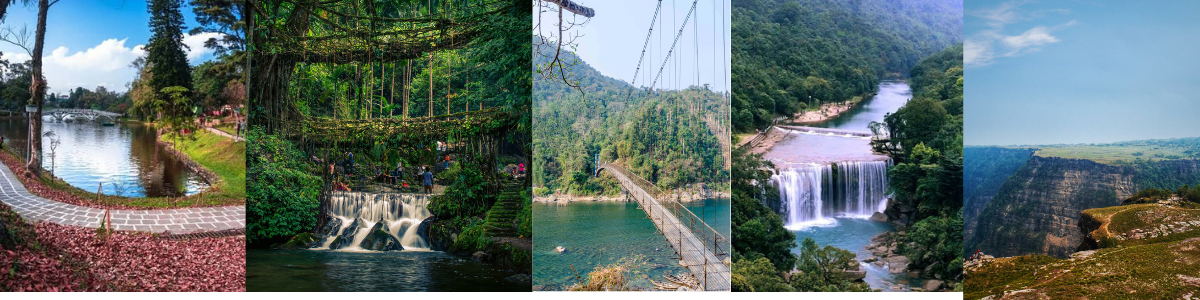
    • Shillong: The capital hill station boasts of Shillong Peak, Elephant Falls, the Don Bosco Museum, and beautiful gardens. This is an appropriate base for summer excursions.
    • Cherrapunji (Sohra): Famous for record-breaking rain, Cherrapunji looks breathtakingly green during spring. Don’t forget Nohkalikai Falls, Seven Sisters Falls, and the Double Decker Root Bridge in Nongriat.
    • Mawlynnong Village: Dubbed the cleanest village in Asia,” Mawlynnong is serene and ringed with bamboo forests. It’s wonderful for a lazy afternoon.
    • Dawki: Renowned for the Umngot River, which remains clear and green, ideal for boating or kayaking.
    • Laitlum Canyons: Close to Shillong, these precipitous cliffs are great for watching the sunrise.

    Festivals: 

    Festivals Summer

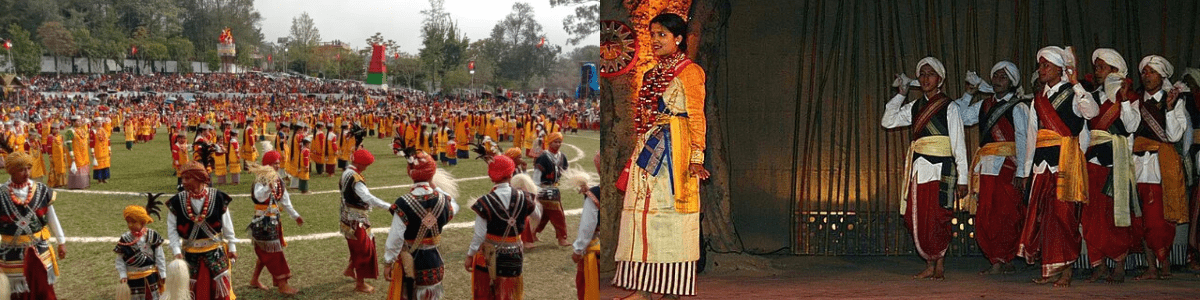
    • Ka Shad Suk Mynsiem – a vibrant Khasi dance and Thanksgiving festival in April/May (dates are different every year). Locals rejoice at the sowing season’s end with music and traditional wear.
    • Laho/Laho Dance – a Jaintia tribal dance festival near the end of spring.
    • (Meghalaya spring is also a season of local village fairs, where you can witness traditional sports and handicrafts.).


    Monsoon (June – September)

    Nohkalikai Falls, a stunning waterfall, swells with monsoon rains in Meghalaya.

    The monsoon season turns Meghalaya really “the land of clouds.” Rains come in June and continue (sometimes heavily) until October.

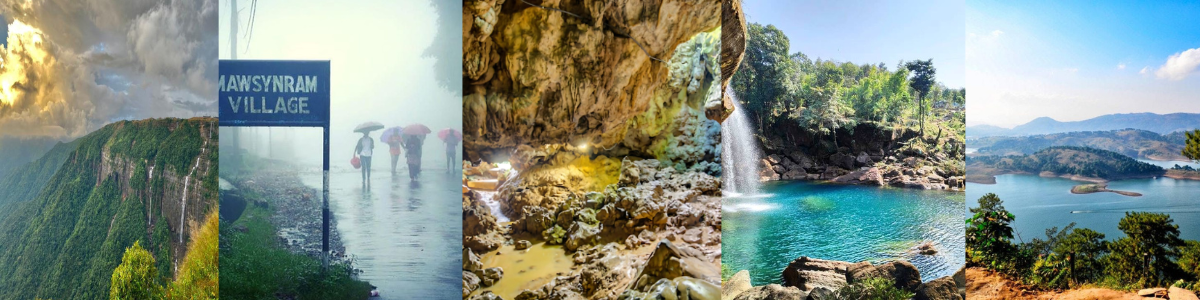
    Cherrapunji and Mawsynram are two of the wettest places on the planet, frequently receiving 10,000+ mm of rain a year.

    The mountains resemble a rainforest film set: all the waterfalls and creeks are thundering, the entire landscape is resplendently green, and mist frequently lingers in the valleys.

    • Weather:

    Extremely heavy rain, particularly during July–August. The temperature goes down a little (18–24°C), but it is extremely humid. Landslides can occur on country roads.

    Monsoon Paces to visit

    Activities: 

    • Waterfall Viewing: The monsoon season is the best time for viewing waterfalls. Go to Nohkalikai Falls, Seven Sisters Falls, and Dainthlen Falls – they are at their peak. (Take waterproof equipment and be careful of slippery tracks.) Tripjyda offers monsoon-friendly itineraries that focus on scenic drives and waterfall viewpoints.
    • Living Root Bridges: During the wet season, such natural bridges are alive and green. Hiking to Nongriat’s Double-Decker Root Bridge during heavy rain is exhilarating, but it’s safer, locals say, to go just when the rains let up (early October).
    • River Cruises: Umngot River at Dawki remains free of debris even during monsoon (no rain in the upper reaches), so boating is still possible if the weather is not stormy.
    • Birdwatching and Wildlife: Since 70% of the state is forested, monsoon is excellent for viewing jungle life – hoolock gibbons in the canopy, and exotic orchids flowering.

    Places to Visit:

    • Shillong: Cooler during monsoon and still happening (though certain hill roads could be wet). Spend time at museums or indoor markets when it rains.
    • Cherrapunji/Mawsynram: Though it rains, the rainscaping of rain-cloud-covered hills is never to be forgotten. The Mawsmai Caves are a fine, rain-proof excursion.
    • Krang Shuri Falls: Close to Dawki, this off-beat waterfall is emerald green and regal during monsoon.
    • Umiam Lake: On the outskirts of Shillong, this lake is misty and extremely atmospheric in the rain.

    Festivals:

    Behdienkhlam Monsoon

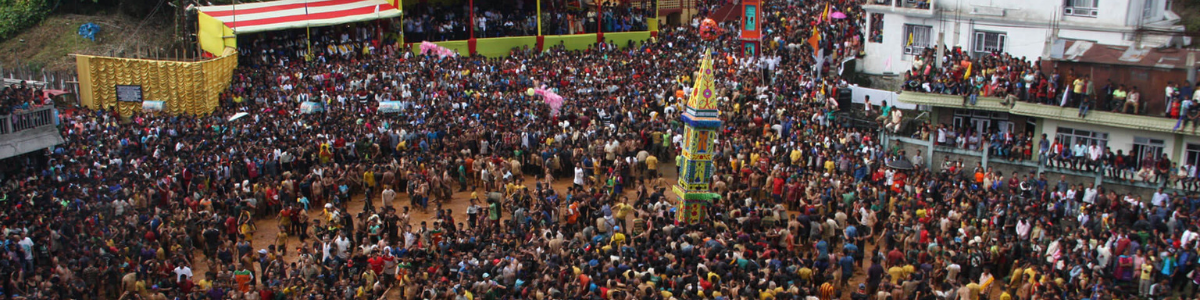
    Monsoon months have fewer large public festivals because of travel problems. But if you are in July, you can catch Behdienkhlam – a Jaintia harvest festival with drums and rituals to fight off evil spirits (held typically in Jowai).

    (Traveler tip: Provided you don’t mind getting wet and prefer fewer people, monsoon can also be rewarding. Just bring waterproof gear, a good raincoat, and sturdy shoes. Monitor road conditions and local advice, as landslides can sometimes block roads.)


    Winter (October – February)

    Meghalaya in winter is cool and dry – ideal for sightseeing.

    Daytime temperatures are usually in the 12–25°C range, and nights fall into single figures or even just below freezing in the higher hills.

    Heavy monsoon clouds clear by October, and the sky is blue with fresh air.

    The forests remain green because of the rains, and the countryside is crisp and clear.

    This is generally the best season to visit Meghalaya, balancing pleasant weather with local festivals.

    Weather:

    Dry and cool. October–November, still green hills and blooming flowers. December–January cold, particularly at night, but nice by day. Little or no rain.

    Winter places to visit

    Activities:

    • Hiking & Trekking: The best time for trekking in the Shillong fringes (Shillong Peak, Don Bosco Peak) and the more challenging David Scott Trail (Cherrapunji to Shillong).  You can book these guided treks through Tripjyda for a safe and enriching experience.
    • Kayaking & Boating: Take advantage of the crystal-clear waters of Dawki and Umiam Lake.
    • Spelunking and Caving: Spelunking in caves like Siju and Krem Mawmluh is safe and enjoyable without fears of flooding.
    • Scenic Drives: Wind through scenic mountain roads, stopping at viewpoints such as Laitlum and Kota Rock to watch the sunrise or sunset.
    • Photography: Clear daytime and leftover mist create wonderful photo opportunities for landscapes and bridges.

    Places to Visit:

    • Shillong: Take in views such as Ward’s Lake, the Shillong Golf Course (also referred to as the Polo Grounds), and markets. Don Bosco Museum is great for the Northeastern tribe exhibits.
    • Cherrapunji/Sohra: Still lush and green, but with sunny skies. Go to Eco Park and Seven Sisters Falls. The Nongriat Root Bridge hike is quite manageable with minimal rain.
    • Dawki – Shnongpdeng: Umngot River region is ideal now. The river is still, and boats slide on crystal water.
    • Nongphlang Sacred Grove: A protected area near Shillong of an ancient forest. It’s peaceful in winter.
    • Balpakram & Nokrek (Garo Hills): If you go to the Garo Hills, winter is dry enough for national parks and waterfalls there as well.

    Festivals:

    Festivals winter

    • Christmas & New Year: Meghalaya is a Christian-majority state, hence Christmas (Dec 25) is celebrated with great enthusiasm. Shillong and Cherrapunji are aglow with carols, decorations, and village fairs.
    • Nongkrem Dance: A ritual Khasi dance ceremony (generally in Nov) to seek blessings for a good harvest.
    • Wangala: The 100-Drum Festival of the Garo tribe (Wangala) takes place in Nov/Dec. It’s a celebratory harvest festival with drum and dance.
    • Cherry Blossom Festival: (Early spring in Jan/Feb in Shillong – although technically outside winter). Cherry blossoms flower and celebrations take place in Shillong.


    Travel Tips:

    Here are some last tips for your trip

    Packing Advice:

    • Winter: Bring light sweaters or jackets and a single warm layer for cold evenings. Daytime may be sunny, but thin air makes it feel chilly.
    • Summer: Lightweight, breathable clothing is acceptable, but add a rain jacket for the occasional shower later in the season. Sunscreen and a hat are handy at higher elevations.
    • Monsoon: Pack a raincoat or poncho, waterproof shoes or sandals, and quick-drying clothing. A spare pair of socks and shoes is prudent for muddy paths.
    • General: Comfortable walking shoes are essential (paths may be uneven). A mini first-aid kit, mosquito repellent, and any necessary personal medications. If trekking, pack trekking poles and a headlamp.


    Travel Advice:

    • Book accommodation in advance during peak season (Dec–Jan) and festival times. Tripjyda can help secure stays in remote or in-demand locations, especially during major festivals. 
    • Roads in Meghalaya are winding and sometimes steep. If self-driving, drive carefully, especially in the rain. Alternatively, hire a local driver who knows the terrain. Many Tripjyda packages include local transport with experienced drivers.
    • Internet and phone signals can be patchy, especially in hills. Navigation plan and always inform someone of travel plans.
    • Respect local culture: Dress modestly when visiting villages or religious sites. Meghalaya is matrilineal – you’ll find communities very welcoming and proud of their heritage.
    • Eat local Khasi and Garo food – Fermented rice beverage (suji), bamboo shoot preparations, and local honey are special treats!


    Conclusion: 

    The beauty of Meghalaya also varies by season. Winter (Oct–Feb) typically has the best all-around conditions for travel and festivities. But spring and monsoon have special charms: spring’s refreshing coolness and summer blooms, and monsoon’s imposing waterfalls and deserted trails. No matter when you travel, pack wisely and travel safely.

    With curated Meghalaya tour packages from Tripjyda, you can explore at your own pace—whether you’re chasing monsoon mists, trekking to hidden bridges, or soaking in winter festivals.

    Whichever time of year you visit, Meghalaya will be a vacation to remember emerald-colored hills, rumbling waterfalls, and colorful tribal heritage. Take this page as your guide to Meghalaya travel, choose your prime season, and make the most of the numerous things to do in Meghalaya and places to visit in Meghalaya. Travel safely, and live the “land of clouds” to its full potential.