Tripjyada CMS Staging

Tag: bhutan festival

  • Why Bhutan Feels So Peaceful Compared to Other Tourist Destinations

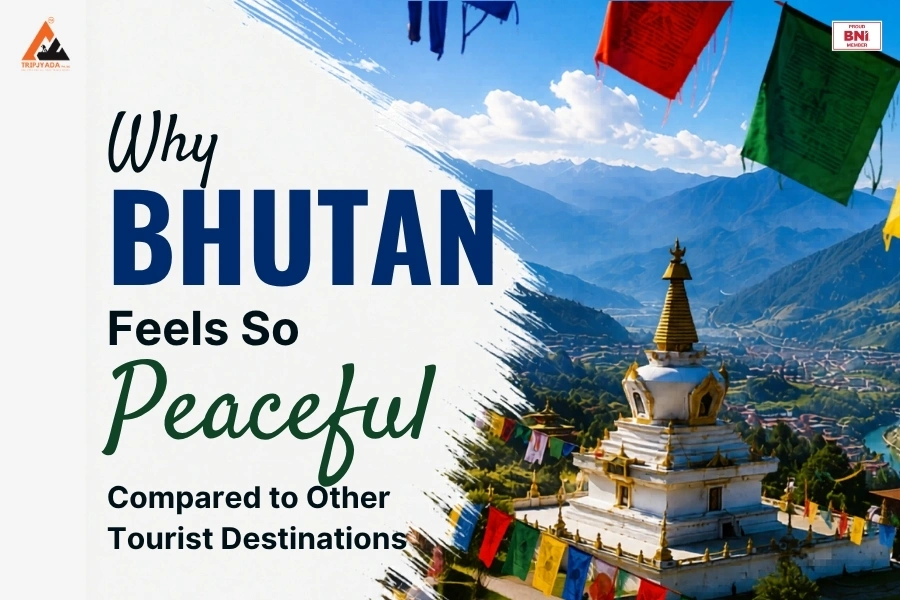
    Why Bhutan feels so peaceful is something many travellers only truly understand after visiting the country themselves. In today’s fast-moving world, most people travel to escape stress, and strangely, many people return from vacations feeling even more tired than before. But Bhutan feels different almost immediately. The roads are quieter, mornings feel slower, and somehow your mind stops rushing all the time. Even during long road journeys, travellers often notice something unusual, there’s very little chaos. No aggressive honking, no loud traffic noise, no pressure to constantly rush. Travellers often describe Bhutan as:

    • emotionally calming
    • mentally refreshing
    • spiritually peaceful
    • naturally healing

    Unlike many commercial tourist destinations, Bhutan offers something rare today – silence, balance, and simplicity. And that is exactly why more travellers now consider Bhutan one of the best peaceful countries to visit.

    Why Bhutan feels so Peaceful: Happiness Over Commercial Tourism

    One of the biggest reasons why Bhutan feels so peaceful is because the country follows a philosophy called Gross National Happiness (GNH).

    Instead of focusing only on economic growth, Bhutan believes development should also include:

    • mental well-being
    • environmental conservation
    • cultural protection
    • sustainable living
    • community happiness

    This philosophy directly affects tourism and daily life. You can actually feel this difference while traveling through Bhutan. Tourist places feel calmer, local markets feel less chaotic, and even simple interactions with people feel more genuine. 

    What Travellers Notice in Bhutan:

    • Less overcrowding
    • Cleaner public spaces
    • Limited commercialization
    • Minimal pollution
    • Slower lifestyle
    • Respect for nature and culture

    Unlike many destinations where tourism feels heavily business-focused, Bhutan still feels genuine and emotionally balanced.

    Even local people appear calmer and less rushed compared to many busy tourist cities around the world. Many travelers notice that people in Bhutan don’t seem constantly stressed or hurried the way modern city life often feels.  That peaceful social environment naturally impacts travelers too.

    Why Bhutan’s Natural Environment Feels So Peaceful

    Bhutan’s landscapes are not just beautiful – they feel calming. Sometimes during mountain drives, all you can hear is river water, mountain wind, and prayer flags fluttering softly beside the roads. Road journeys through:

    • Paro
    • Punakha
    • Thimphu
    • Phobjikha Valley

    Offer peaceful surroundings filled with:

    • green mountains
    • fresh air
    • rivers
    • pine forests
    • prayer flags
    • quiet villages

    Unlike many hill destinations that become noisy and overcrowded during peak season, Bhutan still feels preserved. Travellers planning a Bhutan itinerary can also explore our detailed Bhutan tour packages.

    Why Nature Feels Different in Bhutan:

    • Less traffic on mountain roads
    • Minimal honking culture
    • Cleaner environment
    • Controlled urban development
    • More greenery and open landscapes

    This slower and quieter atmosphere naturally reduces stress and mental fatigue. Sometimes the most memorable part of Bhutan isn’t sightseeing at all, it’s simply sitting quietly beside a river or watching clouds move slowly through the mountains.

    Why Slow Travel in Bhutan Feels Different

    Slow travel is another reason why Bhutan feels so emotionally different from most destinations. Modern tourism often feels rushed. Many travellers try to cover:

    • Multiple cities in one trip
    • too many sightseeing points
    • packed daily itineraries

    But Bhutan is not a destination meant for rushing, and maybe that’s why people feel mentally lighter here. Bhutan doesn’t constantly push travellers to ‘do more’. It quietly teaches them to slow down.” In fact, Bhutan feels best when experienced slowly.

    Simple Experiences That Become Special in Bhutan:

    • Watching clouds move across mountains
    • Drinking tea with mountain views
    • Walking through peaceful villages
    • Listening to monastery bells
    • Enjoying quiet sunrise mornings
    • Sitting silently near rivers

    In most destinations, travellers come back with hundreds of photos. In Bhutan, people often come back remembering feelings instead, and surprisingly, these simple moments become the most memorable part of the Bhutan travel experience. Bhutan teaches travellers to slow down mentally, something most people rarely experience in modern life.

    Why Bhutan’s Spiritual Atmosphere Feels So Peaceful

    Bhutan’s peacefulness is deeply connected with Buddhism and spirituality. But what makes Bhutan special is that spirituality here is not only for tourists, it is part of everyday life.

    You’ll find:

    • prayer wheels beside roads
    • monks in local towns
    • peaceful monasteries in mountains
    • prayer flags across valleys
    • meditation culture integrated into daily living

    Places like:

    • Tiger’s Nest Monastery
    • Punakha Dzong
    • Buddha Dordenma

    Don’t just offer scenic beauty. They create emotional silence. Many travellers say the peacefulness in Bhutan feels difficult to explain in words. Maybe it’s the monastery chants, the mountain air, or simply the silence people are no longer used to hearing.

    Why Travellers Feel Spiritually Calm in Bhutan:

    • Less noise and distraction
    • Peaceful monastery surroundings
    • Slow-paced local lifestyle
    • Deep connection with nature
    • Calm spiritual energy

    Even travellers who are not religious often say Bhutan feels emotionally healing.

    Bhutan Protects Its Culture & Traditions

    One major reason why Bhutan feels authentic is that the country has successfully preserved its culture. Unlike many destinations where modernization has replaced local identity, Bhutan still strongly protects:

    • traditional architecture
    • cultural festivals
    • local dress
    • monastery traditions
    • village lifestyle

    What Travelers Commonly Notice:

    • Even modern buildings in Bhutan often follow traditional Bhutanese architecture, which makes the country feel culturally connected instead of overly modernized.
    • Locals proudly wearing national dress and unlike many places where traditions survive only for tourists, Bhutanese culture still feels naturally woven into daily life.” 
    • Strong respect for traditions
    • Cultural balance between modern life and heritage

    Because of this, Bhutan feels culturally rich instead of overly commercialized, and that authenticity creates a deeper emotional connection for travelers.

    Why Controlled Tourism Makes Bhutan More Peaceful

    Many famous destinations today suffer from over-tourism. Problems like:

    • traffic congestion
    • crowded sightseeing points
    • pollution
    • long waiting lines
    • noisy environments

    Often make vacations stressful. Bhutan avoids this by carefully managing tourism, that’s why many travelers feel relaxed here instead of mentally exhausted after sightseeing.

    Benefits of Controlled Tourism in Bhutan:

    • Cleaner tourist spots
    • Peaceful monasteries where you can actually sit quietly and experience places instead of constantly fighting crowds for photos.
    • Better travel experiences
    • Less environmental damage
    • More authentic local interactions

    Travelers can actually enjoy the destination without constantly feeling mentally exhausted. That’s one reason Bhutan stands out among peaceful travel destinations.

    Bhutan Helps Travelers Disconnect From Digital Overload

    Modern life constantly keeps people mentally active. Phones, social media, work emails, and notifications rarely stop. But Bhutan naturally slows this down. Many travelers unconsciously start using their phones less here. Not because they’re forced to, but because the surroundings naturally pull their attention away from screens.” Sometimes your hotel balcony overlooks the following:

    • mountains
    • clouds
    • forests
    • rivers

    Why This Feels Mentally Refreshing:

    • Less overstimulation
    • Quieter surroundings
    • Better sleep quality
    • Slower daily rhythm
    • More mindful travel experiences

    Many travelers realize they spend less time on their phones and more time simply observing nature, and that mental break becomes emotionally healing.

    Common Mistakes Travelers Make in Bhutan

    1. Rushing the Itinerary: Trying to cover too many destinations quickly can make the trip tiring. Bhutan road journeys are beautiful, but mountain travel can still feel physically exhausting if the itinerary becomes too packed.

    Better Tip: Spend more time in fewer places and enjoy the journey slowly.

    2. Overplanning Every Hour: Some of Bhutan’s best experiences are unexpected:

    • peaceful sunsets
    • mountain rain
    • local conversations
    • silent monastery moments

    Leave room for spontaneous experiences. Sometimes the best Bhutan memories come from unplanned moments – roadside tea stops, mountain rain, or simply watching the sunset quietly. 

    3. Ignoring Mountain Fatigue: Long mountain drives and altitude changes can feel tiring. Helpful advice:

    • stay hydrated
    • sleep properly
    • Avoid overexertion initially
    • Keep relaxed travel schedules

    Local Insider Tips for a Better Bhutan Experience

    As a Northeast-based travel company, we genuinely recommend travelers to experience Bhutan slowly rather than treating it like a checklist destination. One thing we’ve genuinely noticed is that travelers enjoy Bhutan the most when they stop trying to ‘cover everything’ and simply experience the place slowly.

    Practical Tips:

    • Choose scenic stays over crowded market areas
    • Wake up early for peaceful mountain mornings
    • Keep buffer days in your itinerary
    • Respect monastery silence and local culture
    • Spend more time outdoors than indoors
    • Avoid excessive hotel hopping

    The slower your travel pace, the more peaceful Bhutan feels.

    Best Time to Visit Bhutan for Peaceful Travel

    Bhutan offers a different travel experience in every season. Here’s what you can expect:

    Spring: March to May

    Visit during spring for lush greenery, blooming flowers, pleasant weather, and comfortable sightseeing.

    Autumn: September to November

    Choose autumn for clear Himalayan views, beautiful photography, colourful festivals, and scenic road trips.

    Winter: December to February

    Winter is perfect for fewer crowds, peaceful surroundings, and a quieter, more relaxed travel experience.

    Not sure which month suits your travel plans? Read our detailed guide on the best season to visit Bhutan.

    Conclusion

    What makes Bhutan truly unforgettable is not only its mountains or monasteries but also the way Bhutan makes people feel.

    The silence feels deeper, you sleep earlier, wake up calmer, and spend less time scrolling your phone, and somewhere during the journey, your mind slowly becomes quieter too.

    In a world filled with noise, pressure, and constant rush, Bhutan reminds people what peace actually feels like, and maybe that’s why travelers don’t just visit Bhutan. Maybe that’s why people don’t just remember Bhutan for its mountains or monasteries. They remember how peaceful they felt there.
  • Bhutan Trip Planning 2026: Everything You Need to Prepare

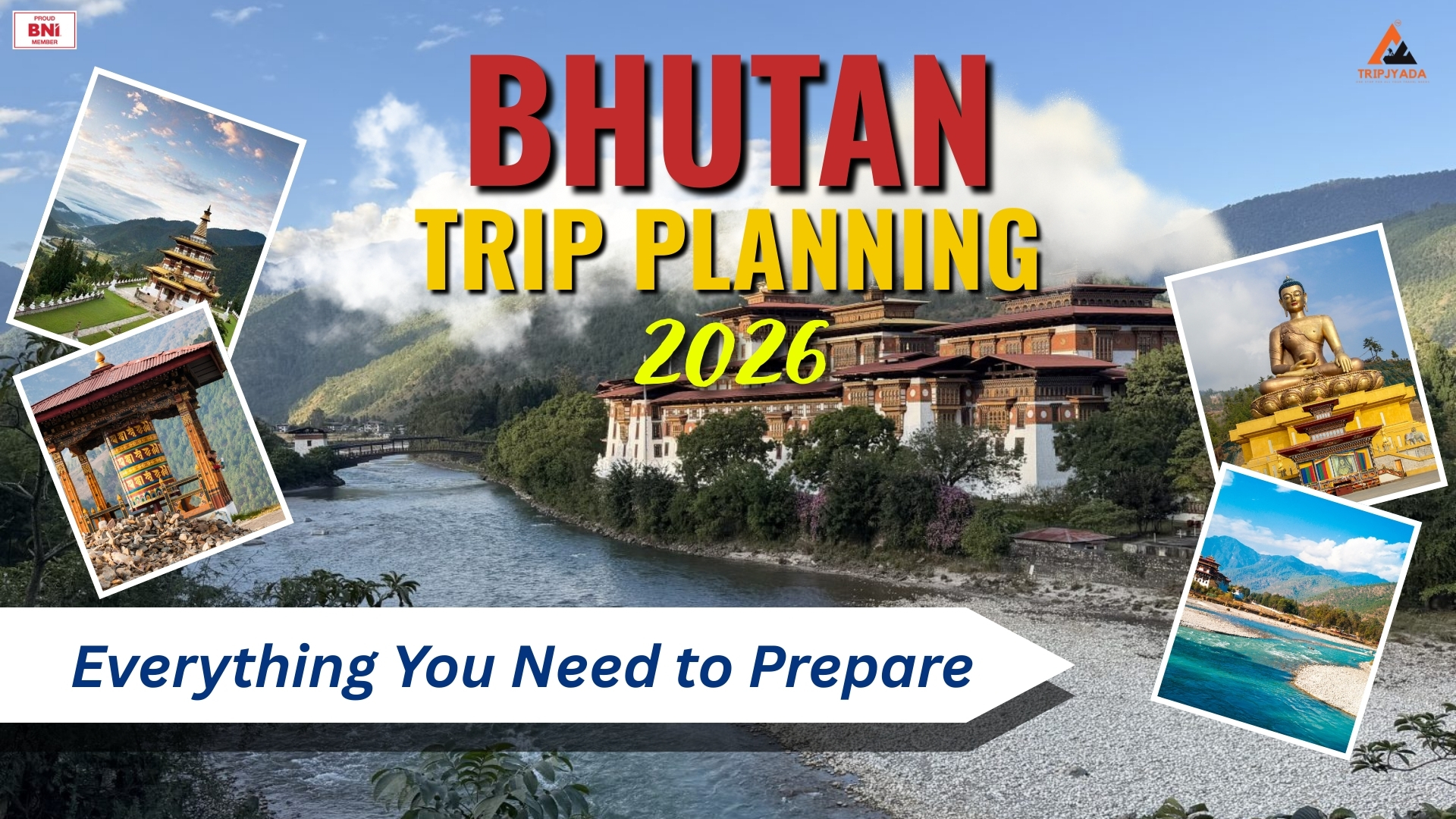
    Planning a Bhutan trip in 2026? You’re not just planning a holiday, you’re preparing for a journey into one of the world’s most peaceful and spiritual countries. From ancient monasteries clinging to dramatic cliffs to quiet valleys filled with fluttering prayer flags, Bhutan tourism offers an experience that feels untouched, mindful, and deeply personal. Often called the Land of the Thunder Dragon, the country believes in happiness. Here, travel slows you down in the best way possible. Whether you’re choosing from curated Bhutan tour packages, crafting your own Bhutan itinerary, or planning a memorable Bhutan trip, preparation is the key to enjoying this magical destination hassle-free.

    Also Explore…Women’s Group Tour to Bhutan 2026: Travel Together, Travel Fearlessly

    To make your journey smooth and unforgettable, we’ve put together the ultimate Bhutan Travel Checklist 2026, covering everything you need to know before you visit Bhutan.

    Documents & Entry Essentials for Bhutan Trip Planning

    Before you start dreaming about monasteries, mountain roads, and peaceful valleys, let’s get the paperwork right. A smooth entry sets the tone for a hassle-free Bhutan trip.

    • Entry & Area Permits: While most Bhutan tourist places like Thimphu and Paro are easily accessible, certain regions and activities require special permits. Popular attractions like Tiger’s Nest in Bhutan, and trekking or visiting restricted valleys. If you book trusted Bhutan travel packages, permits are handled in advance, with no last-minute hassles.
    • SDF Charges: Bhutan follows a “High Value, Low Impact” tourism policy, which means travelers pay a Sustainable Development Fee (SDF) to support conservation, education, and infrastructure development.

    Read More…Sustainable Development Fee (SDF) – What You Need to Know

    SDF Charges:

    1. International tourists: $100 per person per night.
    2. Indian tourists: ₹1,200 per person per night.

    This ensures that tourism in Bhutan remains sustainable while helping preserve the country’s unique heritage.

    What to Pack for Bhutan Trip Planning (Essential Checklist)

    Packing smart can truly elevate your Bhutan travel experience. Since Bhutan’s climate changes with altitude, cool mountain air in Paro, milder weather in Punakha, and chilly winds at high passes, your Bhutan trip calls for thoughtful layering rather than overpacking.

    Here’s what you should definitely carry when planning your Bhutan tour or Bhutan holiday package:

    Clothing Essentials:

    • Warm layers (jackets, fleece, and sweaters): During pleasant months, evenings in Bhutan can get surprisingly cold, especially in Paro and Thimphu.
    • If you’re visiting Bhutan in December, thermals, gloves, woolen socks, and a warm cap are must-haves.

    Footwear for Bhutan Exploration

    • Sturdy walking or trekking shoes: You’ll be walking a lot, whether it’s city strolls or the iconic Tiger’s Nest Bhutan trek.

    • Light sandals or flip-flops: Handy for hotel stays or relaxed evenings.

    Travel Tip: Bhutan values sustainability. Packing reusable and eco-friendly items not only lightens your luggage but also aligns beautifully with Bhutan’s green philosophy.

    Best Time to Visit Bhutan

    Choosing the right season can completely shape your Bhutan travel experience. From colorful festivals to snow-dusted monasteries, Bhutan tourism offers something special throughout the year.

    Spring (March to May): Nature at Its Best

    Spring is the best time to visit Bhutan, especially for nature lovers and photographers.

    • Pleasant temperatures for exploring Bhutan tourist places.
    • Perfect time for outdoor activities and monastery visits.
    • Great for a relaxed Bhutan itinerary covering Paro, Thimphu, and Punakha.

    Autumn (September to November): Peak Bhutan Tourism Season

    In Autumn, Bhutan offers crystal clear weather, offering stunning Himalayan panoramas, and major festivals like Paro Tshechu attract travelers from across the world.

    • Best weather for sightseeing and photography.
    • Ideal for well-planned Bhutan tours and Bhutan holiday packages.
    • Lively festivals showcase authentic Bhutanese culture.

    Winter (December to February): Quiet, Peaceful & Budget-Friendly

    Winter in Bhutan is calm, spiritual, and less crowded. While higher altitudes may experience snowfall, valleys like Paro and Thimphu remain accessible and incredibly scenic. This is also a great time for travelers looking for peaceful Bhutan holidays.

    • Fewer tourists and serene monastery visits.
    • Snow-covered landscapes add a magical touch.
    • Ideal budget travellers exploring Bhutan.
    • Cozy experiences for those planning a Bhutan trip in December.

    Also Read…The Most Luxurious Bhutan Tour Package for 2025: Discover the Magic of Comfort

    Must-Visit Places in Bhutan

    These are the best places to visit in Bhutan that make every journey unforgettable.

    • Tiger’s Nest Monastery (Paro Taktsang): Perched dramatically on a cliff at 3,000 feet, Tiger’s Nest Monastery in Bhutan is the most iconic symbol of Bhutan tourism.
    • Punakha Dzong: Often called the most beautiful Dzong in Bhutan, Punakha Dzong sits gracefully at the confluence of two rivers.
    • Dochula Pass: Located on the Thimphu–Punakha highway, Dochula Pass offers breathtaking panoramic views of the Eastern Himalayas on clear days.
    • Phobjikha Valley: If peace had a postcode, it would be Phobjikha. This glacial valley is perfect for travelers looking to slow down during their Bhutan holidays.

    Read More…How to Reach Bhutan from Bangalore: Complete Travel Guide

    Ready to Plan Your Bhutan Trip?

    Your Bhutan trip from India deserves more than just bookings; it deserves thoughtful planning, local insight, and experiences. From peaceful monasteries and scenic mountain drives to iconic spots like Tiger’s Nest Bhutan, every journey in Bhutan is special when planned right. Book your Bhutan tour with Tripjyada. We curated custom travel packages and ensured a smooth, memorable experience. We also offer seamless travel from India to Bhutan, including road trips via Phuentsholing and flight-based options such as Delhi to Bhutan, Bhutan from Bangalore, and more.

    Also Explore…2026 Travel Checklist: The Must-Visit Places for the Himalayas

  • Bhutan In Winter: Why It’s the Best Time to Explore the Land of the Thunder Dragon

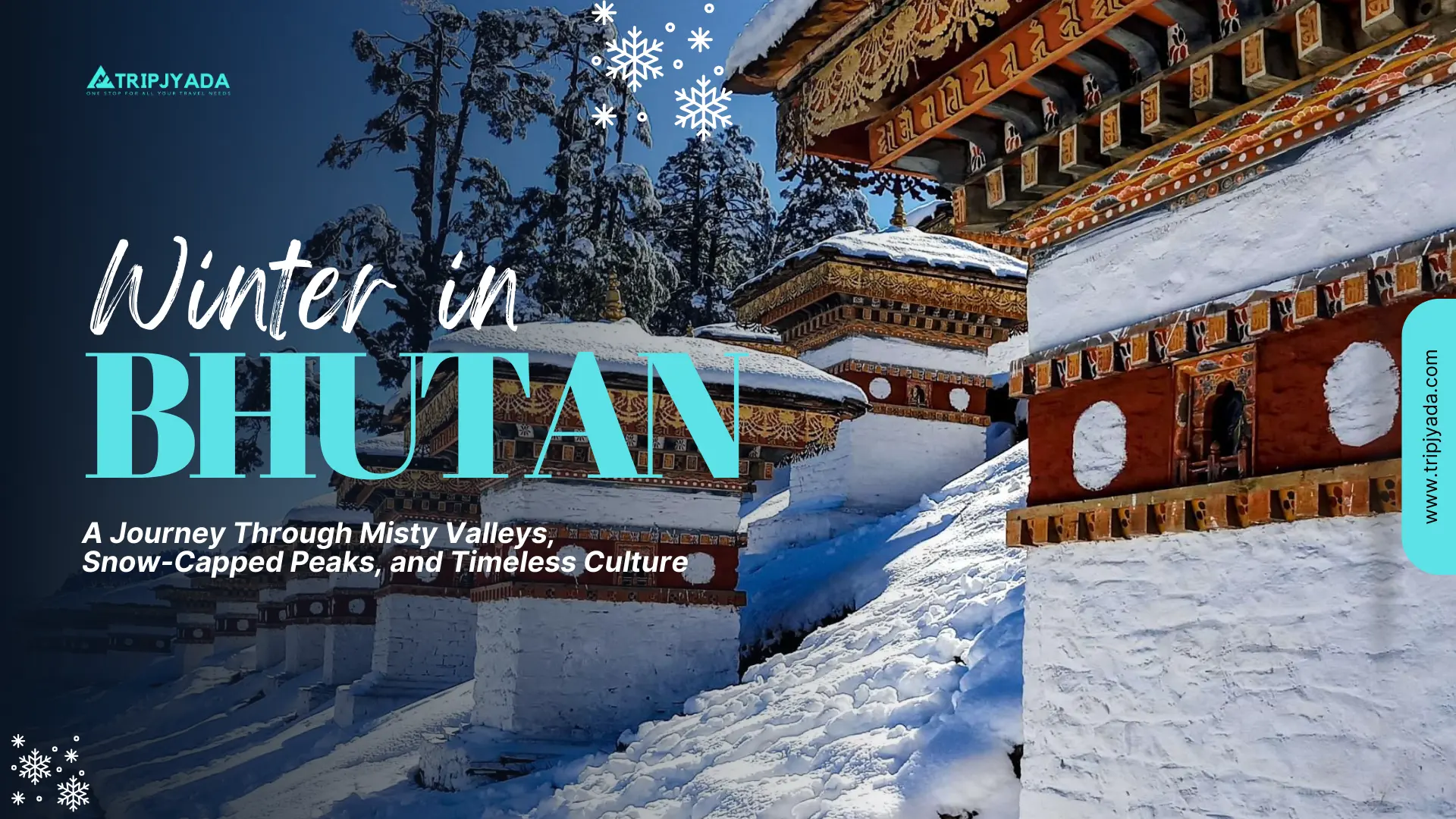
    Imagine waking up in the morning in the Himalayas, the air so clear it looks like a deep breath for your soul. The solar puts a golden glow on the snow-dust monasteries, and the royal peaks of the Himalayas are long-standing towards a clean blue sky. This is not a dream; it is Bhutan in winter.

    If you are thinking of winter, Bhutan provides an attractive experience that is both calm and virtuous.

    1. Breathtaking Winter Landscapes

    Bhutan transforms properly into a snow-covered wonderland. The valleys are totally in white, and the peaks are dusted with snow, looking like a canvas. The smooth skies and crisp air make the climate ideal for shooting and photography.

    If you’ve ever dreamed of a Bhutan tour that appears like stepping into a fairy story, minus the crowds and chaos, then Bhutan in winter is your golden ticket. Forget the summer season monsoons or shoulder-season scrambles;  weather (December to February) is a satisfactory time to visit Bhutan for that raw, soul-stirring serenity.

    2. Witness the Black-Necked Cranes

    From past due October to mid-February, the Phobjikha Valley will become a sanctuary for the rare black-necked cranes. These majestic birds migrate from the Tibetan Plateau to Bhutan’s vital valleys, presenting a unique wildlife spectacle. Observing their sleek moves against the snowy backdrop is a once-in-a-lifetime experience for nature fanatics.

    3. Explore Tranquil Monasteries

    Along with fewer tourists, you have the opportunity to find out the hidden treasure of Bhutan. The Haa Valley, for instance, offers a glimpse into traditional Bhutanese life, with its untouched landscapes, alpine forests, and vibrant culture.  Wandering along quiet trails lined with fluttering prayer flags, or standing by frozen streams reflecting the snow-capped peaks, it feels as if the entire valley has reserved its beauty just for you. These moments of peace not only make Bhutan a destination in winter, but experience of peace and self-consciousness.

    4. Ideal Conditions for Trekking

    The snow season in Bhutan is like a present waiting to be opened for any person with a sense of adventure. The more the altitude increases, the more the cooler the air. The blue skies are remarkable, not only to glance at but to be in. The best part of the trek is, guess what?? The view!! Banks of ice cool blue, with a ting of frothy white, can be seen at a lower altitude, giving an ice paradise feeling. The untouched, serene, splendid Gangtey Nature Trail remains welcoming to all. The blanket of white and these treks together give a feeling of a starry-eyed daydream.

    5. Celebrate Nyilo –The Winter Solstice Festival

    Every January, Bhutan lights up with Nyilo, the winter solstice festival. It’s more than just a change in seasons. It’s a celebration of new over old, marking the shortest day of the year and the welcoming of longer, brighter days ahead. Families gather, rituals are performed, and prayers fill the air with hope and positivity.

    For travellers, being part of Nyilo is a rare chance to see Bhutan beyond the monasteries and mountains. It’s about sitting with locals, sharing laughter, tasting traditional food, and feeling the joy of a community coming together.

    Read More…Tshechu Festival 2025: A Spiritual and Cultural Celebration in the Hills

    6. Discover Hidden Gems

    Now, Bucketlist Bhutan is almost empty, only to be saved for the ice king’s castle, or summer castle. Not Bhutan but the Haa Valley is a whole beautiful story itself. Here, the movement of life synchronizes with the movements of the flag twirls. Endless calm Highway Road of Peace, decorated with the smell of prayer and soft showers of mist at sunset, adds a variety of bangles to the view from the Royal Castle of Haa Valley. Only you and the fortress, and the soft sigh of prayer wheels and snow-decorated gardens exist. The other end of the sky is still waiting for you. The moment is so fast and innocent. The powerful imagination is waiting to jump from the cuffs of day.

    Ready to escape on Your Winter Adventure?

    If you are eager to experience Bhutan’s winter magic, do not look beyond. Tripjyada ensures a spontaneous and memorable journey, offering a customised Bhutan tour package. Whether it is looking at the black-necked crane in the Phobjika Valley, celebrating Nyilo with the local people, or trekking through the serene snow-kissed landscapes. Tripjyada has covered you.

    What you need for your Winter Journey

    • Pack warm clothes: layered clothes, thermal wear, and waterproof gear are required. 
    • Booking: Even in the off-peak season, festivals and guesthouses quickly fill.
    • Stay hydrated and preserved: Dry air can dehydrate the skin; Take moisturizer and lip balm.
    • Respect local customs: Take permission in the Dress modestly and before taking pictures of the local people. 
    • Check the road conditions: Snow can temporarily block near the mountain; plan your route accordingly.

    Ready to escape on Your Winter Adventure?

    If you are eager to experience Bhutan’s winter magic, do not look beyond. Tripjyada ensures a spontaneous and memorable journey, offering a customised Bhutan tour package. Whether it is looking at the black-necked crane in the Phobjika Valley, celebrating Nyilo with the local people, or trekking through the serene snow-kissed landscapes. Tripjyada has covered you.

    What makes the experience truly special is the personalised touch. From handpicked stays in charming Bhutanese lodges to curated itineraries that balance adventure with relaxation. With specialist local guides, smooth transport, and carefully planned cultural immersion, your journey will be a story to remember.


  • Tshechu Festival 2025: A Spiritual and Cultural Celebration in hills

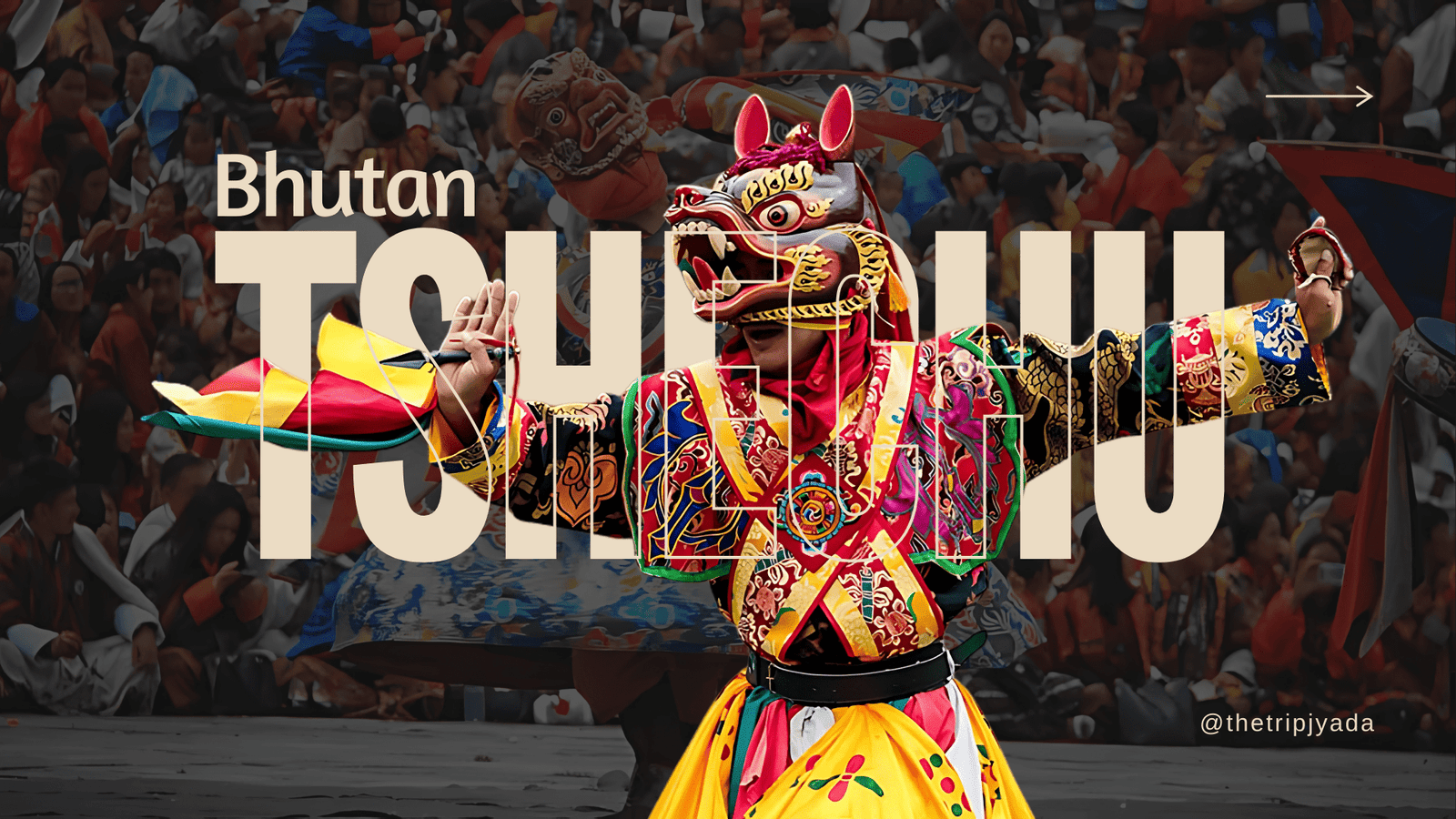
    Festivals represent the essence of a nation. To bring together festivals such as Diwali, Durga Puja, and Holi in India by brightening the environment with music, colours, and lights. Nonetheless, festivals in Bhutan possess an enigmatic essence as they relate to spirituality, age-old legends, and lively traditions. The Tshechu Festival is the most renowned celebration in Bhutan. If you are thinking about visiting Bhutan, the Tshechu Festival 2025 promises a memorable experience that brings history, culture and trust to life. 

    What is the Tshechu Festival?

    The word Tshechu means “tenth day” and this festival is celebrated 10th day of a lunar month of the Bhutanese calendar. This was in honour of Guru Rinpoche (Padmasambhava), a saint, who introduced Buddhism from Bhutan in the 8th century. While every district celebrates its own celebrations, the grandeur of Paro Tsachu in the spring and Thimphu Tsachu in the autumn attracts the largest crowd. Other regional programs such as Punakha Tsachu, Gangeti Tschu and Wangdue Tashchu.

    Crimson begins the holy cham dance in the courtyard as monks in Robes. These masked performances are not only in the theatre, but also in action. The dance of the Lords of the Cremation Grounds reminds the crowd of life’s fickleness, while the dance of the Black Hat magician controls evil spirits. The red-masked gestors, known as Etsaras, entertain the humour with holy in these serious moments, reminding everyone that happiness is also divine.

    At dawn on the final day, thousands of individuals assemble to witness the reveal of Thongdrol, a large sacred scroll depicting Guru Rinpoche. It is believed that everyone in the room receives blessings as golden threads capture the morning light. Devotees believe a single glance at the Thongdrol redeems sins and attracts good luck, with blessings that endure well beyond sunset.

    Major Tshechu Festivals 2025 in Bhutan

    Every valley of Bhutan beats with its own rhythm of Tshechu, yet each carries the same devotion to Guru Rinpoche. As you wander through the mountains, the festivals unfold like chapters of a living story.

    Paro Tshechu  – The Spring Awakening

    This Tsachu is one of the most famous celebrations of Bhutan, held in March or April. Paro Dzong’s courtyard is alive with holy cham dance, moving costumes and echoed beats of traditional drums. At dawn on the last day, the monks unveiled thongdrols on a large scale, a sacred silk painting, which blesses thousands of devotees collected from near and away. For many travellers, seeing this holy moment is the main attraction of their visit to Bhutan.

    Tshechu Festival

    Time to visit: Mar 29, 2026 – Apr 02, 2026

    Thimphu Tshechu – The Autumn Splendour

    Most of the important event in the history of Bhutan is the Thimphu Tshechu. This is held in honour of the famous religious figure Padmasambhava (aka Guru Rinpoche), often referred to as the ‘second Buddha’ by many. To participate to the best of their abilities, many of the attendees to the festivities wear ceremonial kiras & ghos, representative dress which show the identity & history of the nation of Bhutan. The The  Special honour is reserved for the Chams as the dances are the dances celebrated as the apex of happiness within the celebration and represent the crowning of love & peace for all.

    Time to visit: Oct 02, 2025 – Oct 04, 2025

    Punakha Tshechu  – Where History Lives

    It is the most valuable and most vibrant festival of Punakha. This festival shows the rich culture and tradition of Bhutan. Punakha Dzong hosts this three-day festival to honour Guru Rinpoche and commemorate Bhutan’s 17th-century military victory.The festival involves the dramatic revival of historical events with sacred rituals. Mo Chu Chu Chuch flows on either side of the fort with rivers.

    Tshechu Festival

    Time to visit: Feb 27, 2026 – Feb 28, 2026

    Gangtey Tshechu  – The Valley of Cranes

    Gangetey Tsachu is more spiritual and more intimate than other Tsachu festivals. Here you can see the main spirituality of Bhutanese rituals. Phobajika Valley, Winter House for Black Neck Crane, adds a unique attraction to the festival. Pilgrims, monks, and travellers gather in the Gangeti monastery to dance masks, which tell the stories of compassion, knowledge and the eternal dance of life. For nature and culture lovers, this festival mixes spirituality beautifully with the untouched beauty of Bhutan.

    Tshechu Festival

    Time to visit: Oct 05, 2025 – Oct 07, 2025

    Wangdue Tshechu  – The Festival of the People

    Wangdue Tsachu is often described as a festival of common people. Known for its lively community participation, it reflects the heart of Bhutani rural life. This festival is celebrated in honour of Guru Padmasambhava, who took Tantric Buddhism to Bhutan. This festival reflects the heart of Bhutanese rural life. The unveiling of the Thongdrol here deeply moves devotees, as they believe it cleanses all sins and grants blessings with a single glance. Unlike the grandeur of Thimphu or Paro, the Wangdue Tsachu Festival seems warm, welcoming and laughing.

    Tshechu Festival

    Time to visit: Sep 30, 2025 – Oct 02, 2025

    Talo Tshechu – Songs of the Hills

    Talo Tsachu is a three-day annual Buddhist festival held in the Talo Math. Above Punakha, the tranquil village of Talo bursts into life every spring. Talo Tsachu stands out for its deep spiritual atmosphere, intimate settings and beautiful performances. This festival carries the music soul with a mask dance filled with joy. For travellers, Talo Tsachu feels like stepping into a Bhutanese story, colourful, sweet and deeply spiritual.

    Time to visit: Mar 26, 2026 – Mar 28, 2026

    Druk Wangyel Tshechu – Dances Among the Clouds

    Druk Wangyel Tshechu is held in honour of His Excellency Jigme Singa Wangchuk and the Royal Bhutan Army for a successful military campaign. Dochula is surrounded by 108 Chartenses and Snow-Clad Himalayan peaks held at Dochula Pass, the Druk Wangial Tsachu is contrary to any other. Imagine a memorable mixture of history, devotion, and beauty because the monks dance holy cham while flowing on the mountains in the clouds.

    Tshechu Festival

    Time to visit: Dec 13, 2025

    Haa Spring Festival – A Celebration of Life

    One of the most vibrant ceremonies in this state is the Ha Spring Festival (in the east, Ha Summer Festival). It provides a unique insight into the annual program, Bhutani traditions, arts, and way of life, held in the picturesque Ha Valley. A hidden treasure of Bhutan is a spring festival, which brings life -colored facade dances, sacred rites and blooming valleys. Travellers can enjoy a real, uncontrolled Tshechu experience surrounded by the natural beauty of spring in the Trancuel Ha Valley, where residents celebrate culture and devotion.

    Tshechu Festival

    Time to visit: April 7, 2025 – April 9, 2025

    Jakar Tshechu – Heartbeat of Bumthang

    Jakar Tashchu is one of the most spiritual and culturally lively festivals of Bhutan. Conducted in Zakar Dazong, known as the “Fort of White Bird”, the three-day festival brings the local people and travellers together to celebrate faith, tradition and community through sacred dances and religious rituals. Town Vibrant wears clothes in keys and ghos, retailing the timeless legends of Bhutan as mask dancers. More than just one festival, Tsachu is a community program, where celebration and belief co -existence, such as SpringTime infects the mountains with new life.

    Time to visit: Oct 29, 2025 – Nov 01, 2025

    Kurjey Tshechu – The Sacred Imprint

    Kurjey Tsachu is a one-day festival. Monks usually hold it in Kurjey Lhakhang. It is a sacred monastery in the Bumthang Valley.This was the place where the Guru Ringpoche meditated and paid attention. The calm Bumthang Valley becomes a living tapestry of culture, spirituality and social celebration. Kurji Tsachu is more than a festival, it is a sacred reunion of faith and culture.

    Time to visit:  Jun 24, 2026

    Why Experience the Tshechu Festival 2025 in Bhutan?

    2025 Tshechu Festival is the discovery of the soul of Bhutan. The festival is a living exhibition of culture, from colourful textiles to exciting archery competitions. The holy cham dance atones for sins and grants the best blessings. Crimson Rob and a moving mask make ancient Dzongs everywhere a visual feast that you see. Nevertheless, Tshechu is more than a spectacle; It is a celebration of the community, where laughter, prayer and tradition basically mix. In every drug and dance, the festival keeps the past and current bridges, keeping the timeless heritage of Bhutan alive.

    The Last Drumbeat

    Tshechu Festival Bhutan 2025 exceeds a festival; It is a journey in the spiritual heart of Bhutan.

    Thimphu Tsachu Festival 2025 experiences the living traditions of Bhutan through the glory of 2025. The historical attraction of Punakha Tsho Festival 2025, or the calm beauty of the Gangte Tsachu Festival 2025. It is a means of preserving Bhutan’s own culture because masks, drum, and monks perform their sacred dances.

    Step in the rhythm of Bhutan with Tripjyada, and experience the Tsachu festival, a celebration of culture, belief, and pure Himalayan surprise, which will resonate in your memories forever.