Tripjyada CMS Staging

Tag: Bhutan leftover rice dish

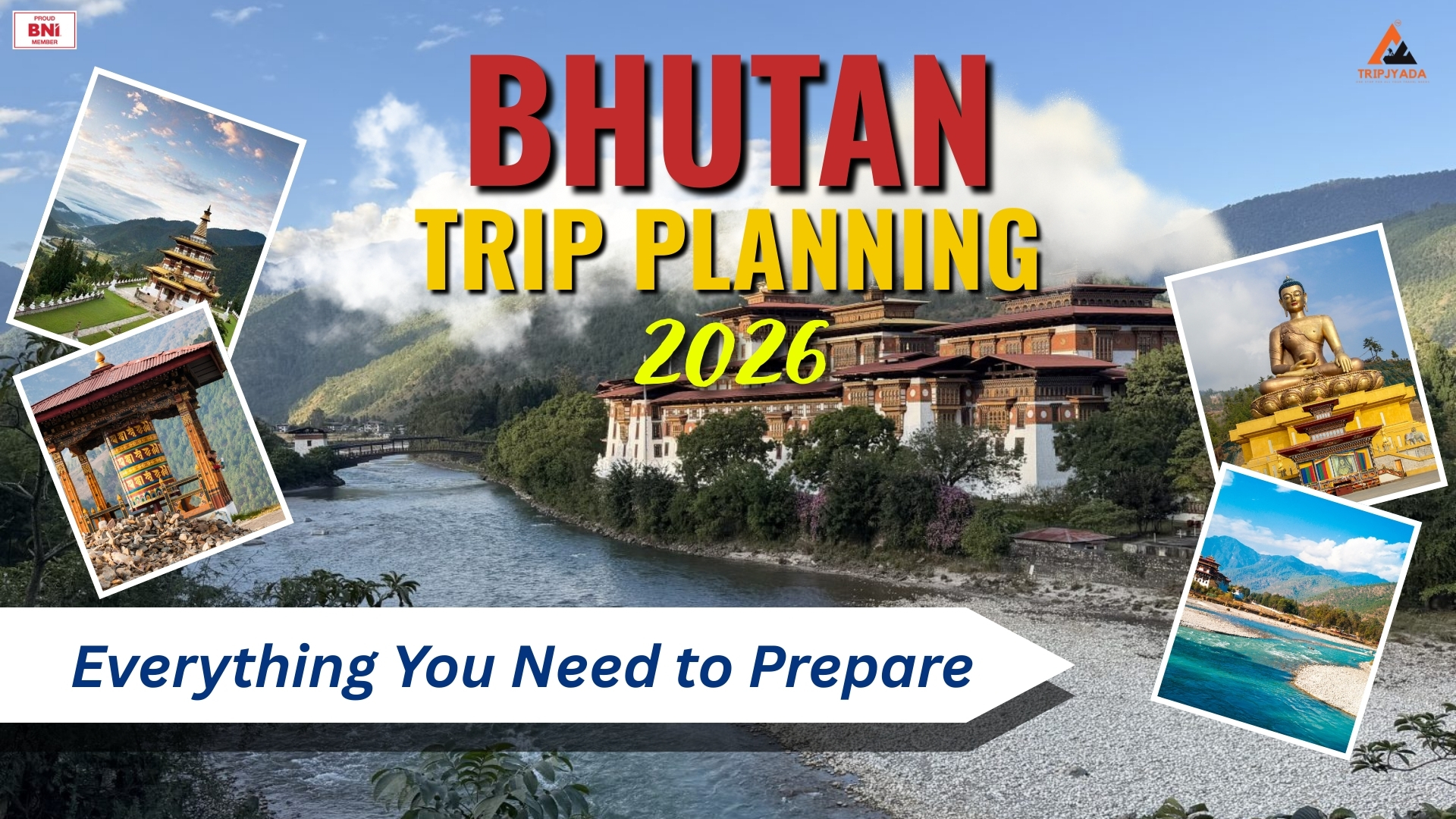
  • Bhutan Trip Planning 2026: Everything You Need to Prepare

    Planning a Bhutan trip in 2026? You’re not just planning a holiday, you’re preparing for a journey into one of the world’s most peaceful and spiritual countries. From ancient monasteries clinging to dramatic cliffs to quiet valleys filled with fluttering prayer flags, Bhutan tourism offers an experience that feels untouched, mindful, and deeply personal. Often called the Land of the Thunder Dragon, the country believes in happiness. Here, travel slows you down in the best way possible. Whether you’re choosing from curated Bhutan tour packages, crafting your own Bhutan itinerary, or planning a memorable Bhutan trip, preparation is the key to enjoying this magical destination hassle-free.

    Also Explore…Women’s Group Tour to Bhutan 2026: Travel Together, Travel Fearlessly

    To make your journey smooth and unforgettable, we’ve put together the ultimate Bhutan Travel Checklist 2026, covering everything you need to know before you visit Bhutan.

    Documents & Entry Essentials for Bhutan Trip Planning

    Before you start dreaming about monasteries, mountain roads, and peaceful valleys, let’s get the paperwork right. A smooth entry sets the tone for a hassle-free Bhutan trip.

    • Entry & Area Permits: While most Bhutan tourist places like Thimphu and Paro are easily accessible, certain regions and activities require special permits. Popular attractions like Tiger’s Nest in Bhutan, and trekking or visiting restricted valleys. If you book trusted Bhutan travel packages, permits are handled in advance, with no last-minute hassles.
    • SDF Charges: Bhutan follows a “High Value, Low Impact” tourism policy, which means travelers pay a Sustainable Development Fee (SDF) to support conservation, education, and infrastructure development.

    Read More…Sustainable Development Fee (SDF) – What You Need to Know

    SDF Charges:

    1. International tourists: $100 per person per night.
    2. Indian tourists: ₹1,200 per person per night.

    This ensures that tourism in Bhutan remains sustainable while helping preserve the country’s unique heritage.

    What to Pack for Bhutan Trip Planning (Essential Checklist)

    Packing smart can truly elevate your Bhutan travel experience. Since Bhutan’s climate changes with altitude, cool mountain air in Paro, milder weather in Punakha, and chilly winds at high passes, your Bhutan trip calls for thoughtful layering rather than overpacking.

    Here’s what you should definitely carry when planning your Bhutan tour or Bhutan holiday package:

    Clothing Essentials:

    • Warm layers (jackets, fleece, and sweaters): During pleasant months, evenings in Bhutan can get surprisingly cold, especially in Paro and Thimphu.
    • If you’re visiting Bhutan in December, thermals, gloves, woolen socks, and a warm cap are must-haves.

    Footwear for Bhutan Exploration

    • Sturdy walking or trekking shoes: You’ll be walking a lot, whether it’s city strolls or the iconic Tiger’s Nest Bhutan trek.

    • Light sandals or flip-flops: Handy for hotel stays or relaxed evenings.

    Travel Tip: Bhutan values sustainability. Packing reusable and eco-friendly items not only lightens your luggage but also aligns beautifully with Bhutan’s green philosophy.

    Best Time to Visit Bhutan

    Choosing the right season can completely shape your Bhutan travel experience. From colorful festivals to snow-dusted monasteries, Bhutan tourism offers something special throughout the year.

    Spring (March to May): Nature at Its Best

    Spring is the best time to visit Bhutan, especially for nature lovers and photographers.

    • Pleasant temperatures for exploring Bhutan tourist places.
    • Perfect time for outdoor activities and monastery visits.
    • Great for a relaxed Bhutan itinerary covering Paro, Thimphu, and Punakha.

    Autumn (September to November): Peak Bhutan Tourism Season

    In Autumn, Bhutan offers crystal clear weather, offering stunning Himalayan panoramas, and major festivals like Paro Tshechu attract travelers from across the world.

    • Best weather for sightseeing and photography.
    • Ideal for well-planned Bhutan tours and Bhutan holiday packages.
    • Lively festivals showcase authentic Bhutanese culture.

    Winter (December to February): Quiet, Peaceful & Budget-Friendly

    Winter in Bhutan is calm, spiritual, and less crowded. While higher altitudes may experience snowfall, valleys like Paro and Thimphu remain accessible and incredibly scenic. This is also a great time for travelers looking for peaceful Bhutan holidays.

    • Fewer tourists and serene monastery visits.
    • Snow-covered landscapes add a magical touch.
    • Ideal budget travellers exploring Bhutan.
    • Cozy experiences for those planning a Bhutan trip in December.

    Also Read…The Most Luxurious Bhutan Tour Package for 2025: Discover the Magic of Comfort

    Must-Visit Places in Bhutan

    These are the best places to visit in Bhutan that make every journey unforgettable.

    • Tiger’s Nest Monastery (Paro Taktsang): Perched dramatically on a cliff at 3,000 feet, Tiger’s Nest Monastery in Bhutan is the most iconic symbol of Bhutan tourism.
    • Punakha Dzong: Often called the most beautiful Dzong in Bhutan, Punakha Dzong sits gracefully at the confluence of two rivers.
    • Dochula Pass: Located on the Thimphu–Punakha highway, Dochula Pass offers breathtaking panoramic views of the Eastern Himalayas on clear days.
    • Phobjikha Valley: If peace had a postcode, it would be Phobjikha. This glacial valley is perfect for travelers looking to slow down during their Bhutan holidays.

    Read More…How to Reach Bhutan from Bangalore: Complete Travel Guide

    Ready to Plan Your Bhutan Trip?

    Your Bhutan trip from India deserves more than just bookings; it deserves thoughtful planning, local insight, and experiences. From peaceful monasteries and scenic mountain drives to iconic spots like Tiger’s Nest Bhutan, every journey in Bhutan is special when planned right. Book your Bhutan tour with Tripjyada. We curated custom travel packages and ensured a smooth, memorable experience. We also offer seamless travel from India to Bhutan, including road trips via Phuentsholing and flight-based options such as Delhi to Bhutan, Bhutan from Bangalore, and more.

    Also Explore…2026 Travel Checklist: The Must-Visit Places for the Himalayas
  • Bhutanese Food: A Delicious Window into Himalayan Culture

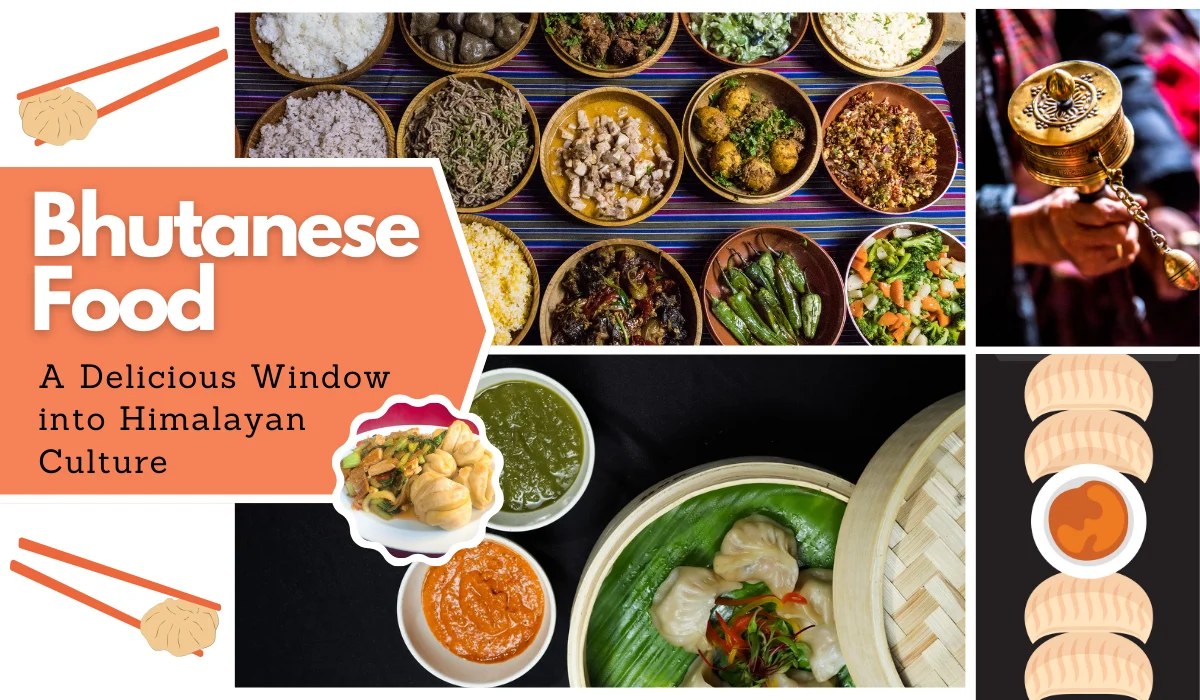
    Bhutanese Food: A Delicious Window into Himalayan Culture

    “You don’t just taste Bhutanese food, you feel it.”

    The moment you land in Bhutan, the air will feel different. It would be crisp, clean, and slightly tinged with wood smoke. But what truly welcomes is not just the prayer flags fluttering in the breeze or the sight of monks in maroon robes, it is the smell of simmering chillies drifting from every kitchen window.

    Bhutanese cuisine, much like the country itself, is simple, pure, bold, and deeply connected to the land. The food doesn’t aim to impress; it aims to nourish, warm, and tell stories of generations.

    So, if you’re planning a trip to Bhutan or just want to explore it through your taste buds, here’s a heartwarming guide to traditional Bhutanese dishes you absolutely must try.

    1. Ema Datshi – The Icon of Bhutanese Cuisine

    If Bhutan had a national dish wearing a crown, it would be Ema Datshi.

    Made with fresh green chillies, locally made yak or cow cheese, garlic, onions, and a bit of oil, this dish is fiery, creamy, and unforgettable. Served hot over red rice (a Bhutanese staple), it’s not just a meal, it’s a cultural rite of passage.

    Locals eat it daily, and most restaurants offer several versions – some thicker, some soupier. Once, during my stay in a farmhouse in Paro, the host proudly served her grandmother’s version, made with a secret twist, adding just a touch of ginger to balance the fire.

    2. Kewa Datshi – The Bhutanese Potato Love

    This is comfort food at its best.

    Kewa Datshi is made from sliced potatoes, sautéed with onions and melted cheese, and sometimes mild green chillies. It’s perfect for those who want to experience Bhutanese flavours without too much heat. It can be had for breakfast once in Thimphu, and with a cup of Suja (butter tea), it’s just the kind of grounding meal you need before a day of temple hopping.

    3. Shamu Datshi – A Mushroom Lover’s Dream 

    Shamu means mushroom, and this dish combines wild forest mushrooms with Bhutanese cheese in a rich, umami-packed stew. When made fresh, it’s earthy, aromatic, and divine.

    Many villagers forage for mushrooms in Bhutan’s pristine forests during the rainy season, and you would be lucky if you tried a version with rare black mushrooms in Bumthang. It had an almost truffle-like aroma.

    4. Phaksha Paa – Spicy Pork Stew with Soul

    Phaksha Paa is a local favourite, especially in colder regions. It’s made from pork belly or lean cuts, stir-fried with radish, spinach, and dried red chillies. The smokiness from the meat combined with the heat of the chillies creates a robust, filling dish that’s perfect after a long hike.

    In the village of Haa, hosts say that this dish is often made during special family gatherings, especially in winter. It’s a reminder that food, like fire, brings people together.

    5. Sikam Paa – Bhutan’s Himalayan Bacon

    If bacon had a bold, Himalayan cousin, it would be Sikam Paa.

    Made by drying strips of pork belly in the sun, these are later stir-fried with dried chillies. It’s chewy, salty, and intense in flavour. You only need a little, but that little goes a long way. There is are tiny eatery in Punakha, where the owner proudly showed me the pork slabs hanging above her wood stove—slow-drying the traditional way.

    6. Hoentay – Dumplings with a Heritage 

    Hoentay are dumplings made with buckwheat flour (instead of regular wheat) and stuffed with a delicious filling of spinach, cheese, and turnip greens. They’re a speciality of Haa Valley and are often made during the Lomba Festival.

    They taste nutty, chewy, and slightly sweet. I helped make some during a family celebration, and the laughter and flour-covered hands made them even more special.

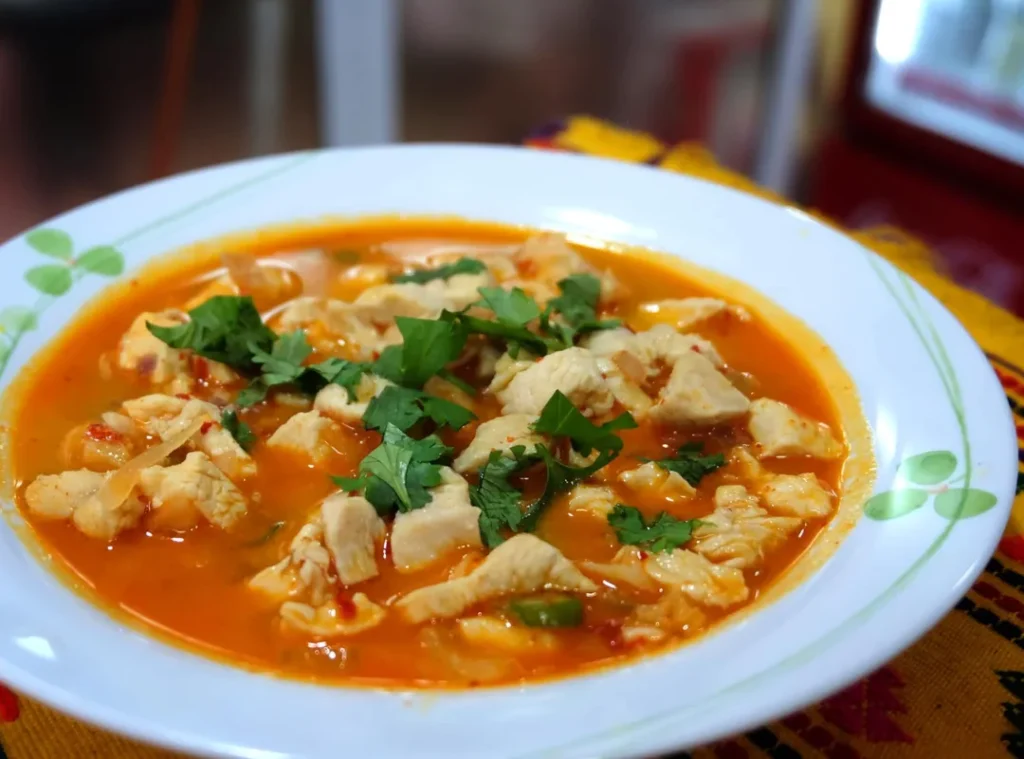
    7. Jasha Maru – Chicken with a Bhutanese Punch jasha maru

    This is one of the few Bhutanese dishes that’s both spicy and light. Made with diced chicken, tomatoes, garlic, onion, and a splash of soy or ginger, Jasha Maru is like a fiery chicken stew that doesn’t feel heavy. It’s often served to guests and considered a bit fancier than your daily Datshi dishes.

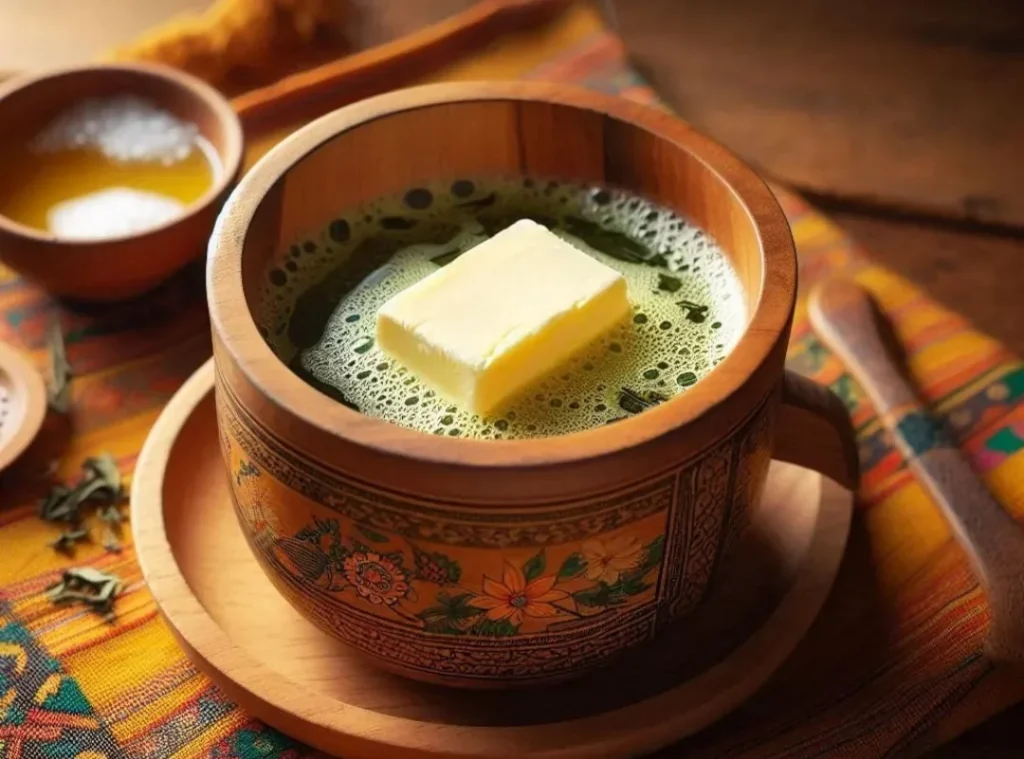
    8. Suja – The Butter Tea You Didn’t Expect  suja Bhutanese Food

    Suja is not your average tea. Made with yak butter, salt, and tea leaves, it’s salty, creamy, and strange for first-timers but addictive if you keep sipping. It’s traditionally served during ceremonies, cold weather, or simply as a warm welcome. If you have a cup of this in the monastery, it will at first feel odd, but it soon becomes a daily ritual.


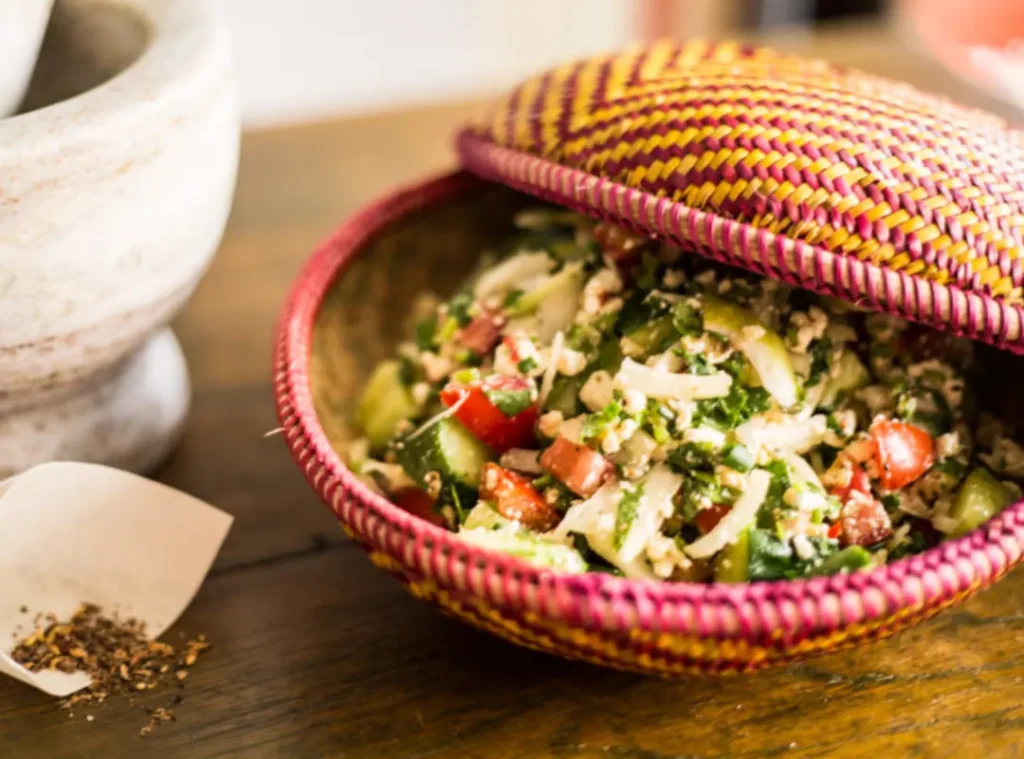
    9. Goen Hogay – Cool, Spicy Cucumber Salad Goen Hogay

    In a land of hot stews, Goen Hogay offers a refreshing break. It’s a simple salad made with cucumbers, coriander, green chillies, onions, and a splash of cheese or butter dressing. It’s crunchy, cooling, and the perfect side to balance out spicy mains.


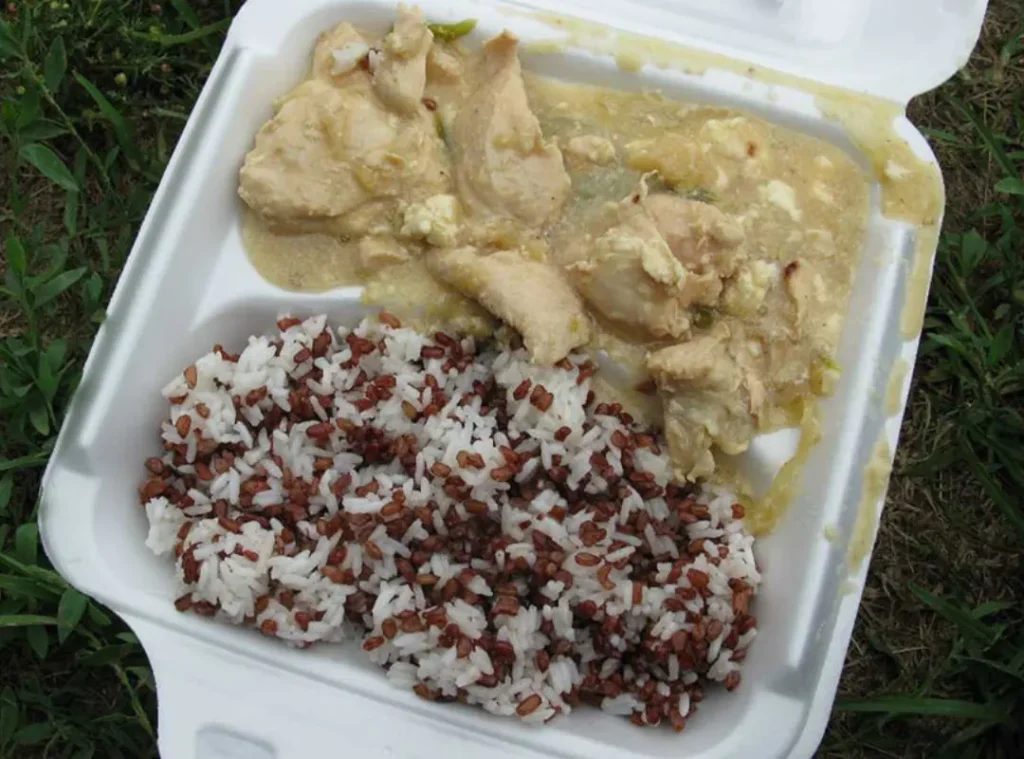
    10. Zow Shungo – The Dish of Simplicity Zow Shungo Bhutanese Food

    This humble dish is made using leftover red rice, mixed with vegetables and leafy greens. It’s a zero-waste, hearty dish that often finds its way into lunchboxes and family dinners. If you visit any farmhouse, you can see that Zow Shungo is paired with radish leaves and leftover Ema Datshi—a delicious way of honouring food without wasting a crumb.

    Eating in Bhutan: More Than Just Food

    Every dish in Bhutan is a glimpse into someone’s kitchen, someone’s memory. It’s the taste of villages tucked into the hills, of monks sharing meals in monasteries, and of locals gathering over firewood stoves. Bhutanese food might not be globally famous, but it’s honest, soulful, and real, just like the country itself.

    Where to Try Authentic Bhutanese Food?

    Planning to Visit Bhutan?

    Pair your culinary adventure with a full-fledged journey through the country! From monasteries to markets, and from food stalls to farm kitchens, every flavour tells a story.

    Read More…

    Explore our Bhutan Tour Packages!

    Bhutanese food is not just about what’s on the plate; it’s about where you are, who you’re with, and what the moment feels like.

    So when you find yourself in a tiny kitchen in Thimphu or sipping Suja in the mountains of Bumthang, just know that you’re not just eating, you’re becoming a part of Bhutan’s story.

    Escape to the Hills with Our Exclusive Sikkim & Darjeeling Tour Packages!
    From misty tea gardens to snow-kissed peaks, discover the beauty of the Eastern Himalayas with comfort and care.

    Travel stress-free with our in-house cab service, Northeast Cab, offering expert local drivers and well-maintained vehicles for a smooth, scenic ride.

    • Customizable itineraries
    • Affordable packages
    • Trusted local experience

    Book your Sikkim–Darjeeling getaway today and let us handle the rest!