Tripjyada CMS Staging

Tag: Seven Sisters Falls

  • Meghalaya’s Waterfalls: Your Passport to Liquid Magic in Northeast India

    Meghalaya’s Waterfalls: Your Passport to Liquid Magic in Northeast India

    Imagine yourself standing on a precipice, the roar of a thousand rivers singing in your ears, and the mist kissing your face. Down below, a pool of green so deep it seems like a portal has been crashed into by a shimmering water curtain. Rainbows fly across the spray like timid dancers, greetings from Meghalaya, where waterfalls perform rather than merely cascade.

    Nicknamed the “Abode of Clouds,” Meghalaya is a waterfall chaser’s fantasy land. With some of the world’s highest rainfall, ancient forests, and misty hills, this Northeastern jewel hides secret streams, roaring giants, and cascades straight out of fairy tales. But here, waterfalls aren’t just about beauty, they are woven into Khasi and Jaintia legends, breathing stories into every drop.

    Let’s take a journey through Meghalaya’s most mesmerizing waterfalls, where each one is waiting to leave you spellbound.

    1. Nohkalikai Falls

    location: Cherrapunji (Sohra)

    Height: 1,115 ft (Tallest plunge waterfall in India)
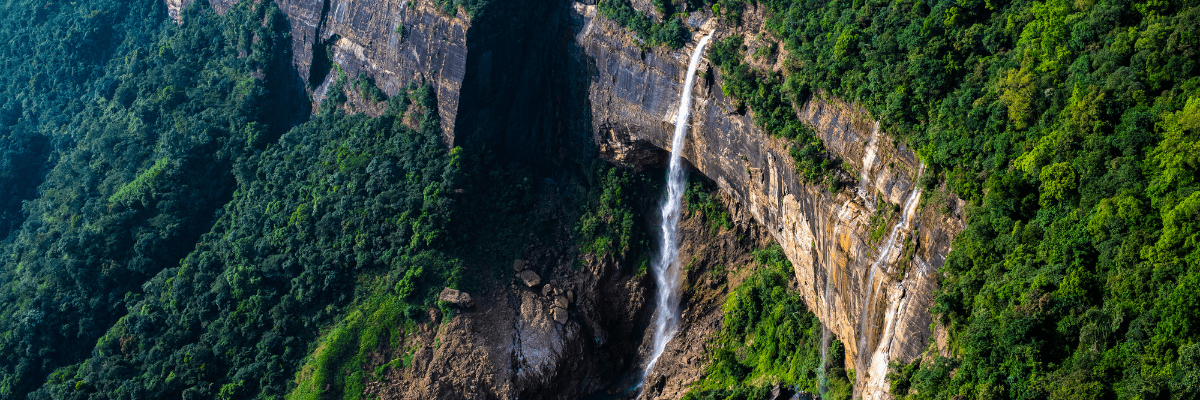
    Nohkalikai Falls

    Standing before Nohkalikai is an experience you’ll never forget. You feel tiny in the best way. The story behind its name is just as moving: a woman named Likai, devastated by personal tragedy, leaped from this cliff, and the falls are said to echo her sorrow. Visit at sunrise when golden light pierces through the mist, making the entire fall look like liquid gold pouring into a jade valley. During the monsoons, the water thunders down with such force that the ground vibrates under your feet; that’s nature’s way of commanding your awe.

    Travel Tip: The viewing gallery is an easy walk, but for a quieter experience, explore nearby trails that offer different perspectives of this majestic wonder.

    2. Seven Sisters Falls (Nohsngithiang Falls)

    Location: Mawsmai Village, Cherrapunji

    Seven Sisters WaterFalls

    Imagine seven streams of silver unraveling across a vast cliff face, each one chasing the other down into the abyss. That’s Seven Sisters Falls, a symbol of unity and beauty. These segmented waterfalls come alive during the monsoon when the rains feed them into full-blown torrents. Locals say it represents the seven states of Northeast India, a natural tribute to the region’s rich diversity.

    Travel Tip: Go during sunset. The orange-pink skies reflecting on the water curtains create a surreal painting you won’t want to leave.

    3. Elephant Falls

    Location: 12 km from Shillong

    Elephant WaterFalls

    Three beautiful tiers of water cascade down rocky steps, surrounded by thick greenery, a perfect blend of power and peace. Originally named after an elephant-shaped rock (sadly destroyed in an earthquake), Elephant Falls remains a favorite for both locals and travelers. It’s easily accessible and ideal for a relaxed half-day outing.

    Travel Tip: Visit during the rainy season for the full, roaring beauty. The falls are just a short drive from Shillong, so combine them with a city tour for a perfect day out.

    4. Wei Sawdong Falls

    Location: Hidden near Cherrapunji

    Wei Sawdong

    Wei Sawdong feels like a secret only the earth itself knows. After a moderately tough trek through slippery forest paths, you’ll find a three-step cascade pouring into pools of brilliant turquoise. The water is so clear that it feels like glass, and the silence around it is almost sacred.

    Travel Tip: Go early morning to avoid crowds. Wear sturdy shoes and pack light snacks and water. Sit by the pools, dip your toes in, and just be.

    5. Kynrem Falls

    Location: Thangkharang Park, Cherrapunji

    Kynrem Falls

    Height: 1,000 ft

    Tumbling down in three majestic tiers, Kynrem Falls feels almost theatrical. In the monsoon, the falls turn wild and thunderous, surrounded by the spicy scent of pine trees from nearby forests. The view from Thangkharang Park, a beautifully maintained garden that offers one of the most dramatic waterfall sights in the region.

    Travel Tip: Visit after heavy rains for the most impressive flow, and don’t miss the gorgeous panoramic views of the Bangladesh plains from the park.

    6. Rainbow Falls

    Location: Near Nohkalikai

    Rainbow Waterfalls

    True to its name, Rainbow Falls offers a natural light show that feels like magic. Tiny droplets in the mist catch sunlight and scatter rainbows around the fall’s base is a sight straight from your wildest dreams. Getting here requires a bit of effort: a scenic 1.5-hour hike from Laitkynsew village through dense forests and cheerful brooks. But oh, it’s so worth it.

    Travel Tip: Pack a light raincoat, sturdy shoes, and your best camera as you’ll want to capture every gleaming rainbow.

    7. Mawlynnong Waterfall

    Location: Mawlynnong (Asia’s cleanest village)

    Mawlynnong Waterfall

    Small but breathtakingly beautiful, this waterfall is wrapped in nature’s silence. Clearwater gently flows over moss-covered rocks while bamboo viewing platforms let you sit and soak it all in. After the waterfall, stroll through Mawlynnong’s picture-perfect lanes lined with gardens and flowering trees. It’s impossible to leave without feeling a little lighter, a little more in love with the world.

    Travel Tip: Don’t leave without trying jadoh (a delicious rice and meat dish) from a local kitchen.

    8. Bishop & Beadon Falls

    Location: Near Shillong

    Bishop & Beadon WaterFalls

    These two waterfalls tumble dramatically into a misty valley framed by lush forest. You can hear them before you see them as a low, constant roar that draws you closer. Accessible yet wild, Bishop & Beadon Falls are perfect if you want a quick dose of Meghalaya’s magic without venturing too far from Shillong City.

    Travel Tip: Best visited post-monsoon (October–November) when the falls are strong, the weather crisp, and the mist creates dreamy photographs.

    9. Dain-Thlen Falls

    Location: Sohra, Cherrapunji

    Height: 200 ft.

    Dain-Thlen WaterFalls

    More than just a waterfall, Dain-Thlen is a storyteller. According to Khasi legend, a monstrous serpent named Thlen was defeated here, and the rocks still bear marks from that ancient battle. The waterfall’s wide, powerful spread feels both calming and commanding at once. Visit at dawn when birdsong fills the air, the crowds are thin, and the falls feel like they’re speaking just to you.

    Travel Tip: Bring a picnic and spend a lazy morning listening to the sounds of nature while learning about the region’s deep-rooted folklore.

    Why So Many Waterfalls in Meghalaya?

    Meghalaya’s hilly terrain, deep gorges, and unrelenting monsoon rains make it the ideal place for waterfalls at every turn because Mother Nature is an artist here. Meghalaya is one of the world’s most abundant waterfall regions, with water tumbling from sheer heights, bursting over rocky edges, and seeping through limestone cliffs. These falls are framed in wild beauty by dense forests that are teeming with ferns and orchids, providing visitors with a full sensory experience rather than just a visual feast.

    Conclusion

    In Meghalaya, waterfalls aren’t just places, they are living poems written in mist and light. Whether it’s the heartbreaking legends of Nohkalikai, the secret trails to Wei Sawdong, or the fairytale rainbows at Rainbow Falls, every waterfall here leaves a fingerprint on your soul. You’ll leave with muddy shoes, a memory card bursting with beauty, and a heart washed clean by the purest magic there is, the magic of water dancing with earth and sky.

    Want to explore Meghalaya hustlefree? Then check our customized Meghalaya tour packages. Add Meghalaya to your next travel bucket list.
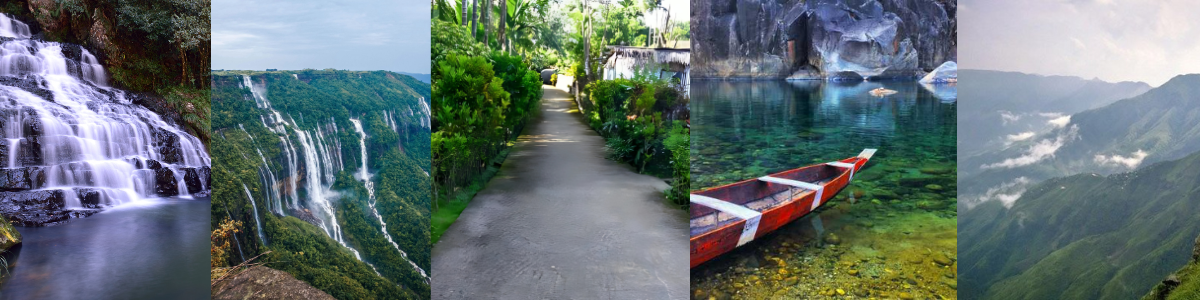
  • Best Time to Visit Meghalaya: Complete Seasonal Guide for Travel, Weather & Festivals

    Best Time to Visit Meghalaya: Complete Seasonal Guide for Travel, Weather & Festivals

    Nestled in the lush green hills of Northeast India, Meghalaya is a paradise for adventurers, nature lovers, and culture enthusiasts. Whether you’re chasing waterfalls, trekking through ancient forests, or immersing yourself in lively tribal festivals, the best time to visit depends on what you want to experience. Our guide breaks down the seasons, local events, and weather patterns to help you plan your perfect Meghalaya getaway.

    If you’re looking for a hassle-free way to explore Meghalaya’s best spots across the seasons, Tripjyda offers tailored travel packages that align with your preferred travel month, interests, and budget.


    Summer (March-May)

    In spring and early summer, Meghalaya is lush and warm. It’s around 20–25°C during the day in Shillong, and evenings are comfortable. The heavy monsoon rains usually haven’t started yet (they usually arrive in June), so spring can be a great time to go outdoors. The forests are waking up, and wildflowers abound in the meadows.

    Summer Places to visit

    • Weather: Warm days (about 23°C) and cool nights. Some pre-monsoon rains are expected by late May. Humidity is on the rise, but not yet at monsoon levels. 

    Activities:

    • Take trekking and nature walks along gentle trails. The hill slopes are green and picturesque.
    • See the world-famous living root bridges near Cherrapunji (Nongriat). The pleasant weather makes the 2-3 hour trek feasible.
    • Go on a boat ride on the green Umngot River at Dawki (in West Jaintia Hills). The water is particularly lovely in spring. Tripjyda’s customizable packages often include scenic boat rides in Dawki.
    • Visit caves such as Mawsmai or Arwah. They’re picturesque and great to visit.
    • Picnics near waterfalls (Elephant Falls near Shillong, or Seven Sisters Falls in Cherrapunji), as the streams begin flowing well. 

    Places to See:

    • Shillong: The capital hill station boasts of Shillong Peak, Elephant Falls, the Don Bosco Museum, and beautiful gardens. This is an appropriate base for summer excursions.
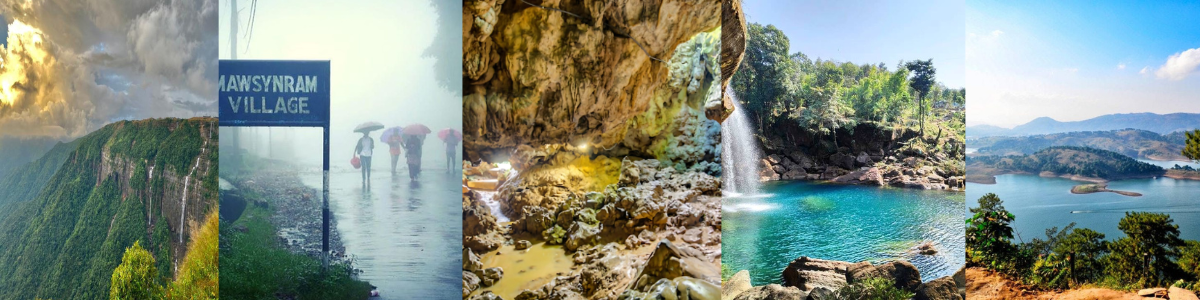
    • Cherrapunji (Sohra): Famous for record-breaking rain, Cherrapunji looks breathtakingly green during spring. Don’t forget Nohkalikai Falls, Seven Sisters Falls, and the Double Decker Root Bridge in Nongriat.
    • Mawlynnong Village: Dubbed the cleanest village in Asia,” Mawlynnong is serene and ringed with bamboo forests. It’s wonderful for a lazy afternoon.
    • Dawki: Renowned for the Umngot River, which remains clear and green, ideal for boating or kayaking.
    • Laitlum Canyons: Close to Shillong, these precipitous cliffs are great for watching the sunrise.

    Festivals: 

    Festivals Summer

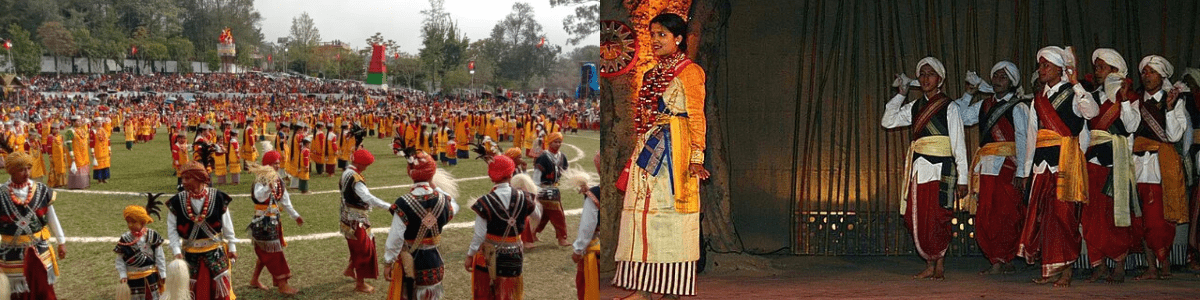
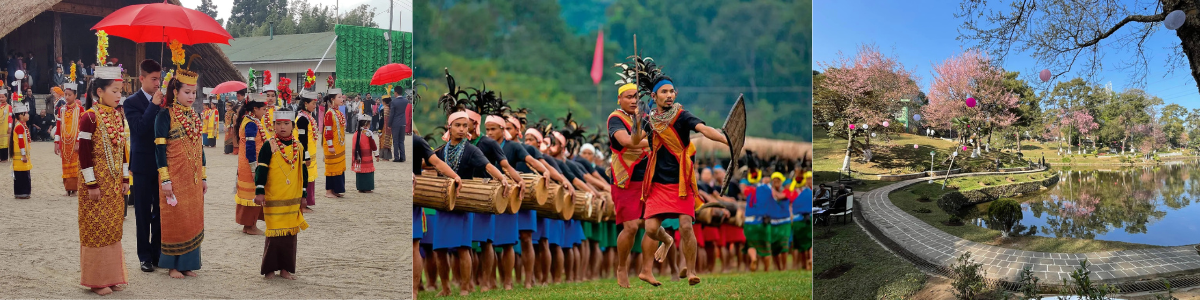
    • Ka Shad Suk Mynsiem – a vibrant Khasi dance and Thanksgiving festival in April/May (dates are different every year). Locals rejoice at the sowing season’s end with music and traditional wear.
    • Laho/Laho Dance – a Jaintia tribal dance festival near the end of spring.
    • (Meghalaya spring is also a season of local village fairs, where you can witness traditional sports and handicrafts.).


    Monsoon (June – September)

    Nohkalikai Falls, a stunning waterfall, swells with monsoon rains in Meghalaya.

    The monsoon season turns Meghalaya really “the land of clouds.” Rains come in June and continue (sometimes heavily) until October.

    Cherrapunji and Mawsynram are two of the wettest places on the planet, frequently receiving 10,000+ mm of rain a year.

    The mountains resemble a rainforest film set: all the waterfalls and creeks are thundering, the entire landscape is resplendently green, and mist frequently lingers in the valleys.

    • Weather:

    Extremely heavy rain, particularly during July–August. The temperature goes down a little (18–24°C), but it is extremely humid. Landslides can occur on country roads.

    Monsoon Paces to visit

    Activities: 

    • Waterfall Viewing: The monsoon season is the best time for viewing waterfalls. Go to Nohkalikai Falls, Seven Sisters Falls, and Dainthlen Falls – they are at their peak. (Take waterproof equipment and be careful of slippery tracks.) Tripjyda offers monsoon-friendly itineraries that focus on scenic drives and waterfall viewpoints.
    • Living Root Bridges: During the wet season, such natural bridges are alive and green. Hiking to Nongriat’s Double-Decker Root Bridge during heavy rain is exhilarating, but it’s safer, locals say, to go just when the rains let up (early October).
    • River Cruises: Umngot River at Dawki remains free of debris even during monsoon (no rain in the upper reaches), so boating is still possible if the weather is not stormy.
    • Birdwatching and Wildlife: Since 70% of the state is forested, monsoon is excellent for viewing jungle life – hoolock gibbons in the canopy, and exotic orchids flowering.

    Places to Visit:

    • Shillong: Cooler during monsoon and still happening (though certain hill roads could be wet). Spend time at museums or indoor markets when it rains.
    • Cherrapunji/Mawsynram: Though it rains, the rainscaping of rain-cloud-covered hills is never to be forgotten. The Mawsmai Caves are a fine, rain-proof excursion.
    • Krang Shuri Falls: Close to Dawki, this off-beat waterfall is emerald green and regal during monsoon.
    • Umiam Lake: On the outskirts of Shillong, this lake is misty and extremely atmospheric in the rain.

    Festivals:

    Behdienkhlam Monsoon

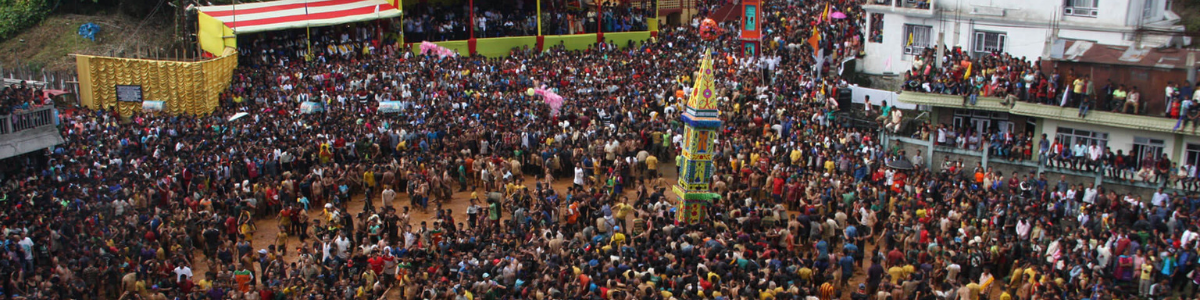
    Monsoon months have fewer large public festivals because of travel problems. But if you are in July, you can catch Behdienkhlam – a Jaintia harvest festival with drums and rituals to fight off evil spirits (held typically in Jowai).

    (Traveler tip: Provided you don’t mind getting wet and prefer fewer people, monsoon can also be rewarding. Just bring waterproof gear, a good raincoat, and sturdy shoes. Monitor road conditions and local advice, as landslides can sometimes block roads.)


    Winter (October – February)

    Meghalaya in winter is cool and dry – ideal for sightseeing.

    Daytime temperatures are usually in the 12–25°C range, and nights fall into single figures or even just below freezing in the higher hills.

    Heavy monsoon clouds clear by October, and the sky is blue with fresh air.

    The forests remain green because of the rains, and the countryside is crisp and clear.

    This is generally the best season to visit Meghalaya, balancing pleasant weather with local festivals.

    Weather:

    Dry and cool. October–November, still green hills and blooming flowers. December–January cold, particularly at night, but nice by day. Little or no rain.

    Winter places to visit

    Activities:

    • Hiking & Trekking: The best time for trekking in the Shillong fringes (Shillong Peak, Don Bosco Peak) and the more challenging David Scott Trail (Cherrapunji to Shillong).  You can book these guided treks through Tripjyda for a safe and enriching experience.
    • Kayaking & Boating: Take advantage of the crystal-clear waters of Dawki and Umiam Lake.
    • Spelunking and Caving: Spelunking in caves like Siju and Krem Mawmluh is safe and enjoyable without fears of flooding.
    • Scenic Drives: Wind through scenic mountain roads, stopping at viewpoints such as Laitlum and Kota Rock to watch the sunrise or sunset.
    • Photography: Clear daytime and leftover mist create wonderful photo opportunities for landscapes and bridges.

    Places to Visit:

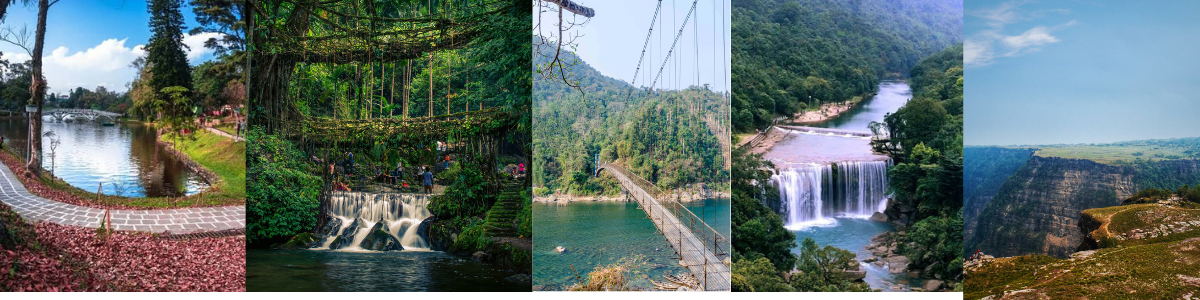
    • Shillong: Take in views such as Ward’s Lake, the Shillong Golf Course (also referred to as the Polo Grounds), and markets. Don Bosco Museum is great for the Northeastern tribe exhibits.
    • Cherrapunji/Sohra: Still lush and green, but with sunny skies. Go to Eco Park and Seven Sisters Falls. The Nongriat Root Bridge hike is quite manageable with minimal rain.
    • Dawki – Shnongpdeng: Umngot River region is ideal now. The river is still, and boats slide on crystal water.
    • Nongphlang Sacred Grove: A protected area near Shillong of an ancient forest. It’s peaceful in winter.
    • Balpakram & Nokrek (Garo Hills): If you go to the Garo Hills, winter is dry enough for national parks and waterfalls there as well.

    Festivals:

    Festivals winter

    • Christmas & New Year: Meghalaya is a Christian-majority state, hence Christmas (Dec 25) is celebrated with great enthusiasm. Shillong and Cherrapunji are aglow with carols, decorations, and village fairs.
    • Nongkrem Dance: A ritual Khasi dance ceremony (generally in Nov) to seek blessings for a good harvest.
    • Wangala: The 100-Drum Festival of the Garo tribe (Wangala) takes place in Nov/Dec. It’s a celebratory harvest festival with drum and dance.
    • Cherry Blossom Festival: (Early spring in Jan/Feb in Shillong – although technically outside winter). Cherry blossoms flower and celebrations take place in Shillong.


    Travel Tips:

    Here are some last tips for your trip

    Packing Advice:

    • Winter: Bring light sweaters or jackets and a single warm layer for cold evenings. Daytime may be sunny, but thin air makes it feel chilly.
    • Summer: Lightweight, breathable clothing is acceptable, but add a rain jacket for the occasional shower later in the season. Sunscreen and a hat are handy at higher elevations.
    • Monsoon: Pack a raincoat or poncho, waterproof shoes or sandals, and quick-drying clothing. A spare pair of socks and shoes is prudent for muddy paths.
    • General: Comfortable walking shoes are essential (paths may be uneven). A mini first-aid kit, mosquito repellent, and any necessary personal medications. If trekking, pack trekking poles and a headlamp.


    Travel Advice:

    • Book accommodation in advance during peak season (Dec–Jan) and festival times. Tripjyda can help secure stays in remote or in-demand locations, especially during major festivals. 
    • Roads in Meghalaya are winding and sometimes steep. If self-driving, drive carefully, especially in the rain. Alternatively, hire a local driver who knows the terrain. Many Tripjyda packages include local transport with experienced drivers.
    • Internet and phone signals can be patchy, especially in hills. Navigation plan and always inform someone of travel plans.
    • Respect local culture: Dress modestly when visiting villages or religious sites. Meghalaya is matrilineal – you’ll find communities very welcoming and proud of their heritage.
    • Eat local Khasi and Garo food – Fermented rice beverage (suji), bamboo shoot preparations, and local honey are special treats!


    Conclusion: 

    The beauty of Meghalaya also varies by season. Winter (Oct–Feb) typically has the best all-around conditions for travel and festivities. But spring and monsoon have special charms: spring’s refreshing coolness and summer blooms, and monsoon’s imposing waterfalls and deserted trails. No matter when you travel, pack wisely and travel safely.

    With curated Meghalaya tour packages from Tripjyda, you can explore at your own pace—whether you’re chasing monsoon mists, trekking to hidden bridges, or soaking in winter festivals.

    Whichever time of year you visit, Meghalaya will be a vacation to remember emerald-colored hills, rumbling waterfalls, and colorful tribal heritage. Take this page as your guide to Meghalaya travel, choose your prime season, and make the most of the numerous things to do in Meghalaya and places to visit in Meghalaya. Travel safely, and live the “land of clouds” to its full potential.