Tripjyada CMS Staging

Category: Blog

Your blog category

  • Discover Jungle Adventures in Jaldapara, Gorumara & Bengal Safari

    Discover Jungle Adventures in Jaldapara, Gorumara & Bengal Safari

    A Bengal Jungle Safari is the perfect way to spend a day you didn’t know what to do with. Picture this: you’ve just checked out of your cosy hill resort after breakfast, your bags packed with memories. Your flight or train out of Bagdogra (IXB) or New Jalpaiguri (NJP) isn’t until late evening. The day stretches ahead, golden and calm. So why rush straight to the station?

    Instead, take one last detour into the wild before you go. Just on your way down from the hills, Sevoke Bengal Safari offers 2–3 hours where you can trade the chaos of travel for the calm of nature, the rustle of leaves, the distant roar of a tiger, and birdsong echoing through the sal forest. It’s the perfect goodbye: one last brush with Bengal’s wilderness before heading home.

    The Wild Soul of Bengal

    West Bengal is home to some of India’s finest wildlife destinations. From the open grasslands of Jaldapara National Park to the dense sal forests of Gorumara and the easily accessible Bengal Safari Siliguri, each park offers its own glimpse into the state’s natural heritage.

    Jaldapara National Park: Land of the One-Horned Rhino
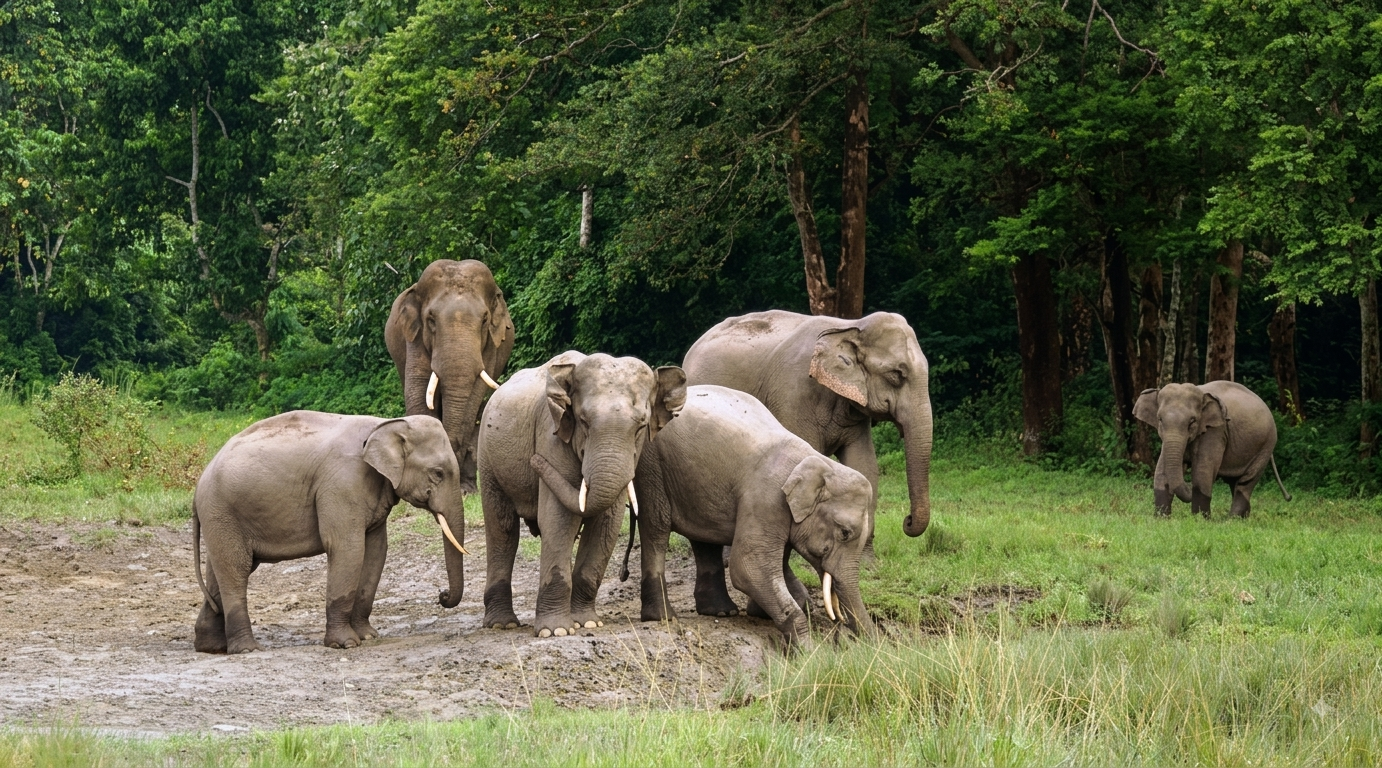
    Located in the Dooars region, Jaldapara is one of India’s best places to spot the one-horned rhinoceros. Its wide grasslands and meandering streams create a stunning backdrop for a Bengal Jungle Safari adventure.

    What you might spot:

    • One-horned rhinoceros
    • Elephants
    • Deer and peacocks
    • A wide variety of resident and migratory birds

    Morning jeep safaris here are pure magic — golden sunlight filters through the mist, and every corner feels alive with movement. For Jaldapara National Park online booking and ticket prices, check the official Jaldapara National Park booking portal and book your ticket in advance to skip the queues during peak season.

    Gorumara National Park: Bison, Birds, and Golden Light
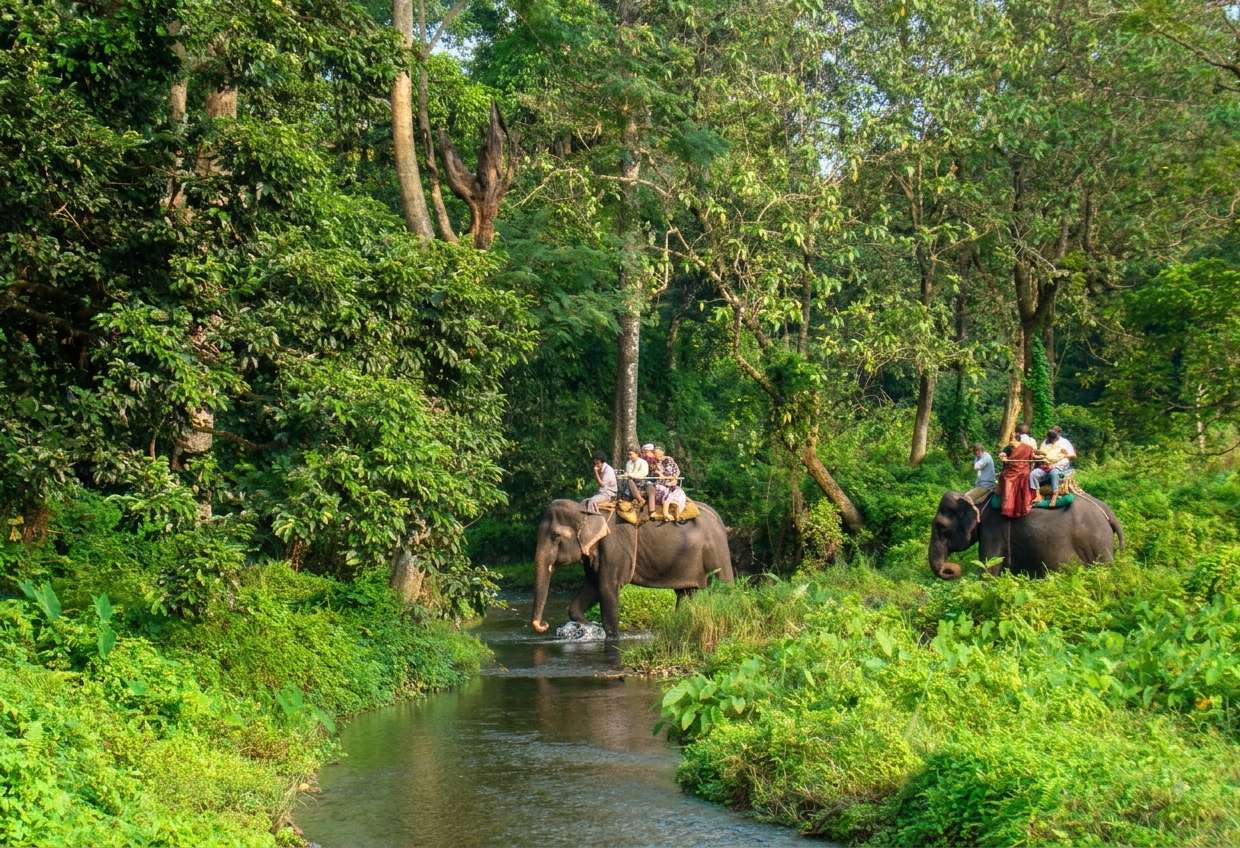
    Gorumara is a haven for wildlife lovers, known for its rich ecosystem of Indian bison, wild boar, hornbills, peacocks, and drongos. Dawn and dusk safaris here are especially memorable, as the forest glows in shades of orange and amber.

    Planning an overnight stay? Consider resorts near Gorumara National Park such as The Reserve Gorumara, or one of the many comfortable inns around Lataguri.

    Related Read: Kaziranga Jeep Safari: The African Safari Experience in India’s Wild East

    Bengal Safari Siliguri: A Quick Wild Escape
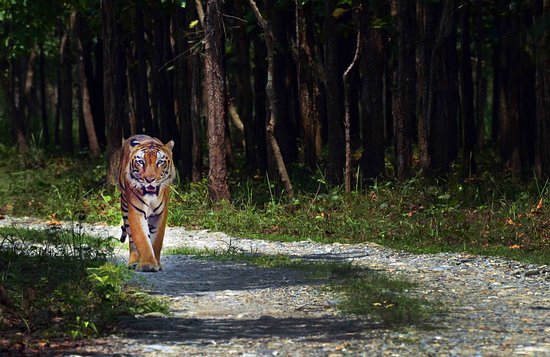
    Short on time but eager for a wildlife thrill? Bengal Safari Siliguri is the perfect choice. Located just outside the city, this well-maintained park packs a complete jungle experience into just a few hours, with tigers, leopards, deer, and Himalayan black bears roaming forested enclosures designed to mirror their natural habitats.

    Before you go, check:

    • Bengal Safari entry fees
    • Bengal Safari online ticket booking
    • Bengal Safari timing, since morning and evening safaris each offer a different experience

    The park is family-friendly and safe, making it ideal for anyone who wants a taste of the wild without travelling far.

    What Makes the Safari Experience Special

    A Bengal Jungle Safari isn’t just about spotting animals, it’s about feeling the pulse of the wild. Picture early morning fog lifting over the sal trees, the distant call of a peacock, and the thrill of spotting fresh pawprints in the mud.

    As night falls, the forest transforms: fireflies glow, cool winds whisper through the trees, and silence wraps the jungle in mystery.

    Related Read: Meghalaya Camping Itinerary – 3 Days of Adventure

    Where to Stay Amid Nature

    From resorts near Gorumara to eco-lodges close to Jaldapara National Park, Bengal offers stays for every kind of traveller. Expect warm hospitality, local cuisine, and evenings by the bonfire under a starlit sky.

    Best Time to Visit

    The best time for a Bengal Safari is November to April, when the weather is cool, clear, and ideal for wildlife spotting. Avoid the monsoon months (June–September), as many parks close during this period for safety reasons.

    Getting There: Travel with Comfort

    Make your jungle trip smooth and stress-free with Northeast Cab, our own cab service. We offer comfortable transfers from Siliguri to Jaldapara, Gorumara, and all major wildlife destinations in North Bengal. With reliable local drivers, your Bengal adventure begins the moment you hit the road.

    Your Ultimate Adventure Awaits

    A Bengal Jungle Safari is more than a trip, it’s a journey into the wild heart of nature. From rhinos grazing in Jaldapara to elephants roaming through Gorumara to tigers prowling in Bengal Safari Siliguri, every forest in Bengal holds a story waiting to be discovered.

    So grab your camera, pack your curiosity, and let Bengal’s jungles awaken your inner explorer. And if your heart still craves more mountains, mist, and magic, extend your journey with us.

    At Tripjyada, we don’t just plan trips, we craft experiences. From Sikkim and Darjeeling tour packages to offbeat North Bengal adventures, we bring you closer to the real beauty of the Himalayas. With comfortable cab services by Northeast Cab, experienced local drivers, and handpicked stays, your journey will be as smooth as it is memorable.
  • Meghalaya Camping Itinerary – 3 Days of Adventure

    Meghalaya Camping Itinerary – 3 Days of Adventure

    This Meghalaya camping itinerary is your invitation to hold your backpack, leave your laptop behind, and step into the raw forest of Meghalaya. Imagine waking up to the sound of a waterfall, hiking through untouched forests, watching the night sky, and sharing stories around a bonfire. A Meghalaya camp isn’t just a trip — it’s a raw adventure, unfiltered nature, and an experience that leaves you with unforgettable memories.

    If you’re craving a break from digital noise, this 3-day Meghalaya camping itinerary takes you deep into caves, forests, and rivers, where adventure and peace go hand in hand.

    Meghalaya Camping Itinerary at a Glance

    DayFocusHighlights
    Day 1Arrival & ImmersionScenic drive, campsite setup, bonfire evening
    Day 2The Adrenaline DayTrekking, caving, river-crossing, cliff-jumping
    Day 3Chill, Explore & FarewellSunrise walk, local markets, reflection

    Day 1: Arrival & Immersion Into the Wild

    Land at Shillong or Guwahati, the nearest hub for your Meghalaya camp. The road trip itself winds through mountain roads, lush valleys, and roadside tea stalls.

    By noon, reach your campsite, riverside, cliffside, or deep inside a forest, and feel the freshness of the wild northeastern air and crystal-clear water.

    • Set up your tent and settle into your surroundings
    • Sketch out the next day’s trekking plan
    • As night falls, gather around a bonfire with your group, enjoy some beverages, and let acoustic music and storytelling take over

    Reminder: always carry your waste back with you.

    Day 2: The Adrenaline Day

    Wake up early with your trip backpack ready, and set off to uncover Meghalaya’s hidden treasures — waterfalls, natural caves, and jungle trails.

    Pick your thrill for the day:

    • Caving through natural limestone formations
    • River-crossing
    • Cliff-jumping
    • Ziplining, available at some adventure hubs

    Along the way, spend time with local communities and tribes, and learn about their culture and stories.

    Safety tip: Adventure with caution, but don’t kill the thrill.

    Day 3: Chill, Explore & Farewell

    Start the day with a peaceful sunrise walk, a quiet way to reset before returning to regular life.

    Explore local markets for bamboo handicrafts, vibrant fabrics, and Meghalaya’s street food. Spend time soaking in the local lifestyle; its simplicity and warmth stand in beautiful contrast to the raw wilderness you’ve just explored.

    Before you leave, take a moment to reflect: three days in the wild can feel more refreshing than three months of city rush. If Meghalaya has made you fall in love with camping, Arunachal Pradesh offers an even rawer, wilder escape for your next trip.

    Essential Hacks for Your Meghalaya Camping Itinerary

    Backpack Checklist

    • Lightweight tent & sleeping bag
    • Sturdy trekking shoes
    • Reusable water bottle & energy snacks
    • Torchlight/headlamp
    • Travel backpack with waterproof cover
    • Personal medical kit
    • Power bank & minimal gadgets

    Best Season to Camp

    • October to April: clear skies, full waterfalls, and cool, pleasant weather, ideal for trekking, sightseeing, and stargazing
    • Avoid June–September: heavy monsoon rains make trails slippery

    Safety & Eco-Friendly Tips

    • Don’t litter — carry your waste back
    • Always trek in groups with a guide on unfamiliar trails
    • Respect local people, culture, and traditions
    • Switch off your phone often and connect with nature instead

    Final Thoughts

    A Meghalaya camping trip is for anyone who craves raw adventure, where forests, waterfalls, caves, and the night sky become your companions. These three days aren’t about luxury, they’re about living unfiltered moments in nature’s lap.

    So next time you feel trapped by deadlines and digital noise, pack your bags and let Meghalaya remind you what freedom feels like.

    Our North East tour packages are built for travellers who want more than sightseeing and think camping by waterfalls, cosy homestays, and raw adventures. With our own Northeast Cab, getting around is easy: friendly local drivers, comfortable rides, and zero travel stress.

    Pack light and we’ll handle the rest. Your Northeast adventure starts with Tripjyada.

  • Kaziranga Jeep Safari: The African Safari Experience in India’s Wild East

    Kaziranga Jeep Safari: The African Safari Experience in India’s Wild East

    Have you ever dreamed of an African safari but never left India? Think, golden grasslands stretching to the horizon, herds of bison grazing under the morning sun, and prehistoric-looking rhinoceros standing out against the wide, open sky.

    Welcome to Kaziranga National Park, the crown jewel of Assam and a UNESCO World Heritage Site, where a jeep safari almost feels like stepping into the African jungle without leaving India.

    Why choose Jeep Safari in Kaziranga?

    Kaziranga is not just another wildlife park, it is an exciting frontier of wilderness. Imagine you are driving in an open jeep, camera ready, heart racing, as you catch a glimpse of a tiger walking through the tall elephant grass and or watching elephants and the world-famous one-horned Indian rhinoceros in their natural habitat.

    The adventure is like an African safari, but with an Assamese soul. Here, every turn of the trail is alive with indomitable energy, raw landscapes and that unforgettable feeling of being inside nature’s theatre.

    What to Expect: Zones and Wildlife

    Kaziranga is divided into four safari zones, each offering a unique experience, just like exploring different African territories.

    • Central Range (Kohora) – The most popular, known for rhino sightings and a rich mix of wildlife.

    • Western Range (Bagori) – Great for elephants, swamp deer, and birdwatching.

    • Eastern Range (Agaratoli) – Dense forests, riverine landscapes, and abundant birdlife.

    • Burapahar Range – Less crowded, ideal for serene drives and spotting wild buffalo.

    During a safari, expect to see:

    • One-horned rhinos
    •  Wild buffalo & swamp deer
    • Asiatic elephants
    • Over 500 species of birds
    • Rare tiger sightings (if luck favours you!)

    Safari Timings

    Kaziranga Jeep Safaris run in two slots daily:

    • Morning Safari – 7:00/7:30 AM to 9:30/11:30 AM

    • Afternoon Safari – 1:00/1:30 PM to 3:30/4:35 PM

    Each ride lasts approximately 2 hours, allowing enough time to cover the major trails and spot plenty of wildlife.

    Prices and How to Book

    Safari costs are per jeep (max 5–6 people):

    • Indians: ₹4100–₹5500 (varies by zone)

    • Foreign Nationals: ₹7500–₹8500 (varies by zone)

    Additional charges: entry fee, guide fee, and camera fee.

    Pro tip: Always book through official government portals or onsite counters. Avoid third-party scams. Private vehicles are not allowed; only registered safari jeeps can enter.

    Vehicles: Types and Comfort

    The safari jeeps here are 4×4 Gypsies or Mahindra jeeps, usually open-top, perfect for wildlife photography and panoramic views. Each jeep seats 5–6 people comfortably and comes with a licensed driver and official guide.

    It’s the closest thing to an African game drive, only with Assamese hospitality sprinkled in.

    When is Kaziranga Open?

    • Open Season: October to early May

    • Closed Season: Late May to September (monsoon floods)

    • Best Time to Visit: November to April, when the skies are clear, the grass is shorter, and animals are easier to spot.

    How Does Kaziranga Compare to an African Safari?

    Both Kaziranga and Africa’s savannahs share vast grasslands, dramatic wildlife encounters, and that once-in-a-lifetime safari rush. But Kaziranga adds its own magic:

    • The one-horned Indian rhino, found nowhere else in such numbers
    • Scenic backdrops of tea gardens and misty Assamese mornings
    • Warm, welcoming Assamese culture

    It’s not just a safari, it’s a wild adventure with an Indian heartbeat.

    Travel Tips for Your Kaziranga Jeep Safari

    • Book early, popular slots get filled quickly.

    • Carry binoculars, sunscreen, and a camera.

    • Wear earthy tones (avoid bright clothes).

    • Respect park rules, no littering, no loud noises, and never step out of the jeep.

    Read More…Paragliding in Sikkim: Everything You Need to Know Before You Fly

    Final Word

    If Africa feels too far, Kaziranga Jeep Safari is India’s very own African-style adventure. It’s thrilling, soul-stirring, and absolutely unforgettable. From the mighty one-horned rhino to the golden savannah-like grasslands, Kaziranga is where India’s wild east roars to life.

    If you are planning to explore offbeat places? Then check out our official website, darkgray-goldfinch-927720.hostingersite.com/ , to get our popular Tour packages.

    And if the charm of Northeast India calls you, don’t miss our other website, SikkimDarjeelingTourism.com, your gateway to unforgettable adventures across Sikkim, Darjeeling, and beyond

    So why wait? Pack your bags, book your safari, and let Kaziranga’s wild heartbeat echo in your soul.

  • NH 10 Road Update: Landslide Blocks Route at Chitrey & Selfie Dara

    NH 10 Road Update: Landslide Blocks Route at Chitrey & Selfie Dara

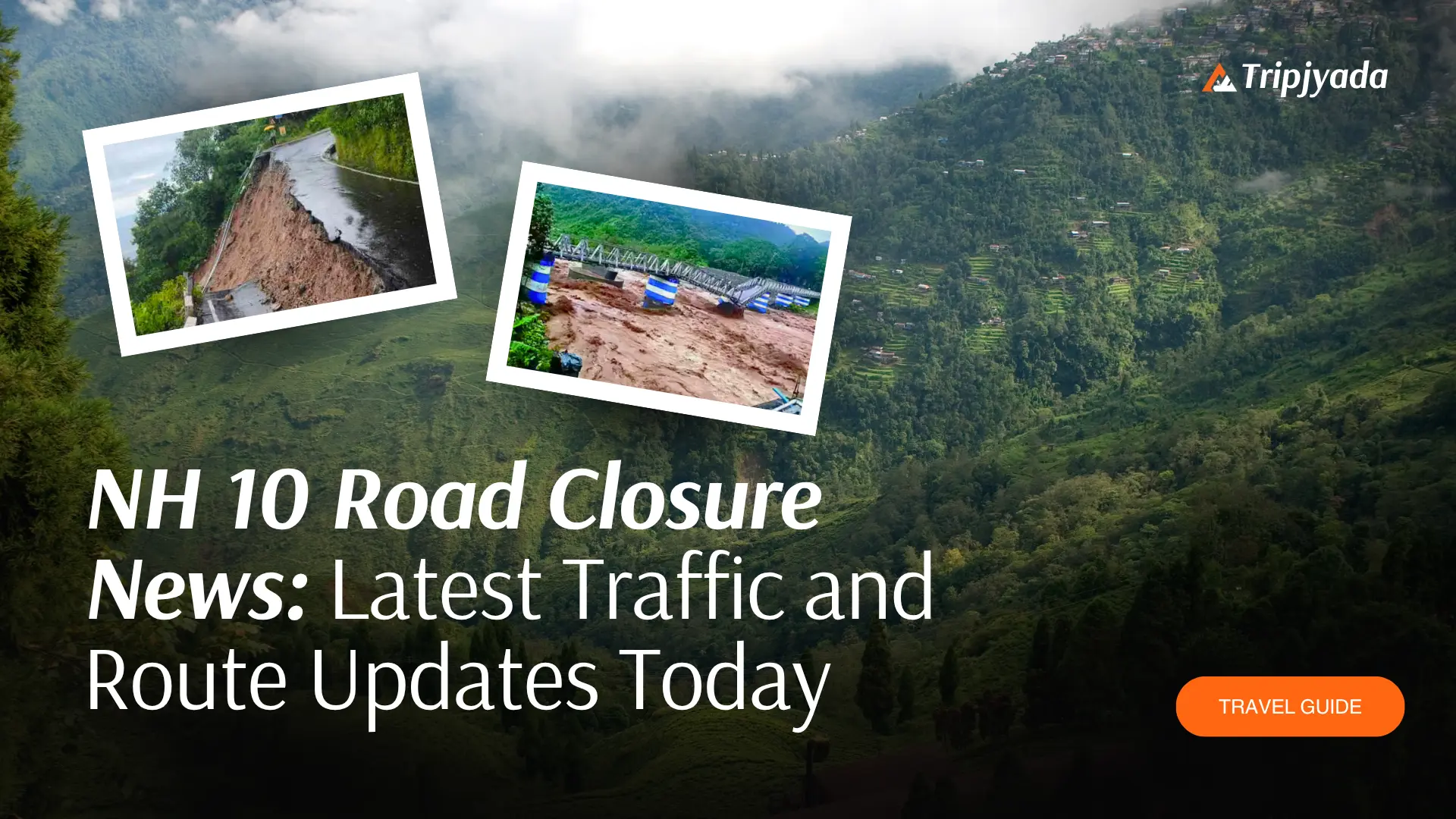
    As per the latest NH 10 Road update, the NH 10 highway, which was closed on 5th October 2025 due to a massive landslide at Chitrey and Selfie Dara, has now reopened for vehicles and tourists. Authorities started clearing the debris immediately and declared the road safe for controlled movement by early morning today (6th October).

    Authorities have acted promptly, clearing the debris and ensuring the road is motorable again. However, travellers are advised to remain cautious, as the route may temporarily close again if the weather worsens or if fresh landslides occur.

    Alternative Route & Charges

    Vehicles are taking alternative routes as authorities manage traffic for a smooth journey. The diversion cost may vary depending on road conditions, route distance, and current circumstances. While travel times might be slightly longer, taking the alternate route remains the safest and most reliable option for travellers heading toward Sikkim until the NH 10 road update in Siliguri today shows improvement.

    Would you be able to find reliable cab services in Sikkim? Visit our official website, Northeast Cab, a trusted unit of Tripjyada, for all your travel needs.

    Situation Update & Safety Advisory

    We know that the North Bengal situation is bad, not as bad as it is being portrayed. While travel was affected yesterday, The Government has been vigilant, providing essentials and managing operations. NDRF and CISF teams have been actively assisting in rescue and monitoring efforts for the past two days. Gradually, things are returning to normal in both North Bengal and Sikkim. However, exaggerated news coverage could harm tourism recovery, affecting local businesses and livelihoods.

    Train & Transport Update: North Bengal Routes

    Train movement across North Bengal has mostly resumed, with only minor delays on select routes due to waterlogging and track inspections. Travellers heading to New Jalpaiguri (NJP) or Darjeeling are advised to confirm train schedules.

    Train services across North Bengal have been partially affected on 06/10/25 due to flooding, track inspections, and minor washouts. Several trains have been cancelled, diverted, or short-terminated for safety reasons on 06/10/25

    Diversions:

    • 15483 Alipurduar Jn → Delhi Express

    • 19306 Kamakhya → Dr Ambedkar Nagar Express

    • 00234 Sairang → Khagaria Special

    • 15934 Amritsar → New Tinsukia Express

    • 15622 Anand Vihar Terminal → Kamakhya Express

    • 15484 Delhi → Alipurduar Jn Express

    • 13150 Alipurduar Jn → Siliguri Jn Express

    • 12506 Anand Vihar Terminal → Kamakhya Express

    • Sealdah → Alipurduar Jn (Kanchankanya Express)

    Cancellations:

    • New Jalpaiguri → Alipurduar → New Jalpaiguri Passenger Special

    • Dhupguri → New Coochbehar MEMU Special

    • Siliguri → Alipurduar Intercity Express

    • Guwahati → NJP Intercity

    • 15768 Alipurduar → Siliguri Intercity

    • NJP → Guwahati Express

    • Authorities have temporarily suspended Darjeeling Himalayan Railway (Toy Train) services due to safety concerns.

    Emergency Helpline Numbers

    If you’re travelling or planning a trip to Sikkim, Gangtok, or Darjeeling, keep these emergency contacts handy:

    • Darjeeling District Control Room: 0354-2255749

    • BRO Helpline (Road Status): 0353-2550303

    Situation Overview

    While the visuals on social media may appear alarming, the ground situation is steadily improving. Authorities have restored connectivity on NH 10 between Siliguri and Gangtok. And the Darjeeling news indicates gradual normalisation across the hills.

    For verified road and travel updates, stay connected with darkgray-goldfinch-927720.hostingersite.com/, your trusted partner for Sikkim and North Bengal travel news.

    Stay safe, stay informed, and travel responsibly.

  • Why you should visit Meghalya in your 20s atleast once

    Why you should visit Meghalya in your 20s atleast once

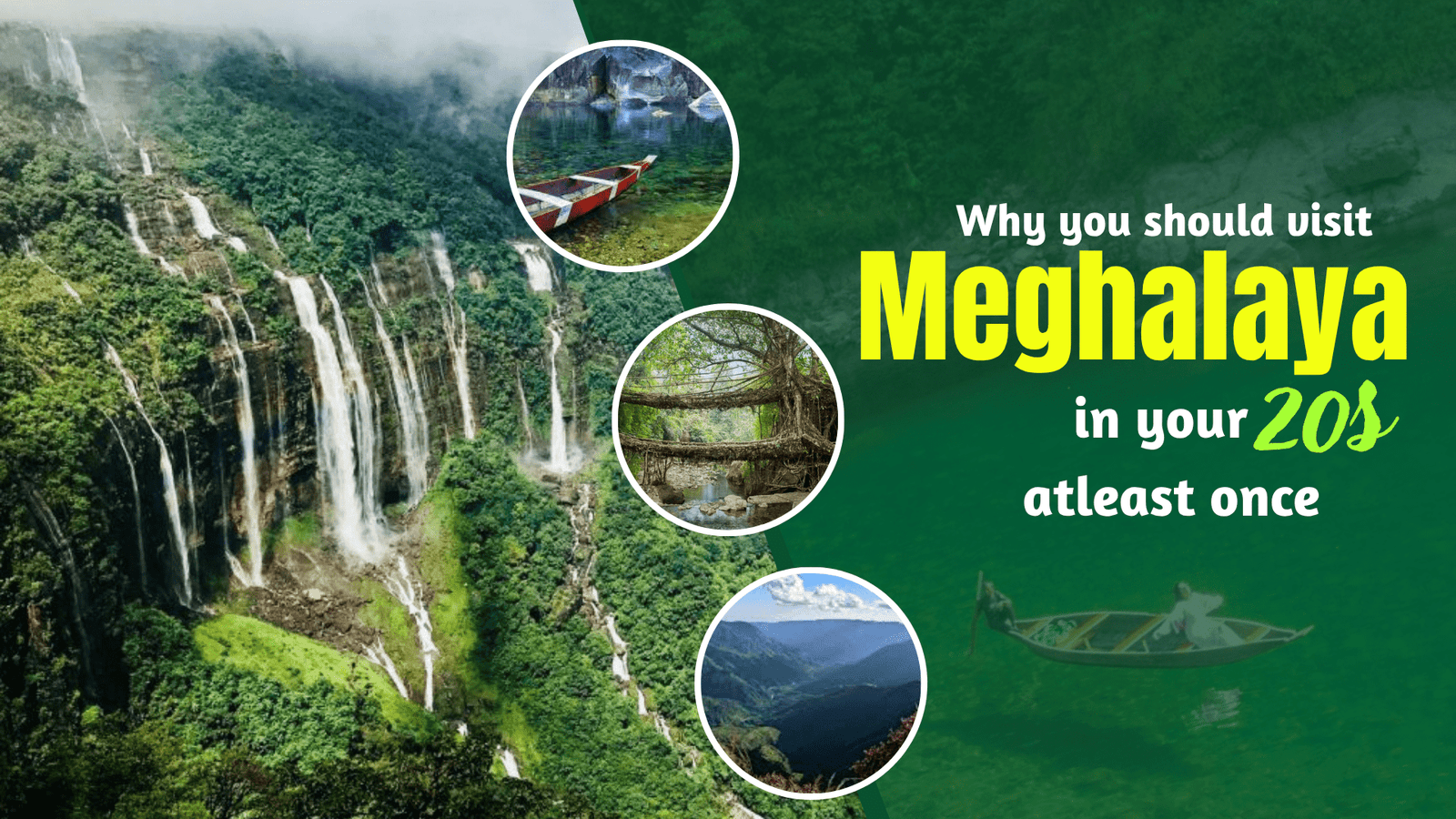
    There’s something magical about visit Meghalaya in your 20s. Meghalaya , the “Abode of Clouds” – is calling your name. Trust me, this isn’t just another vacation; it’s the adventure that’ll have you ditching your 9-to-5 dreams for misty hills and heart-pounding treks. Why hit up Meghalaya tourism now, when your energy’s endless and your Instagram’s begging for those unreal shots? Let’s dive in, simple, real talk ahead. And don’t forget to click Meghalaya photos for recall your priceless memories.

    Chase Meghalaya Waterfalls

    You’re 25, backpack slung over your shoulder, hiking to gushing cascades that look straight out of a fantasy movie. Waterfalls in Meghalaya are next-level, think Nohkalikai Falls plunging 340 meters into a turquoise pool, or the multi-tiered Elephant Falls in Shillong, Meghalaya, where you can dip your toes after a quick scramble. In your 20s, you’ve got the stamina to chase these hidden gems without a second thought. Pro tip: Snap those Meghalaya images at golden hour, your feed will explode!

    Read More…  Meghalaya Waterfalls

    Trek Bamboo Paths and Caves

    Your 20s are for pushing limits, right? Sign up for a Bamboo Trek Meghalaya through lush forests, or spelunk in Mawsmai Cave’s limestone wonders. It’s raw, it’s real, and it’s way better than scrolling through Netflix. Bonus: Spot wildlife in Meghalaya National Park, think clouded leopards and exotic birds that make every step epic!

    Explore Dawki’s Crystal River

    Head to Dawki, Meghalaya, where the Umngot River is so clear, you can see 100 feet down, boats literally float on reflections! Paddle with friends, border-hop vibes to Bangladesh, and let the calm wash away your worries. In your 20s, this is prime time for those spontaneous group pics and late-night laughs under the stars.

    Swing on the Living Root Bridge

    Nothing roars “youthful adventure” like crossing a bridge grown from tree roots. The iconic Living Root Bridge Meghalaya (or double-decker wonder in Nongriat) is a 500-year-old marvel shaped by locals, no concrete, just pure genius. Trek down 3,000 slippery steps, feel the adrenaline, then chill with a cold drink at the bottom. It’s the kind of story you’ll tell at every party. Why wait till you’re “too old” for this? Do it now!

    Don’t forget to try Meghalaya Foods

    Forget bland diets? Meghalaya food is a flavor bomb! Devour Jadoh (spicy rice with pork) or Dohneiiong (tangy meat curry) from roadside stalls in Shillong. Pair it with local rice beer, and you’ve got the ultimate post-trek feast. Your taste buds (and foodie Insta) will thank you, it’s cheap, authentic, and oh-so-satisfying.

    Read More… Explore Local Markets in Meghalaya For Authentic Ingredients

    Best Time to Visit Meghalaya

    Best time to visit Meghalaya is from October to April, when the Meghalaya weather is crisp (15-25°C) and skies are clear for all the action. Skip monsoons unless you love epic rains, but winter’s perfect for festivals. Catch Meghalaya festivals like the vibrant Shad Suk Mynsiem dance, colorful costumes, music, and that feel-good energy that’ll recharge your soul.

    Why Visit Meghalaya in Your 20s? Adventure Awaits!

    Your 20s are for epic adventures, and Meghalaya delivers! Chase jaw-dropping Meghalaya falls like Nohkalikai or Elephant Falls, Shillong, Meghalaya, trek to the iconic living root bridge Meghalaya, and boat on Dawki Meghalaya’s crystal-clear river.

    Look, life’s too short to save the wild stuff for later. Meghalaya in your 20s? It’s the reset button you didn’t know you needed, misty mornings, belly laughs with buddies, and memories that’ll outlast any job drama. Who’s packing first?

    Choose Your Meghalaya Adventure With Tripjyada

    The first question comes out Why Tripjyada? We’re not just tours; we’re your hype squad. Flexible add-ons for Meghalaya festivals or wildlife jaunts in Meghalaya National Park, zero hidden fees, and to keep Meghalaya tourism guilt-free and stunning.

    Don’t let FOMO win. Head to darkgray-goldfinch-927720.hostingersite.com/, book your Meghalaya tour package, and turn those scrolls into stories. Your 20s await, let’s make your journey unforgettable.

    At Tripjyada, we not only help you explore Meghalaya but also offer complete travel solutions across the Northeast and Himalayas. You can check our:

    • Sikkim Tour Packages for a blend of monasteries, lakes, and mountains

    • Darjeeling Tours for tea gardens and the iconic toy train experience

    • Arunachal Tours for untouched landscapes and tribal culture

    • Bhutan Travel Packages for monasteries, fortresses, and rich traditions

    Wherever you choose to go, we make sure your journey is comfortable, memorable and unforgettable. So, whether it’s chasing waterfalls in Meghalaya or soaking in the views of Bhutan, your next adventure is just a click away.

    So, Book Your most desired tour package today and tag us in your epic shots!


  • Bhutan In Winter: Why It’s the Best Time to Explore the Land of the Thunder Dragon

    Bhutan In Winter: Why It’s the Best Time to Explore the Land of the Thunder Dragon

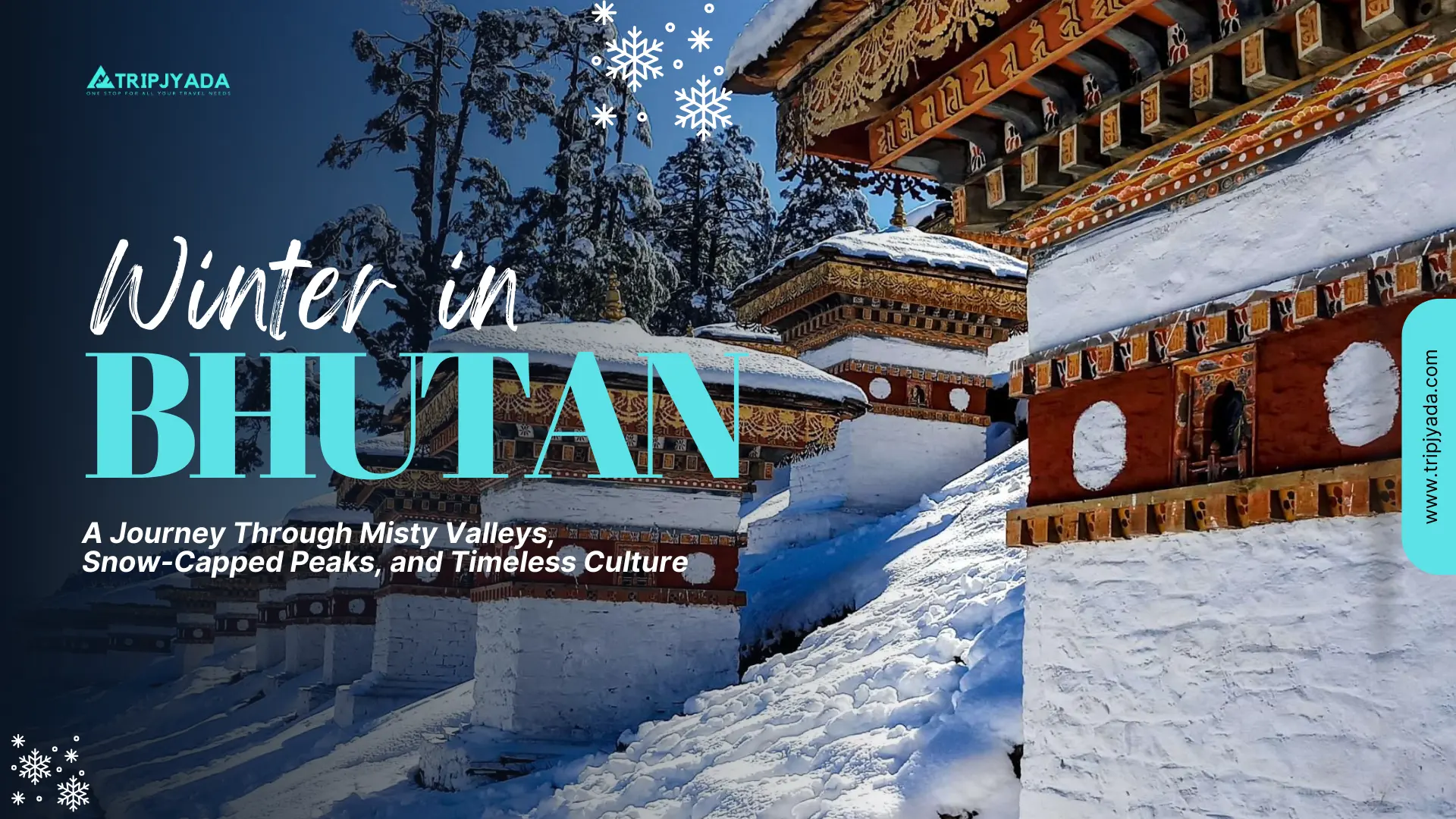
    Imagine waking up in the morning in the Himalayas, the air so clear it looks like a deep breath for your soul. The solar puts a golden glow on the snow-dust monasteries, and the royal peaks of the Himalayas are long-standing towards a clean blue sky. This is not a dream; it is Bhutan in winter.

    If you are thinking of winter, Bhutan provides an attractive experience that is both calm and virtuous.

    1. Breathtaking Winter Landscapes

    Bhutan transforms properly into a snow-covered wonderland. The valleys are totally in white, and the peaks are dusted with snow, looking like a canvas. The smooth skies and crisp air make the climate ideal for shooting and photography.

    If you’ve ever dreamed of a Bhutan tour that appears like stepping into a fairy story, minus the crowds and chaos, then Bhutan in winter is your golden ticket. Forget the summer season monsoons or shoulder-season scrambles;  weather (December to February) is a satisfactory time to visit Bhutan for that raw, soul-stirring serenity.

    2. Witness the Black-Necked Cranes

    From past due October to mid-February, the Phobjikha Valley will become a sanctuary for the rare black-necked cranes. These majestic birds migrate from the Tibetan Plateau to Bhutan’s vital valleys, presenting a unique wildlife spectacle. Observing their sleek moves against the snowy backdrop is a once-in-a-lifetime experience for nature fanatics.

    3. Explore Tranquil Monasteries

    Along with fewer tourists, you have the opportunity to find out the hidden treasure of Bhutan. The Haa Valley, for instance, offers a glimpse into traditional Bhutanese life, with its untouched landscapes, alpine forests, and vibrant culture.  Wandering along quiet trails lined with fluttering prayer flags, or standing by frozen streams reflecting the snow-capped peaks, it feels as if the entire valley has reserved its beauty just for you. These moments of peace not only make Bhutan a destination in winter, but experience of peace and self-consciousness.

    4. Ideal Conditions for Trekking

    The snow season in Bhutan is like a present waiting to be opened for any person with a sense of adventure. The more the altitude increases, the more the cooler the air. The blue skies are remarkable, not only to glance at but to be in. The best part of the trek is, guess what?? The view!! Banks of ice cool blue, with a ting of frothy white, can be seen at a lower altitude, giving an ice paradise feeling. The untouched, serene, splendid Gangtey Nature Trail remains welcoming to all. The blanket of white and these treks together give a feeling of a starry-eyed daydream.

    5. Celebrate Nyilo –The Winter Solstice Festival

    Every January, Bhutan lights up with Nyilo, the winter solstice festival. It’s more than just a change in seasons. It’s a celebration of new over old, marking the shortest day of the year and the welcoming of longer, brighter days ahead. Families gather, rituals are performed, and prayers fill the air with hope and positivity.

    For travellers, being part of Nyilo is a rare chance to see Bhutan beyond the monasteries and mountains. It’s about sitting with locals, sharing laughter, tasting traditional food, and feeling the joy of a community coming together.

    Read More…Tshechu Festival 2025: A Spiritual and Cultural Celebration in the Hills

    6. Discover Hidden Gems

    Now, Bucketlist Bhutan is almost empty, only to be saved for the ice king’s castle, or summer castle. Not Bhutan but the Haa Valley is a whole beautiful story itself. Here, the movement of life synchronizes with the movements of the flag twirls. Endless calm Highway Road of Peace, decorated with the smell of prayer and soft showers of mist at sunset, adds a variety of bangles to the view from the Royal Castle of Haa Valley. Only you and the fortress, and the soft sigh of prayer wheels and snow-decorated gardens exist. The other end of the sky is still waiting for you. The moment is so fast and innocent. The powerful imagination is waiting to jump from the cuffs of day.

    Ready to escape on Your Winter Adventure?

    If you are eager to experience Bhutan’s winter magic, do not look beyond. Tripjyada ensures a spontaneous and memorable journey, offering a customised Bhutan tour package. Whether it is looking at the black-necked crane in the Phobjika Valley, celebrating Nyilo with the local people, or trekking through the serene snow-kissed landscapes. Tripjyada has covered you.

    What you need for your Winter Journey

    • Pack warm clothes: layered clothes, thermal wear, and waterproof gear are required. 
    • Booking: Even in the off-peak season, festivals and guesthouses quickly fill.
    • Stay hydrated and preserved: Dry air can dehydrate the skin; Take moisturizer and lip balm.
    • Respect local customs: Take permission in the Dress modestly and before taking pictures of the local people. 
    • Check the road conditions: Snow can temporarily block near the mountain; plan your route accordingly.

    Ready to escape on Your Winter Adventure?

    If you are eager to experience Bhutan’s winter magic, do not look beyond. Tripjyada ensures a spontaneous and memorable journey, offering a customised Bhutan tour package. Whether it is looking at the black-necked crane in the Phobjika Valley, celebrating Nyilo with the local people, or trekking through the serene snow-kissed landscapes. Tripjyada has covered you.

    What makes the experience truly special is the personalised touch. From handpicked stays in charming Bhutanese lodges to curated itineraries that balance adventure with relaxation. With specialist local guides, smooth transport, and carefully planned cultural immersion, your journey will be a story to remember.


  • Navratri & Durga Puja 2025 Dates, Rituals & Significance: Complete Festival Guide

    Navratri & Durga Puja 2025 Dates, Rituals & Significance: Complete Festival Guide

    In that part of the “silence” of the universe where secretly stars talk, and the rivers sing to the moon, floats an energy as old as time: the divine feminine. She is an essence of the divine. She is a force that breathes spirit into creation.  She is the same spirit that tenderly and fiercely holds a soul and says, “You are enough,” & then roars, “YOU ARE LIMITLESS.” She is the essence of power, love, and transformation, Shakti, waiting to ignite your world with graceful, purposeful fire to celebrate life.

    <p>As the year 2025 approaches, it will bring yet another grand celebration of India’s devotion and colourful festivities for the well-known holidays of Navratri and Durga Puja. While these two festivals are celebrated in their own unique ways throughout the country, they embody the same core philosophy: the triumph of good over evil and the continued celebration of the powerful Goddess Durga. This guide will help you understand and celebrate the magic and rituals of these two holidays.

    Also Explore…Zero Point in 2026: New Rules, Permit Updates, Best Months to Visit & Travel Tips

    Why Navratri & Durga Puja Matter So Much

    Deep, this festival is the way of the universe to give us bright approval. Goddess Durga, with her lion mount and ten weapons, enhances cosmic weapons. The Buffalo demon fights Mahishasura for nine fierce nights and kills him on the tenth. This is not just a story; it is a reminder that strength, especially the divine feminine kind, always wins!

    durga puja dates 205

    >But deeper than that, Navratri celebrates Shakti. It is the powerhouse energy in all of us, shaking off negativity like dust from a festive sari. This is the time of renovation, reflection, and yes, major joy, the bond of homemade prasad and families. For Durga Puja, this is extra special, a shout for compassion, courage,e and creativity, narrating stories of heritage and hope with every pandal.

    navratri dates 2025

    >In 2025, as we face our own “demons”, this festival whispers: You have found it, because Ma has got your back. What is not to love pure bliss, pure power, love?

    Navratri & Durga Puja 2025 Dates You Can’t Miss!

    Navratri 2025 Dates (Sharadiya/Autumn Navratri)

    • Day 1: Monday, September 22, 2025 (Pratipada) — Shailputri Puja

    • Day 2: Tuesday, September 23 — Brahmacharini Puja

    • Day 3: Wednesday, September 24 — Chandraghanta Puja

    • Day 4: Thursday, September 25 — Kushmanda Puja

    • Day 5: Friday, September 26 — Skandamata Puja

    • Day 6: Saturday, September 27 — Katyayani Puja

    • Day 7: Sunday, September 28 — Kalaratri Puja

    • Day 8: Monday, September 29 — Mahagauri Puja

    • Day 9: Tuesday, September 30 — Siddhidatri Puja

    • Navratri ends on Wednesday, October 1, 2025

    • And Vijaya Dashami / Dussehra is on Thursday, October 2, 2025,  the day after Navratri concludes.

    Durga Puja 2025 Dates

    • Mahalaya – Sunday, September 21, 2025
      Devotees wake before dawn to understand ‘Mahishasura Mardini’, which marks the arrival of Maa Durga. ‘Devotees’ here refers to regional followers, and it does not necessarily indicate followers of the Hindu faith. This is a practice that the regional devotees carry out to observe, worship, and understand the teachings of the Hindu Holy Scripture.

    • 1st Day: Maha Shashthi – Sunday, September 28, 2025
      The Goddess is welcomed with rituals, the disclosing of idols, and the thrashing of dhaks (traditional drums).

    • 2nd Day: Maha Saptami – Monday, September 29, 2025
      Kolabou Puja takes place, symbolising prosperity. The festivities pick up with rituals and cultural events.

    • 3rd Day: Maha Ashtami – Tuesday, September 30, 2025
      The puja’s zenith is reached on this day with the Sandhi Puja, Anjali offerings, and Kumari Puja.

    • 4th Day: Maha Navami – Wednesday, October 1, 2025
      Blaze the sacred fire, worship the Goddess, and render the last words of devotion with all to bhakti and bhav.

    • 5th Day – Vijaya Dashami (Dashami / Dussehra) – Thursday, October 2, 2025
      The emotional farewell, Durga Visarjan, sindoor khela for married women, with all the offerings, Dashami Visarjan, and quiet prayers as she departs.

    Durga puja and navratri dates 2025

    Explore…Festival of Sikkim: A Guide to the Top 5 Cultural Celebrations

    Echoes of the Festival

    <p>With a fading of chants and a silence of dhak and another stillness of sound. The spirit of Navratri and Durga Puja rests in our hearts like a fading echo and a distant shadow. Gossip is, indeed, divine and feminist as it showers love, rest, and inspiration upon its devotees. The nine nights and five days are an elaborate exercise that captures the very essence of love and hope. It is the spirit of new beginnings. Darkness to light, indeed.<p>Hopefully, the coming year is full of Maa Durga’s blessings that foster love and innumerable happiness, as well as muscles for lifting.

    Read More…How Safe is Traveling to North Sikkim in Winter? Tips and Precautions

    Last Beat ok Dhaak

    <p>If you want to sense the spirit of the Navratri and Durga Puja behind the thoughtful and charming mountain ranges. Then, your personal companion for the trip and any other tricky outer reunion will be Tripjyada. Tripjyda organises journeys to any thoughtful places worth wandering around. And will undoubtedly set aside time for the creation of some truly divine, memorable experiences. Memories polished and adorned with joy will shine.<p>I hope you enjoy the unscripted journeys of your imagination. It is filled with Dhammaka Pooja, Navratri, and the adventures of your dreams to segments of planet Earth. Yet never touched by human feet, where you will dance barefoot on radiant white sands beneath the light of a thousand suns.

  • 10 Offbeat Sikkim Destinations for 2025 You Can’t Miss

    10 Offbeat Sikkim Destinations for 2025 You Can’t Miss

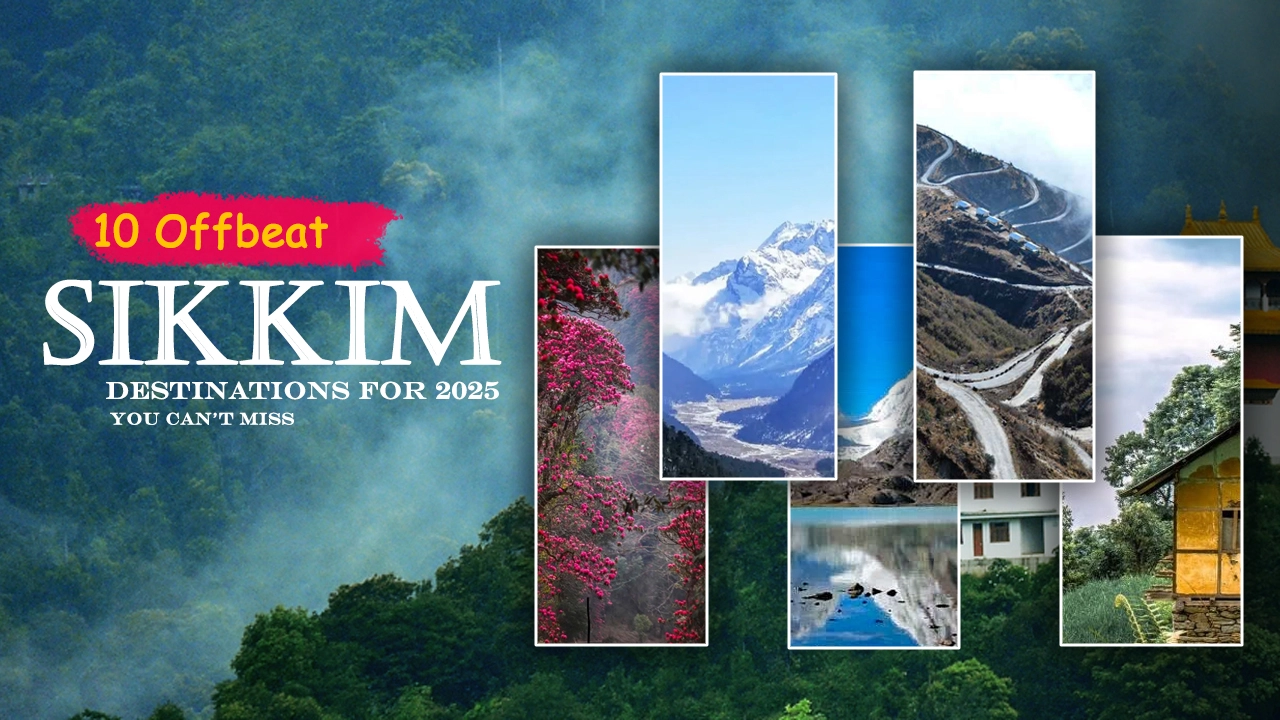
    Sikkim is calling in 2025. And it is much more than Gangtok or Pelling! If you are tired of the same old tourist checklist, the time has come to dive into the hidden side of Sikkim. Imagine waking up in a comfortable Sikkim offbeat homestay for the joints, drinking local butter tea, and gazing at the snow-surrounded peaks without congestion. From the serene valleys, where prayer flags dance to the monasteries in the air, the hum with centuries of wisdom, these offbeat Sikkim tourist places are pure magic. Whether you are planning a romantic migration, a single adventure, or a fresh Sikkim offbeat journey program for your Instagram feed, these are the 10 offbeat destinations that everyone will be talking about, not yet.

    So why wait for the crowd? Let’s uncover the offbeat Sikkim gems before they become tomorrow’s hot spots.

    1. Zuluk: Roads on the Old Silk Route

    Away in Eastern Sikkim, the business is a small village that still feels untouched by modern tourism. Main part? Its curved, snake-like roads that dramatically bend along the old Silk Route offer wide views of the Eastern Himalayas. Imagine waking up in a comfortable Sikkim offbeat homestay in a haze-covered valley, sipping the tea as a roll of clouds. For road trippers and history lovers, Zuluk is a hidden treasure that offers adventure with raw beauty.

    Why visit? Zuluk’s charm is its raw, untouched vibe, making it a top place to visit in Sikkim for adventure seekers.

    2. Nathang Valley: A High-Altitude Paradise

    Beautifully sitting at 13,500 feet, the Nathung Valley is often called “East Ladakh”. It is a high-altitude meadow of air, where the landscape turns into every season, snow-clad in winter, golden-brown in autumn, and lush green in summer. Basic but warm Sikkim offbeat homestays for couples make it an ideal escape if you’re chasing romance under the stars. Pair this with nearby North Sikkim tourist places and you’ll have an itinerary that screams adventure.

    Pro tip: Pair it with a North Sikkim tourist places itinerary for an epic adventure.

    3. Thangu Valley: Remote Bliss Near Gurudongmar

    Thangu Valley, a remote stop en route to Gurudongmar Lake, is a high-altitude gem at 13,000 feet. Surrounded by rugged mountains, it’s perfect for those seeking solitude. Stay in a local homestay and savour Sikkim food like thukpa to warm up.

    Why it’s special: Its isolation makes it a true Sikkim offbeat destination for 2025 travellers.

    4. Dzongu Valley: Lepcha Culture Haven

    Dzongu is more than just an offbeat spot, it’s an experience. Protected as a Lepcha reserve, this hidden corner of North Sikkim is filled with lush forests, rushing rivers, and old-world charm. Staying at a Sikkim offbeat homestay here means learning Lepcha traditions, trying millet beer, and connecting with nature at its purest. Couples will especially love the privacy and the chance to disconnect from the world.

    Travel hack: Book a Sikkim offbeat homestay for couples here for a romantic, nature-filled getaway.

    5. Borong & Ralang: Serenity and Hot Springs

    If peace had an address, it would be Borong and Ralang in South Sikkim. Known for their steaming natural hot springs and the grand Ralang Monastery, these villages are tailor-made for slow travellers. Whether you’re soaking in the healing waters or enjoying homely meals at a local stay, this is where you unwind. A must-add to your Sikkim offbeat itinerary if you want spirituality wrapped in serenity.

    Why go? A hidden gem for a relaxing Sikkim offbeat itinerary with a spiritual twist.

    6. Yuksom: The Trekker’s Paradise

    Yuksom, the first capital of Sikkim, is a West Sikkim offbeat place that’s a haven for trekkers. It’s the gateway to the Goechala Trek and home to historic sites like Norbugang Park. Stay in a local homestay and enjoy Sikkim’s famous places without the crowds.

    Fun fact: Yuksom’s laid-back vibe makes it a top pick for adventure lovers in 2025.

    7. Tendong Hill: Panoramic Himalayan Views

    Tendong Hill in South Sikkim offers 360-degree views of the Himalayas and lush forests. A short trek leads to this peaceful spot, perfect for nature lovers. Pair it with a Sikkim offbeat homestay nearby for a budget-friendly stay. Spend a night in a homestay nearby, and you’ll see why this spot is a rising star among places to visit in Sikkim for 2025.

    Why visit? It’s a lesser-known place to visit in Sikkim that’s climbing the charts for 2025.

    8. Tashiding Monastery: The Spiritual Heart of Sikkim

    Tashiding Monastery, perched in West Sikkim, is a spiritual hub surrounded by misty hills. Perched high in West Sikkim, Tashiding Monastery is often called the “soul of Sikkim.” Wrapped in mist and prayer flags, it’s the kind of place that instantly calms you. It’s perfect for meditation and soaking in Buddhist culture. Nearby homestays offer a cosy base to explore.

    Pro tip: Visit during the sikkim Festival for a vibrant Sikkim offbeat experience.

    9. Barsey Rhododendron Sanctuary: A Blooming Wonderland

    Located in West Sikkim, Barsey Rhododendron Sanctuary is a springtime paradise with vibrant blooms and trekking trails. It’s one of the best West Sikkim offbeat places for nature lovers. Stay in a nearby homestay and enjoy starry nights.

    Why is it a must? Perfect for a Sikkim offbeat destinations for couples seeking romance in nature.

    10. Khecheopalri Lake: A Sacred Hidden Gem

    More than just one lake, Khecheopalri is a sacred site considered to fulfil desires. Surrounded by dense forests and fluttering flags of prayer, it is a quiet affair away from the crowd of tourists.  Local homestays nearby serve hearty Sikkim food like momos, gundruk, and phagshapa, making your stay even more authentic. Add it to your Sikkim offbeat journey program for an intimate touch.

    Why Choose Offbeat Sikkim in 2025?

    • Escape the tourist rush at mainstream Sikkim tourist places.

    • Experience authentic village stays and Sikkim food.

    • Discover unique culture, monasteries, and untouched landscapes.

    If you’re planning places to visit in Sikkim this year, don’t just settle for the regular list of Sikkim’s famous places. Craft your own Sikkim Offbeat Destinations plan and explore the secret side of this Himalayan wonderland.

    Plan Your Sikkim Adventure Now!

    Tired of visiting the same old Sikkim tourist places? These 10 offbeat Sikkim destinations for 2025 are your ticket to experiences you’ll never forget. Imagine staying in a cosy Sikkim offbeat homestay, tasting authentic Sikkim food, and exploring valleys that haven’t yet made it to the crowded tourist map.

    To make your journey stress-free, let Tripjyada plan it for you. From securing permits to curating the perfect Sikkim Offbeat Destinations, Tripjyada ensures you discover hidden gems at your own pace. Whether you’re after North Sikkim tourist places or West Sikkim offbeat spots, we’ll help you craft an adventure worth bragging about.

    Book your Sikkim trip with Tripjyada today, before these offbeat gems become mainstream!


  • Street Food in Sikkim: What to Eat and Where to Find It

    Street Food in Sikkim: What to Eat and Where to Find It

    Sikkim is a way of wrapping you in your attraction. Nothing else holds that rhythm better than food. Sikkim food is simple, intimate and full of warmth, just as the people here. Certainly, you will find a lot of restaurants, but its heart is on the streets. Stalls tucked in busy corners, sellers serving piping hot plates and the laughter of local people who share a snack – it’s here that you taste the true spirit of Sikkim. From momos that melted in your mouth, there is a story mentioned in a bowl of comforting Thukpa, to sweet selroti, a famous street food flavour in Sikkim. Every bite feels like a connection, for land, for culture, to mountains. So next time you are in Sikkim, do not see your way through it.

    Famous Street Food in Sikkim You Must Try

    Let’s take a walk through some of the best snacks and quick bites you’ll come across. These are the true stars of Sikkim fast food: easy to grab, affordable, and bursting with flavour.

    • Momos – No trip to Sikkim is complete without momos. These dumplings, stuffed with veggies or meat, are steamed or fried and served with spicy chutney. They’re the most loved traditional food of Sikkim, and you’ll spot them everywhere, from MG Marg in Gangtok to tiny roadside stalls in smaller towns.

    • Thukpa and Thenthuk – These hearty noodle soups are a warm hug on a cold day. Vendors serve them with fresh vegetables, mushrooms, or meat. They’re simple, wholesome, and one of the famous foods of Sikkim you shouldn’t skip.

    • Shyaphaley – Imagine biting into a crispy, deep-fried bread pocket filled with juicy minced meat or vegetables. That’s shayapaley, a popular Sikkim fast food that’s perfect when you’re on the go.

    • Phagshapa and Shapta – If you love bold, spicy flavours, try these pork dishes cooked with chillies, garlic, and dried condiments. They’re often served in small eateries and are some of the most famous street foods in Sikkim.

    • Laphing – On warmer days, nothing beats a cold bowl of laphing. This mung bean noodle dish is tangy, spicy, and refreshing. It’s one of those unique dishes that locals love, and you’ll often find it sold by young vendors in markets.

    • Sel Roti – This ring-shaped fried bread made from rice flour is sweet, crisp, and usually enjoyed with tea. It’s not only delicious but also a photogenic dish you’ll spot in many Sikkim food images with the name on social media.

    Read More…Best Pubs and Clubs to Explore the Real Gangtok Nightlife

    Tips to Enjoy Street Food in Sikkim

    • Try the stalls with the longest queues; the locals always know the best spots.

    • Ask about spice levels; some dishes, like shapta, can get fiery.

    • Pair snacks with local tea for a complete experience.

    • Don’t forget to click pictures! The Sikkim food images not only make great memories but also help you recall which dishes you enjoyed most.

    Why Street Food is So Special in Sikkim

    Street food here is not about filling your stomach. It is about culture, history and association with people. Every momo, every bowl of Thukpa, every crispy sel bread carries the warmth of the mountains and the essence of the traditional food of Sikkim.

    Craving more flavours? Continue your journey through Sikkim food here

    The Ultimate Taste

    Searching for famous street food in Sikkim is like running through a living food museum;  every bite tells a story. From Gangtok’s steaming momos to crispy sel roti in small villages, these tastes will be with you for a long time after your journey. So next time you wander from the streets of Sikkim, follow your nose, stop at the busiest stall, and enjoy adventure on a plate.

    Want to taste this delicious, authentic Sikkim food? Then Sikkim is waiting for you. Explore more unique cuisine with us. Check our official website, Tripjyada, for more incredible Sikkim tour packages.


  • Tihar Festival in Darjeeling – A Cultural Celebration in Hills

    Tihar Festival in Darjeeling – A Cultural Celebration in Hills

    India is a land where festivals are not just occasions, but soulful celebrations, painting streets with colours, filling the skies with lights, and filling hearts with joy. From Diwali’s sparkle to Holi’s hues, every festival tells a timeless story of unity, love, and tradition. Drums beat, lamps glow, and laughter fills every corner. Hill festivals up in the Himalayas add their own enchantment, with charming villages shrouded in mist, marigold-lit homes, and the sound of camaraderie resonating throughout the valleys. The Tihar Festival in Darjeeling, also known as the hillside Diwali, is one of the most notable of these. One of the most captivating festivals in India, the Tihar Festival in Darjeeling illuminates the Queen of Hills for five radiant days with marigolds, diyas, music, and customs that respect the environment, animals, and family.

    What Makes the Tihar Festival in Darjeeling So Special?

    Nestled in the northern reaches of West Bengal, the Darjeeling district is home to a vibrant Gorkha and Nepali community, whose roots trace back to Nepal. Here, Tihar, also called Deepawali or the “Festival of Lights,” assumes a warm, communal character that is as revitalising as the area’s well-known tea. This festival, which is celebrated over five magical days, reminds us of the profound interconnectedness of all life by honouring not only gods and goddesses but also the animals that coexist with us.

    Imagine waking up with the aroma of sel roti frying in the kitchen, while children are screaming with joy and playing with colourful rangoli. In Darjeeling, the Tihar festival is not only celebrated in temples, but it also spills into the tea estates. Where workers pause their plucking to light lamps and share sweets. This festival is all about gratitude, where respect is given to everyone, from humans to animals, with love and care.

    A Dreamy Journey of Tihar

    Kaag Tihar – Honouring the Messengers of the Skies

    Kaag Tihar is the first day of Tihar in Darjeeling, which is dedicated to the worship of crows. It’s a day when crows are honoured as messengers of Yam, the god of death. People offer them food and pray for good luck and protection from misfortune. The festival is also known as Yama Panchak. In Darjeeling’s misty mornings, the caws echo through the valleys, evoking a quiet reverence. Families start the day with prayers, setting a tone of humility and connection to nature that warms the heart.

    kaag tihar

    Date: October 19, 2025

     Kukur Tihar – A Joyful Ode to Our Furry Friends

    Kukur Tihar means “Day of the Dogs”. This day, local citizens show deep respect and gratitude to canines. Generally, it is the second day of the Tihar festival. Dogs are the most loyal and faithful companions of a person. That day, people use red vermilion tika, mixed with rice and yoghurt, which is placed on their foreheads as a symbol of blessings and respect. Dogs are offered a special meal of their favourite foods, such as meat, eggs, milk, and treats, on this special day. The celebration is a way to acknowledge the cherished relationship between humans and dogs and to pray for their well-being and health.

    kukur tihar

    Date: October 20, 2025

    Gai and Laxmi Puja – Lights, Prosperity, and Divine Blessings

    As incarnations of the goddess Lakshmi, cows are considered to represent prosperity, wealth, and motherhood. Cows are bathed, adorned with garlands, and given a red tika on their foreheads. They are fed special meals, and blessings are sought from them.  That day, people clean and decorate their homes with rangoli to please Lakshmi Devi. Ghee lamp and candles are lit to lighten up the home and welcome the devi. Children and youth groups visit homes in the evening and sing Deusi-Bhailo songs in return for fruits, money, and sweets.

    gai tihar


    Date: October 20, 2025

    Govardhan Puja – Gratitude to Nature’s Guardians

    The fourth day of Tihar is all about showing respect to the silent protectors of life, nature and its guardians. In many homes, oxen are worshipped for their strength and contribution to farming, symbolising gratitude for the fields that feed us. To honour these animals, food offerings are made and colourful rituals are carried out. Some communities also celebrate Mha Puja on this day, a unique ritual of worshipping the self, cleansing away negativity, and embracing inner purity. It serves as a reminder that balance, respect, and harmony with nature are just as important to prosperity as material wealth.

    govardhan puja

    Date: October 22, 2025

    Bhai Tika – The Bond of Siblings That Touches the Soul

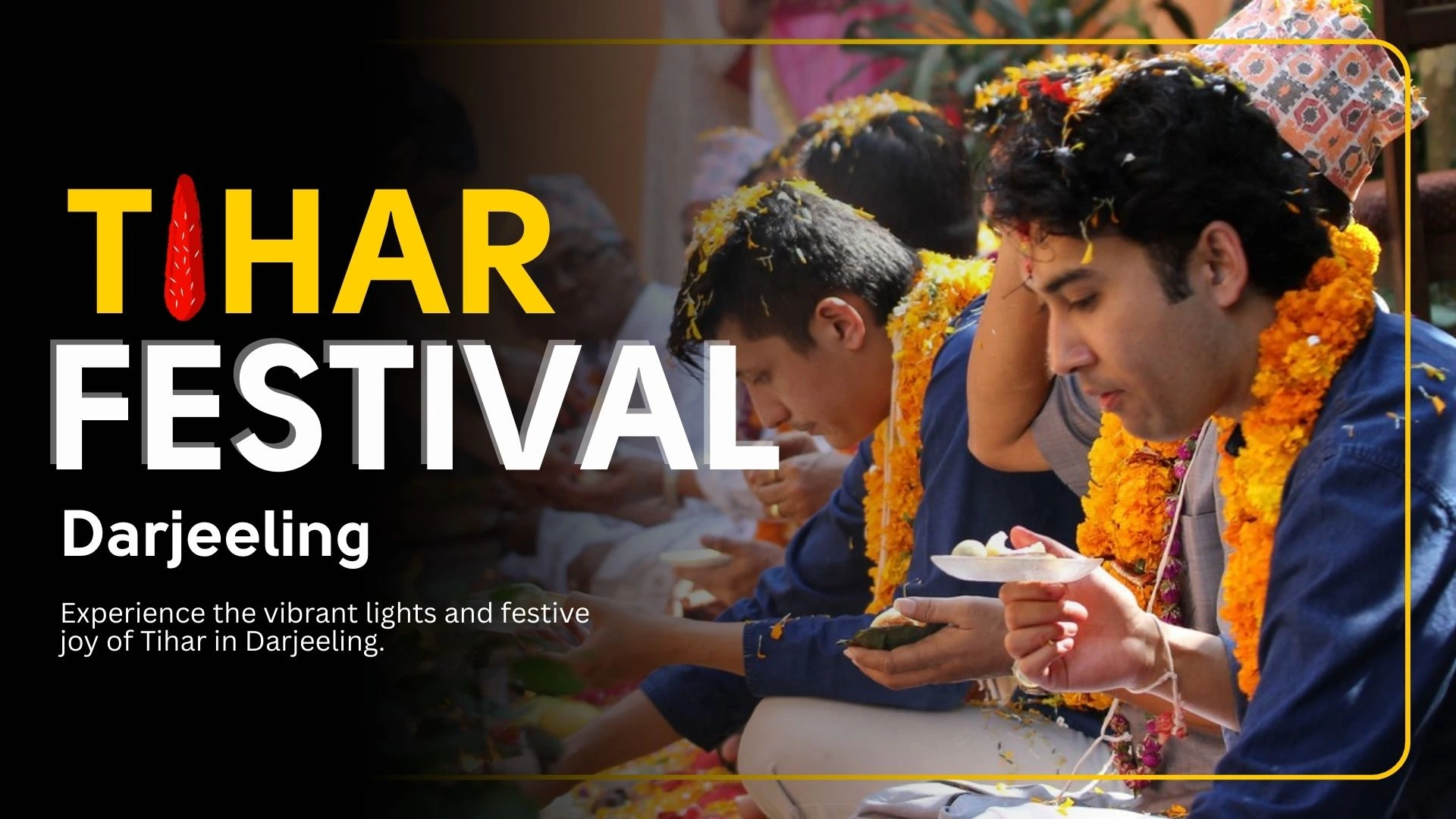
    The final day of Tihar is perhaps the most emotional and heartwarming. Known as Bhai Tika, it celebrates the sacred bond between brothers and sisters. Sisters prepare special plates with sweets, fruits, and sacred threads, and lovingly place a seven-colored tika on their brothers’ foreheads, praying for their long life and happiness. Brothers promise love and protection in exchange for gifts and blessings. Joy, laughter, and occasionally tears of appreciation fill the air. Bhai Tika feels particularly magical in the hills of Darjeeling, where families come together, homes are illuminated by diyas, and hearts are warmed by unbreakable love ties.

    bhai tika

    Date: October 23, 2025

    Unique Touch of Tihar in Darjeeling: Blending Hills and Heritage

    The Himalayan twist of Tihar in Darjeeling makes it unique. The festival includes regional features like Lakhe dances, which are more common in Dashain but occasionally spill over into Tihar festivities with masked performers adding a theatrical touch, amid the colonial charm and emerald tea bushes. Traditional Nepali foods such as sel roti (rice doughnuts) and chiura (beaten rice) are staples, often shared with neighbours over cups of steaming Darjeeling tea.

    Families gather around bonfires, singing Deusi songs that combine hill tunes and Nepali folklore, as the cool weather adds to the atmosphere of cosiness.
    >This festival is more than just customs, it is a soul-soothing event that heals splits and restores hope during uncertain times. In order to experience this spectacle, tourists travel to Darjeeling during Tihar, staying in charming homestays and taking part in the celebrations.

    Why Tihar in Darjeeling Will Steal Your Heart

    The way the Tihar Festival in Darjeeling combines nature, culture, and community into a single, radiant celebration is what really makes it unique. It is a festival of hearts as well as lights. In Darjeeling, Tihar is not for one tradition. Whether it’s the Rai, Pradhan, Tamang, Gurung, or Newar families, each community adds its own colour and rhythm to the celebration. The sweet smell of sel roti fills kitchens, garlands decorate homes, and laughter reverberates throughout the hills.

    Every child in the neighbourhood sings Deusi-Bhailo, their voices spreading the same happiness from one house to another. Brothers commit love and protection in exchange for sisters preparing special plates of fruits, nuts, and treats for Bhai Tika. Under the light of countless diyas, Darjeeling citizens, regardless of caste or community, unite as a single, large family during this time of year to celebrate life, ties, and thankfulness.

    If you’re dreaming of witnessing this magical festival firsthand, Tripjyada is here to make your journey unforgettable. From cosy homestays to guided tours across the Queen of Hills, we ensure you don’t just see Darjeeling, you feel it. Alive with colours, culture, and the spirit of Tihar. Come, celebrate the hills with us!