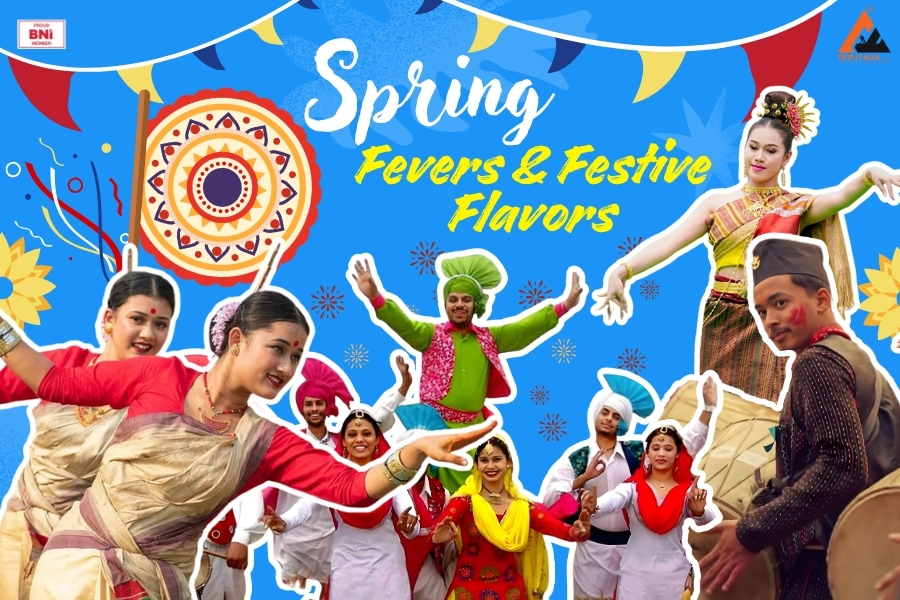
Festivals in India are more than colourful events marked on a calendar, they bring together faith, food, music, changing seasons, and entire communities. April makes this especially visible. Across the country, people celebrate fresh harvests and regional New Years as fields turn golden, homes are decorated, temples welcome devotees, and streets fill with music, dance, and festive food.
For travellers, this is a wonderful time to experience the cultural side of the country. Planning a journey around these festivals in India allows you to see more than famous attractions, you share meals, understand local customs, and feel the character of each region.
If you have been looking for a meaningful reason to travel in April, this guide is for you. Here are six celebrations that can turn an ordinary holiday into a story you will remember for years.
Read more: 2026 Travel Checklist: The Must-Visit Places for the Himalayas
Festivals in India in April: A Quick Overview
| Festival | Main region | What it celebrates | Experience to look forward to |
|---|---|---|---|
| Baisakhi | Punjab | Harvest season and the Sikh New Year | Bhangra, fairs, Gurudwara visits, and langar |
| Bohag Bihu | Assam | Assamese New Year and the arrival of spring | Bihu dance, folk music, and traditional food |
| Vishu | Kerala | A new year filled with hope and prosperity | Vishu Kani, temple visits, and Sadya |
| Poila Boisakh | West Bengal | Bengali New Year | Cultural programmes, Hal Khata, and festive meals |
| Sangken | Arunachal Pradesh | Buddhist New Year, purification, and renewal | Water rituals, monastery prayers, and community gatherings |
| Nepali New Year | Sikkim, Darjeeling, and Nepali communities across India | The beginning of the Bikram Sambat year | Temple visits, family gatherings, and cultural events |
Why April Is a Special Month for Cultural Travel
April brings several harvest and regional New Year celebrations into a single month. Yet each festival feels completely different because it is shaped by the landscape, faith, food, music, and history of its region. Travelling during this period gives you an opportunity to:
-
Experience living traditions instead of only visiting tourist attractions
-
Taste seasonal and festive dishes prepared by local communities
-
Photograph colourful attire, dances, decorations, and rituals
-
Combine popular destinations with meaningful cultural experiences
-
Discover how different regions welcome a new season and a new year
The best festivals in India are not performances created for visitors. They are part of everyday community life. Approach them with curiosity and respect, and the experience becomes far more rewarding.
1. Baisakhi in Punjab: The Rhythm of the Golden Harvest
Imagine Punjab in April: endless fields of ripe wheat, the beat of the dhol travelling through the air, and groups of dancers moving with an energy that is impossible to ignore. Baisakhi celebrates the harvest of Rabi crops, especially wheat, and marks a joyful moment after months of work in the fields.
Baisakhi also holds deep importance for the Sikh community. Gurudwaras welcome devotees for prayer and reflection, while langar brings people together over a free community meal. This balance of celebration, gratitude, and service makes Baisakhi one of the most meaningful harvest festivals in India.
What You Can Experience:
-
Energetic Bhangra and Gidda performances
-
Visits to Gurudwaras, including the Golden Temple in Amritsar
-
Langar, where people sit and eat together as equals
-
Local fairs featuring handicrafts, food stalls, games, and cultural shows
-
Punjab’s countryside during the peak harvest season
Make the Journey More Meaningful
Spend time beyond the main city celebrations if your itinerary allows. A visit to a village or agricultural area can help you understand why the harvest is so closely connected to Punjabi identity. Try local dishes, listen to folk music, and observe Gurudwara etiquette while taking part respectfully.
2. Bohag Bihu in Assam: Spring, Music, and a New Beginning
Bohag Bihu, also known as Rongali Bihu, marks the Assamese New Year and the arrival of spring. The celebration feels youthful and full of movement. Traditional songs speak of love, nature, and daily life, while the famous Bihu dance brings people together in villages, neighbourhoods, and cultural grounds.
Unlike many large commercial events, Bohag Bihu often feels warm and personal. Families prepare food at home, younger people seek blessings from elders, and communities celebrate their shared identity. For travellers, it offers an honest glimpse into Assamese life.
What Happens During Bohag Bihu?
-
Young men and women perform Bihu dance in traditional attire
-
Musicians sing Bihu geet accompanied by traditional instruments
-
Families prepare pitha, laru, jolpan, and other Assamese delicacies
-
People exchange the gamosa as a symbol of respect and goodwill
-
Community celebrations continue across several days
Travel Experience in Assam
Bohag Bihu is among the most welcoming cultural festivals in India. Watch a live performance, taste homemade festive food when invited, and speak with local people about the meaning behind their customs.
April is also a good time to add Kaziranga National Park to your itinerary. The green landscapes and wildlife experience create a beautiful contrast to the music and excitement of the festival.
3. Vishu in Kerala: A Quiet Celebration of Hope and Prosperity
Vishu is an important spring celebration in Kerala. It represents a hopeful beginning and reflects the belief that the first sights and actions of the day can set a positive tone for the year ahead.
Before dawn, families prepare the Vishu Kani—an arrangement of auspicious items that may include rice, fruits, flowers, gold, coins, a mirror, and an oil lamp. Family members view it first thing in the morning. The moment is peaceful, intimate, and filled with meaning.
Traditions That Make Vishu Special
-
Vishu Kani: An arrangement symbolising abundance and prosperity
-
Vishu Kaineettam: Elders give money and blessings to younger family members
-
Vishu Sadya: A vegetarian feast served on banana leaves
-
Temple visits: Families offer prayers for a positive year ahead
-
Fireworks: Celebrations add colour and excitement to the day
Why Vishu Feels Different
Among the spring festivals in India, Vishu stands out for its calm and intentional mood. It is less about a crowded public spectacle and more about gratitude, family, and spiritual renewal.
If you are travelling through Kerala, avoid treating private rituals as photo opportunities. Observe respectfully, visit a temple where visitors are permitted, and enjoy a traditional Sadya to connect with the spirit of the day.
4. Poila Boisakh in West Bengal: A Bengali New Year Full of Art and Flavour
Poila Boisakh, lovingly called Noboborsho, marks the first day of the Bengali calendar. In Kolkata and across West Bengal, people welcome the new year with fresh clothes, temple visits, cultural programmes, family meals, and plenty of sweets.
The celebration carries a strong emotional connection. It brings together Bengal’s love for literature, music, art, business traditions, and food. Streets and cultural spaces feel festive, yet many of the most memorable moments happen around the family table.
How Is Poila Boisakh Celebrated?
-
Cultural programs: Rabindra Sangeet, dance, poetry, and community performances celebrate Bengal’s artistic heritage.
-
Traditional attire: Red-and-white sarees, kurtas, and other ethnic clothing add to the festive atmosphere.
-
Hal Khata: Shopkeepers open new account books and welcome customers with sweets and good wishes.
-
Festive food: Families enjoy dishes such as luchi-alur dom, fish curry, rosogolla, sandesh, and mishti doi.
-
Temple visits: Many people begin the year by seeking blessings and expressing gratitude.
A Celebration Travellers Can Feel
Poila Boisakh is one of those regional New Year festivals in India where the destination itself becomes part of the experience. Attend a cultural programme, explore decorated markets, and reserve time for a proper Bengali meal. The joy lies not in rushing between events, but in allowing the day to unfold at a local pace.
5. Sangken in Arunachal Pradesh: Water, Renewal, and Community
Celebrated mainly by the Khamti, Singpho, and other Theravada Buddhist communities in Arunachal Pradesh, Sangken marks the traditional New Year in mid-April. The festival centres on purification—washing away negativity from the past and welcoming the year with a clearer, kinder spirit.
Water plays an important role, but Sangken should not be understood as only a playful water festival. Its heart lies in prayer, respect, renewal, and community harmony. Buddha images are ceremonially bathed, people visit monasteries, and water is gently sprinkled as a symbol of cleansing and goodwill.
Sangken Festival Highlights
-
Ceremonial bathing of Buddha images with clean water
-
Gentle sprinkling of water among community members
-
Monastery visits, prayers, and chanting
-
Traditional clothing, music, and cultural programmes
-
Community gatherings centred on peace and togetherness
Experience Sangken Respectfully
Sangken is one of the most distinctive Buddhist festivals in India, but it remains a sacred community celebration. Ask before photographing rituals or people, dress respectfully near monasteries, and follow instructions from local hosts.
A carefully planned Arunachal Pradesh tour can combine the festival with the state’s monasteries, valleys, and scenic roads. Keep some flexibility in the itinerary because mountain travel can take longer than expected.
6. Nepali New Year: Familiar Traditions Across a Shared Culture
Nepali New Year, or Naya Barsha, begins the new year according to the Bikram Sambat calendar. Although it is most widely celebrated in Nepal, it is also meaningful to Nepali communities across India, particularly in Sikkim, Darjeeling, Kalimpong, and other Himalayan regions.
Families welcome the occasion with temple visits, shared meals, cultural programmes, and time together. For many people, Naya Barsha is a chance to leave past disappointments behind and begin again with hope.
What the Celebration Represents
-
A fresh start: People set new goals and look ahead with optimism.
-
Spiritual reflection: Temple visits and prayers seek blessings for the coming year.
-
Family connection: Relatives and friends gather to celebrate together.
-
Cultural identity: Music, food, and community events keep traditions alive across generations.
Nepali New Year shows how some festivals in India connect communities across national borders. When visiting Sikkim or Darjeeling in April, local events can add a thoughtful cultural layer to a Himalayan holiday.
Practical Tips for Planning an April Festival Trip
A festival journey works best when there is room for spontaneity. Procession timings may change, popular hotels can fill early, and local traffic may move slowly around celebration areas.
Before you travel:
-
Confirm the festival date, as some dates follow regional calendars and change each year
-
Book accommodation and transport early, especially around major cities and pilgrimage sites
-
Carry light clothing, sun protection, and a layer for cooler Himalayan evenings
-
Ask before photographing people, religious objects, or private ceremonies
-
Follow local dress codes and remove footwear where required
-
Avoid blocking processions or interrupting rituals for photographs
-
Keep buffer time between destinations, particularly in Northeast India
These simple choices help you experience the festivals in India as a respectful guest rather than a hurried spectator.
Turn Cultural Celebrations into Meaningful Journeys with Tripjyada
April celebrations are more than dates marked on a calendar. Baisakhi carries the joy of the harvest, Bohag Bihu welcomes spring with music, Vishu begins with quiet hope, Poila Boisakh celebrates Bengali identity, Sangken invites renewal, and Nepali New Year brings Himalayan communities together.
With a well-planned itinerary, you can combine these cultural experiences with destinations across Assam, Arunachal Pradesh, Sikkim, Darjeeling, and other parts of India. Reliable stays, comfortable transport, realistic travel times, and local guidance make the journey easier—especially when festival crowds and mountain roads are involved.
Why Plan Your Festival Tour with Tripjyada?
-
Customised April festival tour packages
-
Comfortable and reliable Northeast cab services
-
Local knowledge of Assam, Arunachal Pradesh, Sikkim, and Darjeeling
-
Flexible itineraries built around culture, comfort, and realistic travel time
-
On-trip support for a smoother travel experience
Whether you want to experience Bohag Bihu in Assam, Sangken in Arunachal Pradesh, or a regional New Year in the Himalayas, Tripjyada can help you build a journey that feels personal instead of packaged.
Explore the most memorable festivals in India with Tripjyada and return home with more than photographs—return with stories, flavours, and moments that stay with you.
Leave a Reply