Tripjyada CMS Staging

Blog

  • Hello world!

    Welcome to WordPress. This is your first post. Edit or delete it, then start writing!

  • How to Choose the Best Bhutan Tour Operator for Your Trip

    Bhutan is not a destination that you can just visit, but it is a country that you can be welcomed into through a licensed operator, a paid permit and a government-regulated system built to protect its culture and environment. That’s the reason why picking the best Bhutan tour operator is very important. In addition to making hotel reservations, your operator should also set up your itinerary, guide, and permit, all of which can make or ruin your trip. 

    In this guide you will get to know how Bhutan’s tourism model actually works, when to go, how much a realistic Bhutan trip costs in 2026, the best Bhutan tour operators available in the market, things to avoid, and a full checklist for comparing a Bhutan tour operator before you pay a single rupee.

    A quick note on the names of operators in this guide: There are dozens of licensed agencies in Bhutan, and ‘best’ is totally subjective , it depends on Bhutan, budget, group size, and travel style. The following names are vetted, regularly audited operators culled from public travel platforms (TCB’s operator registry, TripAdvisor, and TourRadar). They are provided here as trusted starting points for your own research, not paid placements. Always double-check current reviews, licensing and quotes directly before booking.

    Understanding Bhutan’s “High Value, Low Volume” Tourism Model

    It is not bureaucracy for bureaucracy’s sake. The SDF directly funds free healthcare, free education and environmental conservation. Bhutan is the only carbon-negative country in the world, and tourism revenue is part of how that’s maintained. The practical upshot for travellers is simple: the cost of your Bhutan trip isn’t just “yours”, a meaningful chunk of it goes back into the country you’re visiting, which is part of why a transparent, licensed Bhutan tour operator matters so much.

    Policy Element 

    What It Means for You 

    TCB Licensing 

    Only registered operators can legally issue permits and host tourists 

    Sustainable Development Fee (SDF) 

    Mandatory daily fee, collected via your operator or the e-permit portal 

    Guide Requirement 

    A licensed guide is mandatory outside Thimphu and Paro town limits 

    Regional Rate for Indians 

    Indian, Bangladeshi, and Maldivian nationals pay a reduced SDF 

    Why the Best Bhutan Tour Operator Matters More Than You Think

    Bhutan is not like most countries, it does not allow independent backpacking-style travel for international tourists. All foreign visitors are required to go through a Tourism Council of Bhutan (TCB) licensed operator who will arrange your permit, Sustainable Development Fee (SDF), accommodation and guide. Indian nationals have a slightly different, more relaxed permit process, but a reliable Bhutan tour operator still makes the paperwork, routing and on-ground logistics dramatically easier. 

    Choose poorly, and you may get a rigid itinerary, mediocre hotels or a guide with limited local knowledge. Choose wisely, and your Bhutan trip will become one of the most memorable trips of your life, monasteries at dawn, tranquil mountain passes, and a culture that still moves at its own pace.

    Best Time to Visit Bhutan: Seasons, Festivals, and Crowd Levels

    Timing is everything with your Bhutan trip. It affects flight availability, hotel prices and whether you go to a tshechu (masked-dance festival) or trek through monsoon mud. Spring and fall are peak season for a reason: clear skies, views of the mountains and festival season almost perfectly overlap.

    Season 

    Months 

    Weather & Experience 

    Crowd/Price Level 

    Spring 

    March – May 

    Rhododendrons in bloom, clear valleys, Paro Tshechu 

    High (book 2–3 months ahead) 

    Summer/Monsoon 

    June – August 

    Lush green landscapes, occasional heavy rain, fewer trekkers 

    Low (best value, fewer crowds) 

    Autumn 

    September – November 

    Best visibility, Thimphu Tshechu, ideal trekking weather 

    Peak (highest prices, book early) 

    Winter 

    December – February 

    Crisp, cold, clear Himalayan views, Punakha Tshechu 

    Moderate (great for photography, lower hotel rates) 

    A good Bhutan tour operator will guide you on which dates to choose or avoid based on festival calendars and your own priorities, whether that’s saving money in the monsoon shoulder season or catching the Thimphu Tshechu in full swing.

    Travel to Bhutan from India: What Every Traveller Should Know First

    If you are planning to travel to Bhutan from India, you are in a fortunate position. Indian nationals do not need a visa, only an entry permit that can be obtained online through the Bhutan e-permit system or through your operator. It’s accessible by land (Jaigaon–Phuentsholing) or air (the only international airport is Paro with direct flights from Delhi, Kolkata, Guwahati and Mumbai). 

    A good Bhutan tour operator will take care of your permit application, confirm your SDF payment, and match your entry point with your preferred itinerary, whether it’s a short Phuentsholing–Thimphu–Paro loop or a longer cultural and trekking circuit.

    Entry Point 

    Mode of Travel 

    Typical Travel Time from Border/Airport 

    Best For 

    Phuentsholing (via Jaigaon, WB) 

    Road 

    5–6 hrs to Thimphu 

    Budget travellers, road-trip style Bhutan trip 

    Paro International Airport 

    Flight 

    Direct entry into Bhutan 

    Short trips, limited-time travellers 

    Gelephu / Samdrup Jongkhar 

    Road 

    Varies by origin state 

    Travellers from Assam/NE India 

    Key Factors to Consider When Choosing a Bhutan Tour Operator

    Not all tour companies in Bhutan provide the same value. What distinguishes a truly excellent one from a mediocre one is as follows:

    • TCB Licence & Registration: Verify the operator is properly licensed by the Tourism Council of Bhutan.
    • SDF and Permit Costs Transparency: A good Bhutan tour operator will provide a separate list of SDF and permit fees and package costs and will not club them together vaguely.
    • Local Partner or Ground Presence in Bhutan: Operators who have an actual Bhutanese ground partner (not just a reseller) are likely to have better guides and more flexible itineraries.
    • Customization Options: The best tour operator for Bhutan in India will customize the pace, hotel category, and inclusions rather than pushing a fixed template.
    • Reviews from Real Travellers: Don’t be deterred by the star ratings – see what real people say about the guide’s knowledge, punctuality, and problem-solving skills on the trip.
    • Clear Cancellation and Refund Policy: As SDF nights are refundable on cancellation, your operator should explain this process clearly.

    Well-Known Bhutan Tour Operators Worth Shortlisting

    There’s no one clear “best”, but a handful of names keep coming up on TripAdvisor, TourRadar and Bhutan’s own TCB operator registry, with long track records and strong repeat reviews. Here’s a smattering of Bhutan-based ground operators and India-based agencies to get your shortlist started – check out current pricing and reviews for each before you make up your mind.

    There’s no one clear “best”, but a handful of names keep coming up on TripAdvisor, TourRadar and Bhutan’s own TCB operator registry, with long track records and strong repeat reviews. Here’s a smattering of Bhutan-based ground operators and India-based agencies to get your shortlist started – check out current pricing and reviews for each before you make up your mind.

    • MakeMyTrip: India’s biggest online travel aggregator, with dozens of ready-made Bhutan packages (with or without flights) departing from most major Indian cities, with filterable pricing and dates directly on the site.
    • Thrillophilia: An online travel marketplace known for activity- and experience-led trips. It is a good place to do side-by-side comparisons of multiple third-party Bhutan tour packages and guided experiences.
    • WanderOn: A group travel platform operating fixed-departure community-style group trips on a budget to mid-range Bhutan tours (4-10 days) with in-house operations from a few Indian cities.
    • Desh Videsh Travels: An India-based travel agency offering Bhutan packages from Delhi, Mumbai, Bangalore, and other cities. Community group departures and Indian-friendly meal arrangements are built into itineraries.
    • TripJyada: A regional operator of Bhutan packages via the Bagdogra-Phuentsholing route, which is popular with travellers from Chennai and other southern cities. Fixed-price packages include SDF, guide and transport.

    Always verify the latest TCB licensing because licensing can change over time. Read recent reviews (not just old ones) and get at least two or three quotes before deciding. Company reputations and service quality can change, so use this list as a research tool rather than a final recommendation.

    Key Factors to Consider When Choosing a Bhutan Tour Operator

    • TCB Licence & Registration: Ensure that the operator is legally registered with the Tourism Council of Bhutan.
    • Transparency on SDF and Permit Costs: A good Bhutan travel agent will mention the SDF, the permit charges, and the package cost separately and not veil it vaguely.
    • Local Partner or Ground Presence in Bhutan: Operators with an actual Bhutanese ground partner (not just a reseller) tend to have better guides and more flexible itineraries.
    • Customisation Options: The best tour operator for Bhutan in India will not push a fixed template but will customise pace, hotel category and inclusions.
    • Real Traveller Reviews: Don’t just look at star ratings; find out what people have said about the guide’s knowledge, punctuality and problem-solving on the trip.
    • Clear Cancellation and Refund Policy: Because SDF nights are refundable on cancellation, your operator should explain this process clearly.

    License, Experience, and Reputation of the Bhutan Tour Operator

    Experience counts for a lot in Bhutan, where road conditions, weather, and festival timings can change an itinerary overnight. A seasoned Bhutanese tour operator with years of ground experience will know which monasteries get crowded during festivals, which hotels overbook in peak season, and how to reroute smoothly if a mountain pass closes. When shortlisting, ask each operator how long they have been running trips to Bhutan, how many groups they take out each season, and if they use their own guides or subcontract.

    With a combination of sources, it is easier to verify reputation than with one source. Instead of just reading testimonials on the operator’s own website, check recent reviews on independent platforms, as third-party reviews are more difficult to manipulate selectively. It’s also a good idea to ask the operator directly for references from previous travellers with a similar itinerary to yours and to check if they have any recognition from bodies like the Association of Bhutanese Tour Operators (ABTO) in addition to their basic TCB licence. An operator who is really confident in their service will have no hesitation about sharing this information up front, while vague or defensive answers to simple reputation questions are usually a warning sign worth taking seriously. 

    Best Time to Plan Your Bhutan Trip

    A Bhutan trip is transformed by timing, the weather, the crowds and even which festivals you get to see. Spring (March–May) and autumn (September–November) are peak seasons with clear mountain views and major Tshechu festivals; summer brings monsoon rains and lush valleys at lower prices, while winter offers crisp, clear skies and the lowest crowds, ideal for photography and quieter monasteries.

    Season 

    Months 

    Weather & Highlights 

    Crowd Level 

    Spring 

    March – May 

    Rhododendrons in bloom, Paro Tshechu, clear skies 

    High 

    Summer/Monsoon 

    June – August 

    Lush green valleys, occasional rain, fewer tourists 

    Low 

    Autumn 

    September – November 

    Best mountain visibility, Thimphu Tshechu, harvest season 

    High 

    Winter 

    December – February 

    Cold, clear days, Black-Necked Crane Festival in Phobjikha 

    Low 

    What a Good Bhutan Trip Package Should Include

    Timing changes everything about a Bhutan trip, weather, crowd levels, and even which festivals you can see. The best times to visit are spring (March–May) and autumn (September–November), with clear mountain views and major Tshechu festivals, while summer brings monsoon rains and lush valleys at lower prices and winter offers crisp, clear skies and the lowest crowds, perfect for photography and quieter monasteries. 

    Package Type 

    Duration 

    Typical Inclusions 

    Approximate Price (per person, twin sharing) 

    Budget Bhutan Trip 

    4N/5D 

    3-star hotels, guide, transport, SDF 

    ₹35,000 – ₹45,000 

    Standard Cultural Tour 

    5N/6D 

    3–4 star hotels, guide, transport, SDF, sightseeing 

    ₹50,000 – ₹65,000 

    Premium/Luxury Package 

    6N/7D 

    4–5 star hotels, private guide, SDF, curated experiences 

    ₹90,000 – ₹1,50,000+ 

    Trekking Package (e.g., Druk Path) 

    7N/8D 

    Camping gear, porters, guide, meals, SDF 

    ₹75,000 – ₹1,10,000 

    Note: Prices are indicative market ranges for Indian travellers and vary by season, group size and hotel category — always confirm current rates directly with your shortlisted operator.

    A Sample 6-Day Bhutan Itinerary (The Classic Golden Triangle)

    Most first-time visitors’ itineraries have the Thimphu–Punakha–Paro loop as their common thread. A typical 6-day trip with a good Bhutan tour operator would look like this:

    Day 

    Route/Location 

    Route/Location 

    Day 1 

    Arrival (Paro or Phuentsholing) → Thimphu 

    Buddha Dordenma statue, local market, settle in 

    Day 2 

    Thimphu 

    Tashichho Dzong, National Memorial Chorten, and the Textile Museum 

    Day 3 

    Thimphu → Punakha 

    Dochula Pass (108 chortens), Punakha Dzong 

    Day 4 

    Punakha → Paro 

    Scenic drive, evening at leisure in Paro 

    Day 5 

    Paro 

    Tiger’s Nest (Paro Taktsang) hike, Paro Dzong 

    Day 6 

    Departure 

    Fly out or road transfer back to India 

    Bhutan Hotel Price Guide: Budget to Luxury Stays

    Hotel category is one of the biggest cost variables in any Bhutan trip, and it is an area where a reliable Bhutan tour operator earns their fee – by getting you genuinely good value rather than the cheapest available bed. 

    Category 

    Category 

    Price Range (per night, per room) 

    Budget (2–3 star) 

    Thimphu, Paro, Punakha 

    ₹2,500 – ₹4,500 

    Mid-range (3–4 star) 

    Thimphu, Paro, Punakha, Bumthang 

    ₹5,000 – ₹9,000 

    Luxury (5-star/boutique) 

    Paro, Thimphu, Punakha (e.g., Six Senses, Aman, Taj) 

    ₹25,000 – ₹90,000+ 

    Flight Tickets to Bhutan from India: Cost and Booking Tips

    Only two airlines fly to Paro, Drukair and Bhutan Airlines, and from a handful of Indian cities. The fares go sky high during the spring and autumn festival seasons; booking early with your Bhutan tour operator or direct can save you a lot.

    Route (Round Trip) 

    Airline Options 

    Approximate Fare (per person) 

    Delhi – Paro 

    Drukair, Bhutan Airlines 

    ₹28,000 – ₹40,000 

    Kolkata – Paro 

    Drukair, Bhutan Airlines 

    ₹18,000 – ₹28,000 

    Guwahati – Paro 

    Drukair 

    ₹15,000 – ₹22,000 

    Mumbai – Paro 

    Drukair (via Delhi/Kolkata) 

    ₹32,000 – ₹45,000 

    Prices vary greatly by season and booking window, so use these as planning estimates only.

    Local Transportation and the Sustainable Development Fee (SDF) Explained

    Every international tourist pays a daily Sustainable Development Fee, but the rate for Indian nationals is significantly lower than for other foreign visitors. As of 2026, the SDF for Indian travellers is INR 1,200 per person, per night, while most other international tourists pay USD 100 per person, per night. Children aged 6–12 receive a 50% discount, and children under 6 are exempt. A 5% GST applies to in-country tour services (hotels, guides, transport) from January 2026 onwards, though it does not apply to the SDF itself. 

    Transportation Mode 

    Typical Use 

    Approximate Cost 

    Private SUV/Sedan with driver 

    Standard tourist transport (included in most packages) 

    ₹3,500 – ₹6,000/day 

    Shared taxi (Phuentsholing–Thimphu) 

    Budget road travel 

    ₹800 – ₹1,500/person 

    Sustainable Development Fee (Indian nationals) 

    Mandatory daily fee 

    INR 1,200/person/night 

    Sustainable Development Fee (other nationals) 

    Mandatory daily fee 

    USD 100/person/night 

    How to Identify the Best Tour Operator for Bhutan in India

    Indian travellers account for a large share of Bhutan’s tourist inflow. So, plenty of Indian agencies now offer Bhutan packages, but not all of them have genuine Bhutanese ground support. Generally, the best tour operator for Bhutan in India will have an office or a verified partnership inside Bhutan, rather than just reselling a generic package. Search for operators that:

    • Give you a day-by-day itinerary before you pay anything
    • Advance mention the name of the guide and his experience level.
    • Are upfront on the hotels you will actually stay in (not just “similar category”)
    • Quick, clear answers to specific routing or customisation questions.

    Conclusion: Making the Right Choice for Your Bhutan Trip

    Selecting the best Bhutan tour operator is not a matter of finding the cheapest quote. It’s about finding a licensed, experienced and transparent partner who can convert Bhutan’s unique permit-based system into a smooth and memorable trip. Select a few operators and lay their itineraries and inclusions side by side for comparison. For example, Druk Asia, Wind Horse Tours or MyBhutan in Bhutan and Dooars Bhutan Tours and Happiness Kingdom Travels in India. Before you pay, ask the right questions and confirm exactly what’s included in your package. Get this one decision right, and the rest of your trip to Bhutan tends to fall beautifully into place. 

  • Bhutan Tour Packages from Ahmedabad for Every Traveller

    Bhutan, the last Shangri-La – there is a reason for it. Nestled between the giants of the Himalayas and Tibet, this tiny, magnificent kingdom has no traffic lights, a clean environment, no billboards, and most importantly, no crowds or rush. But it does have mountain passes festooned with prayer flags and monasteries clinging to cliffsides. If you are travelling from Gujarat looking for a better and less crowded destination, then Bhutan tour packages from Ahmedabad have become one of the most searched gateways of the year, and it is quite easy to see why.

    The blog will take you through everything you need to know before booking, from flight routes and visa formalities to the best Bhutan tour package options for solo explorers, families, friend groups, and honeymooners alike. 

    Why Ahmedabad Travellers Are Choosing Bhutan Tour Packages

    There are no direct flights to Paro, but that hasn’t stopped the backpackers of the city from making Bhutan one of their top international choices. A short layover in Kolkata, Delhi or Guwahati is a small price to pay for a destination that feels like nowhere else on earth. That is what keeps drawing Gujarati travellers back to the Land of Thunder Dragon: 

    • A refreshing change of landscapes: From the flat sun-baked land of Ahmedabad to snow-capped peaks and thick forests.
    • Vegetarian-friendly cuisine: Bhutanese food leans heavily on rice, vegetables, and dairy, making it easy for Gujarati palates to adjust.
    • High-value, low-hassle travel: Bhutan’s tourism model keep cross low and experiences authentic.
    • Cultural depth: Centuries-old dzongs, monasteries, and festivals that feel worlds away from anything that you experience back home.
    • Visa on arrival for Indians: No need for lengthy embassy visits.


    As for this growing demand, several Ahmedabad-based travel agencies now curate dedicated itineraries, making a well-planned Bhutan tour package from Ahmedabad more accessible than ever, whether you are flying out solo or coordinating a big family trip.

    Getting There: Flights and Routes for Your Bhutan Tour Package from Ahmedabad

    Since there are no direct flights from Ahmedabad and Paro is the only international airport in Bhutan, most travel via one of these routes:

    1. Ahmedabad → Kolkata → Paro (via Drukair or Bhutan Airlines)
    2. Ahmedabad → Delhi → Paro
    3. Ahmedabad → Guwahati → Phuentsholing (for those entering by road via Jaigaon)


    The flight into Paro is spectacular in itself, on a clear day, you can see Mount Everest, Kanchenjunga, and Jomolhari. A good Bhutan tour package will take care of these connecting flights and layovers for you so you land in Paro or cross into Phuentsholing without any last-minute scramble. 

    Documents Indian travellers need: 

    • Valid Voter ID or Passport (minimum 6 month’s validity of passport if using passport)
    • Two photographs, passport size
    • Currently, permits are issued in advance online through Bhutan’s Sustainable Development Fee (SDF) system.


    Most operators bundle this permit assistance into their Bhutan tour packages from Ahmedabad, and this is rarely a hassle for travellers to manage on their own.

    What Makes a Great Bhutan Tour Package

    Not every itinerary is the same. A well-designed Bhutan tour package typically covers three core destinations, and each one of them has a completely different personality.

    • Paro-Gateway to Wonder: It is the home of the iconic Tiger’s Nest Monastery (Taktsang), elevated at 900 metres above the valley floor. The hike up is steep but unforgettable. When you complete the trek, it rewards you with a genuine sense of accomplishment along with the stunning views. Paro also houses famous attraction points like the National Museum and the peaceful Kyichu Lhakhang, which is one of the oldest temples in Bhutan.
    • Thimphu-World’s Only Capital City With No Traffic Lights: Bhutan’s capital blends tradition with a quiet modernity. Visit the huge Buddha Dordenma statue that overlooks the valley, explore the weekend market, and watch traffic being directed by hand-gesturing policemen instead of signals – a detail that never fails to surprise first-time visitors.
    • Punakha-The Valley of Bliss: Often voted the most scenic stop, Punakha has the amazing Punakha Dzong, dramatically set at the confluence of two rivers. The drive here, over Dochula Pass with its 108 memorial chortens and Himalayan views, is a highlight in itself.


    A typical Bhutan tour package from Ahmedabad is 5 to 7 days, covering all three regions at a relaxed pace without the tiring “checklist tourism” feel.

    Bhutan Tour Package for Couple: Designing the Perfect Himalayan Honeymoon

    If you are planning a romantic escape, a Bhutan tour package for couple travellers is worth every rupee. Bhutan has a gentle, unhurried quality that is better suited to honeymooners and anniversary trips than the more crowded hill-station destinations.

    What makes a Bhutan tour package for couples special: 

    • Many boutique mountain resorts with valley views offer private bonfire dinners.
    • The best way to end a day of sightseeing is with a hot stone bath, a traditional Bhutanese healing practice infused with local herbs.
    • The Himalayan range glows gold in the dusk light at Dochula Pass.
    • Get away from the crowds of group tours and take a private guided walk through rural farmhouses and pine forests.
    • Candlelight dinners are organised at a few lodges in Punakha and Paro.


    Often couples add a short stay in the Phobjikha Valley to extend their trip. The valley is home to the black-necked crane and some of the most peaceful countryside views in the country. Ahmedabad-based operators are now offering this as an add-on to their regular Bhutan tour package for couple itineraries, as it adds a slower, more romantic rhythm to the trip.

    Bhutan Tour Package Options for Families, Groups, and Solo Travellers

    Bhutan is not just for couples or solo backpackers, it is a renowned destination for families from India. Here’s how different traveller types typically experience it:

    Families with kids: Smooth sightseeing, cable rides in Thimphu, and cultural shows that keep your children engaged without exhausting them. And the cherry on top, the hotels in Bhutan also accommodate dietary preferences, including Jain and pure-vegetarian requests.

    Group of friends: River rafting on the Mo Chhu River and archery sessions, which is also Bhutan’s national sport, and evening market walks in Thimpu make the trip more lively and activity-packed.

    Solo travellers: Bhutan’s regulated tourism model makes it one of the safest solo destinations in Asia, especially for first-time international travellers trying it out.

    Senior travellers: As Bhutan has comfortable road conditions, it offers short daily drive times and warm hospitality, making it a lot more hospitable for older travellers, provided the itinerary avoids high-altitude treks.

    Because of this flexibility, a well-planned Bhutan tour package from Ahmedabad can accommodate almost any type of traveller; all it takes is selecting the appropriate pace, type of lodging, and extra activities.

    Best Time to Book a Bhutan Tour Package from Ahmedabad

    Season

    Months

    Highlights

    Spring

    March-May

    Rhododendrons in bloom, clear mountain views 

    Summer

    June-August

    Lush green valleys, fewer crowds (monsoon season) 

    Autumn

    September-November

    Best weather, festival season (Thimphu Tshechu) 

    Winter

    December-February

    Crisp skies, snow-dusted peaks, budget-friendly rates 

    April through June and October through November are typically the best months for tourists fleeing Ahmedabad’s intense summer heat because of the comfortable temperatures sans the monsoon haze.

    What’s Usually Included in a Bhutan Tour Package

    Look for these inclusions while comparing operators to prevent unanticipated expenses later:

    • Processing of permits and the Sustainable Development Fee (SDF)
    • Depending on the package grade, lodging ranges from three stars to luxury.
    • Breakfast, lunch, and dinner every day
    • For all transports and tours, a private vehicle with a driver
    • A local guide who speaks English is required for foreign visitors, including Indians in most areas.
    • The cost of admission to museums, dzongs, and monasteries.


    While luxury and honeymoon-focused packages can range from ₹45,000 to ₹75,000+ per person, depending on hotel category and amenities, budget Bhutan travel packages from Ahmedabad usually start from ₹28,000–₹35,000 per person for a 5-night stay. Season and airfare have an impact on prices, thus, it’s important to check current rates directly with the operator of your choice.

    Hotel Rates Included in a Bhutan Tour Package: What to Expect

    Understanding what you’re actually paying for is important because Bhutan tourism operates on a predetermined daily Sustainable Development Fee (SDF) in addition to the cost of your package. For twin-sharing, a standard 6-night, 7-day Bhutan tour package from Ahmedabad looks like this:

    Component 

    Approx. Cost (per person) 

    Connecting flights (Ahmedabad–Kolkata/Delhi–Paro, round trip) 

    ₹18,000 – ₹25,000 

    Sustainable Development Fee (SDF) 

    ₹1,200/night (adults) 

    Accommodation (standard–deluxe, 6 nights) 

    ₹21,000 – ₹40,000 

    Meals (breakfast, lunch, dinner) 

    Usually included in package 

    Private vehicle, driver, and guide 

    Usually included in package 

    Sightseeing entry fees 

    Usually included in package 

    Total estimated per-person cost 

    ₹45,000 – ₹75,000 

    Due to the difficulty in splitting the SDF and vehicle costs, single-occupancy reservations and solo travellers can anticipate a noticeable extra. On the other hand, shared cars and room categories frequently result in lower per-person costs for larger groups and families. As always, consider these to be planning estimates; the actual pricing for a Bhutan vacation package from Ahmedabad will vary depending on the season, type of accommodation, and size of your group.

    Why Book Your Bhutan Tour Package from Ahmedabad with TripJyada

    When so many operators are offering almost identical itineraries, the difference is often down to who gets the details right. Here’s what makes TripJyada stand out when planning a Bhutan tour package from Ahmedabad:

    • Ahmedabad-first planning: itineraries are built around the most convenient connecting flights out of Ahmedabad so you’re not stuck with awkward layovers or overnight waits.
    • End-to-end permit handling: TripJyada takes care of your sustainable development fee registration and entry permits in advance so you arrive without any paperwork worries.
    • Transparent, all-inclusive pricing: No last-minute add-ons; hotel category, meals, vehicle and guide fees are clearly laid out before you book.
    • Customisable itineraries: Be it a relaxed Bhutan tour package for a couple involving candlelight dinners and hot stone baths or a packed family itinerary involves rafting and archery, TripJyada customises the route instead of pushing a fixed template.
    • Vetted local partners: hotels, drivers and guides are pre-checked for reliability so you are not gambling on unfamiliar ground-handling agents
    • Personal support pre- and during travel: one point of contact for changes, questions or emergencies, instead of having to go through a call centre.
    • Vegetarian & Dietary Accommodation: TripJyada works directly with the hotels and restaurants to ensure that the Jain and pure vegetarian meal requirements are met throughout the trip, which many generic operators overlook.


    For Ahmedabad travellers looking for the charm of Bhutan without the logistics headache, booking your Bhutan tour package with TripJyada means that the planning is done by people who know exactly where you’re starting from and exactly what a smooth trip out of Ahmedabad requires. 

    Tips Before You Book Your Bhutan Tour Package

    1. Book flights early: Connecting flights via Kolkata or Delhi fill up fast during festival season and peak months.
    2. Carry sufficient Indian currency: The Bhutanese ngultrum is pegged to the Indian rupee, and INR is widely accepted (except ₹2000 notes).
    3. Pack layers: Even in summer, evenings in Thimphu and Paro turn cool quickly.
    4. Respect local customs: Modest dress is expected at monasteries and dzongs.
    5. Confirm your package’s permit process: Road-entry travellers via Phuentsholing need different permits than those flying into Paro.

    Final Thoughts: Your Bhutan Tour Package from Ahmedabad Awaits

    Bhutan is a reward for those travellers who are willing to take a break from the fast pace of life – just what makes it such an enticing getaway for those used to the pace of a city like Ahmedabad. If you’re looking for a sunrise view over Dochula Pass with a partner, planning a multigenerational family holiday or just craving mountain silence after months of city noise, there’s an itinerary designed for you.

    A good Bhutan tour package from Ahmedabad takes care of the logistics, flights, permits, hotels, guides, etc, so that you are free to explore the kingdom rather than manage it. From a peaceful Bhutan tour package for couples to a family packed with adventure, Bhutan has quietly become one of the most rewarding international trips a traveller from Gujarat can take in 2026.

    Ready to start planning your trip? Compare Bhutan tour operators, see what’s included in the Sustainable Development Fee, and book your Ahmedabad connecting flights early to get the best fares.

  • How to Book Bhutan Tour Packages from Mumbai: A Complete Guide

    Here is something most people don’t know about Bhutan: before they land in Paro, the only carbon-negative country, its capital, Thimphu, has no traffic lights, and its national airport is so tricky to fly into that it is only favourable to a small handful of pilots worldwide who are certified to land there. You’ll know when you get off the plane why this country measures its success in gross national happiness and not GDP. If this piqued your interest, good. Because once you know the route, booking a Bhutan tour from Mumbai is less than most of these facts suggest. From your flights, permits, hotel prices, weather, and the best Bhutan tour operator to trust and a ready-made Bhutan tour itinerary – this guide will walk you through everything you need to turn your curiosity into a confirmed trip.

    Why Book Bhutan Tour Packages from Mumbai

    Mumbai does not, surprisingly, have direct flights to Bhutan, even though they look closer together on a map. Hence, most tourists prefer Bhutan tour packages that offer a full package of travel, accommodation, permits, and local transportation. This comes as a surprise to first-timers, as all foreign visitors and Indian nationals have to obtain a permit from a licensed operator even before being allowed to cross the border. You don’t just buy a ticket and show up. A decent package you book will include the permit and the Sustainable Development Fees (SDF) paperwork and, quietly in the background, an English- or Hindi-speaking guide and build in acclimatization days for high-altitude stops like Paro and Punakha, so the only thing you actually have to think about is what you want to see. 

    Best Time to Visit Bhutan: Season and Temperature Guide

    If you ask ten travellers when to visit Bhutan, you will receive ten different answers, and oddly, they will all be right. It depends on what kind of trip they actually want. The mountains change their character according to the seasons.

    Season

    Months

    Average Temperature

    Weather Notes

    Best Suited For

    Spring 

    March–May 

    15°C–20°C 

    Blooming rhododendrons, clear skies 

    Trekkers, photographers, families 

    Monsoon 

    June–August 

    21°C–25°C 

    Heavy rain, slippery trails, lush valleys 

    Budget travelers, low-crowd seekers 

    Autumn 

    Sept–Nov 

    10°C–20°C 

    Crisp skies, major festivals (Tshechus) 

    Cultural travelers, honeymooners 

    Winter 

    Dec–Feb 

    0°C–10°C 

    Cold, snow on higher passes 

    Solitude seekers, snow photographers 

    Here’s the twist that most guides leave out: the “worst” season on paper, monsoon, is when Bhutan’s valleys turn the deepest green, and hotel prices quietly drop, making it a favourite among photographers who don’t mind lugging a raincoat. Spring and autumn are good for sightseeing and trekking. Winter is good for budget travel and solitude. The monsoon is good for patience, scenery and savings. 

    How to Reach Bhutan from Mumbai

    As there are no direct flights, every route connects through a connecting city, and which one you pick changes the entire feel of your trip.

    • By Air (fastest): You can fly to Kolkata, Delhi, or Gauhati and take a Drukair or Bhutan Airlines flight to Paro. The country has only one international airport, situated between mountains so steep that landing a plane there is considered to be one of the most technically demanding approaches in commercial aviation. The whole travel time is around 5-7 hours, including the layover, and the round-trip flights from these hubs to Paro usually cost ₹18,000 to ₹35,000 per person, in addition to your Mumbai-to-connecting-city domestic fare. 
    • By Air + Road: Fly to Bagdogra or Guwahati and take a 3-5 hour road trip to the Bhutan border town of Phuentsholing, entering by land. This route is popular with travellers who want to combine Bhutan with North Bengal or Assam. 
    • By Rail + Road: Take a train to New Jalpaiguri (NJP) near Siliguri, then a shared or private cab to Phuentsholing. It might be the slowest option but also the cheapest, which is exactly why so many operators sell a dedicated Bhutan tour package from Siliguri for travellers coming from the Bengal or Northeast side instead of flying straight into Paro.

    Suggested Bhutan Tour Itinerary (6 Days / 5 Nights)

    If you are looking for a good Bhutan tour itinerary, then it must contain a well-paced itinerary because it is not just about ticking off dzongs, when it comes down to altitude and mountain roads, it means rushing can actually cost you more than it saves. Down below is a plan that keeps the pace interesting without wearing you out. 

    Day 

    Route 

    Key Highlights 

    Day 1

    Arrive Paro → Thimphu (1.5 hrs) 

    Settle in, evening market walk 

    Day 2 

    Thimphu sightseeing 

    Buddha Dordenma, Tashichho Dzong, Memorial Chorten 

    Day 3 

    Thimphu → Punakha via Dochula Pass (3 hrs) 

    Punakha Dzong, mountain pass views 

    Day 4 

    Punakha → Paro 

    Rinpung Dzong, National Museum 

    Day 5 

    Paro 

    Hike to Tiger’s Nest Monastery (Paro Taktsang) 

    Day 6 

    Departure 

    Transfer to Paro Airport. 

    Of the itineraries, Day 5 is thought to be the one that everyone remembers, as it is a 4-5 hour round-trip hike to a monastery built right into a cliff face, 900 metres above the valley floor, in a place where legend says Guru Rinpoche flew in on the back of a tigress. Travellers taking the 8-9 day option can extend this Bhutan tour itinerary to include Phobjikha Valley, where the endangered black-necked cranes migrate in winter, or the quieter, barely touristed Haa Valley.

    Top Places to Visit in Bhutan

    It does not matter which Bhutan tour package from Mumbai you choose, these places, which are mentioned below, are the ones most itineraries are built around. Each one of them has its unique story worth knowing before you arrive.

    Place 

    Why Visit 

    Paro Taktsang (Tiger’s Nest) 

    Cliffside monastery tied to a flying-tigress legend; Bhutan’s most iconic image 

    Punakha Dzong 

    Fortress at the confluence of two rivers, built without a single nail 

    Thimphu 

    The only world capital with no traffic lights, traffic is directed by hand 

    Dochula Pass 

    108 chortens with a Himalayan panorama on a clear day 

    Phobjikha Valley 

    Glacial valley that becomes a winter refuge for rare black-necked cranes 

    Haa Valley 

    Opened to tourists only in 2002, still one of Bhutan’s least-visited corners 

    Chele La Pass 

    Highest motorable pass in the country, with views of Mt. Jomolhari 

    Bhutan Tour Package from Siliguri: A Popular Alternative Route

    For travellers coming from Mumbai, a road trip through North Bengal before the mountains start is an attractive option, and a Bhutan tour package from Siliguri is a good alternative to consider. You fly Mumbai to Bagdogra and then drive around 170 km (4–5 hours) to Phuentsholing and overland into Thimphu and Paro. It is much cheaper than flying directly to Paro, and the Siliguri-based operators often combine 5-7 day packages covering Phuentsholing, Thimphu, Punakha and Paro at lower per-day rates. It’s good for budget travellers. For those who like road trips and watching the landscape change slowly rather than skipping straight to the mountains. 

    This route is highly advantageous for tourists who wish to combine a trip to Bhutan with a more comprehensive East Himalayan trip rather than a stand-alone visit, since NJP and Bagdogra are the two primary entry points for Darjeeling, Gangtok, and the remainder of Sikkim. Due to the well-established road connections between the two, it is common to start in Bhutan and spend a few days in Gangtok or Darjeeling on the way back. However, it’s crucial to remember that your actual immigration and permit procedures take place at Phuentsholing itself. As a result, you should budget a few extra hours for documentation at the border, particularly if you’re crossing during peak season when lines get longer. Although the road links between Bagdogra and Phuentsholing are normally rather good, landslides during the monsoon months might cause delays, so if you are travelling between June and August, it is worthwhile to verify the real-time road status with your operator.

    Hotel Prices and Package Costs

    The most perplexing section that worries first-time bookers is this one. Bhutan’s Sustainable Development Fee (SDF) is not included in the cost of your package and is not optional; rather, it is charged entirely separately from your accommodation and tour expenses. Indian nationals must pay a reduced SDF of ₹1200 per adult per night starting in 2026, with a 50% discount for children aged 6–12 and full exemption for children under 6. This is a small amount compared to the USD 100 per night charged to the majority of other foreign nationals. This fee is paid for at the permit stage, and your operator will cover the cost of your hotel, meals and transportation.

    Hotel Category 

    Price per Night, per Person (Twin-Sharing) 

    Budget (3-star) 

    ₹2,500 – ₹4,000 

    Standard/Deluxe (4-star) 

    ₹4,500 – ₹7,000 

    Luxury (5-star / boutique resorts) 

    ₹9,000 and upward 

    A full 6-day, 5-night package that includes SDF, lodging, meals, private transportation, and a guide will normally cost between 35,000 and 65,000 per person for a base tier and up to 100,000 per person for a luxury experience. When you include flights from Mumbai to Bagdogra or Paro, the reasonable all-in price is between ₹55,000 and ₹120,000 per person, depending on the hotel category and season.

    Documents and Permits Required

    The good news is that Indian citizens do not need a visa for Bhutan at all, just a permit, which is a far simpler process than most countries require. All you need is the following:

    • A valid Voter ID card or passport (passport must have at least 6 months’ validity if used).
    • Two passport-sized photographs.
    • A permit issued through your licensed tour operator, who also processes your SDF payment.
    • Children need a birth certificate or passport as proof of identity.


    This one detail subtly determines how easy or difficult your trip will be because the Tourism Council of Bhutan’s licensed operators can grant this permit.

    Bhutan for Every Kind of Traveler: Solo, Group, Honeymoon, and Family

    Because the “right” itinerary relies largely on who is travelling, no two Bhutan tour experiences are the same.

    Traveler Type 

    Recommended Pace 

    Ideal Months 

    What to Prioritize 

    Solo traveler 

    Flexible, can join group cabs for lower cost 

    Sept–Nov, Mar–Apr 

    Homestays, monastery hikes, joining a small group to cut per-night cab costs 

    Couples / Honeymooners 

    Relaxed, fewer stops per day 

    Sept–Nov 

    Boutique or riverside resorts, private transport, sunset points 

    Group of friends 

    Adventure-heavy, room for treks 

    Mar–May, Oct–Nov 

    Shared cab costs, add-on treks like Jomolhari or Druk Path 

    Family with kids 

    Slower pace, shorter drives per day 

    Oct–Nov 

    Kid-friendly stops, avoiding long treks, 4-star hotels with reliable food 

    Senior citizens 

    Minimal altitude change per day 

    Mar–Apr, Oct–Nov 

    Avoid tackling high passes in one go, keep basic medication handy 

    How to Choose the Best Bhutan Tour Operator

    Although there are plenty of companies that offer Bhutan tour packages from Mumbai, the best Bhutan tour operator for you will typically be shown by a few key details:

    • Licensing: Verify that they are registered with the Bhutan Tourism Council; otherwise, they are unable to lawfully grant your permit.
    • Transparent pricing: Rather than concealing everything behind a single ambiguous figure, a reliable operator breaks down the SDF, hotel expenses, transportation costs, and guide fees.
    • Local presence: Compared to resellers using a spreadsheet, operators with a real ground team in Thimphu or Paro are far better at handling emergencies, itinerary changes, and permit delays.
    • Flexibility and reviews: Before you spend a dime, you can learn a lot from recent traveller reviews and a willingness to tailor the Bhutan trip itinerary to your interests and season.
    • Written inclusions: Before any money is transferred, obtain a written copy of the hotel category, meal plan, car type, and cancellation policy.


    The quickest way to determine which Bhutan tour operator is providing genuine value and which has subtly removed the important details is to compare at least three quotes for the same itinerary.

    Why Book Through Tripjyada

    Every international visitor’s journey must go through a licensed operator due to Bhutan’s permission system, making the choice of agency more important here than on nearly any other vacation. This is precisely where Tripjyada is designed to make a difference:

    • Reliability on the ground: Tripjyada’s local teams in Thimphu and Paro react promptly to landslides, road closures, or flight delays into Paro, which are frequent enough during the winter and monsoon seasons that having someone on the ground truly matters.
    • Sincere itinerary planning: Tripjyada paces each Bhutan tour itinerary according to altitude, driving duration, and what you truly want to see, as opposed to packing every dzong and pass into a single tiring day.
    • Fair, itemised pricing: You know precisely what you’re spending for because each Tripjyada quote breaks out the SDF, hotel, meals and transportation separately. There is no bundled figure with no explanation.
    • Sincere local knowledge: Tripjyada’s guides are able to recommend Haa Valley over a packed Paro weekend or the precise week that Dochula Pass clears for the finest mountain vistas. This is the kind of information that comes from being there, not from a brochure.
    • After-booking assistance: Tripjyada is accessible throughout your travel, from permit status to last-minute plan modifications. This is especially important once you’re halfway through a strange country with poor connectivity.

    Ask Tripjyada for an itemised quote before making any early payments if you’re comparing Bhutan tour operators. This is the simplest method to see the difference between a well-planned vacation and one that isn’t.

    Peak Season vs Off-Season: What to Expect

    There is no one “right” time to travel to Bhutan; whether you arrive during a festival week or the calm monsoon season, the same trip may feel entirely different. Knowing precisely what trade-off you’re making on either side of the calendar is helpful before choosing your dates.

    Factor

    Peak Season (Mar–May, Sept–Nov) 

    Off-Season (Jun–Aug, Dec–Feb) 

    Hotel prices 

    20–30% higher than average 

    15–25% lower than average 

    Booking lead time 

    Book 6–8 weeks ahead for hotels & flights 

    Little to no advance booking needed 

    Crowd levels 

    Busy at Tiger’s Nest, Punakha Dzong 

    Quiet monasteries, fewer tourists 

    Weather risk 

    Low — generally clear and stable 

    Rain in monsoon; possible snow-blocked passes in winter 

    Ideal for 

    First-timers wanting reliable weather 

    Repeat visitors, photographers, budget travelers 

    What makes peak-season pricing: Around the Thimphu Tshechu in autumn and the spring bloom in March–April, hotel rates in Paro and Thimphu rise noticeably, and popular 4-star properties near Tiger’s Nest or Punakha often sell out weeks in advance. Paro flights fill up just as quickly, Drukair and Bhutan Airlines operate a limited number of daily flights into the country’s only airport. If you insist on travelling in high season, book your permit and hotel the moment you have firm dates, rather than a month out from departure.

    What travelling in the off-season actually feels like: Monsoon months bring a different Bhutan, savings aside, the waterfalls swell, the valleys turn a deeper green, and the monasteries empty out enough that you can sit with the silence at places like Punakha Dzong instead of navigating a crowd. Winter has its own trade-off: some high passes like Chele La may close briefly after heavy snowfall, so check road status with your operator before finalising a winter itinerary. And in return, the best days of December and January often offer the best, most photogenic mountain views of the year.

    Which Traveler Suits Which Month

    Traveler Type 

    Best Months 

    Why 

    Families with young children 

    October–November 

    Mild weather, festivals, good road conditions 

    Trekkers and adventure travelers 

    March–April, October–November 

    Clear trails, stable weather 

    Budget travelers 

    June–August, January–February 

    Lowest hotel and package rates 

    Photographers 

    February, October 

    Phobjikha cranes and snow peaks; autumn colors and festivals 

    Honeymooners 

    September–November 

    Comfortable weather, scenic drives, fewer logistical hassles 

    Conclusion: Ready to Book Your Bhutan Trip

    Bhutan stays with you long after the trip is over – perhaps it’s the silence at Dochula Pass or the boldness of a monastery built into a cliff. Getting there from Mumbai does require a little more planning than your average domestic holiday, but none of it is difficult once you know what to expect. No direct flight, a mandatory permit and SDF, a season that works with your style of travel, and an operator you can trust to take care of all of it seamlessly. 

    Quick reminder before booking:

    1. Choose your route – direct flight via Paro or overland via a Bhutan tour package from Siliguri.
    2. Choose your season depending on your budget, weather resistance, and interests.
    3. Shortlist and verify licensing and reviews of your Bhutan tour operator.
    4. Ensure your itinerary includes time for acclimatisation and covers your must-see sites.
    5. Get an itemised quote for SDF, hotels, meals, transport & guide fees.
    6. Prepare your Voter ID/passport and photographs for the permit application.


    Bhutan rewards those travellers who plan a little ahead. Book your tour packages from Mumbai to Bhutan with a reliable, licensed operator, pick your season with intent, and you will come home with a lot more than photographs of the Tiger’s Nest.

  • Tripjyada Pvt. Ltd. set to Connect with the Travel Industry at India’s Leading B2B Travel Events 2026

    B2B Travel Events 2026: Building Partnerships That Drive Better Travel Experiences

    The travel industry has always been about people. Every successful holiday package, corporate trip, educational tour, or group departure begins with strong relationships between travel professionals who share a common goal: creating memorable experiences for travelers.

    While technology has transformed the way people plan and book their journeys, one thing hasn’t changed: business grows through meaningful connections. That’s exactly why travel exhibitions, trade fairs, and networking events continue to play such an important role in the tourism industry.

    These platforms bring together travel agencies, tour operators, destination management companies (DMCs), hoteliers, airlines, tourism boards, transport providers, and travel technology companies from across the country. They offer opportunities to exchange ideas, discover new destinations, understand market trends, and most importantly, build partnerships that benefit everyone involved.

    This year, Tripjyada Pvt. Ltd. is excited to be part of several of India’s most respected B2B travel events in 2026. From Chennai to Rajkot, our team will be meeting travel professionals, discussing new opportunities, and strengthening relationships that help create better travel experiences for customers across India.

    Whether you’re an established travel company, an independent travel consultant, a hotelier, or someone looking for a reliable travel partner, we’d love to meet you.

    Why These Events Matter

    Every event on our calendar has its own identity, but they all have one thing in common: they bring the travel industry together.

    For Tripjyada, participating in these events isn’t just about showcasing our services. It’s about understanding what our partners need, sharing ideas, learning from industry experts, and building relationships that last beyond the exhibition floor.

    These interactions help us stay connected with the changing needs of the travel industry while continuing to improve the services we offer.

    Where You Can Meet Tripjyada

    India International Travel Mart (IITM) Chennai 2026

    📅 16th – 18th July 2026
    📍 Stall No. A1

    The India International Travel Mart (IITM) is one of India’s best-known travel trade exhibitions, bringing together tourism boards, hotels, travel agencies, airlines, destination specialists, and tour operators from across the country.

    For Tripjyada, IITM Chennai marks the beginning of an exciting journey through this year’s event calendar. It’s a great opportunity to reconnect with existing partners, meet new travel businesses, and exchange ideas with professionals who are shaping the future of tourism.

    If you’re visiting IITM Chennai, stop by Stall A1 to meet our team. We’d be happy to discuss destination management services, customized holiday packages, hotel partnerships, transport solutions, corporate travel requirements, and ways we can work together to deliver better travel experiences.

    BNI Greater Surat Business Conclave

    📅 18th – 19th July 2026
    📍 Stall No. G38

    The BNI Greater Surat Business Conclave, organized by Business Network International (BNI), is one of Gujarat’s leading business networking events, bringing together entrepreneurs, business owners, and professionals from diverse industries.

    Tripjyada is excited to participate at Stall G38, where we’ll connect with corporate organizations, travel professionals, hospitality partners, and business leaders to explore new opportunities for collaboration. Visit us to learn more about our corporate travel solutions, MICE services, customized tour packages, and B2B travel partnerships. We look forward to meaningful conversations and building long-term business relationships.

    India International Travel Mart (IITM) Bengaluru 2026

    📅 23rd – 25th July 2026
    📍 Stall No. IA 5

    Following Chennai, our next stop is IITM Bengaluru, another important event on India’s travel exhibition calendar.

    Known for attracting travel professionals from across South India, IITM Bengaluru provides an excellent environment for networking, sharing ideas, and discovering new business opportunities.

    Visit Stall IA 5 to learn more about Tripjyada’s destination management services, domestic and international tour packages, group travel solutions, hotel contracting, and transport services. Whether you’re looking to expand your travel portfolio or searching for a trusted business partner, we’d be delighted to connect.

    Travel Nexus 4.0 – Jaipur

    📅 25th – 27th July 2026

    Travel Nexus 4.0 is designed specifically for the travel trade community. Instead of focusing only on exhibitions, the event encourages meaningful conversations through dedicated networking sessions between travel businesses.

    For Tripjyada, this makes Travel Nexus an ideal place to meet travel agents, DMCs, hoteliers, tourism boards, and destination partners who are looking to build lasting business relationships.

    We’re looking forward to exchanging ideas, exploring collaborations, and discussing how together we can create more value for travellers while helping our businesses grow.

    Luxury Travel Show – Coimbatore

    📅 1st August 2026
    📍 Stall No. 47

    Luxury travel continues to evolve as travellers seek personalised experiences, unique stays, and thoughtfully curated holidays. The Luxury Travel Show in Coimbatore brings together premium travel brands, luxury hotels and resorts, destination specialists, and travel advisors to discuss the latest trends in high-end tourism.

    Tripjyada is delighted to be part of this event and looks forward to meeting professionals who specialise in premium travel experiences. At Stall 47, visitors can learn more about our customised holiday planning, luxury leisure packages, destination management services, and travel solutions designed for both individual travellers and corporate clients. We believe luxury travel is about creating memorable experiences, and we’re excited to explore new partnerships that make those experiences possible.

    Gujarat Travel Agents Association (GTAA) – 7th Season

    📅 4th August 2026
    📍 Hyatt Regency, Ahmedabad

    The annual event hosted by the Gujarat Travel Agents Association (GTAA) has become one of the region’s most respected gatherings for travel professionals. It offers an excellent platform for networking, knowledge sharing, and discussing the opportunities and challenges shaping the tourism industry.

    Tripjyada is pleased to participate in the 7th Season of GTAA, where our team will connect with travel agents, tour operators, destination management companies, hoteliers, and tourism stakeholders from across India. Beyond showcasing our services, we’re looking forward to conversations that help us understand the evolving needs of the travel trade and discover new ways to work together.

    Travel & Tourism Fair (TTF) Ahmedabad 2026

    📅 6th – 7th August 2026
    📍 Stall No. G320

    The Travel & Tourism Fair (TTF) is one of India’s longest-running travel trade exhibitions and has earned a reputation as a meeting point for the country’s tourism industry. Every year, it welcomes tourism boards, travel companies, airlines, hotels, cruise operators, and travel buyers from across India and overseas.

    Tripjyada is excited to welcome visitors at Stall G320 during TTF Ahmedabad. Our team will be available to discuss destination partnerships, hotel contracting, transport services, group tours, corporate travel, and destination management solutions. Whether you’re expanding your business or searching for a reliable travel partner, we’d love to understand your requirements and explore opportunities to collaborate.

    Saurashtra Travel Fair (STF) – Rajkot

    📅 10th August 2026
    📍 Sayaji Hotel, Rajkot
    📍 Hall A

    The Saurashtra Travel Fair (STF) is one of Gujarat’s largest B2B travel networking expos, bringing together travel agents, tour operators, hotels, airlines, tourism boards, and travel service providers on a common platform.

    As the final event in our 2026 travel calendar, STF provides another valuable opportunity to strengthen relationships within the travel industry. Our team will be available in Hall A to discuss destination management, group tours, hotel partnerships, transport solutions, and customised travel services. We look forward to meeting travel professionals from across Gujarat and building partnerships that continue long after the event concludes.

    Why Partner with Tripjyada?

    At Tripjyada, we believe every successful partnership is built on trust, transparency, and consistent service. Over the years, we’ve worked closely with travel businesses to deliver dependable travel solutions while adapting to the changing needs of the industry.

    Our B2B services include:

    • Destination Management Company (DMC) Services
    • Domestic & International Holiday Packages
    • Group Tours (GIT)
    • Free Independent Traveller (FIT) Packages
    • Corporate & MICE Travel Solutions
    • Hotel Contracting
    • Transport & Ground Handling
    • Customised Tour Planning
    • White-label Travel Support for Travel Agencies

    Whether you’re an established travel company or a growing agency, our team is committed to helping you provide seamless travel experiences to your customers.

    Let’s Meet and Grow Together

    Every event offers a new opportunity to connect with people who are passionate about travel. For us, these exhibitions and networking platforms are not just about business – they’re about building relationships, exchanging ideas, and finding better ways to serve travellers.

    If you’re attending any of these events, we’d be delighted to meet you. Visit our team, tell us about your business, and let’s explore how we can create opportunities together.

    From travel agencies and tour operators to hoteliers, corporate travel planners, tourism boards, and destination partners – we’re looking forward to meeting everyone who shares our passion for travel.

    See you at the events!

  • How to Plan a Sikkim Darjeeling Tour from Gujarat?

    If you are from Gujarat and want to swap the flight highways with winding Himalayan roads, then you will be making one of the best travel decisions of your life. The day you were sipping chai in Ahmedabad’s 42°C heat, and 48 hours later you found yourselves wrapped in a shawl, watching the sunrise and witnessing the majestic view of the entire Kanchenjunga range turn pink. This is the reason why a Sikkim-Darjeeling tour from Gujarat has become such a favourite among Gujarati families, honeymooners, and senior citizen groups.

    But here’s the thing, Sikkim and Darjeeling are not a “book tickets and figure it out later” type of destination. The distance is nearly 2,400 km, the hilly roads are quite slow, permits might be involved if your timing is wrong, and clouds will politely hide every mountain you came to see. Therefore, this guide covers everything, how to get there, when to go, what a good itinerary looks like, what to eat, and what a Sikkim-Darjeeling tour package from Ahmedabad or from any corner of Ahmedabad actually costs in 2026. Let us plan this properly together.

    How to Reach Sikkim and Darjeeling from Gujarat

    There is no direct flight from Gujarat to the hills, so every Sikkim-Darjeeling tour from Gujarat follows a two-step journey. The gateway to these beautiful hill destinations is the Siliguri Corridor in West Bengal. Siliguri has two entry points, Bagdogra Airport (IXB) and New Jalpaiguri Railway Station (NJP), from which cabs climb into the mountains.

    If you are planning to fly from Ahmedabad, Surat, Vadodara, or Rajkot to Bagdogra, you will usually get a one-stop in Delhi or Kolkata. The total travel time is 5-7 hours, and round-trip fares range from ₹9,000 to ₹16,000 per person if you book it 45-60 days in advance, and if you leave it for the last two weeks, ₹22,000. It takes 3 hours from Bagdogra to reach Darjeeling, the distance is 70 km, but the hill kilometres are a different species, and Gangtok is about 4.5 hours away, where you get to see the gorgeous Teesta River alongside.

    Travelling by train is considered a budget-friendly option, there are trains from Ahmedabad to NJP, direct or via Howrah/Delhi, which take 32-40 hours. The sleeper fares start from ₹800, and 3AC costs around ₹2,200, which makes it very reasonable for large family groups, but the only thing that sometimes makes it a second option for most people is that it takes two days each way. It becomes a great option for travellers who treat the train ride as part of the holiday, so all you need to pack are your theplas accordingly, which are practically invented for this journey.

    There is another alternative option that no one talks about, flying from Ahmedabad to Kolkata, as there can be many cheap direct flights, where you can explore the city and then take an overnight train to NJP. You do a split journey and add a bonus destination, this often saves you ₹3,000-₹4,000 per person.

    A pro tip that you can consider is that whatever you choose, make sure to reach Bagdogra and NJP before noon. This is because the hill roads of both Darjeeling and Sikkim, after dark, are slow, sometimes foggy, and no fun after a long journey, and most drivers refuse to start that Gangtok climb after 5 P.M.

    Best Time to Visit Sikkim and Darjeeling

    For any holiday planning, timing makes or breaks the trip, but here is the honest picture:

    • March to May: During this season, you get to see mesmerising natural scenery of rhododendrons and magnolias. As the temperature stays between 10 and 20°C, you get to see clear openings. It becomes a peak season for Gujarati travellers, who want to escape the summer heat. Therefore, the hotels fill up 2 months in advance.
    • October to December: This period is considered to be the best time for mountain views because the post-monsoon skies are washed clean, making the air crisp and making Kanchenjunga clearly visible almost every day. During December, it adds snow at Tsomgo Lake and Nathula, so it is advised to bring heavy woollens.
    • June to September: It is the most risky season for travellers because during this time there is heavy rainfall that takes place in this region, it causes landslides, blocked highways, leeches on trekking trails, and zero visibility. Even if the hills remain green during this time, you will still see them mostly fogged.
    • January to February: If you are someone who loves chilly weather or snow, this season can be very suitable for you because during this time the temperature can touch as low as 1-2°C, even the viewpoints remain empty, and hotel rates come down as it is the off-season. 


    For many travellers around the nation, April-May and October-November hit the sweet spot between weather, views, and vacation calendars.

    A Tried-and-Tested 7-Day Itinerary

    Most of the travellers have already done this circuit in 6-8 days. Here is a 7-day plan that does not feel like a school tour.

    • Day 1: Arrive at Bagdogra/NJP and then drive straight to Gangtok, which will take around 4.5 hours. Once you check in to the hotel, you can head to MG Marg after a short nap to witness its spotless environment and traffic-free promenade. You can also have the authentic momos from some locally recommended stalls or cafes and savour them while you watch the world go by.
    • Day 2: The next day, you will move on to sightseeing near Gangtok, where you will visit famous attractions like Rumtek Monastery, Banjhakri Falls, and Ganesh Tok viewpoint and also enjoy the thrilling ropeway ride over the city. In the evening, you can also visit the local bazaar for shopping and then come back to the hotel for an overnight stay.
    • Day 3: You wake up and prepare for a big day as you will move ahead for a full-day excursion to Tsomgo Lake, which is situated at 12,400 ft. After that, you will move to Bab Harbhajan Singh Mandir, you can also add Nathula Pass, where you can stand at the Indian China border and learn about the historic wars that took place out there. You can also enjoy yak rides at Nathula Pass, which cost between ₹ 300 and ₹ 500, and click pictures with your loved ones.
    • Day 4: On this day, you will move to Darjeeling from Gangtok, and the time duration of your journey will take approximately 4 hours. On the way, you can stop at the Teesta-Rangeet river confluence and enjoy the breathtaking view of the mountains. In the evening, once you reach Darjeeling, you can take a stroll on Mall Road and Chowrasta and then enjoy a hot cup of exotic tea at Glenary’s.
    • Day 5: You will wake up at 4 a.m. to see the most famous Tiger Hill sunrise. At that time, you will be experiencing chilly and cold weather but still encounter a crowd. It will be worth every yawn as the Kanchenjunga catches fire in gold. Then move to Batasia Loop, Ghoom Monastery, and then the UNESCO-listed Toy Train joyride.
    • Day 6: This day will be quite slow and calm, where you use the day to visit the famous tea garden of Darjeeling and then visit the Himalayan Mountaineering Institute, Padmaja Naidu Zoo, and the Peace Pagoda.
    • Day 7: Your beautiful journey comes to an end as you move back to Siliguri to reach Bagdogra/NJP, the whole journey might take around 3 hours.


    If you have an extra 2-3 days, you can also add peeling for the glass skywalk and the closest view of Kanchenjunga or go north to Lachung and Yumthang Valley, Sikkim’s “Valley of Flowers”, which is carpeted with blooms every April and buried in snow come December. North Sikkim requires an additional permit and a different vehicle, so it must be booked as an add-on and cannot be decided upon at the moment.

    Permits and Documents You’ll Need

    There is no need for a permit for an Indian citizen to visit Gangtok or Darjeeling, but when it comes to border areas, like Tsomgo Lake, Nathula Pass, and all of North Sikkim, a protected area permit is required, which is issued only through registered local tour operators, therefore, you need to carry the following:

    • Aadhaar card or voter ID
    • 6-8 passport-size photographs
    • Photocopies of your ID for each permit application.


    The Nathula Pass is on a quota system and closed on Mon and Tue, so block out that day of your itinerary first. If you book a Sikkim-Darjeeling tour package from Ahmedabad, the operator takes care of every permit – honestly one of the biggest reasons packages beat DIY planning here.

    Travel Tips for Gujarati Tourists Visiting Sikkim Darjeeling

    This is where most of the guides go generic, but here’s what actually matters when you are heading out on a Sikkim Darjeeling tour from Gujarat.

    Food is simpler than you think. Both Gantok’s MG Marg and Darjeeling’s Mall Road have pure vegetarian and Jain-friendly restaurants, and you’ll also find Gujarati and Marwari eateries. Worth trying at least once are veg momos, thukpa, and glass noodle soups from Darjeeling. Options shrink very fast when you visit North Sikkim, so it is advised to pack khakhra, thepla, chevdo and instant poha for excursion days. Most hotels will make simple dal cahwal sabzi to order if you give them a day’s notice.

    Layer up but do not bulk up. Even if it is the month of May, Tsomgo Lake can be freezing while Gangtok may feel pleasant. Carry thermals, a windproof jacket, gloves, and a woollen cap instead of one giant sweater. You can also rent snow boots and overcoats for ₹100-₹200 if by any means you are caught off guard.

    Do not underestimate the altitude. Tsomgo, Nathula and Yumthang are above 12000 ft. Take it slow, drink plenty of water, have no alcohol the night before, and have Diamox ready after talking to your doctor—very important for the dada-dadis in the group. If you feel dizzy or nauseous, come down; don’t try to power through. 

    Hindi works everywhere. Language is never an issue, as the locals in Sikkim and Darjeeling speak Hindi fluently. A warm ‘Namaste’ or Sikkimese ‘Tashi Delek’ brings instant smiles.

    Money is the hills’ lifeblood. Outside Gangtok and Darjeeling, ATMs are few and far between, and card machines are a rarity at high-altitude stalls and yak-ride counters. Carry ₹10,000–₹15,000 cash per couple. UPI works in the towns but dies with the network on outskirt roads.

    Roads test your stomach, not your patience. The drives are spectacular but relentlessly winding. If anyone gets motion sickness, carry Avomine, sit in the front seat, and keep lemon or elaichi useful. Also build in buffer time – a “4 hour drive” happily becomes 6 with rain, traffic, or an army convoy.

    Pre-book the toy train and permits. The Darjeeling toy train joyride is fully booked on the IRCTC website days ahead during April-May and Diwali holidays. Nathula too runs out quickly in peak season. Book them both before you leave Gujarat.

    Shopping that is worth your suitcase space, Darjeeling tea from an estate (₹400-₹2,000 per 100g depending on flush), Sikkimese prayer flags, hand-knitted woollens from Lall Market, and Temi tea from Sikkim’s only tea garden.

    Sikkim Darjeeling Tour Package Cost from Ahmedabad

    Now the question every Gujarati planner asks first is, ‘What’s the damage?’ The Sikkim-Darjeeling tour package cost from Ahmedabad depends on three things — trip length, hotel category, and whether flights are included. Here’s a realistic 2026 breakdown per person on twin sharing:

    Package Type 

    Duration 

    Land Package Only 

    With Flights

    Budget (2–3 star hotels) 

    5N/6D 

    ₹16,000–₹22,000 

    ₹28,000–₹35,000 

    Standard (3-star + good transfers) 

    6N/7D 

    ₹24,000–₹32,000 

    ₹36,000–₹45,000 

    Deluxe (4-star, private cab) 

    6N/7D 

    ₹30,000–₹40,000 

    ₹45,000–₹50,000 

    Honeymoon special 

    6N/7D 

    ₹25,000–₹32,000 

    ₹35,000–₹40,000 

    Usually Included: Hotels on a B&B & dinner basis, private/shared transfers from Bagdogra/NJP, sightseeing as per the itinerary, all standard permits, driver allowances, and tolls.

    What is NOT generally included: Lunches, Nathula Pass permit (Extra ₹3,000-5,000 per vehicle), ropeway and toy train tickets, and entry fees at monuments. Personal expenses and North Sikkim add-ons (Lachung/Yumthang) normally cost an additional ₹8,000–₹12,000 per person for 2 nights. 

    Money-saving tips: 

    • Travel in a group of 6+ — a shared Innova or Xylo cuts per-head transport costs dramatically. Travel in a group of 6+ — a shared Innova or Xylo cuts per-head transport costs dramatically.
    • Book your Sikkim-Darjeeling tour package from Ahmedabad 60-90 days in advance to get the best price on the flight component.
    • In the shoulder-season periods of late September or early March, the same hotels give 15–20% discounts. In the shoulder-season periods of late September or early March, the same hotels give 15–20% discounts.
    • Compare at least three operators. Get ‘sightseeing included’ in writing. The cheapest quote often quietly excludes Tsomgo Lake as a ‘payable extra’. Compare at least three operators. Get ‘sightseeing included’ in writing. The cheapest quote often quietly excludes Tsomgo Lake as a ‘payable extra.’


    A well-planned trip for 7 days, including the flight from Ahmedabad, can cost a couple around ₹80,000 to ₹1,10,000 in total. Like a good trip to Kerala or Rajasthan, but with the third-highest mountain on earth behind you.

    Final Word

    If you are planning a Sikkim Darjeeling tour from Gujarat, there are three smart moves you should make: Book your flights to Bagdogra 60+ days in advance. Travel in spring or post-monsoon autumn. Let a reliable operator handle the permits and hill logistics. Do that, and all that remains is the fun bit, steaming momos on MG Marg, the whistle of a 140-year-old toy train, and that first jaw-dropping view of Kanchenjunga at sunrise. Gujarat has whetted your appetite for travel, the Himalayas are more than ready to satiate it.

  • Complete Guide to Bhutan’s Tshechu Festival

    Experience Bhutan’s Tshechu Festival: The Perfect Trip from India

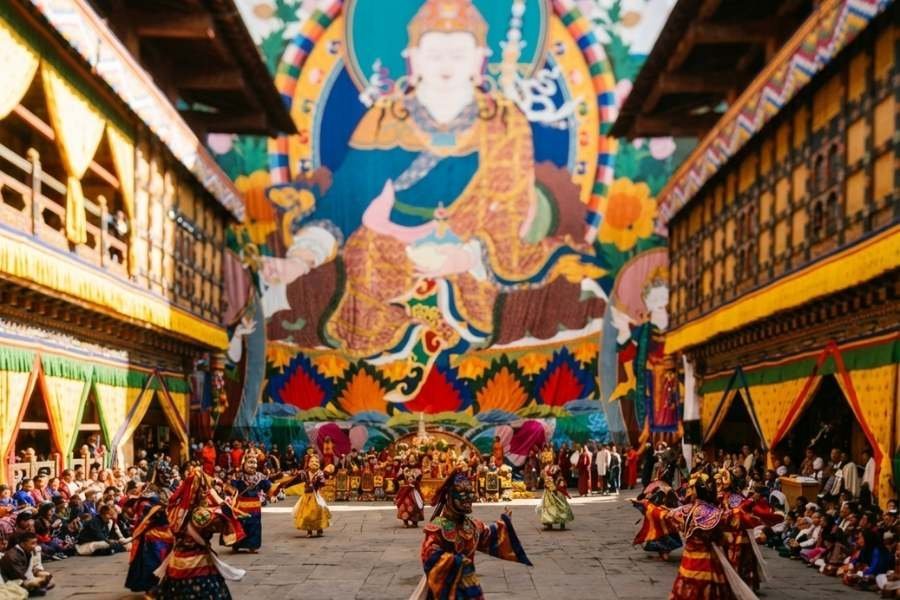
    Imagine the bite of the air, the smell of juniper smoke, and the vast crowd of spectators in their glowing silk robes, jammed into the stone courtyard of a 17th-century fortress, all of them staring at one wall, waiting for someone. Then a huge tapestry of silk, four stories high, rolled down the side of the building. Everyone present at that moment put their palms together. There was a great weeping, and many thought that the sight would cleanse their souls from a year’s sin.

    It is a Tshechu. If you are in India or planning to go to Bhutan at this time, then it could turn out to be one of the best trips that will leave a long-lasting impression on your life.

    Let’s go deeper to know more about the festival below.

    First, what even is a Tshechu?

    Tshechu means “Tenth Day” and is a religious festival held once a year in each of Bhutan’s districts. It is in honor of Guru Rinpoche, an 8th-century master thought to have brought Buddhism to the kingdom. Every Tshechu is held over the local dzong, the fortress monastery that also functions as the district’s government office and spiritual hub. So basically you’re going to enjoy it inside a town hall that is also a monastery, and it’s 400 years old.

    The main event is called Cham, during which monks and laymen perform a wonderful dance show with towering wooden masks and brocade robes so heavy they can make you sweat just by looking at them. But most of the people are not aware of the fact that these are not shows, rather, these shows are believed to earn spiritual merit and scrub away bad karma by just watching them. “So when you see this show, you are not an audience, you are a participant. You are being blessed by being there.”

    Meet the Phallus (the sacred clown)

    The favorite character of the event is called the Atsara, which is a clown that weaves through the crowd, wearing a red mask with a hawkish nose, a permanent grin, and very often painted in wooden phallus form, which the clown is not shy about.

    The Atsara is an enlightened being who has gone beyond shame, ego, and “polite society”. His job is to joke, make fun of the monks, tease old men, bonk your camera, and bless young women for fertility, sometimes by gently tapping them on the head with said phallus. The word “Atsara” comes from the Sanskrit “acharya”, meaning “teacher”. So the clown making the entire crowd laugh in the middle of a solemn ritual is, technically, the wisest one in the room.

    What Makes the Paro Tshechu Festival Special

    If you only want to visit one Tshechu Festival, you must attend the Paro Tshechu Festival, it is widely considered the holiest and the most beautiful of them all.

    Held over five days each spring at Rinpung Dzong, the magnificent “Fortress on a Heap of Jewels” atop a pile of jewels above the Paro River, framed by snow-capped Himalayan peaks in the courtyard. The festival has been celebrated nearly every year since 1644, when it was started with the consecration of the dzong itself. This isn’t some tourist re-enactment, it’s nearly 400 years old and unbroken.

    Why Paro stands out:

    • The Thongdrel. The four-storey tapestry from the opening scene? That’s Paro’s. The giant silk thongdrel of Guru Rinpoche – some 30 metres long – is unfurled before sunrise on the last morning and rolled up before the sun’s rays can touch it. Its name, in fact, means “liberation on sight”. Pilgrims walk all night so they can be there for it.
    • Spring’s perfect timing. Late March to early April is when the rhododendrons are in bloom and the weather is ideal for hiking – so combine the festival with the legendary Tiger’s Nest (Paro Taktsang), perched on its cliff face. 
    • A soul-filled giant family picnic. Families spread out blankets, distributing ema datshi (chillies and cheese – Bhutan’s fiery national dish) and butter tea, children dart between dancers, and the whole valley thrums with horns and drums. Spiritual but never stilted. 


    Expected dates: Paro Tshechu 2026 is generally listed as about 29 March – 2 April 2026 (some sources say 30 March – 3 April).

    Thimphu Tshechu Festival, Bhutan’s Capital Celebration

    If Paro is considered to be the most sacred one, the Thimphu Tshechu Festival is the grandest spectacle in the country. 

    Held in the courtyard of the capital’s Tashichho Dzong, it draws vast, electric crowds. It lasts for three days and begins on the 10th day of the 8th lunar month, usually September or October, when Bhutan’s autumn skies become impossibly clear. 

    Held in the courtyard of the capital’s Tashichho Dzong, it draws vast, electric crowds. It lasts for three days and begins on the 10th day of the 8th lunar month, usually September or October, when Bhutan’s autumn skies become impossibly clear.

    Why Thimphu wins fans:

    • Cinematic light. The crisp autumn air and golden afternoons are a photographer’s dream.
    • The greatest variety of dances. As the capital’s headline event, it features the widest range of sacred Cham, performed by both monks and lay dancers.
    • Simplest foundation. In the capital you’ll find the greatest choice of hotels, the best food scene, and the easiest logistics, ideal for a first-timer who wants comfort with the culture.

    The Wildest Part: Just Getting There

    Here’s a fact that makes your flight a story you’ll tell for years. Paro is Bhutan’s sole international airport, nestled in a valley ringed by 18,000-foot peaks, and it’s so famously tricky that only around 50 pilots worldwide are certified to land there.

    No radar to guide the approach. The whole thing is flown by hand by the pilots, only in daylight, threading between mountains and dropping into the valley with sharp banking turns. They don’t see the runway until they’re a mile or two away. One pilot said flying so low along a ridge, you feel like you can touch the grass and see the inside of the kitchen of a Bhutanese house. 

    Drukair and Bhutan Airlines fly in from Delhi, Kolkata, Bagdogra, Guwahati, and Mumbai. If you have a window seat on a clear day, you may see Everest, Kanchenjunga, and Jomolhari as you arrive. 

    And another reason to fall in love with your destination: Bhutan is one of the few carbon-negative countries in the world, with over 70% forest cover, it absorbs more carbon than it emits. Your spectacular festival weekend is taking place in a place that is literally cleaning the air of the planet.

    Why 2026 Is a Great Year to Go

    Bhutan is having a real moment, and some of the things happening right now are wild enough to spark conversation back home:

    • A jungle king. Clears hands: Bhutan is constructing an entirely new “Gelephu Mindfulness City” near the border with India, a brand-new district three times the size of Singapore, planned by the architects of some of the world’s most renowned buildings. The King himself has joined volunteer crews of thousands to clear the land manually. There is a second international airport planned for around 2029, which will finally make Bhutan much more accessible. 
    • Bhutan is literally betting on Bitcoin: In December 2025, the King promised 10,000 Bitcoin, or about $1 billion, from the national reserves to help pay for that new city. Yes, the Buddhist Himalayan kingdom is also quietly one of the most interesting crypto tales in the world. 
    • Still gloriously uncrowded: Bhutan’s “High Value, Low Volume” tourism policy means you won’t be elbowing through selfie-stick mobs. The festival you attend will feel like a genuine community celebration and not like a theme park.

    Why Bhutan Is the Perfect Trip from India

    For Indian travelers, Bhutan is in just the right place: foreign enough to be a real adventure but familiar and easy enough to plan on a whim.

    Visa not required. Indian nationals do not need a visa, only an entry permit, which can be obtained online from Bhutan’s immigration portal or on arrival at Paro airport or Phuentsholing land border. Valid passport (6+ months) or voter ID card, plus photos and hotel itinerary. (Aadhaar and driving licenses are no longer valid.)

    The fee is a concession for Indians. Indian nationals pay a sustainable development fee of ₹1,200 per person, per night, versus the US$100 rate other nationalities pay. Kids 6-12 are half price, under 6 is free. That rate is good through August of 2027.

    It is fast and cheap. Flights from India to Paro usually start at around ₹18,000 one way. Prefer the road? The most popular land route is via the Jaigaon–Phuentsholing crossing from West Bengal. A realistic 5-day trip will cost you between ₹35,000 and ₹70,000 per person, all-in.

    How to Plan Your Tshechu Trip

    A simple game plan for first-timers: 

    • Choose your festival. Spring-lover looking for valleys in bloom and the Tiger’s Nest? Go, Paro. Want clear skies in autumn and the biggest party? Thimphu, choose.
    • Lock lunar dates. Do not purchase flights until the exact dates in 2026 are confirmed.
    • Book 4-6 months ahead. Festival season is a busy one, and there are only so many flights that land in that valley.
    • Create a buffer. Just add some Thimphu and Punakha sightseeing around the festival and save the Tiger’s Nest hike for a non-festival morning.
    • Dress respectfully. Long sleeves, pants or long skirts, and easy-to-slip-off shoes for the courtyard.
  • Why Northeast India Still Feels Untouched Compared to Himachal & Kashmir

    Why Travelers Are Now Looking Beyond Himachal & Kashmir

    For years, destinations like Himachal Pradesh and Kashmir have dominated Indian travel bucket lists. From crowded cafes in Manali to packed tourist spots in Gulmarg, these places continue to attract massive numbers of travelers every season.

    But in 2026, a different side of India is quietly capturing the hearts of travelers – Untouched destinations of Northeast India are now becoming the top choice for travelers who want peace, nature, and authenticity away from crowded tourist spots like Himachal and Kashmir.

    Unlike many mainstream hill destinations, Northeast India still feels raw, peaceful, and deeply connected to nature. The roads are quieter, the mountains feel more personal, and the experiences are far more authentic. Instead of crowded viewpoints and traffic jams, you find hidden waterfalls, mist-covered valleys, local cultures, and landscapes that still feel untouched.

    That is exactly why travelers searching for unexplored places in India are now choosing the Northeast over crowded tourist circuits.

    What Makes Northeast India Feel So Untouched?

    The biggest difference is simple — mass tourism has still not completely taken over Northeast India.

    While places like Shimla, Manali, and Srinagar often feel commercialized during peak seasons, destinations in the Northeast continue to preserve their natural beauty and cultural identity.

    In Northeast India, you still experience:

    • Quiet mountain roads without endless traffic
    • Clean air and peaceful surroundings
    • Authentic local food and traditions
    • Less crowded sightseeing spots
    • Hidden villages and unexplored landscapes
    • Genuine hospitality from locals

    The region offers something modern travelers are desperately searching for — peace.

    Sikkim – Where Mountains Still Feel Pure

    Sikkim is one of the most beautiful untouched destinations of Northeast India, offering clean landscapes, monasteries, and peaceful mountain experiences.

    Whether it’s the peaceful monasteries of Ravangla, the lively streets of Gangtok, the snowy beauty of North Sikkim, or the calm landscapes of Pelling, Sikkim gives travelers a perfect blend of adventure, culture, and relaxation.

    Unlike overcrowded hill stations, Sikkim still feels organized, clean, and naturally beautiful.

    June is one of the best times to experience:

    • Cloud-covered valleys
    • Green mountain landscapes
    • Fresh waterfalls
    • Pleasant weather
    • Peaceful road trips

    At Tripjyada, we offer customized Sikkim tour packages designed for families, couples, groups, and corporate travelers.

    Darjeeling – More Than Just a Hill Station

    Darjeeling is often compared with other popular hill destinations, but the charm here feels completely different.

    The slow mornings, tea gardens, toy train rides, Kanchenjunga views, and old colonial atmosphere create an emotional connection that many destinations fail to offer today. Even during busy seasons, Darjeeling still carries a timeless mountain vibe that travelers fall in love with again and again.

    From romantic trips to family vacations, Darjeeling remains one of the most loved mountain destinations in Eastern India.

    Bhutan – The Himalayan Escape Everyone Needs

    If you want mountains without chaos, Bhutan is the perfect answer.

    Bhutan focuses on happiness, sustainability, and peaceful tourism. That’s why travelers returning from Bhutan often describe the experience as calming and life-changing.

    From the monasteries of Paro to the valleys of Punakha and Thimphu, Bhutan offers:

    • Peaceful landscapes
    • Beautiful Himalayan roads
    • Rich Buddhist culture
    • Clean and organized cities
    • Less commercial tourism

    June is also a fantastic season for Bhutan road trips and group tours because the valleys become greener and the weather remains pleasant.

    Tripjyada offers Bhutan group tours and customized Bhutan packages from Bagdogra, Siliguri, and nearby regions.

    Meghalaya – India’s Hidden Paradise

    Meghalaya feels like a destination straight out of a dream. It remains one of the most unique untouched destinations of Northeast India with waterfalls, caves, and living root bridges.

    Unlike mainstream tourist states, Meghalaya still feels fresh and unexplored. Even simple road journeys become unforgettable experiences here.

    Places like:

    • Shillong
    • Cherrapunji
    • Dawki
    • Mawlynnong

    continue to attract travelers looking for nature, peace, and adventure together.

    Arunachal Pradesh – The Last Frontier of Indian Tourism

    If there is one destination that truly defines unexplored India, it is Arunachal Pradesh.

    Massive mountains, remote monasteries, beautiful valleys, and untouched roads make Arunachal feel completely different from mainstream tourism destinations. Tawang especially has become a dream destination for mountain lovers, but the region still remains far less crowded compared to popular northern states.

    For travelers who genuinely want to disconnect from city life, Arunachal offers one of the purest travel experiences in India.

    Why June Is the Best Time to Book Northeast India Tours

    June officially begins one of the busiest travel seasons for Northeast India tourism.

    As schools close and summer vacations continue, demand for:

    • Sikkim tour packages
    • Darjeeling trips
    • Bhutan group tours
    • Meghalaya road trips
    • Arunachal Pradesh tours

    starts increasing rapidly.

    Hotel availability becomes limited, flight prices rise, and premium stays get booked early.

    That’s why early booking is always recommended.

    Booking your trip in advance helps you:

    • Get better hotel choices
    • Secure lower package prices
    • Avoid last-minute availability issues
    • Plan smoother itineraries
    • Enjoy better travel experiences

    Explore Northeast India with Tripjyada

    At Tripjyada, we specialize in curated Northeast India experiences with local expertise, comfortable stays, trusted transportation, and personalized itineraries.

    Whether you are planning:

    • A romantic Sikkim getaway
    • A peaceful Bhutan trip
    • A Meghalaya adventure
    • A Darjeeling family vacation
    • An Arunachal Pradesh road trip

    Our team helps you experience the Northeast as comfortably and authentically as possible.

    Because some places are not just meant to be visited.

    They are meant to be felt.

    Book your Northeast journey early this June with Tripjyada and discover the side of India that still feels untouched.

  • June Won’t Wait: Why This Is the Most Important Month for Sikkim, Darjeeling & Bhutan Travel

    The best time to visit Sikkim is one of the most searched travel queries every summer, and the answer becomes clear: it’s in June. Along with Darjeeling and Bhutan, June transforms the Eastern Himalayas into a paradise of green valleys, cool weather, cloud-covered roads, and breathtaking mountain views.

    Every year, thousands of travelers wait for the perfect time to visit the Himalayas. Some plan for snowfall, some for autumn skies – but experienced travelers know that June holds a special magic of its own. Before the heavy monsoon arrives and while the mountains are still fresh from spring, June transforms destinations like Sikkim, Darjeeling, and Bhutan into a paradise of green valleys, cool weather, cloud-covered roads, and breathtaking mountain views.

    And that’s exactly why June is considered one of the busiest and most important travel months in the Eastern Himalayas. But here’s the thing most travelers realize too late – June doesn’t stay forever. In fact, this beautiful Himalayan window comes only once a year.

    By the time people finally decide to travel, hotels are already sold out, premium rooms become expensive, and the best travel dates disappear quickly. That is why experienced travelers start planning their June vacations much earlier.

    Why June Is the Sweet Spot for Himalayan Travel

    There’s something magical about the mountains in June. The weather feels perfect after the harsh winter months, yet the heavy monsoon showers haven’t fully arrived. It creates the ideal balance for sightseeing, road trips, photography, family vacations, and peaceful mountain stays.

    In June, destinations like Gangtok, Pelling, Lachung, Paro, Thimphu, and Darjeeling look incredibly fresh and vibrant. Tea gardens become greener, mountain views become clearer, waterfalls grow stronger, and cool breezes replace the unbearable city heat.

    Whether you’re planning a honeymoon, a family trip, a group tour, or simply an escape from daily life, June offers the kind of mountain experience travelers wait all year for.

    Sikkim in June Feels Like a Different World

    June is considered the best time to visit Sikkim for travelers looking for mountain views, cool weather, and scenic road trips. Traveling through Gangtok in June feels refreshing in every sense. The roads are surrounded by clouds, colorful prayer flags dance with the wind, and every viewpoint feels cinematic.

    Places like:

    • Tsomgo Lake
    • Lachung
    • Yumthang Valley
    • Pelling
    • Zuluk

    become some of the most beautiful destinations in Northeast India during this season.

    June is also considered one of the best times for travelers who want:

    • Pleasant weather
    • Mountain photography
    • Family-friendly vacations
    • Scenic road trips
    • Cloud-covered valleys
    • Peaceful stays away from city crowds

    From honeymoon trips to family holidays, June sees a huge rise in travelers booking their preferred Sikkim tour package before hotels and transport sell out.

    Darjeeling Looks Its Best Before Peak Monsoon

    There’s a reason travelers never stop falling in love with Darjeeling. June brings cool weather, floating clouds, fresh tea garden views, and stunning sunrise experiences from places like:

    • Tiger Hill
    • Batasia Loop
    • Ghoom Monastery

    The famous toy train rides feel more beautiful during this season, and the overall atmosphere becomes perfect for couples, families, and content creators.

    Another important reason why June matters so much is visibility. Before heavy monsoon clouds dominate the region, travelers often get clearer mountain views, including glimpses of the majestic Kanchenjunga range. As summer vacations begin, travelers actively search for the perfect Darjeeling tour package to enjoy toy train rides, tea gardens, and peaceful mountain stays.

    Bhutan in June Is Peaceful, Green & Refreshing

    While most Indian cities struggle with extreme heat, Bhutan offers cool weather, peaceful monasteries, green valleys, and calm surroundings that instantly slow life down.

    Destinations like:

    • Paro
    • Thimphu
    • Dochula Pass
    • Punakha

    look stunning during June.

    For many travelers, Bhutan in June becomes more than just a trip. It becomes a complete mental reset. With cool temperatures and peaceful mountain landscapes, June becomes one of the best seasons to book a Bhutan tour package for family vacations, group tours, and honeymoon trips.

    Why Travelers Should Book Early for June

    One mistake many travelers make is assuming mountain trips can be planned at the last moment.

    But June is different.

    Because it falls during:

    • Summer vacations
    • School holidays
    • Peak family travel season
    • Corporate travel breaks
    • Honeymoon season

    Hotel rooms and transport availability are reducing very quickly.

    In destinations like Sikkim and Darjeeling, premium hotels often become fully booked weeks before departure dates. Shared vehicles, permits, and preferred sightseeing slots also become difficult to manage later.

    As demand rises, prices rise too.

    That’s why early June booking is not just smart –  it actually saves money and gives travelers better hotel choices.

    June Comes Once. The Mountains Change Fast.

    The beauty of Himalayan travel is that every season feels different.

    But June holds a special place because it sits perfectly between spring freshness and peak monsoon rainfall. The landscapes look alive, the weather remains enjoyable, and the roads feel adventurous without becoming too risky.

    Miss June, and you may have to wait another entire year for the same mountain feeling again.

    Conclusion

    The mountains never really go out of style. But some months make them feel unforgettable, and June is one of those months. Whether it’s the cool breeze of Darjeeling mornings, the winding roads of Sikkim, or the peaceful valleys of Bhutan, June creates memories that feel different from ordinary vacations.

    If the mountains have been on your mind lately, maybe this is your sign. So whether you are planning a family vacation, a honeymoon, a group tour, or simply a break from routine life, June is the month that should not be delayed, as June won’t wait.

    Before booking a Himalayan vacation, many travelers also refer to official tourism portals like Sikkim Tourism and Bhutan Travel for destination updates and seasonal travel information.

    If you are searching for the best time to visit Sikkim, Darjeeling, and Bhutan, June remains one of the most recommended travel months. Explore customized Sikkim, Darjeeling & Bhutan tour packages with Tripjyada and secure your preferred travel dates before the season gets fully booked.
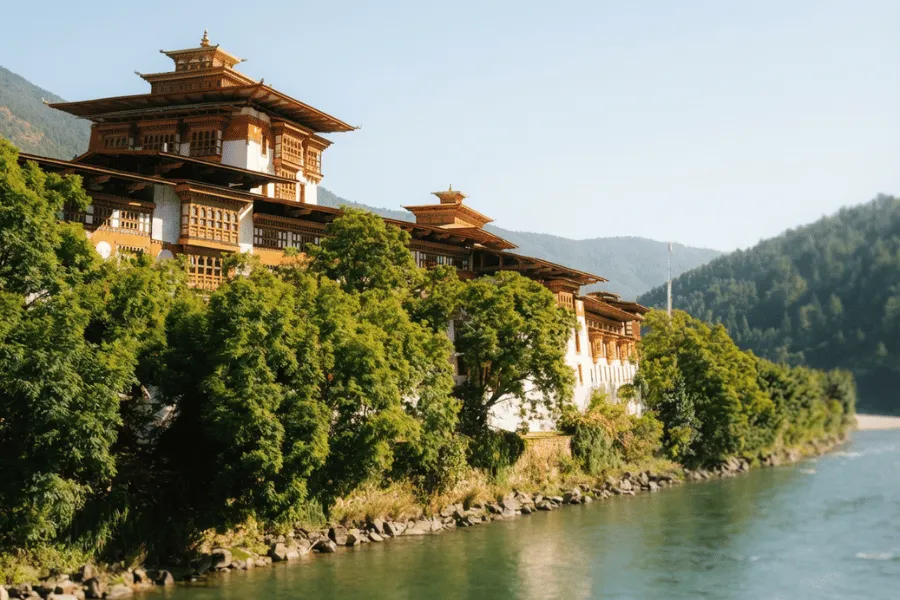
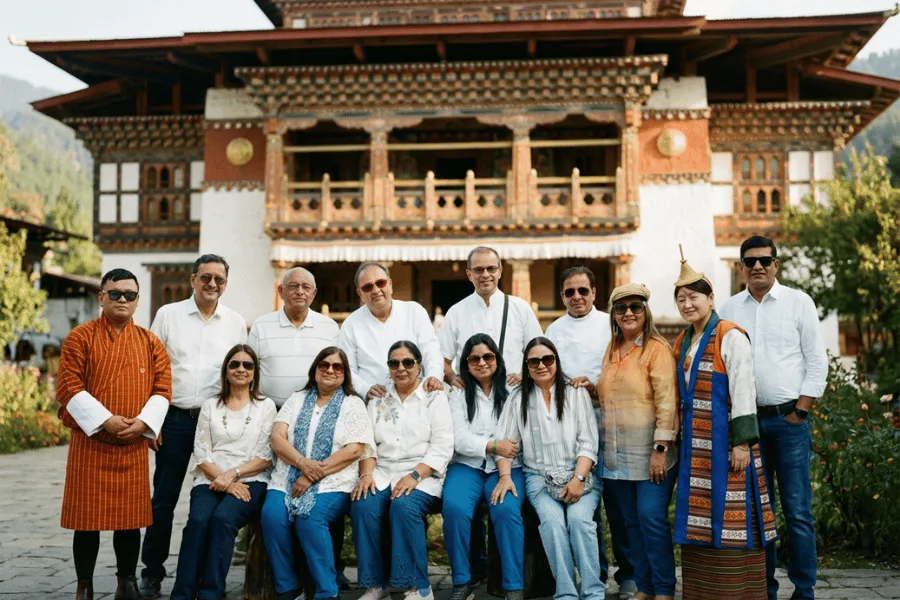
  • Why Bhutan Feels So Peaceful Compared to Other Tourist Destinations

    Why Bhutan feels so peaceful is something many travellers only truly understand after visiting the country themselves. In today’s fast-moving world, most people travel to escape stress, and strangely, many people return from vacations feeling even more tired than before. But Bhutan feels different almost immediately. The roads are quieter, mornings feel slower, and somehow your mind stops rushing all the time. Even during long road journeys, travellers often notice something unusual, there’s very little chaos. No aggressive honking, no loud traffic noise, no pressure to constantly rush. Travellers often describe Bhutan as:

    • emotionally calming
    • mentally refreshing
    • spiritually peaceful
    • naturally healing

    Unlike many commercial tourist destinations, Bhutan offers something rare today – silence, balance, and simplicity. And that is exactly why more travellers now consider Bhutan one of the best peaceful countries to visit.

    Why Bhutan feels so Peaceful: Happiness Over Commercial Tourism

    One of the biggest reasons why Bhutan feels so peaceful is because the country follows a philosophy called Gross National Happiness (GNH).

    Instead of focusing only on economic growth, Bhutan believes development should also include:

    • mental well-being
    • environmental conservation
    • cultural protection
    • sustainable living
    • community happiness

    This philosophy directly affects tourism and daily life. You can actually feel this difference while traveling through Bhutan. Tourist places feel calmer, local markets feel less chaotic, and even simple interactions with people feel more genuine. 

    What Travellers Notice in Bhutan:

    • Less overcrowding
    • Cleaner public spaces
    • Limited commercialization
    • Minimal pollution
    • Slower lifestyle
    • Respect for nature and culture

    Unlike many destinations where tourism feels heavily business-focused, Bhutan still feels genuine and emotionally balanced.

    Even local people appear calmer and less rushed compared to many busy tourist cities around the world. Many travelers notice that people in Bhutan don’t seem constantly stressed or hurried the way modern city life often feels.  That peaceful social environment naturally impacts travelers too.

    Why Bhutan’s Natural Environment Feels So Peaceful

    Bhutan’s landscapes are not just beautiful – they feel calming. Sometimes during mountain drives, all you can hear is river water, mountain wind, and prayer flags fluttering softly beside the roads. Road journeys through:

    • Paro
    • Punakha
    • Thimphu
    • Phobjikha Valley

    Offer peaceful surroundings filled with:

    • green mountains
    • fresh air
    • rivers
    • pine forests
    • prayer flags
    • quiet villages

    Unlike many hill destinations that become noisy and overcrowded during peak season, Bhutan still feels preserved. Travellers planning a Bhutan itinerary can also explore our detailed Bhutan tour packages.

    Why Nature Feels Different in Bhutan:

    • Less traffic on mountain roads
    • Minimal honking culture
    • Cleaner environment
    • Controlled urban development
    • More greenery and open landscapes

    This slower and quieter atmosphere naturally reduces stress and mental fatigue. Sometimes the most memorable part of Bhutan isn’t sightseeing at all, it’s simply sitting quietly beside a river or watching clouds move slowly through the mountains.

    Why Slow Travel in Bhutan Feels Different

    Slow travel is another reason why Bhutan feels so emotionally different from most destinations. Modern tourism often feels rushed. Many travellers try to cover:

    • Multiple cities in one trip
    • too many sightseeing points
    • packed daily itineraries

    But Bhutan is not a destination meant for rushing, and maybe that’s why people feel mentally lighter here. Bhutan doesn’t constantly push travellers to ‘do more’. It quietly teaches them to slow down.” In fact, Bhutan feels best when experienced slowly.

    Simple Experiences That Become Special in Bhutan:

    • Watching clouds move across mountains
    • Drinking tea with mountain views
    • Walking through peaceful villages
    • Listening to monastery bells
    • Enjoying quiet sunrise mornings
    • Sitting silently near rivers

    In most destinations, travellers come back with hundreds of photos. In Bhutan, people often come back remembering feelings instead, and surprisingly, these simple moments become the most memorable part of the Bhutan travel experience. Bhutan teaches travellers to slow down mentally, something most people rarely experience in modern life.

    Why Bhutan’s Spiritual Atmosphere Feels So Peaceful

    Bhutan’s peacefulness is deeply connected with Buddhism and spirituality. But what makes Bhutan special is that spirituality here is not only for tourists, it is part of everyday life.

    You’ll find:

    • prayer wheels beside roads
    • monks in local towns
    • peaceful monasteries in mountains
    • prayer flags across valleys
    • meditation culture integrated into daily living

    Places like:

    • Tiger’s Nest Monastery
    • Punakha Dzong
    • Buddha Dordenma

    Don’t just offer scenic beauty. They create emotional silence. Many travellers say the peacefulness in Bhutan feels difficult to explain in words. Maybe it’s the monastery chants, the mountain air, or simply the silence people are no longer used to hearing.

    Why Travellers Feel Spiritually Calm in Bhutan:

    • Less noise and distraction
    • Peaceful monastery surroundings
    • Slow-paced local lifestyle
    • Deep connection with nature
    • Calm spiritual energy

    Even travellers who are not religious often say Bhutan feels emotionally healing.

    Bhutan Protects Its Culture & Traditions

    One major reason why Bhutan feels authentic is that the country has successfully preserved its culture. Unlike many destinations where modernization has replaced local identity, Bhutan still strongly protects:

    • traditional architecture
    • cultural festivals
    • local dress
    • monastery traditions
    • village lifestyle

    What Travelers Commonly Notice:

    • Even modern buildings in Bhutan often follow traditional Bhutanese architecture, which makes the country feel culturally connected instead of overly modernized.
    • Locals proudly wearing national dress and unlike many places where traditions survive only for tourists, Bhutanese culture still feels naturally woven into daily life.” 
    • Strong respect for traditions
    • Cultural balance between modern life and heritage

    Because of this, Bhutan feels culturally rich instead of overly commercialized, and that authenticity creates a deeper emotional connection for travelers.

    Why Controlled Tourism Makes Bhutan More Peaceful

    Many famous destinations today suffer from over-tourism. Problems like:

    • traffic congestion
    • crowded sightseeing points
    • pollution
    • long waiting lines
    • noisy environments

    Often make vacations stressful. Bhutan avoids this by carefully managing tourism, that’s why many travelers feel relaxed here instead of mentally exhausted after sightseeing.

    Benefits of Controlled Tourism in Bhutan:

    • Cleaner tourist spots
    • Peaceful monasteries where you can actually sit quietly and experience places instead of constantly fighting crowds for photos.
    • Better travel experiences
    • Less environmental damage
    • More authentic local interactions

    Travelers can actually enjoy the destination without constantly feeling mentally exhausted. That’s one reason Bhutan stands out among peaceful travel destinations.

    Bhutan Helps Travelers Disconnect From Digital Overload

    Modern life constantly keeps people mentally active. Phones, social media, work emails, and notifications rarely stop. But Bhutan naturally slows this down. Many travelers unconsciously start using their phones less here. Not because they’re forced to, but because the surroundings naturally pull their attention away from screens.” Sometimes your hotel balcony overlooks the following:

    • mountains
    • clouds
    • forests
    • rivers

    Why This Feels Mentally Refreshing:

    • Less overstimulation
    • Quieter surroundings
    • Better sleep quality
    • Slower daily rhythm
    • More mindful travel experiences

    Many travelers realize they spend less time on their phones and more time simply observing nature, and that mental break becomes emotionally healing.

    Common Mistakes Travelers Make in Bhutan

    1. Rushing the Itinerary: Trying to cover too many destinations quickly can make the trip tiring. Bhutan road journeys are beautiful, but mountain travel can still feel physically exhausting if the itinerary becomes too packed.

    Better Tip: Spend more time in fewer places and enjoy the journey slowly.

    2. Overplanning Every Hour: Some of Bhutan’s best experiences are unexpected:

    • peaceful sunsets
    • mountain rain
    • local conversations
    • silent monastery moments

    Leave room for spontaneous experiences. Sometimes the best Bhutan memories come from unplanned moments – roadside tea stops, mountain rain, or simply watching the sunset quietly. 

    3. Ignoring Mountain Fatigue: Long mountain drives and altitude changes can feel tiring. Helpful advice:

    • stay hydrated
    • sleep properly
    • Avoid overexertion initially
    • Keep relaxed travel schedules

    Local Insider Tips for a Better Bhutan Experience

    As a Northeast-based travel company, we genuinely recommend travelers to experience Bhutan slowly rather than treating it like a checklist destination. One thing we’ve genuinely noticed is that travelers enjoy Bhutan the most when they stop trying to ‘cover everything’ and simply experience the place slowly.

    Practical Tips:

    • Choose scenic stays over crowded market areas
    • Wake up early for peaceful mountain mornings
    • Keep buffer days in your itinerary
    • Respect monastery silence and local culture
    • Spend more time outdoors than indoors
    • Avoid excessive hotel hopping

    The slower your travel pace, the more peaceful Bhutan feels.

    Best Time to Visit Bhutan for Peaceful Travel

    Bhutan offers a different travel experience in every season. Here’s what you can expect:

    Spring: March to May

    Visit during spring for lush greenery, blooming flowers, pleasant weather, and comfortable sightseeing.

    Autumn: September to November

    Choose autumn for clear Himalayan views, beautiful photography, colourful festivals, and scenic road trips.

    Winter: December to February

    Winter is perfect for fewer crowds, peaceful surroundings, and a quieter, more relaxed travel experience.

    Not sure which month suits your travel plans? Read our detailed guide on the best season to visit Bhutan.

    Conclusion

    What makes Bhutan truly unforgettable is not only its mountains or monasteries but also the way Bhutan makes people feel.

    The silence feels deeper, you sleep earlier, wake up calmer, and spend less time scrolling your phone, and somewhere during the journey, your mind slowly becomes quieter too.

    In a world filled with noise, pressure, and constant rush, Bhutan reminds people what peace actually feels like, and maybe that’s why travelers don’t just visit Bhutan. Maybe that’s why people don’t just remember Bhutan for its mountains or monasteries. They remember how peaceful they felt there.