Tripjyada CMS Staging

Blog

  • Spring Fevers and Festive Flavors: A Cultural Journey You Shouldn’t Miss

    Festivals in India are more than colourful events marked on a calendar, they bring together faith, food, music, changing seasons, and entire communities. April makes this especially visible. Across the country, people celebrate fresh harvests and regional New Years as fields turn golden, homes are decorated, temples welcome devotees, and streets fill with music, dance, and festive food.

    For travellers, this is a wonderful time to experience the cultural side of the country. Planning a journey around these festivals in India allows you to see more than famous attractions, you share meals, understand local customs, and feel the character of each region.

    If you have been looking for a meaningful reason to travel in April, this guide is for you. Here are six celebrations that can turn an ordinary holiday into a story you will remember for years.

    Read more: 2026 Travel Checklist: The Must-Visit Places for the Himalayas

    Festivals in India in April: A Quick Overview

    Festival Main region What it celebrates Experience to look forward to
    Baisakhi Punjab Harvest season and the Sikh New Year Bhangra, fairs, Gurudwara visits, and langar
    Bohag Bihu Assam Assamese New Year and the arrival of spring Bihu dance, folk music, and traditional food
    Vishu Kerala A new year filled with hope and prosperity Vishu Kani, temple visits, and Sadya
    Poila Boisakh West Bengal Bengali New Year Cultural programmes, Hal Khata, and festive meals
    Sangken Arunachal Pradesh Buddhist New Year, purification, and renewal Water rituals, monastery prayers, and community gatherings
    Nepali New Year Sikkim, Darjeeling, and Nepali communities across India The beginning of the Bikram Sambat year Temple visits, family gatherings, and cultural events

    Why April Is a Special Month for Cultural Travel

    April brings several harvest and regional New Year celebrations into a single month. Yet each festival feels completely different because it is shaped by the landscape, faith, food, music, and history of its region. Travelling during this period gives you an opportunity to:

    • Experience living traditions instead of only visiting tourist attractions

    • Taste seasonal and festive dishes prepared by local communities

    • Photograph colourful attire, dances, decorations, and rituals

    • Combine popular destinations with meaningful cultural experiences

    • Discover how different regions welcome a new season and a new year

    The best festivals in India are not performances created for visitors. They are part of everyday community life. Approach them with curiosity and respect, and the experience becomes far more rewarding.

    1. Baisakhi in Punjab: The Rhythm of the Golden Harvest

    Imagine Punjab in April: endless fields of ripe wheat, the beat of the dhol travelling through the air, and groups of dancers moving with an energy that is impossible to ignore. Baisakhi celebrates the harvest of Rabi crops, especially wheat, and marks a joyful moment after months of work in the fields.

    Baisakhi also holds deep importance for the Sikh community. Gurudwaras welcome devotees for prayer and reflection, while langar brings people together over a free community meal. This balance of celebration, gratitude, and service makes Baisakhi one of the most meaningful harvest festivals in India.

    What You Can Experience:

    • Energetic Bhangra and Gidda performances

    • Visits to Gurudwaras, including the Golden Temple in Amritsar

    • Langar, where people sit and eat together as equals

    • Local fairs featuring handicrafts, food stalls, games, and cultural shows

    • Punjab’s countryside during the peak harvest season

    Make the Journey More Meaningful

    Spend time beyond the main city celebrations if your itinerary allows. A visit to a village or agricultural area can help you understand why the harvest is so closely connected to Punjabi identity. Try local dishes, listen to folk music, and observe Gurudwara etiquette while taking part respectfully.

    2. Bohag Bihu in Assam: Spring, Music, and a New Beginning

    Bohag Bihu, also known as Rongali Bihu, marks the Assamese New Year and the arrival of spring. The celebration feels youthful and full of movement. Traditional songs speak of love, nature, and daily life, while the famous Bihu dance brings people together in villages, neighbourhoods, and cultural grounds.

    Unlike many large commercial events, Bohag Bihu often feels warm and personal. Families prepare food at home, younger people seek blessings from elders, and communities celebrate their shared identity. For travellers, it offers an honest glimpse into Assamese life.

    What Happens During Bohag Bihu?

    • Young men and women perform Bihu dance in traditional attire

    • Musicians sing Bihu geet accompanied by traditional instruments

    • Families prepare pitha, laru, jolpan, and other Assamese delicacies

    • People exchange the gamosa as a symbol of respect and goodwill

    • Community celebrations continue across several days

    Travel Experience in Assam

    Bohag Bihu is among the most welcoming cultural festivals in India. Watch a live performance, taste homemade festive food when invited, and speak with local people about the meaning behind their customs.

    April is also a good time to add Kaziranga National Park to your itinerary. The green landscapes and wildlife experience create a beautiful contrast to the music and excitement of the festival.

    3. Vishu in Kerala: A Quiet Celebration of Hope and Prosperity

    Vishu is an important spring celebration in Kerala. It represents a hopeful beginning and reflects the belief that the first sights and actions of the day can set a positive tone for the year ahead.

    Before dawn, families prepare the Vishu Kani—an arrangement of auspicious items that may include rice, fruits, flowers, gold, coins, a mirror, and an oil lamp. Family members view it first thing in the morning. The moment is peaceful, intimate, and filled with meaning.

    Traditions That Make Vishu Special

    • Vishu Kani: An arrangement symbolising abundance and prosperity

    • Vishu Kaineettam: Elders give money and blessings to younger family members

    • Vishu Sadya: A vegetarian feast served on banana leaves

    • Temple visits: Families offer prayers for a positive year ahead

    • Fireworks: Celebrations add colour and excitement to the day

    Why Vishu Feels Different

    Among the spring festivals in India, Vishu stands out for its calm and intentional mood. It is less about a crowded public spectacle and more about gratitude, family, and spiritual renewal.

    If you are travelling through Kerala, avoid treating private rituals as photo opportunities. Observe respectfully, visit a temple where visitors are permitted, and enjoy a traditional Sadya to connect with the spirit of the day.

    4. Poila Boisakh in West Bengal: A Bengali New Year Full of Art and Flavour

    Poila Boisakh, lovingly called Noboborsho, marks the first day of the Bengali calendar. In Kolkata and across West Bengal, people welcome the new year with fresh clothes, temple visits, cultural programmes, family meals, and plenty of sweets.

    The celebration carries a strong emotional connection. It brings together Bengal’s love for literature, music, art, business traditions, and food. Streets and cultural spaces feel festive, yet many of the most memorable moments happen around the family table.

    How Is Poila Boisakh Celebrated?

    • Cultural programs: Rabindra Sangeet, dance, poetry, and community performances celebrate Bengal’s artistic heritage.

    • Traditional attire: Red-and-white sarees, kurtas, and other ethnic clothing add to the festive atmosphere.

    • Hal Khata: Shopkeepers open new account books and welcome customers with sweets and good wishes.

    • Festive food: Families enjoy dishes such as luchi-alur dom, fish curry, rosogolla, sandesh, and mishti doi.

    • Temple visits: Many people begin the year by seeking blessings and expressing gratitude.

    A Celebration Travellers Can Feel

    Poila Boisakh is one of those regional New Year festivals in India where the destination itself becomes part of the experience. Attend a cultural programme, explore decorated markets, and reserve time for a proper Bengali meal. The joy lies not in rushing between events, but in allowing the day to unfold at a local pace.

    5. Sangken in Arunachal Pradesh: Water, Renewal, and Community

    Celebrated mainly by the Khamti, Singpho, and other Theravada Buddhist communities in Arunachal Pradesh, Sangken marks the traditional New Year in mid-April. The festival centres on purification—washing away negativity from the past and welcoming the year with a clearer, kinder spirit.

    Water plays an important role, but Sangken should not be understood as only a playful water festival. Its heart lies in prayer, respect, renewal, and community harmony. Buddha images are ceremonially bathed, people visit monasteries, and water is gently sprinkled as a symbol of cleansing and goodwill.

    Sangken Festival Highlights

    • Ceremonial bathing of Buddha images with clean water

    • Gentle sprinkling of water among community members

    • Monastery visits, prayers, and chanting

    • Traditional clothing, music, and cultural programmes

    • Community gatherings centred on peace and togetherness

    Experience Sangken Respectfully

    Sangken is one of the most distinctive Buddhist festivals in India, but it remains a sacred community celebration. Ask before photographing rituals or people, dress respectfully near monasteries, and follow instructions from local hosts.

    A carefully planned Arunachal Pradesh tour can combine the festival with the state’s monasteries, valleys, and scenic roads. Keep some flexibility in the itinerary because mountain travel can take longer than expected.

    6. Nepali New Year: Familiar Traditions Across a Shared Culture

    Nepali New Year, or Naya Barsha, begins the new year according to the Bikram Sambat calendar. Although it is most widely celebrated in Nepal, it is also meaningful to Nepali communities across India, particularly in Sikkim, Darjeeling, Kalimpong, and other Himalayan regions.

    Families welcome the occasion with temple visits, shared meals, cultural programmes, and time together. For many people, Naya Barsha is a chance to leave past disappointments behind and begin again with hope.

    What the Celebration Represents

    • A fresh start: People set new goals and look ahead with optimism.

    • Spiritual reflection: Temple visits and prayers seek blessings for the coming year.

    • Family connection: Relatives and friends gather to celebrate together.

    • Cultural identity: Music, food, and community events keep traditions alive across generations.

    Nepali New Year shows how some festivals in India connect communities across national borders. When visiting Sikkim or Darjeeling in April, local events can add a thoughtful cultural layer to a Himalayan holiday.

    Practical Tips for Planning an April Festival Trip

    A festival journey works best when there is room for spontaneity. Procession timings may change, popular hotels can fill early, and local traffic may move slowly around celebration areas.

    Before you travel:

    • Confirm the festival date, as some dates follow regional calendars and change each year

    • Book accommodation and transport early, especially around major cities and pilgrimage sites

    • Carry light clothing, sun protection, and a layer for cooler Himalayan evenings

    • Ask before photographing people, religious objects, or private ceremonies

    • Follow local dress codes and remove footwear where required

    • Avoid blocking processions or interrupting rituals for photographs

    • Keep buffer time between destinations, particularly in Northeast India

    These simple choices help you experience the festivals in India as a respectful guest rather than a hurried spectator.

    Turn Cultural Celebrations into Meaningful Journeys with Tripjyada

    April celebrations are more than dates marked on a calendar. Baisakhi carries the joy of the harvest, Bohag Bihu welcomes spring with music, Vishu begins with quiet hope, Poila Boisakh celebrates Bengali identity, Sangken invites renewal, and Nepali New Year brings Himalayan communities together.

    With a well-planned itinerary, you can combine these cultural experiences with destinations across Assam, Arunachal Pradesh, Sikkim, Darjeeling, and other parts of India. Reliable stays, comfortable transport, realistic travel times, and local guidance make the journey easier—especially when festival crowds and mountain roads are involved.

    Why Plan Your Festival Tour with Tripjyada?

    • Customised April festival tour packages

    • Comfortable and reliable Northeast cab services

    • Local knowledge of Assam, Arunachal Pradesh, Sikkim, and Darjeeling

    • Flexible itineraries built around culture, comfort, and realistic travel time

    • On-trip support for a smoother travel experience

    Whether you want to experience Bohag Bihu in Assam, Sangken in Arunachal Pradesh, or a regional New Year in the Himalayas, Tripjyada can help you build a journey that feels personal instead of packaged.

    Explore the most memorable festivals in India with Tripjyada and return home with more than photographs—return with stories, flavours, and moments that stay with you.

  • Tsomgo Lake vs Sangti Valley: Which is the Best ‘Alpine Escape’ for 2026?

    As the 2026 summer heat has begun to bake the Indian plains, the call of the Eastern Himalayas is growing deafening, as is the new dilemma: Tsomgo Lake vs. Sangti Valley. Which is better?

    If you’re planning your Northeast India itinerary for the 2026 spring and are confused about choosing between the glacial majesty of Sikkim’s Tsomgo Lake and the pastoral meadows of Arunachal’s Sangti Valley, here’s your absolute showdown between the high-altitude Tsomgo Lake and the pastoral gem Sangti Valley. Read through this guide and clear your confusion about Tsomgo Lake vs. Sangti Valley.

    Also Explore… Zero Point in 2026: New Rules, Permit Updates, Best Months to Visit & Travel Tips

    Tsomgo Lake Sikkim: The Glacial Goddess

    Tsomgo, locally known as Changu Lake, sits at a high altitude of 12,313 ft in the eastern Himalayas and remains the crown jewel of Sikkim. In April 2026, Changu Lake is in its most dramatic phase, altering from pearl-white to deep turquoise blue.

    Why is Sikkim’s Tsomgo a Must-Visit in 2026?

    • Seraphic Rhododendron Bloom: April sees peak rhododendron blooms in Sikkim. From the road to Tsomgo from Gangtok to the surrounding valleys of East Sikkim, you can spot clusters of colorful rhododendrons clustered everywhere. 
    • Easy Road Access: Sikkim’s Tsomgo is easy to access from Gangtok. Just a 2-hour ride in your tourist cab from the capital city of Sikkim is perfect if you don’t want a 10-hour journey.
    • The Experience: A journey to Sikkim is totally a high-octane adventure. From riding wild yaks to visiting Nathula Pass, holidays in Sikkim are ideal for travelers seeking that adrenaline rush.

    Read More… Arunachal Pradesh: The Land of Dawn-Lit Mountains

    Sangti Valley, Arunachal Pradesh: The Pastoral Paradise

    If Tsomgo is about the drama of the heights, Arunachal’s Sangti Valley is about the peace of the depths. Located away in West Kameng near Dirang, Sangti has shifted from a “hidden secret” to a 2026 bucket-list essential as travelers are calling it the “Switzerland of the East.”

    Why Arunachal’s Sangti Valley is a Must-Visit in 2026?

    • “Slow Travel”  Movement: While Tsomgo is an adventurous day trip, Sangti Valley is a serene experience. Sangti is all about camping by the riverside, watching endangered black-necked cranes, and walking across fruity orange & kiwi orchards.
    • Offbeat & Crowd-free: Arunachal’s Sangti Valley offers a kind of silence that is hard to find elsewhere. If you want to escape the humongous noise of tourists, Arunachal’s Sangti Valley will be the immaculate option.
    • Sela Tunnel Advantage: The Sela Tunnel is the game changer for 2026, as it makes your journey to Arunachal’s Sangti Valley safe & seamless during bad weather

    Explore… Sangti Valley Sunsets: Drone Spots & Cab Service in Arunachal Pradesh

    Tsomgo Lake vs. Sangti Valley: Quick Comparison

    Feature Tsomgo Lake (Sikkim) Sangti Valley (Arunachal)
    Altitude 12,313 ft 7200 ft
    Best Time April for snow & blooming wild flowers April for lush meadows and vibrant orchards
    Accessibility 2 hr (from Gangtok) 6-8 hr (from Guwahati)
    2026 Trend Rhododendron festival Sela tunnel speed-run
    Best for Adventure & photography Relaxing nature walks

    Tsomgo Lake vs. Sangti Valley: Which One Wins Your Heart?

    Don’t worry about Tsomgo Lake vs. Sangti Valley, simply:

    • Choose Tsomgo if you have less time and want to have that ultimate Himalayan moment, complete with snows, yak rides, and monastic detox integrated with vibrant Monpa culture, northeastern delicacies, and luxury cafes in Gangtok.
    • Choose Sangti if you’re craving a soul reset in a distant landscape where clocks stop ticking, and clouds kiss the ground. Arunachal’s Sangti is an absolute detox from the chaos of the digital world.

    Plan your Himalayan Dream with Tripjyada

    Planning a trip to the northeast shouldn’t feel like a house chore. At Tripjyada, we just don’t plan your route—we make it memorable forever. Whether you run after rhododendron blooms in Sikkim or the best tourist attractions in Arunachal, we’ve got it all covered, so you don’t have to brainstorm about Tsomgo Lake vs. Sangti Valley: where to go. When we’re here, no need to worry about

    • Real-Time Logistics: Daily updates on road conditions.
    • Hassle-Free Permits: From ILP to PAP, we take care of all, & you focus on memories.
    • Customized Itineraries: Expertise in making custom itineraries of your dream places.

    What are you waiting for? Book your custom itineraries from Tripjyada before it’s too late.

  • North Bengal & Darjeeling Offbeat Places– Hidden Gems Beyond the Usual

    North Bengal and Darjeeling offbeat places are often associated with iconic attractions like Tiger Hill, Batasia Loop, and the Toy Train, but beyond these well-known places lies a world of untouched villages, historic bungalows, deep forests, and surreal landscapes. If you seek solitude, nature, and an authentic experience away from the tourist crowds, these offbeat destinations are perfect for your next adventure.

    Offbeat places Darjeeling

    Offbeat Places in Darjeeling & North Bengal: Hidden Gems Beyond the Usual

    North Bengal and Darjeeling offbeat places are often associated with iconic attractions like Tiger Hill, Batasia Loop, and the Toy Train, but beyond these well-known places lies a world of untouched villages, historic bungalows, deep forests, and surreal landscapes. If you seek solitude, nature, and an authentic experience away from the tourist crowds, these offbeat destinations are perfect for your next adventure.

    Why Choose Offbeat Travel in 2026?

    Overtourism is real. Crowded hill stations, traffic, expensive hotels, rushed experiences. That’s why traveling to Darjeeling offbeat places gives you:

    • Peace & fewer crowds
    • Authentic local culture
    • Better pricing & availability
    • Unique Instagram and storytelling content

    This is exactly what modern travelers want: experiences, not just sightseeing. 

    Check out…Offbeats of Arunachal Pradesh


    Why Choose North Bengal & Darjeeling Offbeat Places as Destinations?

    When it comes to peaceful travel experiences, choosing Darjeeling offbeat places is the best because of:

    • Fewer Tourists – Escape the overcrowded spots and enjoy the peace.
    • Hidden Natural Beauty – Explore serene tea gardens, dense forests, and untouched river valleys.
    • Rich Heritage – Stay in colonial-era bungalows and experience authentic Himalayan culture.
    • Unique Local Experiences – Discover traditional Bhutia, Lepcha, and Nepali communities and their way of life.

    Best Darjeeling Offbeat Places You Must Visit

    1. Takdah – A Colonial Retreat Amidst Tea Gardens

    Once a British cantonment, Takdah is known for its colonial bungalows, misty forests, and vast tea gardens. Unlike the commercialized tea estates of Darjeeling town, the plantations here offer a more intimate experience. Takdah is one of the best among Darjeeling offbeat places that deserves a place in your checklist.

    Why Visit Takdah?
    • Stay in the Takdah Heritage Bungalow, a 100-year-old mansion.
    • Visit the Runglee Rungliot & Gielle Tea Estates for an immersive tea experience.
    • Explore the Takdah Orchid Center, home to rare Himalayan orchids.
    • Enjoy a peaceful trek through the Takdah Forest, rich in birdlife and wildlife.

    2. Sitong – The Hidden Orange Village

    A true hidden gem, Sitong is an untouched Lepcha hamlet known for its orange orchards. Located at an altitude of 4,000 feet, the village remains serene even in peak tourist seasons.

    What Makes Sitong Special?

    • Best time to visit – November to January, when the orchards are full of ripe oranges.
    • Stay in authentic Lepcha homestays and experience local culture.
    • Visit the historic Monastery Cave, a secret meditation site.
    • Enjoy nature trails through forests of oak and rhododendrons.

    3. Dawaipani – The Best Alternative to Darjeeling Town

    If you want to wake up to uninterrupted views of Kanchenjunga, Dawaipani is the place. Located just 15 km from Darjeeling, this tiny village remains untouched by mass tourism.

    Why Visit Dawaipani?

    Enjoy the best sunrise over Kanchenjunga, without the Tiger Hill crowd.

    Stay in charming wooden cottages with breathtaking mountain views.

    Take a short hike to the nearby Lebong Tea Estate for a unique experience.

    Experience organic farming and local village life.

    4. Rimbik & Srikhola – For True Himalayan Serenity

    Far beyond the usual tourist trails, Rimbik & Srikhola are two pristine Himalayan villages located near the Singalila National Park. These places are perfect for nature lovers, birdwatchers, and those who want absolute peace.

    Top Experiences in Rimbik & Srikhola

    • Experience the charm of wooden riverside homestays.
    • Perfect starting point for short treks leading to Sandakphu.
    • Enjoy fresh mountain air, lush greenery, and crystal-clear streams.
    • Best time to visit – September to May, with clear views and pleasant weather.

    Know more…Tranquil Lakes of Darjeeling

    Offbeat Places in North Bengal – Beyond Darjeeling

    5. Rongo – The Tea & Cardamom Paradise

    If you love scenic landscapes, zero commercialization, and fresh mountain air, Rongo is a must-visit. Located in the Dooars region, this tiny village is known for its organic tea and cardamom plantations.

    Why Rongo?

    • Visit the Rongo Monastery for spiritual peace.
    • Stay in a heritage tea bungalow overlooking vast green valleys.
    • Explore hidden waterfalls and lush hiking trails.
    • Experience untouched Himalayan culture with the local villagers.

    6. Bindu & Jhalong – A Riverside Escape at Bhutan Border

    Tucked away in the Dooars region, Bindu & Jhalong are riverside hamlets on the Indo-Bhutan border, offering stunning views, birdwatching opportunities, and peaceful stays.

    What to Do in Bindu & Jhalong?

    • Walk along the Jaldhaka River and enjoy a picnic in a pristine setting.
    • Stay in charming cottages with a view of Bhutanese hills.
    • Birdwatching paradise – Spot hornbills, kingfishers, and Himalayan griffons.
    • Explore untouched villages where time seems to stand still.

    7. Paren – A Lost Village Amidst the Hills

    If you’re searching for a zero-tourist escapeParen should be on your list. This village, surrounded by forests, mountains, and rivers, is one of the most unexplored gems of North Bengal.

    What Makes Paren Special?
    • No crowds, no commercialization – just pure natural beauty.
    • Stay in eco-cottages with panoramic views of the Himalayas.
    • Perfect for a relaxed getaway with no disturbances.
    • Best time to visit – October to April, when the weather is pleasant.


    Best Time to Explore North Bengal & Darjeeling Offbeat Places

    While you can visit these North Bengal & Darjeeling offbeat places throughout the year, here’s a seasonal guide:

    • Spring (March-May): Best for clear skies, fresh blooms, and tea garden visits.
    • Monsoon (June-September): Perfect for lush greenery, misty landscapes, and waterfalls.
    • Autumn (October-November): Ideal for trekking, cultural experiences, and festivals.
    • Winter (December-February): Best for peaceful stays, warm bonfires, and occasional snowfall in higher areas.

    Learn more…Stop! Don’t Visit Darjeeling Before Knowing…

    Pro Tips:

    • Book local guides, as offbeat areas may not have proper directions
    • Carry cash; digital payments may not work
    • Always check permits (especially Sikkim and Arunachal)
    • Travel with experienced operators for safety

    Why Choose These Offbeat Destinations?

    If you want to explore the true essence of Darjeeling and North Bengal, skipping the crowded tourist spots and choosing the best North Bengal & Darjeeling offbeat places is the way to go. Whether it’s the colonial charm of Takdah, the hidden orange groves of Sitong, or the untouched wilderness of Paren, these places offer a blend of history, culture, and breathtaking scenery that most travelers miss out on.

    Ready to Explore Hidden India?

    Stop doing the same trip everyone else is doing. Start your offbeat journey today

    • Customized itineraries
    • Local expertise
    • Best price guarantee

    Plan your trip with Tripjyada now.

  • Trekking in Meghalaya: A Paradise for Adventure Seekers

    Trekking in Meghalaya: A Paradise for Adventure Seekers

    Imagine stepping into a mystical land where clouds kiss the hills, ancient root bridges guide your path, and every turn reveals a hidden waterfall or a breathtaking valley. Welcome to Meghalaya—”The “Abode of Clouds,” a trekker’s paradise offering some of the most exhilarating and scenic trails in India.

    Whether you’re an experienced hiker or a nature lover looking for a refreshing escape, Meghalaya has something for everyone. From jaw-dropping bamboo bridges to hidden jungle trails, let’s explore the best trekking routes that will leave you in awe.

    Meghalaya

    Double Decker Living Root Bridge Trek – Walk on Nature’s Marvel

    📍 Location: Nongriat Village, Cherrapunji
    Duration: 4–5 hours (round trip)

    Difficulty Level: Moderate

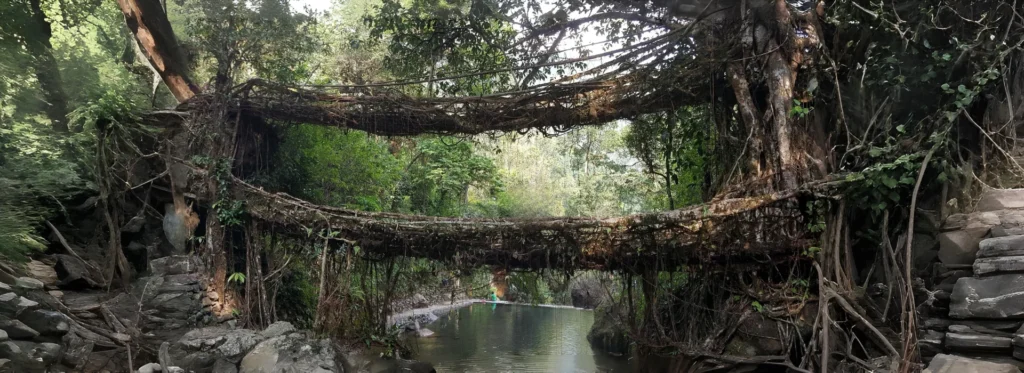
    This trek is like stepping into a fairy tale jungle, where massive tree roots have naturally intertwined to form a living, breathing bridge. This 200-year-old masterpiece is an engineering wonder of the Khasi tribe, and the 3,500+ stone steps leading down to it make for a thrilling adventure!

    Why You Should Go:
    • Experience a one-of-a-kind natural bridge.
    • Swim in the crystal-clear Blue Lagoon nearby.
    • Witness the untouched beauty of Nongriat village.

    Pro Tip: Stay overnight in Nongriat and hike another hour to discover Rainbow Falls – a hidden gem few tourists visit.

    Mawryngkhang Bamboo Trek – Meghalaya’s Most Thrilling Walk

    📍 Location: Wahkhen Village

    Duration: 3–4 hours

    Difficulty Level: Moderate to Difficult

    This trek is for the brave-hearted! Often called Meghalaya’s scariest trek, the trail consists of bamboo walkways built along cliffs, overlooking the Wahrew River below. It leads to the legendary “King of Stones” (U Mawryngkhang) rock formation.

    Why You Should Go:
    • Walk on handcrafted bamboo bridges suspended over deep valleys.
    • Feel the adrenaline rush as you trek above the cliffs.
    • Enjoy stunning 360-degree views of green valleys.

    Pro Tip: Best done in the dry season (Nov–Apr) to avoid slippery conditions.

    David Scott Trail – A Walk Through History

    📍 Location: Mawphlang to Lad Mawphlang

    Duration: 5–6 hours

    Difficulty Level: Moderate

    This centuries-old British trade route takes you through lush meadows, Khasi villages, pine forests, and stunning views of the Umiam River. Perfect for those who love a mix of history, adventure, and natural beauty.

    Why You Should Go:
    • One of the most scenic hikes in Meghalaya.
    • Pass through ancient Khasi settlements.
    • A blend of history, nature, and adventure.

    Pro Tip: Take a break at Ka Kor Ka Shonmai, a historic resting place used by British officers.

    Laitlum Canyon Trek – Meghalaya’s Grand Canyon

    📍 Location: Near Shillong

    Duration: 3–4 hours

    Difficulty Level: Easy to Moderate

    If you’re looking for a short yet breathtaking trek, this one is perfect! Laitlum Canyon is often called Meghalaya’s Grand Canyon, offering jaw-dropping views of deep gorges and rolling green hills.

    Why You Should Go:
    • One of Meghalaya’s best viewpoints.
    • Perfect for photography—sunrise and sunset are magical!
    • A peaceful escape, away from crowded tourist spots.

    Pro Tip: Pack a picnic and enjoy the serene beauty of the canyon.

    Nongjrong Sunrise Trek – Walk Above the Clouds

    📍 Location: Near Nongpoh

    Duration: 2 hours

    Difficulty Level: Easy

    If you’ve ever dreamt of watching a sea of clouds from above, this trek is a must! The Nongjrong viewpoint offers a surreal sunrise experience, making you feel like you’re floating above the clouds.

    Why You Should Go:

    • Witness one of the best sunrises in India.
    • Short and easy – ideal for beginners.
    • A hidden offbeat location with zero crowds.

    Pro Tip: Start trekking by 4 AM to catch the best cloud formations.

    Weiloi to Umngi Trek – Meghalaya’s Hidden Gem

    📍 Location: Near Mawsynram

    Duration: 5–6 hours

    Difficulty Level: Moderate

    A trek off the beaten path, this trail takes you through dense forests, hidden waterfalls, and river streams, leading to the stunning Umngi River Valley.

    Why You Should Go:

    • truly untouched and wild trail.
    • Spot rare orchids, butterflies, and birds.
    • Experience complete peace in nature.

    Pro Tip: Hire a local guide to discover secret caves and waterfalls.

    Dawki to Shnongpdeng Trek – Riverside Bliss

    📍 Location: Dawki

    Duration: 4 hours

    Difficulty Level: Easy to Moderate

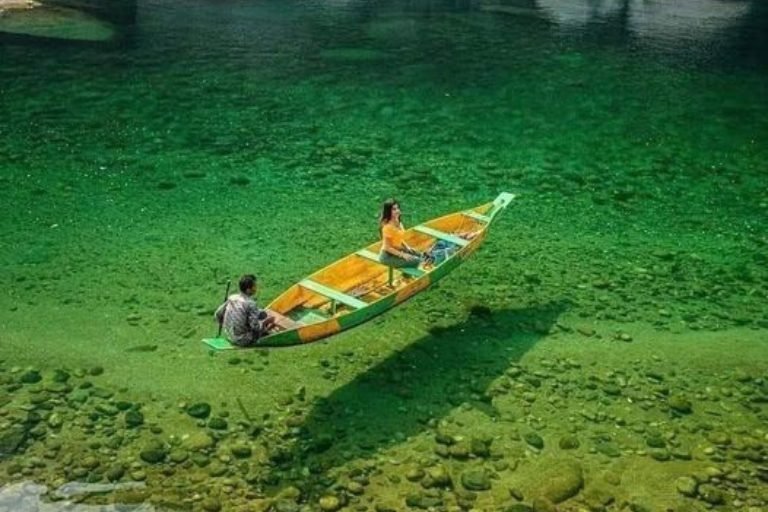
    Dawki’s Umngot River is one of the cleanest in India, so clear that boats look like they’re floating on glass. This trek follows the riverbanks, crosses bamboo bridges, and ends at Shnongpdeng, a perfect spot for camping and adventure activities.

    Why You Should Go:

    • Walk beside a crystal-clear river.
    • Stay in riverside camps under a starry sky.
    • Try kayaking, cliff jumping, and fishing.

    Pro Tip: Visit in winter (Nov–Feb) for the clearest water.

    Best Time for Trekking in Meghalaya

    Winter (October–March): Best weather, clear skies, and ideal conditions.

    Summer (April–June): Good time, but some trails may be humid.

    Monsoon (July–September): Trails become slippery but are lush green and magical

    Why Trekking in Meghalaya is Unforgettable

    Trekking in Meghalaya isn’t just about exploring landscapes; it’s about connecting with nature, walking on living bridges, crossing ancient trails, and discovering hidden waterfalls. Whether you’re looking for a heart-pounding adventure or a peaceful nature retreat, Meghalaya has it all!

  • Top Unexplored Villages of Meghalaya: Hidden Treasures You Must Visit

    Meghalaya, the Abode of Clouds, has dreamy landscapes, endless waterfalls, and rich tribal traditions. While places like Shillong, Cherrapunji, and Dawki are popular, the real magic lies in its lesser-known villages, where time slows down, nature thrives undisturbed, and traditions remain pure.

    If you’re looking for authentic, offbeat travel experiences, pack your bags because we’re about to take you on a journey to Meghalaya’s most unexplored villages—places where very few travelers have set foot.

    Root Bridge Trek

    1. Kongthong – The Whistling Village

    📍 Location: East Khasi Hills, 56 km from Shillong

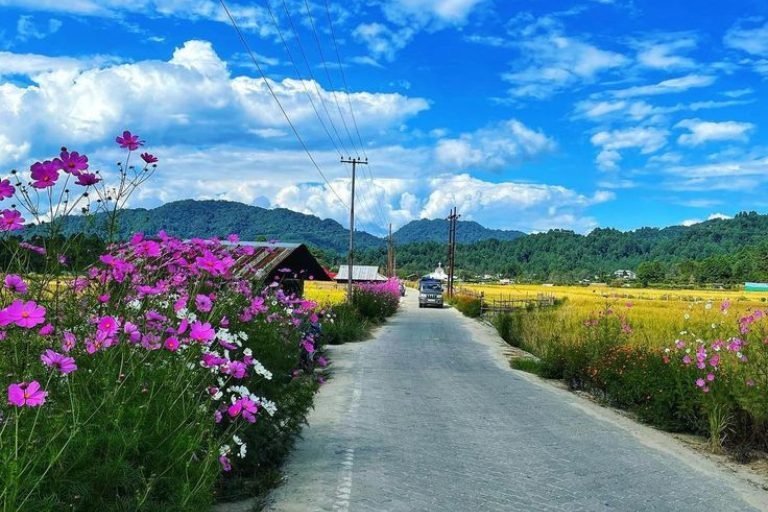
    Nestled in the green hills of Meghalaya, Kongthong is unlike any village in the world! Instead of names, people here call each other by unique melodies. Every resident has a distinct whistling tune (Jingrwai Iawbei) given to them at birth, which has been passed down for generations.

    Why Visit?

    ✔️ Experience one of the most unique cultural traditions in India.
    ✔️ Trek through breathtaking landscapes surrounded by misty hills.

    ✔️ Stay in authentic bamboo cottages and enjoy local Khasi hospitality.

    Hidden Gem: Ask a local elder to create a whistling name just for you—it’s a once-in-a-lifetime experience.

    2. Mawphlang – The Sacred Forest Village

    📍 Location: 25 km from Shillong

    Mawphlang is home to Meghalaya’s most mystical sacred forest, where taking even a fallen leaf is strictly forbidden. The Khasi tribe believes that the forest is protected by spirits, and disturbing it brings bad luck.

    Why Visit?

    ✔️ Walk through an ancient forest with trees that are over 1,000 years old.

    ✔️ See rare medicinal plants, stone altars, and ancient relics.

    ✔️ Visit the Khasi Heritage Village to learn about Meghalaya’s tribal culture.

    Did You Know? The sacred forest has a stone altar where Khasi kings once performed ritual sacrifices.

    3. Wahkhen – The Music Village of Meghalaya

    📍 Location: Near Pynursla

    Wahkhen is a musical paradise where villagers handcraft their instruments and play ancient Khasi folk music. It’s also the starting point of the Mawryngkhang Bamboo Trek.

    Why Visit?

    ✔️ Watch live performances of traditional Khasi music and dance.

    ✔️ Learn to play the Duitara (Khasi guitar) and Bom (tribal drum).

    ✔️ Hike to hidden waterfalls and sky bridges nearby.

    Secret Spot: Ask a villager to show you the natural amphitheater in the hills where sound echoes beautifully.

    4. Shnongpdeng – Meghalaya’s Hidden River Paradise

    📍 Location: Near Dawki, Jaintia Hills

    Shnongpdeng is home to the Umngot River, which is so crystal clear that boats look like they’re floating in mid-air! It’s an offbeat alternative to Dawki, perfect for adventure lovers.

    Why Visit?

    ✔️ Kayak, snorkel, and swim in India’s cleanest river.

    ✔️ Camp by the river under a starry night sky.

    ✔️ Explore hidden caves and waterfalls in the nearby jungle.

    Insider Tip: Visit in winter (Nov–Feb) when the water is at its clearest.

    5. Mawryngkhang – The Scariest Bamboo Trek

    📍 Location: Near Wahkhen

    Mawryngkhang is a heart-pounding trek across bamboo bridges suspended over deep gorges. The bridge is made without nails, following ancient Khasi traditions.

    Why Visit?

    ✔️ One of Meghalaya’s most thrilling treks.

    ✔️ Walk on a bamboo bridge over roaring waterfalls.

    ✔️ Learn the legend of Mawryngkhang, the warrior who defeated a giant serpent.

    Fun Fact: Some villagers refuse to cross the bridge, believing it’s guarded by spirits.

    6. Mawlongbna – The Fossil Village

    📍 Location: Near Mawsynram

    Mawlongbna is proof that Meghalaya was once underwater! The village is filled with fossilized seashells and corals dating back 400 million years.

    Why Visit?

    ✔️ See prehistoric marine fossils embedded in rocks.

    ✔️ Discover Meghalaya’s only natural geyser.

    ✔️ Explore hidden limestone caves and sinkholes.

    Secret Spot: Ask locals about the “Disappearing Lake,” which mysteriously vanishes every season.

    7. Nongkhnum – India’s Second-Largest River Island

    📍 Location: West Khasi Hills

    Nongkhnum is a paradise of golden beaches, waterfalls, and forests. It’s an untouched getaway perfect for nature lovers.

    Why Visit?

    ✔️ Relax on Meghalaya’s only river beach.

    ✔️ Go river-rafting, fishing, and camping under the stars.

    ✔️ Explore hidden waterfalls like Langshiang Falls.

    Fun Fact: Nongkhnum is India’s second-largest river island, after Majuli in Assam.

    8. Laitlum – Meghalaya’s Grand Canyon

    📍 Location: East Khasi Hills

    Laitlum, meaning “End of the Hills,” offers stunning canyon views and breathtaking sunrises.

    Why Visit?

    ✔️ Hike to the canyon’s edge for panoramic views.

    ✔️ Watch spectacular sunrises and sunsets.

    ✔️ Visit secret waterfalls hidden in the valley.

    Insider Tip: Arrive early to see the fog roll over the hills.

    9. Smit – The Royal Khasi Village

    📍 Location: Near Shillong

    Smit is the traditional home of the Khasi royal family. It’s where you’ll find authentic Khasi architecture and ancient rituals.

    Why Visit?

    ✔️ Explore centuries-old wooden palaces.

    ✔️ Witness the Nongkrem Dance Festival, a Khasi tribal ritual.

    ✔️ Taste authentic Khasi cuisine, including smoked meat and bamboo shoot dishes.

    Secret Tip: Visit in November to see the grand Khasi tribal festival.

    10. Riwai – The Village of Living Root Bridges

    📍 Location: Near Mawlynnong

    Riwai is home to some of Meghalaya’s most stunning living root bridgesbuilt by hand over generations.

    Why Visit?

    ✔️ Walk on a 200-year-old living root bridge.

    ✔️ See how locals use trees to create natural bridges.

    ✔️ Explore nearby hidden caves and waterfalls.

    Insider Tip: Go early to avoid crowds and get the best photos.

    Meghalaya is more than just its tourist hotspots. Its hidden villages hold the real magic—untouched landscapes, deep-rooted traditions, and experiences that most travelers never get to see.

  • Offbeats of Arunachal Pradesh

    Dong

    • Highlights:
      • Known as the easternmost village in India, it’s the first place in the country to witness the sunrise.
      • Surrounded by snow-capped peaks and lush greenery, Dong is perfect for trekking and nature photography.
    • Best For: Sunrise viewing, trekking, and solitude.
    • How to Reach: A trek from Walong village in Anjaw district.
    living root bridge, meghalaya, shillong

    Ziro Valley

    • Highlights:
      • A UNESCO World Heritage Site nominee, famous for its picturesque landscapes and Apatani tribal culture.
      • Known for paddy-cum-fish cultivation and vibrant festivals like Ziro Music Festival.
    • Best For: Cultural experiences, trekking, and photography.
    • Offbeat Angle: Explore lesser-known villages like Hong and Dutta.

    Mechuka (Menchukha)

    • Highlights:
      • A serene valley located near the Indo-China border, offering breathtaking views of the snow-clad Himalayas.
      • Known for its ancient Buddhist monasteries, including the 400-year-old Samten Yongcha Monastery.
    • Best For: Adventure activities, Buddhist culture, and trekking.
    • Offbeat Angle: Stay in traditional homestays for an authentic experience.

    Walong

    • Highlights:
      • A historical site from the 1962 Sino-Indian War.
      • Offers stunning views of the Lohit River and the surrounding mountains.
    • Best For: History buffs, trekking, and serene landscapes.
    • Offbeat Angle: Visit the Namti Valley War Memorial for a glimpse into India’s past.

    Dirang

    • Highlights:
      • A picturesque town nestled in a valley with hot springs and orchards.
      • Gateway to the Sangti Valley, known for its black-necked cranes during winter.
    • Best For: Bird watching, cultural tours, and nature walks.
    • Offbeat Angle: Explore traditional Dirang Dzong (fort) and ancient monasteries.

    Lohit Valley

    • Highlights:
      • Known for its unspoiled beauty and the emerald-green Lohit River.
      • Home to Parashuram Kund, a sacred Hindu pilgrimage site.
    • Best For: Pilgrimage, trekking, and camping.
    • Offbeat Angle: Trek to hidden waterfalls and interact with local Mishmi tribes.

    Tuting

    • Highlights:
      • A remote village in the Upper Siang district surrounded by dense forests and the Siang River.
      • Known for its adventure activities like river rafting.
    • Best For: Extreme adventure and unexplored trails.
    • Offbeat Angle: Discover the ancient Gompas and indigenous Adi tribal culture.

    Anini

    • Highlights:
      • Located in the Dibang Valley, it’s one of the least populated and most peaceful regions in Arunachal.
      • Surrounded by lush green forests and the Dibang River.
    • Best For: Tranquility, wildlife spotting, and off-grid experiences.
    • Offbeat Angle: Explore the Mehao Wildlife Sanctuary and nearby tribal villages.

    Bomdila

    • Highlights:
      • A quaint hill station known for its apple orchards and panoramic Himalayan views.
      • Home to the Bomdila Monastery and Eaglenest Wildlife Sanctuary.
    • Best For: Relaxation, trekking, and bird watching.
    • Offbeat Angle: Visit nearby unexplored trails and local craft markets.

    Tawangchu Valley

    • Highlights:
      • A picturesque valley located away from the popular tourist circuit of Tawang.
      • Offers pristine landscapes and glimpses of nomadic tribal life.
    • Best For: Trekking and immersion in local culture.
    • Offbeat Angle: Stay with local communities for an authentic cultural experience.

    These offbeat destinations offer an excellent mix of culture, adventure, and tranquility, making Arunachal Pradesh a paradise for explorers seeking something unique.

  • National Park & Sanctuary in the North East

    National Park & Sanctuary in the North East

    National Park & Santucry in North East

    Arunachal Pradesh

    Arunachal Pradesh, nestled in the Eastern Himalayas, is known for its incredible biodiversity and pristine natural beauty. The state is home to several national parks and wildlife sanctuaries, which play a crucial role in preserving its unique flora and fauna.

    • Namdapha National Park, located in Arunachal Pradesh, is the largest protected area in India, covering approximately 1,985 sq km. Nestled in the Eastern Himalayas, it is a biodiversity hotspot with altitudes ranging from 200 m to over 4,500 m, offering diverse ecosystems from tropical rainforests to alpine meadows. The park is renowned for hosting all four big cats: tigers, leopards, snow leopards, and clouded leopards. It is also home to rare species like the red panda, hoolock gibbon, and white-bellied heron. Rich in flora, it features over 1,000 plant species. Namdapha is a paradise for trekkers, birdwatchers, and wildlife enthusiasts, offering unparalleled natural beauty. The best time to visit is from October to April.

    • Mouling National Park, located in the Upper Siang district of Arunachal Pradesh, spans approximately 483 sq km and is a vital part of the Dihang-Dibang Biosphere Reserve. Named after the local word “Mouling,” meaning red poison, referencing a plant found in the park, it boasts diverse ecosystems ranging from tropical rainforests to alpine meadows.
      The park is home to endangered species such as red pandas, takins, clouded leopards, and hoolock gibbons, along with a wide variety of birds and reptiles. Its pristine landscapes feature dense forests, cascading waterfalls, and scenic mountain vistas, making it ideal for nature enthusiasts. Best visited between November and April, Mouling National Park offers a serene retreat for eco-tourism, trekking, and wildlife exploration.

    • Pakhui Wildlife Sanctuary, also known as Pakke Tiger Reserve, is a pristine protected area in Arunachal Pradesh, spanning 862 sq km. Nestled in the foothills of the Eastern Himalayas, it is bordered by rivers like Kameng, Pakke, and Bhareli. Declared a tiger reserve in 2002, it is renowned for its rich biodiversity and conservation efforts. The sanctuary is home to Bengal tigers, clouded leopards, elephants, and barking deer, alongside an array of bird species, including four hornbill species, making it a birdwatcher’s paradise. Its dense forests and scenic landscapes are perfect for eco-tourism and wildlife safaris. The best time to visit is from November to April, offering a unique opportunity to experience its tranquil beauty and diverse wildlife.

    Meghalaya

    Meghalaya, known as the “Abode of Clouds,” is a biodiversity-rich state in Northeast India with several national parks and wildlife sanctuaries that protect its unique ecosystems and endemic species. These protected areas play a critical role in preserving the state’s natural heritage while promoting eco-tourism.

    • Balpakram National Park, located in the South Garo Hills of Meghalaya, is a biodiversity hotspot spanning approximately 220 sq km. Known as the “Land of Eternal Winds,” it features striking landscapes of gorges, canyons, limestone cliffs, and dense tropical forests.The park is home to rare and endangered species, including the golden cat, red panda, Indian bison, and Himalayan black bear. It is also a haven for medicinal plants and unique flora, attracting botanists and researchers.Balpakram holds cultural significance for the Garo tribe, who believe it to be the resting place of departed souls. Accessible mainly from Tura, the park is best visited between November and March, offering scenic beauty and opportunities for wildlife exploration and trekking.

    • Nokrek National Park, located in the West Garo Hills of Meghalaya, is a UNESCO Biosphere Reserve and a vital biodiversity hotspot. Spanning approximately 47.48 sq km, it is known for its pristine subtropical and tropical forests and unique wildlife.The park is home to the endangered red panda, Asian elephants, and the rare hoolock gibbon, along with diverse bird species like hornbills and pheasants. It is also a treasure trove of medicinal plants and rare orchids, including the citrus indica, believed to be the ancestor of modern citrus fruits.Nokrek’s lush greenery and undisturbed ecosystems make it ideal for nature lovers and researchers. The best time to visit is between November and March for trekking and wildlife exploration.

    Assam

    Assam, located in the northeastern region of India, is renowned for its rich biodiversity and natural beauty. The state is home to several national parks and wildlife sanctuaries, which play a critical role in conserving its unique ecosystems, flora, and fauna. Here’s an overview:

    • Kaziranga National Park, a UNESCO World Heritage Site, is located in Assam, India, and is renowned for its exceptional biodiversity and natural beauty. Spanning over 430 sq km along the Brahmaputra River, it is famous for its population of the one-horned rhinoceros, hosting more than two-thirds of the global population of this species. The park also shelters other iconic wildlife such as Bengal tigers, Asian elephants, swamp deer, and wild water buffalo, earning it the status of a Tiger Reserve. Kaziranga’s diverse landscapes include grasslands, wetlands, and tropical forests, which support over 500 bird species, making it a birdwatcher’s paradise. Migratory birds like pelicans, storks, and ducks flock here during the winter season. The park’s conservation efforts have gained international recognition for their success in protecting endangered species. Best visited between November and April, Kaziranga offers thrilling wildlife safaris, providing visitors with an unforgettable experience of Assam’s rich natural heritage.

    • Manas National Park, a UNESCO World Heritage Site, is located in the foothills of the Himalayas in Assam, India. Covering an area of approximately 950 sq km, it is also a Tiger Reserve, Elephant Reserve, and Biosphere Reserve, reflecting its ecological importance. The park is famous for its stunning landscapes, featuring grasslands, tropical forests, and riverine ecosystems. Home to rare and endangered species like the golden langur, pygmy hog, Bengal tiger, and Indian elephant, it also hosts diverse bird species, including the Bengal florican. The Manas River, which flows through the park, adds to its scenic charm. Visitors can enjoy jungle safaris, birdwatching, and river rafting from November to April, making Manas a paradise for nature lovers and adventurers.

    •  Dibru-Saikhowa National Park, located in the Tinsukia and Dibrugarh districts of Assam, is a unique riverine national park covering approximately 340 sq km. Renowned for its rich biodiversity, it is surrounded by the Brahmaputra, Lohit, and Dibru rivers, creating a stunning landscape of wetlands, grasslands, and semi-evergreen forests. The park is a haven for birdwatchers, with over 350 bird species, including migratory birds like the white-winged wood duck and the ferruginous pochard. It is also home to endangered species such as feral horses, river dolphins, and clouded leopards. Accessible primarily by boat, Dibru-Saikhowa offers eco-tourism activities like birdwatching, boat safaris, and trekking. The best time to visit is from November to April when the weather is pleasant.
    • Nameri National Park, located in the Sonitpur district of Assam, is a serene wildlife sanctuary spanning about 200 sq km. Situated in the foothills of the Eastern Himalayas, it is renowned for its breathtaking landscapes, featuring lush forests, grasslands, and the sparkling Jia Bhoroli River. The park is a haven for birdwatchers, with over 300 bird species, including the endangered white-winged wood duck, hornbills, and pied falcons. It is also home to elephants, tigers, leopards, Himalayan black bears, and sambars, making it an ideal destination for wildlife enthusiasts. Visitors can enjoy river rafting, jungle trekking, and birdwatching while exploring the park. The best time to visit is between November and April when the park is most vibrant.

    • Pobitora Wildlife Sanctuary, located in the Morigaon district of Assam, is a small but biodiversity-rich sanctuary spanning about 38 sq km. Known as the “Mini Kaziranga,” it boasts one of the highest densities of one-horned rhinoceroses in the world, making it a vital conservation area for this species.In addition to rhinos, the sanctuary is home to a variety of wildlife, including wild boars, leopards, and Asiatic buffaloes, along with over 200 bird species, making it a birdwatcher’s paradise. The wetlands and grasslands of Pobitora create a stunning landscape that supports this diverse ecosystem.Easily accessible from Guwahati, the sanctuary offers jeep safaris and elephant rides. The best time to visit is from November to March.

  • Arunachal Pradesh: The Land of Dawn-Lit Mountains

    Monasteries in Arunachal Pradesh: A Gateway to Spirituality

    Arunachal Pradesh, a northeastern state of India, is renowned for its pristine landscapes, rich cultural diversity, and spiritual heritage. Nestled amidst the towering Himalayan ranges, this state is home to some of the most ancient and revered monasteries, which are not just centers of worship but also repositories of art, history, and learning. These monasteries serve as windows into the Buddhist way of life and are a testimony to the cultural exchanges that have shaped the region.

    Arunachal Pradesh

    The Significance of Monasteries in Arunachal Pradesh

    Buddhism has been a prominent religion in Arunachal Pradesh for centuries, with its influence stemming from neighboring Tibet, Bhutan, and Myanmar. The monasteries, or gompas, in the region play a crucial role in preserving Buddhist teachings, art, and traditions. They also act as community centers where festivals, meditation, and rituals bring people together, fostering unity and spiritual growth.

    Famous Monasteries in Arunachal Pradesh

    Tawang Monastery: Tawang Monastery

    Situated in the scenic Tawang district of Arunachal Pradesh, India, is the largest monastery in India and the second largest in the world. 

    Established in 1680-1681 by Merak Lama Lodre Gyatso, it is an important center of the Gelugpa sect of Mahayana Buddhism. Perched at an altitude of 10,000 feet, the monastery is a beacon of spirituality and learning amidst the breathtaking Himalayan landscape.

    The sprawling complex covers 140 square meters and comprises several structures, including the Dukhang (main temple), a vibrant assembly hall adorned with intricate murals and a 28-foot-tall gilded statue of Lord Buddha. The monastery also houses a library containing ancient scriptures like the Kangyur and Tengyur, reflecting its deep cultural and historical importance.

    Home to over 300 monks, Tawang Monastery serves as a place of worship, education, and cultural preservation. It hosts several significant festivals, including Torgya, a three-day celebration marked by vibrant rituals and masked dances aimed at warding off evil spirits and ushering in prosperity.

    With its serene atmosphere, spiritual heritage, and stunning surroundings, Tawang Monastery attracts pilgrims, history enthusiasts, and tourists from around the world, making it a must-visit landmark in India’s northeastern region.

    Bomdila Monastery: Bomdila Monastery

    Located in Bomdila, Arunachal Pradesh, is a prominent Buddhist monastery and a key cultural landmark of the region. Established in 1965 by the 12th reincarnate of Tsona Gontse Rinpoche, it is modeled after the Tsona Gontse Monastery in Tibet and belongs to the Mahayana sect of Buddhism.

    Perched at an altitude of 8,500 feet, the monastery offers stunning views of the Himalayan ranges. It serves as a spiritual center for monks and devotees, promoting Buddhist teachings and meditation practices. The monastery complex includes a prayer hall adorned with colorful murals and thangkas, residential quarters for monks, and a serene courtyard for reflection.

    Bomdila Monastery is also a hub for cultural activities, hosting Buddhist festivals like Buddha Purnima, celebrated with rituals and prayers. Its tranquil atmosphere and spiritual significance make it a must-visit destination for travelers exploring Arunachal Pradesh.

    Urgelling Monastery: Urgelling Monastery

    Located near Tawang in Arunachal Pradesh, India, is a historically significant Buddhist monastery. Built in the 15th century, it is renowned as the birthplace of the 6th Dalai Lama, Tsangyang Gyatso, making it a revered site in Tibetan Buddhism.

    The monastery belongs to the Gelugpa sect and serves as a place of worship and meditation. Though relatively small compared to other monasteries in the region, it holds immense cultural and spiritual importance. Surrounded by serene landscapes and lush greenery, Urgelling Monastery offers a tranquil environment for reflection and spirituality.

    The monastery houses ancient relics, scriptures, and artifacts, reflecting its rich history. Visitors are drawn to its peaceful ambiance and historical legacy. Urgelling Monastery is an essential stop for those exploring Tawang, offering a glimpse into the region’s deep-rooted Buddhist traditions.

    Taktsang Gompa: Taktsang Gompa

    Also known as the Tawang Monastery’s Tiger’s Nest, is a sacred Buddhist site located about 45 kilometers from Tawang in Arunachal Pradesh, India. Perched on a steep hill at an altitude of approximately 13,000 feet, the monastery offers breathtaking views of the surrounding mountains and valleys, making it a serene retreat for pilgrims and visitors.

    The Gompa is said to have been blessed by Guru Padmasambhava, who meditated here in the 8th century. Its name, “Tiger’s Nest,” derives from the legend that the Guru arrived here riding a tigress. The monastery is an important center of spirituality for the Gelugpa sect of Tibetan Buddhism and attracts monks and devotees seeking peace and enlightenment.

    Surrounded by dense coniferous forests and pristine natural beauty, Taktsang Gompa exudes tranquility and mysticism. Its rich history, spiritual significance, and stunning location make it a must-visit destination in Tawang.

    Khinmey Nyingma Monastery: Khinmey Nyingma Monastery

    Located near Tawang in Arunachal Pradesh, India, is a significant Buddhist monastery associated with the Nyingma sect, the oldest of the four major schools of Tibetan Buddhism. Founded by His Holiness 14th Tsona Gontse Rinpoche, it serves as an important spiritual and educational center for the Nyingma tradition.

    The monastery is renowned for its vibrant architecture, featuring intricate murals, colorful thangkas, and traditional Tibetan designs. Its main prayer hall houses a large statue of Guru Padmasambhava, the founder of Tibetan Buddhism, and offers a tranquil space for meditation and prayer. The monastery also serves as a residence and learning center for monks, who are trained in Buddhist philosophy, meditation, and rituals.

    Surrounded by picturesque landscapes, Khinmey Nyingma Monastery is a serene retreat that attracts pilgrims and visitors seeking peace and spiritual insight. It is a must-visit for exploring Tawang’s rich Buddhist heritage.

    Gorsam Chorten: Gorsam Chorten

    Located in Zemithang village about 90 kilometers from Tawang in Arunachal Pradesh, is one of the largest stupas in the region and a significant Buddhist site. Built in the early 18th century by Lama Prathar, it is modeled after the famous Boudhanath Stupa in Nepal and holds immense spiritual importance.

    The stupa is 186 feet in circumference and 93 feet high, with a square base and a domed structure topped by a spire. It is surrounded by prayer wheels and smaller stupas, creating a serene and sacred ambiance. Gorsam Chorten attracts devotees and monks who walk around the stupa in prayerful circumambulation, seeking blessings and spiritual merit.

    The site hosts an annual three-day festival, during which devotees gather for rituals, prayers, and cultural performances. Its tranquil location amidst picturesque valleys and mountains makes Gorsam Chorten a must-visit destination for spiritual seekers and tourists alike.

  • Things to Do in Bhutan: A Guide to Exploring the Land of the Thunder Dragon

    Things to Do in Bhutan: A Guide to Exploring the Land of the Thunder Dragon

    Druk Path Trek

    The Druk Path Trek is stunning and moderate in Bhutan, known for its breathtaking views of the Himalayas, lush forests, and serene lakes. Spanning 5 to 7 days, this trek connects the capital city of Thimphu with the cultural hub of Paro. The route covers about 70 kilometers, taking trekkers through a variety of landscapes, from dense pine forests to alpine meadows and past high-altitude lakes like Jimilang Tsho and Soma Tsho.

    The trek’s highest point is at 4,310 meters (14,140 feet), offering spectacular panoramas of snow-capped peaks, including Mt. Jomolhari. Along the way, trekkers also experience Bhutan’s unique culture and traditions, passing by traditional villages, Buddhist monasteries, and prayer flags fluttering in the wind.

    Tiger's Nest Trekking

    Jomolhari Trek

    The Jomolhari Trek is one of Bhutan’s most renowned trekking routes, offering a breathtaking experience of the country’s natural beauty and cultural heritage. The trek typically lasts 8-10 days and covers approximately 150 kilometers, passing through diverse landscapes such as dense forests, alpine meadows, and high mountain passes.

    Starting from the Paro Valley, the trek ascends to the base of Mount Jomolhari (7,314 meters), a sacred peak in Bhutan and a symbol of spiritual significance for the local people. Along the route, trekkers experience the beauty of alpine lakes, traditional Bhutanese villages, and monasteries, including the renowned Taktshang Monastery (Tiger’s Nest).

    The trek offers views of stunning Himalayan peaks, including Jomolhari, Jichu Drake, and Tshering Gang. The trail passes through the Shana and Soi Yaksa valleys, where trekkers may encounter wildlife such as blue sheep, takin, and the Himalayan black bear.

    Due to its altitude and remote location, the trek requires physical preparation, and trekkers need to be acclimatized to avoid altitude sickness. The best time to undertake the Jomolhari Trek is during the spring (March-May) and autumn (September-November), when the weather is clear, and the landscapes are vibrant.

    The Jomolhari Trek is a perfect blend of adventure, natural beauty, and Bhutanese culture, providing an unforgettable trekking experience for nature enthusiasts and those seeking spiritual insight.

    The Snowman Trek

    For serious trekkers, the Snowman Trek is a bucket-list experience. This challenging trek, regarded as one of the most difficult in the world, takes you through some of Bhutan’s most remote and pristine wilderness areas. Spanning about 200 kilometers, the trek crosses high mountain passes and offers incredible views of the Himalayan peaks, including the sacred Mt. Jomolhari and Mt. Gangkar Puensum.

    The Snowman Trek typically takes 25 days to complete and requires careful preparation and physical stamina. Along the way, you’ll pass through lush forests, alpine meadows, and traditional Bhutanese villages, offering a chance to experience rural Bhutan’s unique culture and way of life.

    Attend the Tshechu Festivals

    Bhutan’s annual Tshechu Festivals are colorful and vibrant celebrations of Bhutanese culture, religion, and history. These festivals are held in various regions of the country, and each one offers a unique experience. The festivals typically feature traditional dances, elaborate costumes, and spiritual rituals. One of the most famous Tshechu festivals is the Paro Tshechu, which occurs in spring.

    During these festivals, monks and laymen perform masked dances that represent various deities, saints, and historical figures. The dances are not only an important religious event but also a way for the Bhutanese people to come together to celebrate their heritage. Attending a Tshechu festival is a great way to immerse yourself in the local culture and witness the colorful and dramatic aspects of Bhutanese life.

    Hike to the Dochula Pass

    Bhutan’s annual Tshechu Festivals are colorful and vibrant celebrations of Bhutanese culture, religion, and history. These festivals are held in various regions of the country, and each one offers a unique experience. The festivals typically feature traditional dances, elaborate costumes, and spiritual rituals. One of the most famous Tshechu festivals is the Paro Tshechu, which occurs in spring.

    During these festivals, monks and laymen perform masked dances that represent various deities, saints, and historical figures. The dances are not only an important religious event but also a way for the Bhutanese people to come together to celebrate their heritage. Attending a Tshechu festival is a great way to immerse yourself in the local culture and witness the colorful and dramatic aspects of Bhutanese life.

    Rafting in Bhutan

    Rafting in Bhutan is a thrilling way to experience the country’s pristine rivers and scenic landscapes. The country’s rivers, fed by the glacial waters of the Himalayas, offer a range of rafting experiences, from gentle, scenic floats to more challenging white-water rapids.

    The most popular rivers for rafting in Bhutan are the Pho Chhu and Mo Chhu rivers. The Pho Chhu, located near the Punakha Valley, is known for its moderate rapids and beautiful surroundings, making it ideal for both beginners and intermediate rafters. The Mo Chhu, which flows through the same valley, offers a slightly more challenging experience with exciting rapids.

    For more adventurous rafters, the Wang Chhu and Drangme Chhu rivers offer higher-intensity rapids and more technical challenges. The Drangme Chhu, in particular, is a remote and wild river, flowing through Bhutan’s eastern part, offering an adrenaline-packed experience in a pristine, untouched environment.

    Rafting trips in Bhutan typically involve a blend of exciting rapids and peaceful stretches, where you can enjoy stunning views of the mountains, valleys, and dense forests. In addition to the thrill of navigating the rivers, rafting in Bhutan also provides an opportunity to witness Bhutan’s unique culture, with opportunities to stop at ancient monasteries, villages, and fortresses along the way.

    Zip lining in Bhutan

    Zip lining in Bhutan offers a thrilling adventure set against the stunning backdrop of the Himalayas. Known for its pristine landscapes, serene monasteries, and rich cultural heritage, Bhutan also provides adrenaline seekers with the opportunity to experience the thrill of zip lining. One of the most famous zip-lining experiences is at the Chele La Pass, situated at an elevation of 3,988 meters (13,084 feet) above sea level. The pass connects Paro and Haa Valley and offers breathtaking views of snow-capped mountains, verdant valleys, and dense forests, making it a memorable location for zip lining.

    The zip line at Chele La is one of the highest in the world and features a 1,800-meter-long course that takes riders soaring at speeds of up to 80 km/h (50 mph). The ride offers stunning panoramic views of Bhutan’s majestic mountains and the tranquil environment that surrounds the area. This zip-line journey allows visitors to experience Bhutan’s natural beauty from a unique perspective while feeling the thrill of high-speed descent.

    Apart from Chele La, Bhutan also offers other zip-lining experiences, like those near Punakha and other locations that provide incredible scenery. Most operators ensure the highest safety standards and many travelers appreciate the unique blend of adventure and cultural immersion that Bhutan offers. Zip lining in Bhutan is a rare way to engage with nature while adding an exciting twist to any adventure itinerary.

    Take a Traditional Bhutanese Hot Stone Bath

    A unique experience in Bhutan is the traditional hot stone bath, which is a relaxing way to end a day of hiking or sightseeing. Hot stone baths are a centuries-old Bhutanese tradition believed to have therapeutic properties. The bath is made by placing heated stones in a wooden tub filled with water, and herbs are often added for their healing benefits.

    Many guesthouses and resorts in Bhutan offer hot stone baths, making it a perfect way to unwind and relax after a day of exploring. It’s a culturally significant experience and offers a deep connection to the natural healing traditions of Bhutan.

    Visit the Phobjikha Valley and Gangtey Monastery

    The Phobjikha Valley is one of the most beautiful and serene places in Bhutan, known for its vast open spaces, lush greenery, and tranquil atmosphere. The valley is a major winter habitat for the endangered black-necked cranes, which migrate to the area from Tibet each winter. The sight of these magnificent birds in flight is a highlight for wildlife enthusiasts.

    The Gangtey Monastery, located on a hilltop overlooking the Phobjikha Valley, is one of the oldest and most important monasteries in Bhutan. The monastery offers panoramic views of the valley and is a peaceful place to meditate and reflect. A visit to Phobjikha is a perfect way to experience Bhutan’s natural beauty and its commitment to preserving its wildlife and traditions.

    Enjoy Bhutanese Cuisine

    No trip to Bhutan would be complete without experiencing its unique cuisine. Bhutanese food is known for its hearty, flavorful dishes, often featuring chilies and cheese. Ema Datshi, a spicy dish made with chilies and cheese, is the national dish of Bhutan and a must-try for any visitor. Other popular dishes include Phaksha Paa (pork with red chilies), Jasha Maru (chicken with spices), and Momos (steamed dumplings).

    Eating at a traditional Bhutanese restaurant is an opportunity to immerse yourself in the country’s culinary culture, and many places also offer a chance to enjoy the unique Bhutanese style of dining, where meals are served family-style, and everyone shares the same dishes.

    Experience the Peaceful Atmosphere of Bhutanese Monasteries

    Throughout Bhutan, there are countless monasteries where visitors can experience the serenity and spiritual tranquility of the country. Many of these monasteries are open to visitors, allowing them to learn about Buddhism and engage in meditation. Monasteries such as Tashichho Dzong in Thimphu, Chimi Lhakhang in Punakha, and Rinpung Dzong in Paro are examples of stunning places where one can explore Bhutan’s rich spiritual heritage.

  • Discover the Enchanting Lakes of Sikkim: Your Ultimate Guide to Northeast India’s Hidden Gems

    Sikkim, a land of breathtaking landscapes and serene beauty, is home to some of the most mesmerizing high-altitude lakes in India. Whether you seek adventure, spiritual solace, or simply wish to immerse yourself in nature’s magic, Sikkim’s lakes promise an unforgettable experience. From the sacred Gurudongmar Lake to the tranquil Khecheopalri Lake, each waterbody has its own story, waiting to be explored.

    If you’re planning your dream trip, let Tripjyada craft the perfect Sikkim lake tour package for you. Here’s everything you need to know about the most stunning lakes in Sikkim:

    Sikkim Lakes

    1. Tsomgo Lake (Changu Lake): A Majestic Himalayan Wonder

    One of Sikkim’s most famous lakes, Tsomgo (or Changu) Lake, sits at a staggering 12,310 feet. This glacial lake changes color with the seasons, making it a sight to behold year-round.

    • Best Time to Visit: October-March (snow-covered beauty); April-May (blooming rhododendrons)
    • Activities: Yak rides, photography, and trekking
    • Travel Tip: Carry warm clothing and prepare for high altitudes
    • Why Visit? It’s easily accessible from Gangtok and offers stunning Himalayan views.

    2. Gurudongmar Lake: A Sacred Jewel at 17,800 Feet

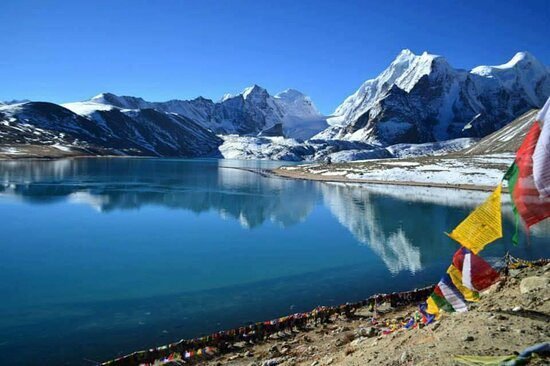
    At 17,800 feet, Gurudongmar Lake is one of the highest and most revered lakes in the world. Legends say Guru Padmasambhava blessed the lake, preventing it from freezing entirely even in winter.

    • Best Time to Visit: March-June, October-November
    • Activities: Trekking, photography, and visiting nearby monasteries
    • Travel Tip: Acclimatize in Lachen before heading to the lake due to extreme altitude
    • Why Visit? Its turquoise waters, spiritual aura, and breathtaking scenery make it an unmissable spot.

    3. Khecheopalri Lake: The Wishing Lake

    Known as the Wishing Lake, Khecheopalri is considered sacred by both Buddhists and Hindus. Surrounded by lush greenery, it is famous for remaining mysteriously leaf-free, as birds quickly remove any fallen leaves.

    • Best Time to Visit: October-May
    • Activities: Meditation, nature walks, and visiting Khecheopalri Monastery
    • Travel Tip: Visit early in the morning for a peaceful experience and participate in local prayers
    • Why Visit? It’s a spiritual retreat offering tranquility and deep cultural significance.

    4. Menmecho Lake: A Hidden Paradise

    Tucked away in the mountains near the famous Baba Mandir, Memencho Lake is lesser-known but incredibly beautiful. Its crystal-clear waters are surrounded by pine forests and rolling meadows.

    • Best Time to Visit: April-October
    • Activities: Trekking, photography, and birdwatching
    • Travel Tip: You’ll need a special permit and should travel with a local guide
    • Why Visit? If you love offbeat destinations, this secluded lake is a must-visit.

    5. Lampokhari Lake: Sikkim’s Only Boating Lake

    One of the oldest lakes in Sikkim, Lampokhari Lake in Aritar offers boating, unlike most other high-altitude lakes.

    • Best Time to Visit: March-June, September-November
    • Activities: Boating, horse riding, and monastery visits
    • Travel Tip: Stay overnight in Aritar for a complete experience
    • Why Visit? It’s an easy escape from Gangtok, with a unique mix of adventure and spirituality.

    6. Samiti Lake: A Trekker’s Delight

    Nestled along the Goecha La TrekSamiti Lake is a pristine alpine lake that reflects the towering Mount Pandim.

    • Best Time to Visit: April-May, September-November
    • Activities: Trekking, camping, and stargazing
    • Travel Tip: It’s only accessible via a trek, so prepare for an adventure
    • Why Visit? The reflections of the Himalayas in the still waters are simply breathtaking.

    7. Green Lake: The Unexplored Gem

    For the true adventurers, Green Lake is an untouched wonder, nestled near the base of Mount Kanchenjunga.

    • Best Time to Visit: October-November, April-May
    • Activities: High-altitude trekking, photography, and mountaineering
    • Travel Tip: Requires a special permit and an experienced guide
    • Why Visit? A once-in-a-lifetime journey through some of the most spectacular terrains in Sikkim.
     

    Why Choose Tripjyada for Your Sikkim Lake Tour?

    At Tripjyada, we bring you closer to nature’s wonders with expertly curated Sikkim lake tour packages:

    ✅ Exclusive Lake Tours – Covering both iconic and hidden lakes in Sikkim.

    ✅ Customized Itineraries – Designed for spiritual seekers, adventurers, and families alike.

    ✅ Reliable & Safe Travel – Comfortable transport and experienced local guides.

    ✅ Cultural Insights – Explore Sikkim’s rich traditions alongside its breathtaking landscapes.

    Book Your Sikkim Lake Tour Today!

    Sikkim’s lakes aren’t just places to visit – they’re experiences to cherish. Whether you want to admire the sacred Gurudongmar Lake, trek to Green Lake, or seek peace at Khecheopalri Lake, Tripjyada ensures an immersive and hassle-free journey.

    Get in touch with Tripjyada today. As a leading tour and travel company in Kolkata, we offer unbeatable Sikkim lake packages and Northeast India tours. Let’s turn your dream trip into reality.