Tripjyada CMS Staging

Blog

  • Exploring the Tranquil Lakes of Darjeeling: A Journey Into Serenity

    Exploring the Tranquil Lakes of Darjeeling: A Journey Into Serenity

    Darjeeling, renowned for its picturesque landscapes, aromatic tea plantations, and colonial charm, is also home to serene lakes that offer a peaceful retreat for travelers. While the majestic Kanchenjunga peaks often steal the limelight, the hidden lakes in Darjeeling provide a unique and calming experience. If you’ve explored the high-altitude lakes of Sikkim, extending your journey to Darjeeling’s lakes is a perfect way to complete your Northeast India travel experience.

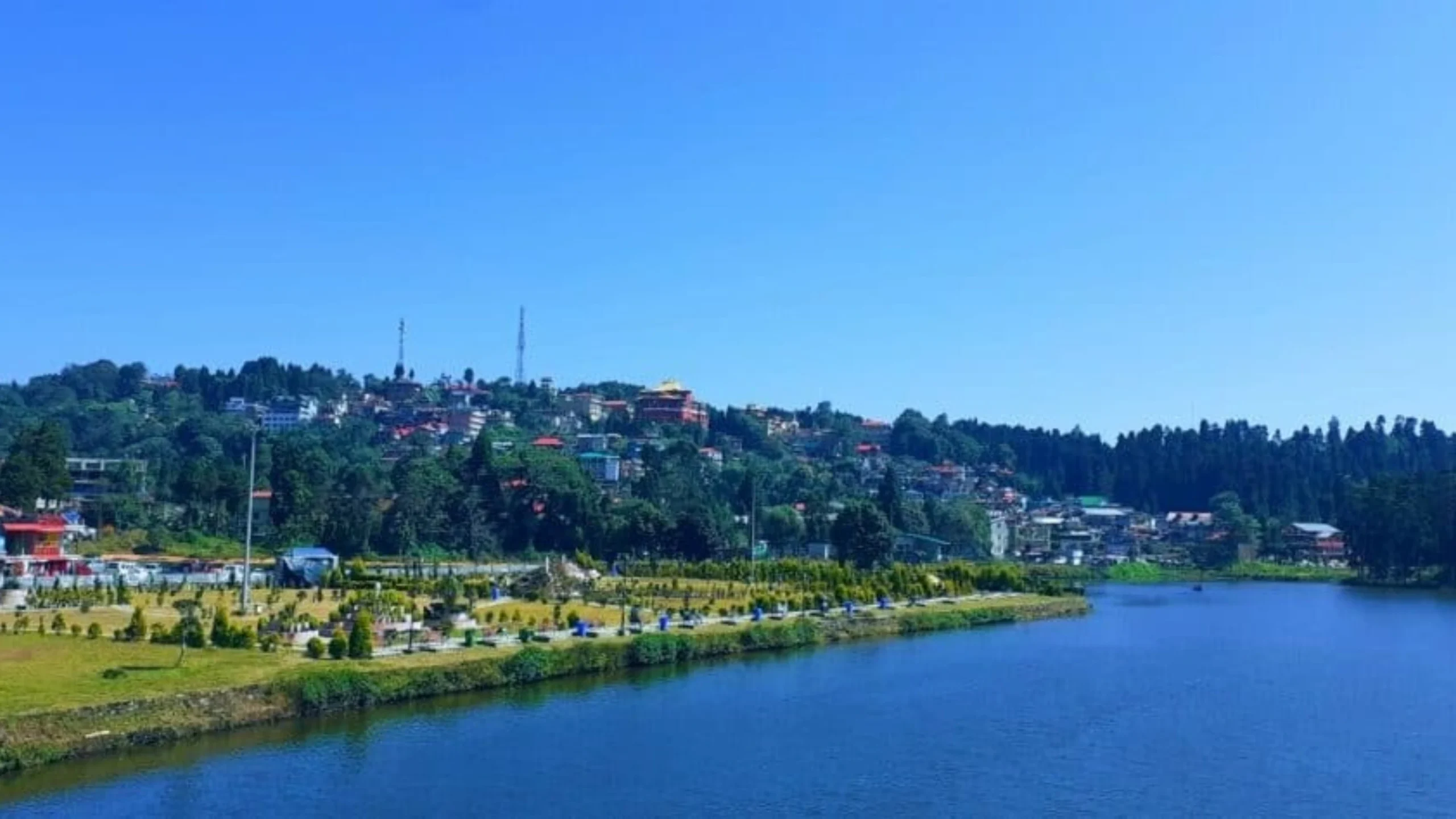
    Sumendu Lake ( Darjeeling )

    1. Senchal Lake: A Jewel Within the Wildlife Sanctuary

    Nestled in the Senchal Wildlife Sanctuary, Senchal Lake is a vital water source for Darjeeling and an oasis for nature lovers. Surrounded by lush greenery and exotic wildlife, this tranquil lake is ideal for birdwatching, photography, and peaceful reflection.

    • Best Time to Visit: March to May, September to November.
    • How to Reach: Located 10 km from Darjeeling, accessible by road.
    • Highlights: Dense forests, proximity to Tiger Hill, and rare bird species.
    • Pro Tip: Combine your visit with a sunrise trip to Tiger Hill for a breathtaking experience.

    2. Mirik Lake (Sumendu Lake): The Pride of Mirik

    A highlight of the Darjeeling Lake tourMirik Lake (Sumendu Lake) is a top tourist attraction. Encircled by pine forests, manicured gardens, and the famous Rainbow Bridge, this picturesque lake is perfect for boating and horseback riding, making it an ideal spot for families and couples.

    • Best Time to Visit: March to June, September to December.
    • How to Reach: Located 49 km from Darjeeling, with scenic drives through tea plantations.
    • Highlights: Boating, horse riding, and breathtaking views.
    • Pro Tip: Visit during sunset for magical reflections on the water.

    3. Jorpokhri Lake: Where Serenity Meets Biodiversity

    Situated 20 km from DarjeelingJorpokhri Lake, which means “twin ponds,” is an offbeat travel destination offering stunning Kanchenjunga views. A peaceful retreat, it is also home to the rare Himalayan Salamander.

    • Best Time to Visit: October to April.
    • How to Reach: A short drive from Darjeeling.
    • Highlights: Twin lakes, tranquil atmosphere, and mesmerizing mountain views.
    • Pro Tip: Stay overnight to enjoy a star-lit sky and experience the true essence of mountain serenity.

    4. Singalila Lake: A Trekker’s Paradise

    For adventure seekers, Singalila Lake offers an unmatched experience within the Singalila National Park. Accessible through the famous Sandakphu-Phalut trek, this high-altitude lake rewards trekkers with spectacular views of Mount Everest, Kanchenjunga, and lush rhododendron forests.

    • Best Time to Visit: March to May, September to November.
    • How to Reach: Via the Sandakphu-Phalut trekking route from Manebhanjan.
    • Highlights: Trekking, panoramic mountain views, and diverse wildlife.
    • Pro Tip: Hire a guide to uncover hidden trails and maximize your trekking experience.

    5. Jamuni Lake – A New Tourist Spot with a Riverside Retreat

    📍 Location: Jamuni, 12 km from Darjeeling
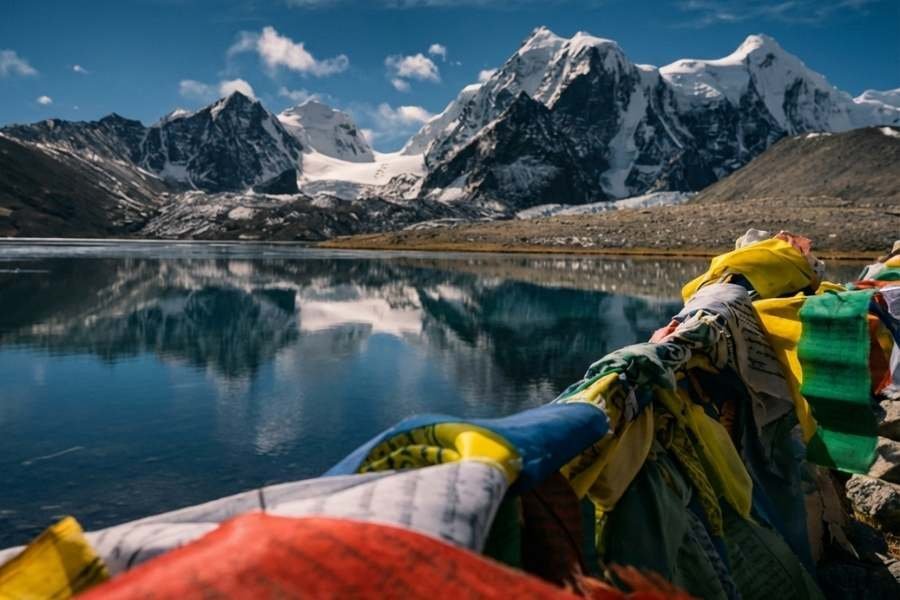
    Jamuni Lake is a relatively new tourist destination, developed as a riverside retreat with eco-tourism in mind. Located amidst tea gardens and rolling hills, this peaceful lake is perfect for a day trip filled with relaxation and adventure.

    •  Best Time to Visit: October to March for the best experience

    • Less crowded and offbeat, perfect for peace seekers.

    • Enjoy boating, nature walks, and cultural performances.

    • Ideal for picnics, photography, and spending quality time in nature.

    • Pro Tip: Visit on weekends to experience local cultural programs and traditional dance performances

      .

    6. Chowrasta Lake (Artificial Lake) – A Calm Escape in the Heart of Darjeeling

    📍 Location: Chowrasta Mall Road, Darjeeling
    Though not a natural lake, this small artificial lake near Chowrasta Mall Road offers a peaceful environment in the heart of Darjeeling town. It’s a great place to relax, feed the pigeons, and enjoy a quiet moment amidst the bustling hill town.

    •  Best Time to Visit: All year round
    • quick escape from the busy streets of Darjeeling.
    • Ideal for casual strolls, sitting with a book, or just enjoying the view.
    • Surrounded by cafés, bookshops, and local handicraft stores.
    • Pro Tip: Grab a cup of Darjeeling tea from a nearby café and soak in the charming atmosphere!

    Why Visit Darjeeling’s Lakes?

    The best lakes in Darjeeling are not just about scenic beauty; they offer insights into the region’s biodiversity, cultural heritage, and tranquility. Unlike the high-altitude lakes of Sikkim, Darjeeling’s water bodies are nestled in dense forests and rolling hills, making them more accessible yet equally mesmerizing.

    Plan Your Darjeeling Lake Tour with Tripjyada

    At Tripjyada, we specialize in customized Darjeeling travel packages that cater to all kinds of travelers. Whether you’re an adventurer, nature lover, or looking for a relaxing getaway, we ensure a seamless experience.

    What Makes Us Unique?
    • Customizable Packages: Tailor-made itineraries for individuals, families, and groups.
    • Expert Local Guides: Deep knowledge of Darjeeling’s history, culture, and hidden gems.
    • Comfortable Transport: Safe and scenic journeys with reliable vehicles.
    • Affordable Rates: Competitive pricing for all our tour and travel packages.

    Extend Your Journey: Sikkim & Darjeeling Combined Tour

    If you have marveled at Tsomgo Lake, Gurudongmar Lake, and other Sikkim lakes, adding Darjeeling’s serene lakes to your itinerary ensures a diverse travel experience. Check out our blog on Sikkim Lakes for a detailed guide.

    Find the Best Travel Agency in Kolkata for Your Darjeeling Tour

    Looking for a reliable travel agency in KolkataTripjyada collaborates with the best tour and travel agencies in Kolkata to provide hassle-free bookings and affordable travel packages. Whether it’s a domestic Darjeeling sightseeing tour or an international trip, we connect you with the best tour operators in Kolkata.

    Why Choose Us?

    • Recognized as the best travel agency in Kolkata for Northeast tours.
    • Offers both domestic and international travel packages.
    • Trusted among travelers as the best tour and travel company in Kolkata.

    Book Your Dream Darjeeling Trip Today

    Explore the hidden lakes in Darjeeling and experience the serenity of Senchal Lake, Mirik Lake, Jorpokhri Lake, and Singalila Lake. Let Tripjyada curate the perfect itinerary for you. Contact us today and embark on a journey of a lifetime.

  • Top 19 Things to Do in Sikkim

    Sikkim, a breathtaking gem in Northeast India, seamlessly blends adventure, culture, and stunning natural beauty. Whether you seek thrilling escapades, serene landscapes, or cultural immersion, Sikkim has something extraordinary to offer. From high-altitude treks and adrenaline-pumping sports to immersive cultural experiences, this mystical land guarantees an unforgettable journey. Here are the top 19 must-do activities in Sikkim, complete with locations, pricing, and timings to help you plan the perfect adventure.

    Top 19 Things to Do in Sikkim

    1. Goecha La Trek

    • Location: Yuksom to Goecha La Pass
    • Price: INR 15,000 – 20,000 per person
    • Timing: 10-12 days; best from March to June and September to November
    • Details: A paradise for trekkers, the Goecha La Trek offers breathtaking views of Mount Kanchenjunga. The challenging yet rewarding trail takes you through lush forests, serene meadows, and high-altitude landscapes. The sunrise view over Kanchenjunga from the Goecha La viewpoint is a once-in-a-lifetime experience.

    2. Rafting in Teesta River

    • Location: Teesta River, near Melli
    • Price: INR 2,000 – 3,500 per person
    • Timing: 9 AM – 4 PM; best from March to May and October to December
    • Details: Experience the thrill of white-water rafting on the Teesta River. With varying rapids and stunning views along the riverbanks, this adventure is perfect for adrenaline junkies. Different grades of rapids make it suitable for beginners as well as experts.

    3. Kanchenjunga Base Camp Trek

    • Location: Baliman Dara, Gangtok
    • Price: INR 3,000 – 5,000 per flight
    • Timing: 10 AM – 4 PM; best from May to October
    • Details: Soar high above the beautiful city of Gangtok with a paragliding adventure. Enjoy panoramic views of the Himalayan range and the lush valleys below. There are two types of flights: medium and high-altitude, depending on your comfort level.

    4. Paragliding in Gangtok

    • Location: Baliman Dara, Gangtok
    • Price: INR 3,000 – 5,000 per flight
    • Timing: 10 AM – 4 PM; best from May to October
    • Details: Soar high above the beautiful city of Gangtok with a paragliding adventure. Enjoy panoramic views of the Himalayan range and the lush valleys below. There are two types of flights: medium and high-altitude, depending on your comfort level.

    5. Ropeway in Gangtok

    • Location: Deorali to Tashiling, Gangtok
    • Price: INR 117 per person (one way)
    • Timing: 9:30 AM – 4:30 PM
    • Details: Get a bird’s-eye view of Gangtok by taking a ropeway ride. This cable car ride offers stunning vistas of the city, surrounding mountains, and flowing rivers. The ride covers about 1 km and is a must-do for photographers.

    6. Cycling on Silk Route

    • Location: Zuluk, Old Silk Route
    • Price: INR 5,000 – 7,000 per person (including gear)
    • Timing: Best from April to June and September to November
    • Details: The Silk Route offers an exhilarating experience for cycling enthusiasts, blending adventure with history. This ancient trade route, once used by traders traveling between Tibet and India, winds through breathtaking mountain landscapes, dense forests, and charming hamlets. Cyclists can explore the rugged yet scenic roads, with the highlight being the famous Zuluk loops—a series of hairpin bends that provide a mesmerizing panoramic view of the Eastern Himalayas. The route is best experienced between April to June and September to November when the weather is pleasant and the surroundings are at their most picturesque. This cycling adventure is perfect for both beginners and experienced riders looking to immerse themselves in the raw beauty of Sikkim.

    7. Sikkim Darjeeling Bike Adventure

    • Location: Gangtok to Darjeeling
    • Price: INR 8,000 – 15,000 per person (including bike rental)
    • Timing: Best from March to June and September to December
    • Details: Embark on an unforgettable bike ride across the stunning landscapes of Sikkim and Darjeeling. The journey offers breathtaking views, challenging terrains, and cultural experiences. Popular stops include Tsomgo Lake and Tiger Hill.

    8. Trek to Dzongri

    • Location: Yuksom to Dzongri
    • Price: INR 12,000 – 18,000 per person
    • Timing: 5-7 days; best from April to June and September to November
    • Details: A shorter yet exhilarating trek, the Dzongri Trek offers spectacular mountain views, diverse flora, and encounters with local culture along the way. It’s an excellent trek for those who want a high-altitude experience in a shorter timeframe.

    9. Bungee Jumping at Singshore Bridge

    Location: Pelling

    Price: INR 3,500 – 4,500 per jump

    Timing: 9 AM – 5 PM

    Details: Experience the ultimate adrenaline rush with a bungee jump from Singshore Bridge, the highest suspension bridge in Sikkim and the second-highest in Asia. Standing at approximately 100 meters above the gorge, this adventure promises breathtaking views and an unforgettable freefall experience. Trained professionals ensure a safe and exhilarating jump, making it a must-try activity for thrill-seekers. The best time for bungee jumping here is from March to June and September to November when the weather conditions are ideal for adventure sports.

    10. Take a Yak Safari Ride

    • Location: Tsomgo Lake, Dzongri
    • Price: INR 500 – 1,500 per person
    • Timing: 9 AM – 3 PM

    Details: Experience the traditional way of traveling in Sikkim by embarking on a yak safari. These gentle beasts, adorned with colorful woolen decorations, provide a unique and peaceful ride through some of Sikkim’s most scenic locations. Popular spots for yak rides include the stunning Tsomgo Lake, where the ride takes you along the shimmering glacial lake, and Dzongri, where high-altitude meadows offer breathtaking Himalayan vistas. A yak safari is an excellent way to connect with the region’s culture while enjoying the serene landscapes. Ideal for families and photographers, this slow-paced journey allows for incredible photo opportunities and a memorable experience

    11. Dzongri Goechala Trek

    • Location: Yuksom to Goecha La Pass
    • Price: INR 15,000 – 20,000 per person
    • Timing: 10-12 days; best from March to June and September to November
    • Details: The Dzongri Goechala Trek is an extraordinary journey that combines the scenic beauty of Dzongri with the grandeur of Goecha La Pass. This trek takes you through lush rhododendron forests, remote Himalayan villages, and high-altitude meadows, culminating in a breathtaking view of Kanchenjunga and surrounding peaks. It is a moderate-to-difficult trek, ideal for those looking to experience the wilderness of Sikkim while being rewarded with mesmerizing sunrises over the snow-clad mountains. Along the way, trekkers can witness diverse flora and fauna, including Himalayan blue sheep and monal pheasants, making it a perfect blend of adventure and nature exploration.

    12. Hang Gliding

    • Location: Ani Gumpa, Gangtok
    • Price: INR 2,500 – 4,500 per flight
    • Timing: 9 AM – 3 PM; best from May to October
    • Details: Soar like a bird over the breathtaking landscapes of Gangtok with an exhilarating hang-gliding experience. Taking off from Ani Gumpa, you will glide over lush green valleys, rolling hills, and the mesmerizing Himalayan range. This adventure sport is ideal for thrill-seekers and offers a unique aerial perspective of Sikkim’s natural beauty. Whether you are a beginner or an experienced flyer, trained instructors ensure a safe and memorable experience. The best time to try hang gliding in Sikkim is between May and October when the weather is clear and the winds are favorable for a smooth flight.

    13. Helicopter Ride Over Sikkim

    • Location: Gangtok Helipad
    • Price: INR 18,000 – 90,000 per flight (depending on duration)
    • Timing: 10 AM – 4 PM
    • Details: Experience Sikkim like never before with a thrilling helicopter ride that offers panoramic aerial views of the state’s breathtaking landscapes. Operated by Pawan Hans, these flights provide an unparalleled perspective of snow-capped peaks, verdant valleys, and charming towns nestled in the mountains. Options range from short joyrides over Gangtok to extensive tours covering Kanchenjunga, Tsomgo Lake, and other scenic wonders. This luxurious experience is perfect for photography enthusiasts and those looking to witness Sikkim’s grandeur from a unique vantage point.

    14. Visit Singalila National Park

    • Location: Singalila Ridge, West Sikkim
    • Price: INR 200 per person
    • Timing: 6 AM – 6 PM

    Details: Singalila National Park is a paradise for nature lovers and trekkers, offering breathtaking panoramic views of the Himalayas, including Mount Everest and Kanchenjunga. The park is home to diverse flora and fauna, including the rare red panda, Himalayan black bear, clouded leopard, and over 300 species of birds. The dense rhododendron forests, oak trees, and bamboo groves make it a picturesque trekking destination, especially in spring when the flowers are in full bloom. The Singalila Ridge trek through the park is one of the most scenic experiences, perfect for adventure seekers and wildlife enthusiasts alike.

    15. Caving in North Lha-Ri-Nying Phu

    • Location: Tashiding
    • Price: INR 2,000 – 5,000 per person
    • Timing: Day tours available
    • Details: The Lha-Ri-Nying Phu caves, hidden in the remote mountains of Tashiding, are among the holiest caves in Sikkim. These caves are deeply significant in Tibetan Buddhism and are believed to have been visited by Guru Padmasambhava during his meditative journeys. The caves offer an extraordinary mix of adventure and spirituality, with narrow passages, intriguing rock formations, and ancient carvings. Exploring them involves trekking through rugged terrain, but the experience is rewarding, offering a glimpse into Sikkim’s spiritual past. Pilgrims and adventure seekers alike visit these caves to meditate and absorb their mystical aura.

    16. Visit Namgyal Institute of Tibetology

    • Location: Gangtok
    • Price: INR 10 per person
    • Timing: 10 AM – 4 PM
    • Details: The Namgyal Institute of Tibetology is a renowned center dedicated to the study and preservation of Tibetan culture and Buddhism. Housing an extensive collection of rare manuscripts, thangkas (Tibetan scroll paintings), Buddhist statues, and ritual objects, it provides a deep insight into Tibetan traditions and spirituality. The museum also features ancient coins, silk scrolls, and an impressive library with over 60,000 books on Buddhist philosophy. A visit here offers a glimpse into the rich heritage of the region, making it a must-visit for history and culture enthusiasts.

    17. Trek to Singalila Ridge

    • Location: Singalila National Park, West Sikkim
    • Price: INR 10,000 – 15,000 per person
    • Timing: 6-7 days; best from March to June and September to November
    • Details: One of the most picturesque treks in Sikkim, the Singalila Ridge trek offers panoramic views of the Himalayan range, including Mount Everest and Kanchenjunga. The trail passes through rhododendron forests, alpine meadows, and charming hamlets, making it an unforgettable experience for nature lovers and trekkers alike.

    18. Visit Khangchendzonga National Park

    • Location: North Sikkim
    • Price: INR 200 per person (Indian nationals), INR 400 per person (foreign nationals)
    • Timing: 6 AM – 6 PM; best from March to June and September to November
    • Details: A UNESCO World Heritage Site, Khangchendzonga National Park is a haven for wildlife enthusiasts and nature lovers. The park is home to snow leopardsred pandasmusk deer, and over 500 species of birds. Visitors can explore its dense forests, alpine meadows, and high-altitude lakes while enjoying breathtaking views of Mount Kanchenjunga. Trekking inside the park is a popular activity, with routes like the Green Lake Trek and Yuksom-Dzongri Trek offering mesmerizing landscapes.

    19. Trek to Green Lake

    • Location: North Sikkim
    • Price: INR 18,000 – 25,000 per person
    • Timing: 10-12 days; best from April to June and September to November
    • Details: The Green Lake Trek is one of the most breathtaking yet less-explored treks in Sikkim. This high-altitude trek offers stunning views of Kanchenjunga, serene alpine meadows, and pristine glacial lakes. The trail takes you through rhododendron forests, charming villages, and rugged landscapes, making it a paradise for adventure enthusiasts and photographers.
     
  • Monasteries in Bhutan – A Spiritual Journey Through the Land of Thunder Dragon

    Beyond the well-known Tiger’s Nest Monastery, Bhutan hides secluded retreats, underground meditation caves, and secret rituals that even most locals aren’t aware of. Whether you’re a traveler seeking spiritual enlightenment or want to experience the mystical side of Bhutan, this guide uncovers every important monastery, including stories and hidden details that no one talks about.

    Paro Taktsang (Tiger’s Nest Monastery) – The Flying Monastery

    📍 Location: Paro | Elevation: 3,120 meters | Founded: 1692

    Paro Taktsang, or The Tiger’s Nest Monastery, is Bhutan’s most iconic landmark. Built dramatically on a cliffside, it is said to be the meditation site of Guru Rinpoche, who flew here on a tigress and brought Buddhism to Bhutan.

    Secrets & Lesser-Known Facts

    ✔ The monastery has a hidden cave where Guru Rinpoche is believed to have meditated for three years, three months, three weeks, three days, and three hours.

    ✔ The trek to the monastery passes mystical prayer wheels and secret meditation huts used by monks for isolated retreats.

    ✔ Inside, there’s a gold-plated statue of Guru Rinpoche that glows in candlelight, creating an ethereal atmosphere.

    ✔ The air at Tiger’s Nest is considered to have healing properties, making it a sought-after pilgrimage site.

    Hidden Tip: There is a secret cave behind the monastery that only monks are allowed to enter, believed to be the spot where Guru Rinpoche attained enlightenment.

    Bhutan Grand Explorer

    Rinpung Dzong – The Fortress of Heaped Jewels

    📍 Location: Paro | Founded: 1644

    A stunning dzong (fortress-monastery) overlooking the Wang Chhu River, Rinpung Dzong is a blend of military history and spirituality.

    ✔ Annual Paro Tshechu festival is held here, featuring masked dances and sacred rituals.

    ✔ Contains 14 temples and shrines, including one that houses the sacred relic of Avalokiteshvara (Bodhisattva of Compassion).

    ✔ Underground tunnels beneath the monastery were used by monks to escape invaders.

    Phajoding Monastery – Bhutan’s Hidden Meditation Retreat

    📍 Location: Above Thimphu | Elevation: 3,650 meters |  Founded: 13th century

    Phajoding is a remote monastery known for its silent retreats and secluded meditation caves.

    ✔ Trek to Phajoding offers panoramic views of Thimphu Valley.

    ✔ Houses ancient relics, including a sandalwood Buddha statue.

    ✔ The monastery follows a strict vow of silence for meditation monks.

    Insider Tip: If you visit at dawn, you can see monks offering secret morning chants to the rising sun, a surreal experience.

    Tango Monastery – Bhutan’s Spiritual University

    📍 Location: Near Thimphu | Founded: 12th century

    Unlike other monasteries, Tango Monastery is a spiritual university where monks undergo deep Buddhist studies for years.

    ✔ Houses the sacred sandalwood statue of Avalokiteshvara, believed to have divine energy.

    ✔ The monastery has seven meditation caves, including one that Guru Rinpoche meditated in.

    ✔ Visitors can interact with young monks and learn about their rigorous training.

    Chagri Dorjeden Monastery – Bhutan’s Oldest Retreat

    📍 Location: Phobjikha Valley | Founded: 1613

    Gangteng Monastery is one of the most beautiful in Bhutan, surrounded by endless meadows and forests.

    ✔ Every winter, endangered black-necked cranes migrate here, believed to be spiritual messengers.

    ✔ The monastery hosts the Gangteng Tshechu Festival, featuring traditional masked dances.

    ✔ Its wooden carvings and mural paintings are among the most detailed in Bhutan.

    Lhuentse Dzong – The Monastery of Mystical Energy

    📍 Location: Eastern Bhutan | Founded: 1550

    Located in one of the most remote regions, Lhuentse Dzong is said to have the strongest spiritual energy in Bhutan.

    ✔ The monastery sits on a mountain peak, surrounded by mist.

    ✔ Houses sacred relics that have been untouched for centuries.

    ✔ The monks here practice a rare tantric meditation that lasts 49 days.

    Kurjey Lhakhang – The Monastery of Guru Rinpoche’s Body Print

    📍 Location: Bumthang | Founded: 8th century

    Kurjey Lhakhang is one of the most sacred sites in Bhutan because it contains the imprint of Guru Rinpoche’s body on a rock.

    ✔ The site is believed to have strong spiritual vibrations, making it a perfect place for meditation.

    ✔ The monastery has underground caves where monks meditate for years without sunlight.

    ✔ Secret rooms within the monastery hold ancient texts written in golden ink.

    Conclusion – A Journey Beyond Just Sightseeing

    Bhutan’s monasteries are not just places of worship but living spiritual centers, preserving ancient Buddhist traditions. Each monastery holds secrets, hidden relics, and spiritual mysteries that make them unlike any other in the world.

    Whether you’re trekking to the legendary Tiger’s Nest, witnessing the silent retreats of Phajoding, or exploring the underground caves of Kurjey Lhakhang, Bhutan offers an unparalleled spiritual experience.

    Plan your journey wisely and explore Bhutan’s monasteries not just as a tourist, but as a seeker of wisdom, peace, and deeper understanding.

  • Monasteries in Sikkim & Darjeeling

    Introduction

    Discover the spiritual and cultural richness of monasteries in Sikkim and Darjeeling with Tripjyada. These ancient Buddhist sites offer an immersive experience in heritage, peace, and architectural marvels. Whether you’re a history enthusiast, a spiritual seeker, or an adventure traveler, this guide covers everything you need to know about these sacred places, their history, significance, and how to explore them efficiently.

    Bhutan Monastery

    Why Visit Monasteries in Sikkim & Darjeeling?

    Monasteries are not just religious sites; they are centers of Buddhist teachings, meditation, and cultural preservation. Here’s why you should visit:

    • Experience Tranquility – Escape the chaos of city life and soak in the peaceful ambiance.
    • Learn Buddhist Traditions – Witness traditional Buddhist rituals, prayers, and festivals.
    • Marvel at Architecture – Admire intricate murals, ancient scriptures, and stunning monastery designs.
    • Scenic Locations – Nestled amidst the Himalayas, these monasteries offer breathtaking views.
    • Spiritual Awakening – Engage in meditation sessions and find inner peace.

    Famous Monasteries in Sikkim

    Sikkim is home to some of the most revered monasteries in India, reflecting the deep-rooted Buddhist traditions in the region. Many of them belong to the Nyingma and Kagyu sects of Tibetan Buddhism

    1. Rumtek Monastery

    • Why Visit? One of the largest and most significant monasteries in Sikkim, serving as the seat of the Karmapa of the Kagyu lineage.
    • Key Attractions: The Golden Stupa, Karma Kagyu lineage teachings, and a grand prayer hall with vibrant murals.
    • Best Time to Visit: March to June, September to November.
    • How to Reach It: Located 24 km from Gangtok, accessible via taxi or shared jeep.

    2. Pemayangtse Monastery

    • Why Visit? Over 300 years old, offering a panoramic view of the Himalayas and spiritual serenity.
    • Key Attractions: Ancient murals, wooden sculptures, traditional Buddhist chants, and the famed Guru Dragmar statue.
    • Best Time to Visit: Throughout the year, especially during the Cham Dance Festival in February.
    • How to Reach: Situated near Pelling, approximately 140 km from Gangtok.

    3. Enchey Monastery

    • Why Visit? Known for its spiritual ambiance and historic significance, believed to be blessed by Guru Padmasambhava.
    • Key Attractions: Cham dance festival, intricate Buddhist artwork, and breathtaking surroundings.
    • Best Time to Visit: December (for the Cham dance festival).
    • How to Reach It: It’s just 3 km from Gangtok city center.

    For more insights, explore our Sikkim Travel Guide.

    Darjeeling is not just about tea gardens; its Buddhist monasteries provide a glimpse into the region’s deep spiritual heritage. The monasteries here reflect Tibetan Buddhist traditions and serve as important centers of learning and worship.

    1. Ghoom Monastery

    • Why Visit? Houses a 15-ft Maitreya Buddha statue, it is one of the oldest monasteries in Darjeeling.
    • Key Attractions: Ancient Tibetan manuscripts, prayer wheels, and breathtaking mountain views.
    • Best Time to Visit: October to April.
    • How to Reach It: Located 8 km from Darjeeling town.

    2. Dali Monastery

    • Why Visit? One of the largest monasteries in Darjeeling, home to the Drukpa Kagyu sect of Buddhism.
    • Key Attractions: Prayer wheels, Buddhist scriptures, monks chanting prayers, and stunning sunrise views over Kanchenjunga.
    • Best Time to Visit: All year round.
    • How to Reach: 5 km from Darjeeling town, easily accessible by taxi.

    3. Bhutia Busty Monastery

    • Why Visit? It offers a serene retreat close to Darjeeling town, originally built in Sikkim and later moved to its present location.
    • Key Attractions: 19th-century murals, peaceful surroundings, ancient Buddhist texts.
    • Best Time to Visit: November to February.
    • How to Reach It: Located just 1.5 km from Darjeeling town.

    Travel Tips for Visiting Monasteries

    To make the most of your monastery visit, here are some important travel tips:

    • Dress Modestly – Wear appropriate clothing covering your shoulders and knees as a sign of respect.
    • Avoid Loud Noises – Maintain silence inside prayer halls and avoid disturbing monks in meditation.
    • Check Monastery Timings – Some monasteries close in the afternoon, so plan accordingly.
    • Participate in Prayer Sessions – Experience Buddhist chants and rituals firsthand.
    • Carry Cash – Many monasteries rely on donations for maintenance, and some have small souvenir shops.
    • Follow Photography Rules – Some monasteries prohibit photography inside prayer halls.
    • Respect Local Customs – Do not step over prayer flags, books, or religious items.
     

    Plan Your Trip with Tripjyada

    Make your journey hassle-free by booking a Sikkim & Darjeeling monastery tour with Tripjyada. We offer customized travel experiences that allow you to explore these spiritual havens in depth.

    Why Choose Us?

    ✔️ Expert-guided monastery tours
    ✔️ Best itinerary suggestions tailored to your preferences
    ✔️ Budget-friendly packages with flexible options
    ✔️ Seamless booking experience with easy online reservations
    ✔️ Exclusive monastery experiences, including meditation sessions and cultural interactions

    📍 Book Your Trip Now and embark on a spiritual adventure!

  • Tawang in Monsoon: A Rain-Soaked Himalayan Wonderland

    Tawang, a picturesque town in Arunachal Pradesh, undergoes a magical transformation during the monsoon season.

    Tawang in Monsoon: A Rain-Soaked Himalayan Wonderland

    Tawang, a picturesque town in Arunachal Pradesh, undergoes a magical transformation during the monsoon season. Towering Himalayan peaks, thick mist rolling over the valleys, and monasteries veiled in clouds make this place look straight out of a painting. While many travelers avoid monsoons due to heavy rains and potential landslides, those who dare to visit are rewarded with lush green landscapes, gushing waterfalls, and fewer crowds. If you are looking for a peaceful getaway with scenic beauty, spiritual experiences, and adventure, Tawang in August and September is an ideal offbeat choice.

    Tawang’s Monsoon Weather – A Season of Beauty & Challenges

    The monsoon in Tawang lasts from July to September, bringing moderate to heavy rainfall, foggy conditions, and cool temperatures ranging between 10°C and 18°C. The town is surrounded by dense forests, and the rains make the flora more vibrant and waterfalls more powerful. However, landslides, slippery roads, and intermittent power cuts are common challenges during this season, so it’s essential to travel well-prepared.

    Tawang in August – A Refreshing Yet Unpredictable Experience

    • Heavy rain showers enhance the region’s natural beauty, turning every landscape into a lush green paradise.
    • The Nuranang Waterfall (Jung Falls) reaches its peak flow, creating a spectacular sight.
    • Tawang Monastery and Taktsang Gompa look breathtaking as clouds drift through the structures.
    • Road travel can be challenging due to frequent landslides, so buffer days are recommended.

    Tawang in September – The Best of Both Worlds

    • Rainfall starts reducing, revealing clear blue skies on certain days.
    • Trekking trails and high-altitude passes begin reopening, allowing adventure seekers to explore the region better.
    • The monsoon recedes, but the valleys remain lush and the waterfalls full, making it an ideal time for nature lovers.

    Why Visit Tawang in Monsoon?

    Lush Green Landscapes & Revitalized Waterfalls. Tawang’s beauty is at its peak during monsoon, as every mountain, valley, and meadow gets covered in fresh greenery. The Nuranang Waterfall, one of the most stunning waterfalls in Arunachal Pradesh, is at its fullest, offering an awe-inspiring view.

    Must-Visit Places in Tawang During Monsoon

    Tawang Monastery – A Spiritual Sanctuary Above the Clouds

    The largest Buddhist monastery in India, Tawang Monastery is a must-visit, especially in monsoon when mist rolls through the structure, creating a heavenly atmosphere. Built in the 17th century, it houses rare Buddhist scriptures and a massive golden Buddha statue.

    Nuranang Waterfall – Monsoon’s Most Spectacular Sight

    Located near Jang, Nuranang Waterfall plunges from a height of 100 meters, creating a thunderous roar during the monsoon. Surrounded by thick forests, it is a perfect place for nature lovers and photographers.

    Taktsang Gompa – Bhutanese Vibes in Tawang

    If you admire Paro Taktsang (The Tiger’s Nest) in Bhutan, you will love Taktsang Gompa, which is nestled on a cliff surrounded by dense forests. The monsoon mist adds a mystical aura, making it one of the most scenic places in Tawang.

    P.T. Tso Lake – A Rain-Refreshed Beauty

    Also known as Pangong Tso Lake, this high-altitude lake becomes crystal clear during monsoon, reflecting the changing skies and misty mountains. It’s a perfect spot for a peaceful outing.

    Bum La Pass – A Thrilling Border Adventure (Weather Permitting)

    Located at 15,200 ft, Bum La Pass marks the India-China border and offers stunning panoramic views. However, due to heavy rainfall, it may be closed during monsoon, so check with local authorities before planning your visit.

    Sela Pass – A Misty Wonderland (If Accessible)

    At an altitude of 13,700 ft, Sela Pass is a high mountain pass that remains covered in thick fog and occasional snowflakes during the monsoon, creating a surreal experience. However, road conditions can be challenging, so it’s advisable to travel with a 4×4 vehicle.


    Final Verdict – Should You Visit Tawang in Monsoon?

    If you’re an adventurous traveler who loves nature, solitude, and scenic landscapes, Tawang in August and September offers a once-in-a-lifetime experience. The mist-draped monasteries, gushing waterfalls, and lush valleys make it a dreamy retreat for those seeking peace, photography, and offbeat travel.

    Yes, the monsoon brings challenges like landslides and unpredictable weather, but if you come prepared, you’ll witness Tawang in its raw, untouched beauty.

    So, are you ready to embrace the monsoon magic of Tawang? Pack your raincoat, book your tickets, and experience a Himalayan adventure like no other.

  • Exploring Bhutan’s Enchanting Lakes: The Tranquil Gems of the Himalayas

    Paro Tsho: Bhutan’s Tranquil Gem

    Situated in the picturesque Paro Valley, Paro Tsho is one of the most scenic lakes in Bhutan. Surrounded by lush greenery and traditional Bhutanese villages, this lake is a haven for those seeking solace and natural beauty.

    • Location: Near Paro Valley.
    • Best Time to Visit: March to May, September to November.
    • Activities: Nature walks, photography, and meditation.
    • Why Visit? Its serene setting and cultural backdrop make it a top destination for travelers exploring Bhutan’s famous lakes.
    Punakha Bhutan

    Lhuentse Lake: A Sacred Wonder

    Located in the remote Lhuentse district, this lake is revered for its spiritual significance. The area around Lhuentse Lake offers a peaceful retreat for visitors.

    • Location: Lhuentse District.
    • Best Time to Visit: October to March.
    • Activities: Pilgrimage, birdwatching, and exploring nearby monasteries.
    • Why Visit? Its cultural importance and serene environment make it one of the best lakes in Bhutan for spiritual seekers.

    Jigme Dorji Lake: An Adventurer’s Paradise

    Nestled within the Jigme Dorji National Park, this high-altitude lake is a favorite among trekking enthusiasts. The journey to the lake offers breathtaking views of Bhutan’s untouched wilderness.

    • Location: Jigme Dorji National Park.
    • Best Time to Visit: April to June, September to November.
    • Activities: Trekking, camping, and wildlife exploration.
    • Why Visit? Its unspoiled natural beauty makes it a must-visit for those seeking adventure and serenity in Bhutan’s lakes.

    Bumthang Lakes: A Mystical Retreat

    The lakes in Bumthang Valley are deeply intertwined with Bhutanese myths and legends. These small yet mesmerizing water bodies reflect the spiritual essence of the region.

    • Location: Bumthang Valley.
    • Best Time to Visit: Spring and Autumn.
    • Activities: Meditation, exploring monasteries, and cultural experiences.
    • Why Visit? Bumthang’s lakes provide a mystical and serene experience, making them among the most sought-after famous lakes in Bhutan.

    Phobjikha Valley Lakes: Home of the Black-Necked Crane

    The glacial lakes of Phobjikha Valley are part of an ecosystem that supports the endangered Black-necked Crane. These lakes attract birdwatchers and nature lovers from across the globe.

    • Location: Phobjikha Valley.
    • Best Time to Visit: November to February for birdwatching; spring for lush landscapes.
    • Activities: Birdwatching, hiking, and cultural exploration.

    Why Visit? The harmony between wildlife and nature makes these lakes a highlight of Bhutan’s eco-tourism.

    Dungtsho Lake: A Hidden Spiritual Gem

    Dungtsho Lake, located high in the mountains near Paro, is a sacred site believed to have divine powers. Pilgrims often visit to meditate and offer prayers.

    • Location: Near Paro, Bhutan.
    • Best Time to Visit: March to May, September to November.
    • Activities: Trekking, meditation, and spiritual rituals.
    • Why Visit? It is a spiritually significant destination with breathtaking alpine scenery.

    Gangtey Tsho: A Valley of Serenity

    This small but stunning lake is located in the Gangtey Valley and is often visited by travelers exploring Bhutan’s pristine landscapes and cultural heritage.

    • Location: Gangtey Valley.
    • Best Time to Visit: October to March.
    • Activities: Hiking, sightseeing, and cultural immersion.
    • Why Visit? A picturesque and peaceful spot for nature lovers and cultural explorers alike.

    Bhutan’s Lakes: A Blend of Nature and Spirituality

    The lakes of Bhutan are more than scenic landmarks—they embody the country’s deep connection to nature and spirituality. From sacred lakes in Bhutan to those that serve as bird sanctuaries, each waterbody tells a unique story.

    Connecting Bhutan Lakes with the Northeast India Lake Circuit

    The lakes in Bhutan seamlessly integrate with the Northeast India lake circuit, which includes iconic waterbodies in Sikkim, Darjeeling, Arunachal Pradesh, Meghalaya, and Guwahati. Together, they offer travelers a holistic journey of serenity, cultural exploration, and adventure.

    Plan Your Bhutan Lake Exploration with Tripjyada

    At Tripjyada, we specialize in creating unforgettable travel experiences. Our Bhutan lake tours are designed to showcase the best of the Himalayan lakes, ensuring a seamless journey.

    Why Choose Tripjyada?
    • Customized itineraries for Bhutan and the Northeast India lake circuit.
    • Hassle-free cross-border travel arrangements.
    • Expert local guides and curated travel experiences.

    Embark on a soulful journey to Bhutan’s enchanting lakes with Tripjyada and experience the magic of the Himalayas.

  • Trekking in Arunachal Pradesh: A Journey Through the Untouched Himalayas

    If you love the mountains and crave an adventure off the beaten path, Arunachal Pradesh is where you should be. Tucked away in the northeastern corner of India, this unexplored paradise is a dream for trekkers. Imagine walking through lush green valleys, crossing high mountain passes, camping under a sky full of stars, and experiencing the warm hospitality of the Monpa, Apatani, and Adi tribes—this is trekking in Arunachal Pradesh.

    Whether you’re a seasoned trekker looking for a challenge or a nature lover wanting to soak in the breathtaking landscapes, this place has something for everyone. Let’s take a look at some of the best trekking routes that will leave you in awe.

    Arunachal Pradesh

    Top Tourist Attractions in Arunachal Pradesh:

    Tawang Trek: Where Spirituality Meets the Himalayas

    This trek is not just about mountains; it’s also a spiritual journey. As you hike through the trails, you’ll come across Buddhist monasteries, frozen lakes, and some of the most stunning views of the Eastern Himalayas.

    What makes it special?

    Tawang Monastery – The second-largest monastery in the world, filled with centuries of history.

    Sela Pass (13,700 ft) – A breathtaking high-altitude pass covered in snow for most of the year.

    Shonga-Tser Lake (Madhuri Lake) – A glacial lake that changes colors with the seasons.

    Gorichen Peak (22,500 ft) – The highest peak in Arunachal Pradesh, standing tall in the background.

    Trek Level: Moderate

    Best Time: April – June & September – November

    Bailey Trail Trek – A Walk Through History

    This is a trek for those who love both adventure and history. The Bailey Trail was once a trade route between India and Tibet, and now, it’s one of the most scenic trekking routes in Arunachal Pradesh. You’ll walk through dense forests, cross fast-flowing rivers, and climb some challenging high passes.

    What makes it special?

    Sela, Tse La, and Poshing La Passes—Panoramic views of snow-covered peaks.

    Dirang & Tawang Chu Rivers – Crystal-clear rivers cutting through deep valleys.

    Wildlife spotting – Keep an eye out for red pandas, blue sheep, and Himalayan black bears.

    Trek Level: Difficult

    Best Time: May – October

    Ziro Valley Trek – A Walk Through Nature & Culture

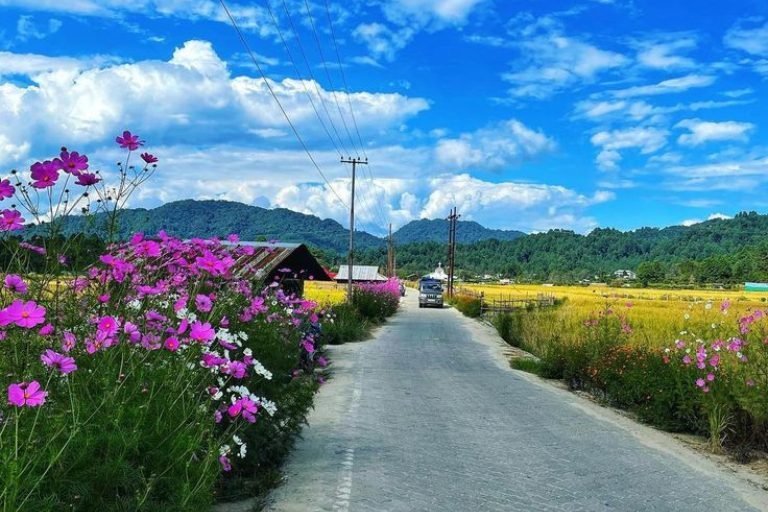
    If you’re looking for a relaxed trek that lets you experience both nature and culture, Ziro Valley is the perfect choice. This trek takes you through rolling green hills, pine forests, and the unique rice fields of the Apatani tribe.

    What makes it special?

    Talle Valley Wildlife Sanctuary—Trek through lush forests, home to rare birds and animals.

    Apatani Tribal Villages – Experience the traditional lifestyle of the Apatani people.

    Golden sunrise over terraced rice fields—a sight that will stay with you forever.

    Trek Level: Easy

    Best Time: October – April

    Mechuka Trek – The Tibetan Shangri-La of Arunachal

    Mechuka is a hidden gem that will transport you to another world. Located near the Indo-Tibet border, this valley is known for its pristine beauty, Buddhist culture, and peaceful vibes. The trek takes you through vast meadows, over wooden bridges, and past old monasteries that feel like they belong in a fairytale.

    What makes it special?

    Samten Yongcha Monastery – A 400-year-old monastery with Tibetan architecture.

    Siyom River – A crystal-clear river that looks straight out of a postcard.

    Meet the Memba Tribe—experience their unique Tibetan-influenced traditions.

    Trek Level: Moderate

    Best Time: March – June & September – November

    Namdapha National Park Trek—Into the Wild

    This trek is for true nature lovers who want to disconnect from the modern world and explore the wild side of Arunachal Pradesh. Namdapha is one of India’s most biodiverse national parks, home to rare species like clouded leopards, red pandas, and hoolock gibbons.

    What makes it special?

    Deep rainforests, bamboo groves, and misty hills—a trek through pure wilderness.

    Birdwatcher’s paradise – Spot rare and colorful birds at every step.

    Camping under the stars—far away from city lights, with only nature around you.

    Trek Level: Moderate

    Best Time: November – March

    Thembang Trek – A Journey Back in Time

    This is a short but fascinating trek that takes you to Tawang, a UNESCO-listed fortified village. It’s like stepping back in time as you walk through stone-paved paths and ancient Monpa houses.

    What makes it special?

    A 1,000-year-old fortified village—a piece of history hidden in the mountains.

    Rich Monpa culture – Experience their hospitality and traditions.

    Breathtaking views of Dirang Valley—the perfect place to relax and soak in nature.

    Trek Level: Easy

    Best Time: October – April

    Sela Pass Trek – A Snowy Wonderland

    For those who love trekking in the snow, the Sela Pass Trek is an experience like no other. At 13,700 feet, Sela Pass is covered in snow for most of the year and offers some of the most magical winter landscapes.

    What makes it special?

    Frozen Sela Lake – A mesmerizing high-altitude lake, often frozen in winter.

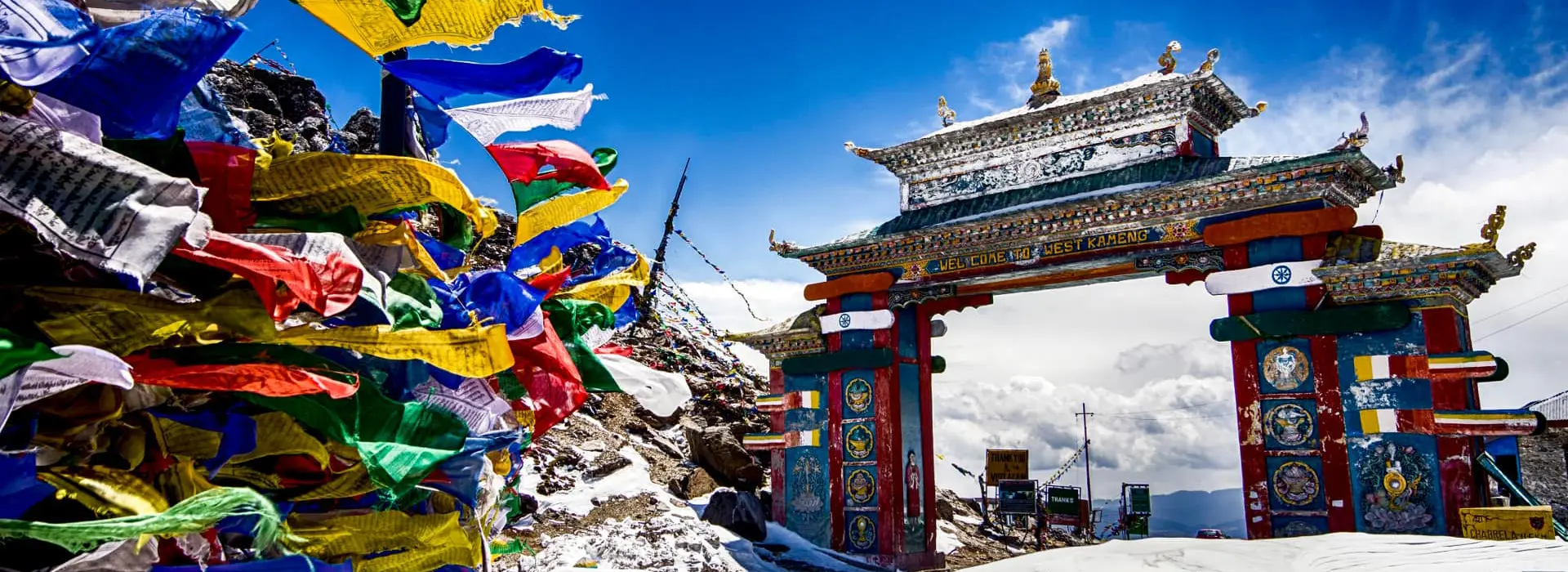
    Prayer flags fluttering in the wind—a sight straight out of a Tibetan dream.

    Panoramic Himalayan views – Endless white peaks stretching into the horizon.

    Trek Level: Moderate

    Best Time: Nov – Apr

    Best Time for Trekking in Arunachal Pradesh

    Season Best Treks

    Spring (March-May) Tawang, Mechuka, Bailey Trail

    Monsoon (June – September) Ziro Valley, Namdapha National Park

    Autumn (October – November) Mechuka, Thembang, Ziro Valley

    Winter (December – February) Sela Pass, Tawang, Bailey Trail

    Permits for Trekking in Arunachal Pradesh

    Since Arunachal Pradesh shares borders with China, Bhutan, and Myanmar, special permits are required for visitors:

    Indian Citizens – Need an Inner Line Permit (ILP).

    Foreign Nationals – Need a Protected Area Permit (PAP).

    Permits can be easily obtained online or from Arunachal Pradesh Tourism offices.

    Let Tripjyada Plan Your Dream Trek in Arunachal Pradesh

    At Tripjyada, we believe that trekking is more than just a journey—it’s an experience that stays with you forever.

    What We Offer:

    ✔ Experienced trekking guides

    ✔ Personalized itineraries

    ✔ Hassle-free permits & accommodation

    ✔ Safe & sustainable trekking

  • Hiking to Hidden Trails: Nongriat’s Living Root Bridges

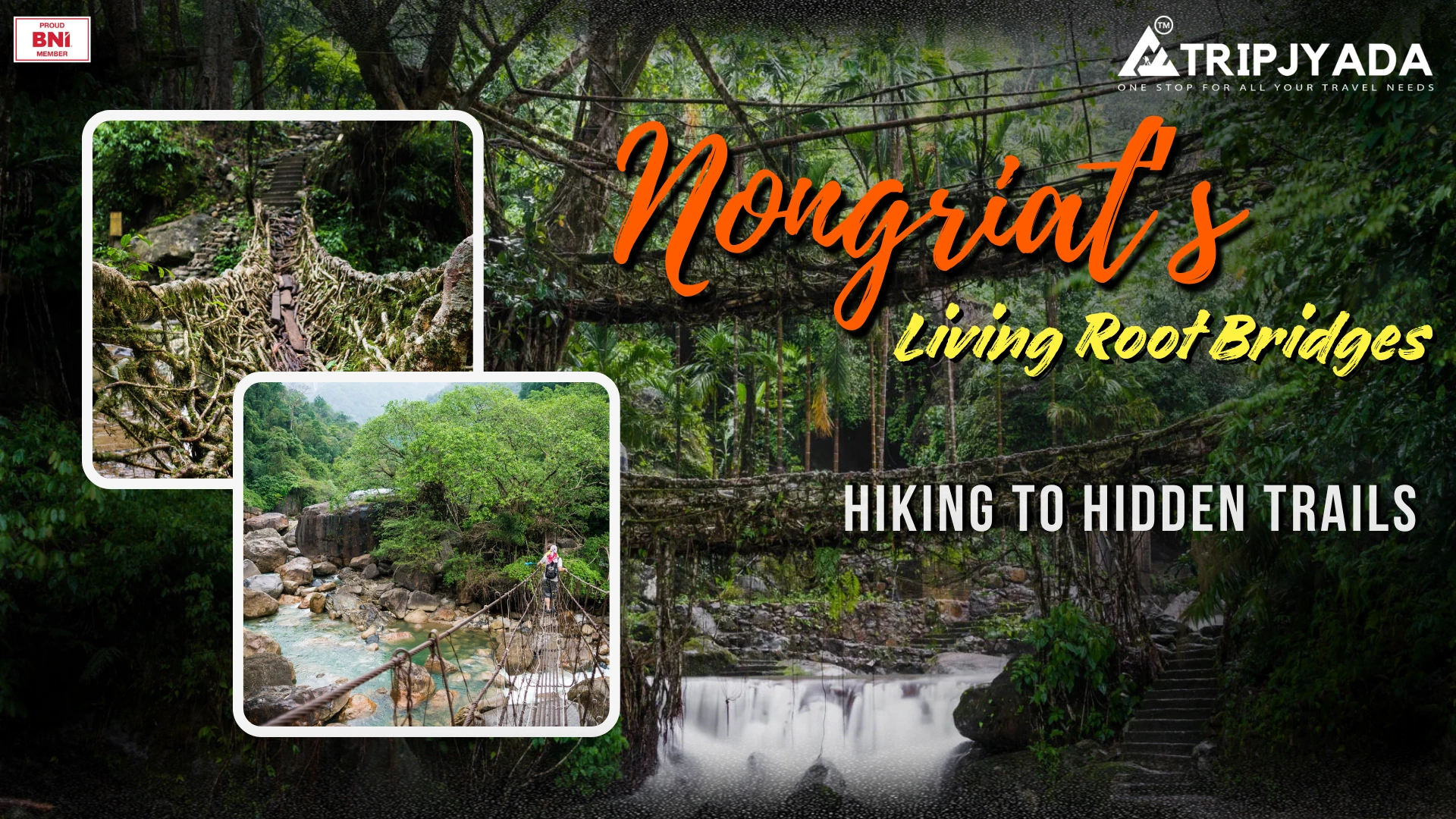
    If you think Meghalaya is only about dramatic waterfalls and misty clouds, Nongriat’s root bridges are ready to surprise you. Hidden deep within the emerald forests of the East Khasi Hills, this remote village is home to one of nature’s most extraordinary creations, the Living Root Bridges of Meghalaya. Crafted patiently over generations by the Khasi tribe, these bridges are grown, not built, using the aerial roots of ancient rubber fig trees. The journey begins with a scenic trek from Tyrna Village, descending more than 3000 stone steps through dense rainforests, hanging bridges, and crystal-clear streams.

    At the heart of the village lies Nongriat’s Root Bridges, a double-decker living root bridge, a rare natural wonder found nowhere else in the world. Stronger with age and beautifully intertwined, it stands as a symbol of sustainable living and harmony between humans and nature, making Nongriat a must-visit for travelers seeking offbeat places in Meghalaya.

    Read More… Zero Point in 2026: New Rules, Permit Updates, Best Months to Visit & Travel Tips

    Where is Nongriat’s Root Bridges, and why is it so special?

    Nongriat is a remote, picture-perfect village hidden deep in the East Khasi Hills of Meghalaya, close to Cherrapunji, one of the wettest places on Earth. Reaching Nongriat is an adventure in itself. The journey begins at Tyrna Village, followed by a breathtaking trek of over 3,000 stone steps that wind through dense rainforests, over hanging bridges, and past crystal-clear streams.

    What truly sets Nongriat apart is the world-famous Double Decker Living Root Bridge, a natural marvel found nowhere else on the planet. Crafted not by machines, but by patience and indigenous knowledge, these bridges are grown by skillfully guiding the aerial roots of rubber fig trees across rivers over several generations.

    Nongriat's Root Bridges

    The Nongriat Trek: More Than Just a Hike

    The trek to Nongriat’s Living Root Bridges is not just a path you walk; it’s an experience that unfolds step by step. Starting from Tyrna Village near Cherrapunji, the trail descends over 3000 stone steps, guiding you deep into the heart of Meghalaya’s rain-soaked forests. As you hike, you will pass through dense subtropical rainforests, where the air feels fresh and alive, and the sounds of birds, cicadas, and flowing water become your constant companions. The trail crosses crystal-clear streams and has bamboo railings and traditional hanging bridges, offering moments to pause, breathe, and soak in the scenery.

    One of the most beautiful parts of the Nongriat trek in Meghalaya is walking through small Khasi villages, where locals go about their daily lives with a quiet rhythm. The climb back can be demanding, especially for first-time trekkers, but every turn rewards you with sweeping views of green valleys, misty cliffs, and forest canopies. This is why the Double Decker Living Root Bridge trek is loved by travelers who enjoy slow travel, nature walks, eco-tourism, and offbeat adventures in Meghalaya.

    Travel Tip: Start your trek early in the morning, carry only essentials, wear good trekking shoes, and take regular breaks. The Nongriat trek isn’t about rushing to the destination; it’s about connecting with nature, local culture, and yourself along the way.

    Check out… Meghalaya Group Tour 2026: Explore the Abode of Clouds with Tripjyada

    Beyond the Nongriat’s Root Bridges: Hidden Trails Around Nongriat

    Most travelers turn back after visiting the iconic Nongriat’s Root Bridges, but Nongriat rewards those who choose to slow down and explore deeper. Hidden trails, forest pools, and authentic village life make this region one of the most immersive trekking experiences in Meghalaya.

    • Rainbow Falls (Ka Likai Falls): For travelers craving a little more adventure, the hike to Rainbow Falls is a must. This trail continues beyond Nongriat through dense rainforest, bamboo bridges, and narrow forest paths. Unlike crowded viewpoints near Cherrapunji, Rainbow Falls feels untouched and wild. The sound of cascading water, thick greenery, and complete isolation make it a favorite for nature lovers and photographers seeking offbeat places in Meghalaya.
    • Natural Pools and Forest Streams: One of Nongriat’s quiet pleasures lies in its crystal-clear natural pools and forest streams. Sitting beside these streams or simply dipping your feet in the cold water brings instant calm.
    • Village Life Experience in Nongriat: Beyond landscapes, Nongriat’s soul lies in its people. Spending time in the village allows travelers to understand how local Khasi communities live in harmony with nature. From maintaining living root bridges to preserving forest trails, sustainability is a way of life here.

    Explore…Top 7 Best Places to Visit in Meghalaya for First-Time Travelers

    Best Time to Visit Nongriat’s Root Bridges

    • October to April: It is the best weather for trekking, clear views, and comfortable trails.
    • June to September: In the monsoon time, the landscape is lush and magical, but trails can be slippery and challenging.

    Why Visit Nongriat’s Root Bridges with Tripjyada: Where Journey Becomes Story

    Nongriat’s Root Bridges is not just a destination; it’s a lesson in patience, sustainability, and living in harmony with nature. Just like the living root bridges that grow stronger over time, the memories you create here stay rooted long after the journey ends. Book your Meghalaya tour package along with the Nongriat trip with Tripjyada. Our customized Meghalaya tour packages are designed for travelers who want more than crowded viewpoints and rushed schedules. Whether you’re an adventure seeker chasing hidden trails, a nature lover drawn to forests and waterfalls, or someone simply looking to disconnect and breathe, we shape journeys around your travel style.

  • Bhutan Trip Planning 2026: Everything You Need to Prepare

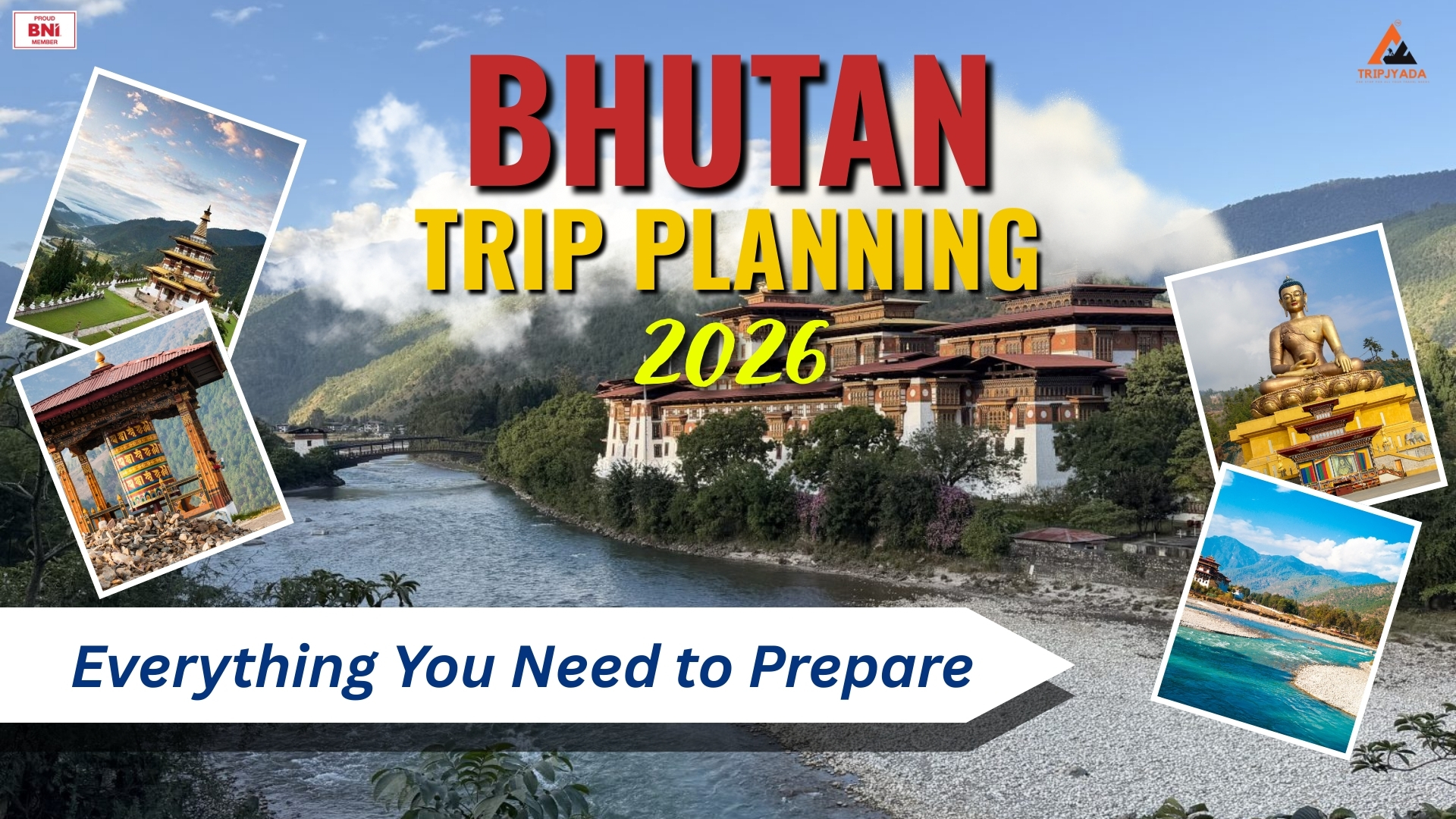
    Planning a Bhutan trip in 2026? You’re not just planning a holiday, you’re preparing for a journey into one of the world’s most peaceful and spiritual countries. From ancient monasteries clinging to dramatic cliffs to quiet valleys filled with fluttering prayer flags, Bhutan tourism offers an experience that feels untouched, mindful, and deeply personal. Often called the Land of the Thunder Dragon, the country believes in happiness. Here, travel slows you down in the best way possible. Whether you’re choosing from curated Bhutan tour packages, crafting your own Bhutan itinerary, or planning a memorable Bhutan trip, preparation is the key to enjoying this magical destination hassle-free.

    Also Explore…Women’s Group Tour to Bhutan 2026: Travel Together, Travel Fearlessly

    To make your journey smooth and unforgettable, we’ve put together the ultimate Bhutan Travel Checklist 2026, covering everything you need to know before you visit Bhutan.

    Documents & Entry Essentials for Bhutan Trip Planning

    Before you start dreaming about monasteries, mountain roads, and peaceful valleys, let’s get the paperwork right. A smooth entry sets the tone for a hassle-free Bhutan trip.

    • Entry & Area Permits: While most Bhutan tourist places like Thimphu and Paro are easily accessible, certain regions and activities require special permits. Popular attractions like Tiger’s Nest in Bhutan, and trekking or visiting restricted valleys. If you book trusted Bhutan travel packages, permits are handled in advance, with no last-minute hassles.
    • SDF Charges: Bhutan follows a “High Value, Low Impact” tourism policy, which means travelers pay a Sustainable Development Fee (SDF) to support conservation, education, and infrastructure development.

    Read More…Sustainable Development Fee (SDF) – What You Need to Know

    SDF Charges:

    1. International tourists: $100 per person per night.
    2. Indian tourists: ₹1,200 per person per night.

    This ensures that tourism in Bhutan remains sustainable while helping preserve the country’s unique heritage.

    What to Pack for Bhutan Trip Planning (Essential Checklist)

    Packing smart can truly elevate your Bhutan travel experience. Since Bhutan’s climate changes with altitude, cool mountain air in Paro, milder weather in Punakha, and chilly winds at high passes, your Bhutan trip calls for thoughtful layering rather than overpacking.

    Here’s what you should definitely carry when planning your Bhutan tour or Bhutan holiday package:

    Clothing Essentials:

    • Warm layers (jackets, fleece, and sweaters): During pleasant months, evenings in Bhutan can get surprisingly cold, especially in Paro and Thimphu.
    • If you’re visiting Bhutan in December, thermals, gloves, woolen socks, and a warm cap are must-haves.

    Footwear for Bhutan Exploration

    • Sturdy walking or trekking shoes: You’ll be walking a lot, whether it’s city strolls or the iconic Tiger’s Nest Bhutan trek.

    • Light sandals or flip-flops: Handy for hotel stays or relaxed evenings.

    Travel Tip: Bhutan values sustainability. Packing reusable and eco-friendly items not only lightens your luggage but also aligns beautifully with Bhutan’s green philosophy.

    Best Time to Visit Bhutan

    Choosing the right season can completely shape your Bhutan travel experience. From colorful festivals to snow-dusted monasteries, Bhutan tourism offers something special throughout the year.

    Spring (March to May): Nature at Its Best

    Spring is the best time to visit Bhutan, especially for nature lovers and photographers.

    • Pleasant temperatures for exploring Bhutan tourist places.
    • Perfect time for outdoor activities and monastery visits.
    • Great for a relaxed Bhutan itinerary covering Paro, Thimphu, and Punakha.

    Autumn (September to November): Peak Bhutan Tourism Season

    In Autumn, Bhutan offers crystal clear weather, offering stunning Himalayan panoramas, and major festivals like Paro Tshechu attract travelers from across the world.

    • Best weather for sightseeing and photography.
    • Ideal for well-planned Bhutan tours and Bhutan holiday packages.
    • Lively festivals showcase authentic Bhutanese culture.

    Winter (December to February): Quiet, Peaceful & Budget-Friendly

    Winter in Bhutan is calm, spiritual, and less crowded. While higher altitudes may experience snowfall, valleys like Paro and Thimphu remain accessible and incredibly scenic. This is also a great time for travelers looking for peaceful Bhutan holidays.

    • Fewer tourists and serene monastery visits.
    • Snow-covered landscapes add a magical touch.
    • Ideal budget travellers exploring Bhutan.
    • Cozy experiences for those planning a Bhutan trip in December.

    Also Read…The Most Luxurious Bhutan Tour Package for 2025: Discover the Magic of Comfort

    Must-Visit Places in Bhutan

    These are the best places to visit in Bhutan that make every journey unforgettable.

    • Tiger’s Nest Monastery (Paro Taktsang): Perched dramatically on a cliff at 3,000 feet, Tiger’s Nest Monastery in Bhutan is the most iconic symbol of Bhutan tourism.
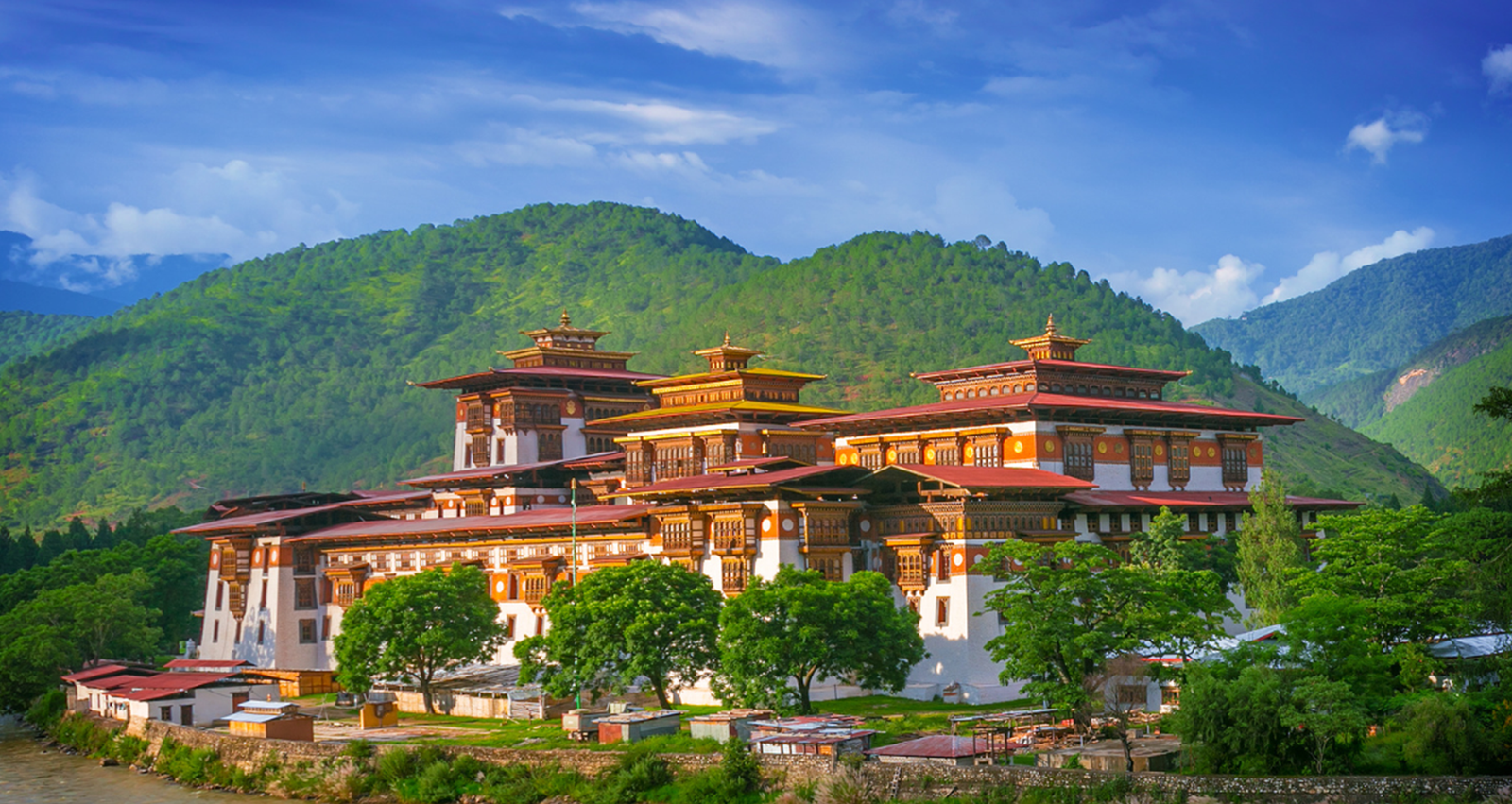
    • Punakha Dzong: Often called the most beautiful Dzong in Bhutan, Punakha Dzong sits gracefully at the confluence of two rivers.
    • Dochula Pass: Located on the Thimphu–Punakha highway, Dochula Pass offers breathtaking panoramic views of the Eastern Himalayas on clear days.
    • Phobjikha Valley: If peace had a postcode, it would be Phobjikha. This glacial valley is perfect for travelers looking to slow down during their Bhutan holidays.

    Read More…How to Reach Bhutan from Bangalore: Complete Travel Guide

    Ready to Plan Your Bhutan Trip?

    Your Bhutan trip from India deserves more than just bookings; it deserves thoughtful planning, local insight, and experiences. From peaceful monasteries and scenic mountain drives to iconic spots like Tiger’s Nest Bhutan, every journey in Bhutan is special when planned right. Book your Bhutan tour with Tripjyada. We curated custom travel packages and ensured a smooth, memorable experience. We also offer seamless travel from India to Bhutan, including road trips via Phuentsholing and flight-based options such as Delhi to Bhutan, Bhutan from Bangalore, and more.

    Also Explore…2026 Travel Checklist: The Must-Visit Places for the Himalayas

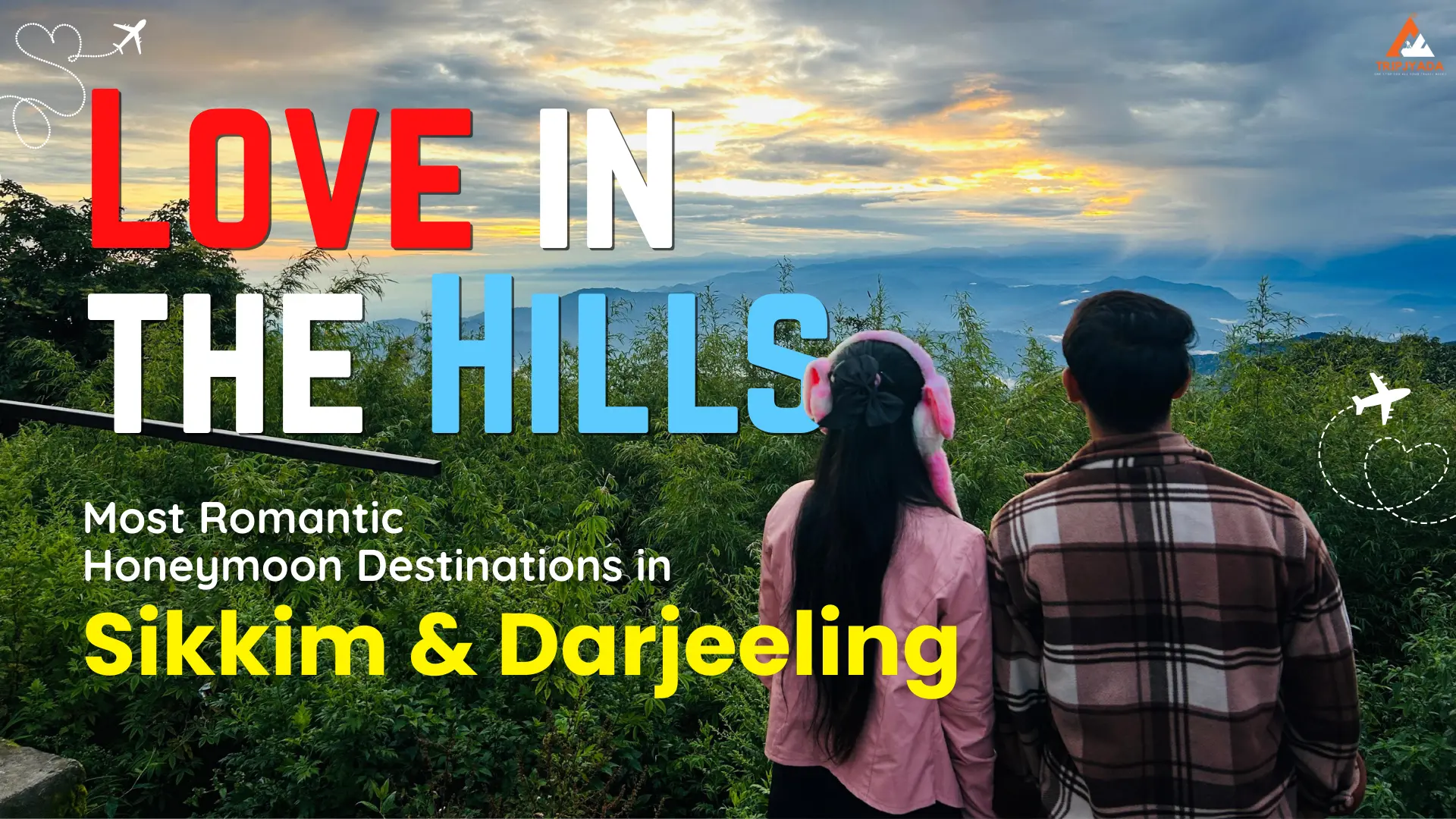
  • Love in the Hills: Most Romantic Honeymoon Destinations in Sikkim and Darjeeling

    Some love stories aren’t meant for crowded beaches or rushed itineraries. They deserve misty mornings with tea by the window, mountain sunsets that pause time. Also, the quiet monasteries echoing peace, and long walks wrapped in wool and laughter. If you’re dreaming of honeymoon destinations in Sikkim & Darjeeling, that feels slow, soulful, and deeply romantic, then Sikkim and Darjeeling are where love truly finds its rhythm.

    Located away in the Eastern Himalayas, these hill destinations offer the perfect balance of natural beauty, privacy, and comfort, making them ideal for newlyweds. From snow-kissed valleys to charming hill towns, honeymoon packages in Sikkim and Darjeeling offer the perfect blend of nature, comfort, and intimacy. Whether you’re planning a cozy escape or a scenic adventure together, this region promises moments you’ll remember for a lifetime.

    Explore…Budget-Friendly Sikkim Tour Packages for Couples

    Why Choose Sikkim and Darjeeling for Your Honeymoon?

    When love deserves quiet moments and breathtaking views, Sikkim and Darjeeling become the perfect choice. Sikkim tourism is known for its untouched landscapes, peaceful monasteries, and warm local hospitality that makes couples feel instantly at home. Paired with Darjeeling’s colonial charm, rolling tea gardens, and misty mornings, this region creates one of India’s most romantic honeymoon destinations.

    Unlike crowded beach destinations, a trip to Sikkim offers space to breathe, connect, and slow down. Imagine scenic mountain drives, cozy cafes in Gangtok, sunrise views over Kanchenjunga, and evenings spent wrapped in blankets with your partner.

    • Pleasant weather throughout the year, ideal for sightseeing and relaxation.
    • Less crowded than mainstream honeymoon destinations, ensuring privacy.
    • Romantic scenic drives, cable car rides, and peaceful walks.
    • Luxury and boutique mountain stays, perfect for couples.

    Whether it’s exploring Gangtok tourist places, enjoying Gangtok sightseeing, or waking up to mountain views in North Sikkim, your honeymoon becomes stress-free and deeply memorable.

    Explore…Sikkim Darjeeling Tour Packages

    Places to Visit in Sikkim and Darjeeling for Honeymoon Trip

    1. Gangtok: Where Romance Meets the Mountains

    Located in the Eastern Himalayas, Gangtok is the beating heart of Sikkim tourism and one of the most loved honeymoon destinations in the region. For newlyweds, Gangtok feels lively yet intimate, the perfect first chapter of your trip to Sikkim. As a key highlight of most Sikkim tourist packages and Gangtok tourist packages, this hill town beautifully balances modern comforts with soulful traditions.

    Romantic Things to do in Gangtok

    • Walk Hand-in-Hand on MG Marg
    • Cable Car Ride Over the City
    • Tsomgo Lake Excursion
    • Explore Peaceful Monasteries

    Best places to stay in Gangtok include boutique hotels and luxury mountain resorts with valley views. Tripjyada curates the best hotels in Sikkim, Gangtok, especially for honeymoon couples.

    2. North Sikkim: Snow, Silence, and Soulful Love

    If you want a romantic experience that includes waking up to snow-covered peaks, sipping hot tea while clouds drift past your window, and sharing quiet moments far away from the noise of everyday life, North Sikkim is where your love story truly deepens. Known for its untouched beauty and dramatic landscapes, North Sikkim tourist spots offer couples something rare. It’s the most intimate side of Sikkim tourism, perfect for honeymooners who want the best honeymoon destinations in Sikkim & Darjeeling.

    Top Places to Visit in North Sikkim

    • Lachung: Couples can enjoy cozy mountain stays with heaters, morning walks through quiet village lanes, and snowfall views right from the room window. Wooden cottages, prayer flags fluttering in the wind, and snow-covered roads make it one of the most romantic Sikkim places to visit.
    • Yumthang Valley: Often called the Valley of Flowers of Sikkim, Yumthang Valley is a visual poem. In spring and summer, the valley blooms with colorful flowers, while in winter it transforms into a white wonderland.

    Read More…Yumthang Valley, Sikkim: Flowers, Snowfall, and the Soul of the North Sikkim

    • Zero Point: For couples who dream of touching fresh snow together, Zero Point is pure magic. Surrounded by towering Himalayan peaks, this spot offers breathtaking views and a sense of standing at the edge of something extraordinary.

    Read More…Zero Point in 2026: New Rules, Permit Updates, Best Months to Visit & Travel Tips

    Darjeeling: Old-World Romance in the Queen of Hills

    Darjeeling feels like falling in love slowly. Wrapped in drifting clouds and colonial charm, this timeless hill town is where romance brews as gently as its world-famous tea.

    Must-Visit Romantic Places in Darjeeling

    • Tiger Hill: Watching the sunrise from Tiger Hill is more than sightseeing; it’s a shared moment of awe. As the first rays of light up Mount Kanchenjunga, couples stand wrapped in silence, holding hands, watching nature perform its magic.

    Read More…Tiger Hill Sunrise Guide: Why It’s the Most Loved Attraction in Darjeeling?

    • Batasia Loop: The iconic Batasia Loop is where history, mountains, and romance meet. This spot offers breathtaking views and quiet corners, perfect for couples capturing memories during their Darjeeling trip.
    • Darjeeling Ropeway: The Darjeeling Ropeway offers sweeping views of valleys, rivers, and tea plantations from above. Floating gently over the hills.

    Best Time to Visit Sikkim for Honeymoon

    Choosing the right season ensures your trip to Sikkim feels smooth, scenic, and romantic.

    • March to June: For pleasant weather, blooming valleys, and it’s ideal to experience nature.

    • October to December: Enjoy the clear skies, festive vibe, and snow in North Sikkim.

    Book Your Honeymoon Packages with Tripjyada

    Every love story deserves a beginning that feels calm, beautiful, and unforgettable, and the hills of Sikkim and Darjeeling. From peaceful monastery mornings in Gangtok to misty tea-garden walks in Darjeeling. Every moment feels personal, unhurried, and full of meaning.

    With Tripjyada curated Honeymoon destinations in Sikkim & Darjeeling, couples experience the very best of Sikkim tourism, romantic stays, scenic routes, and thoughtfully planned Gangtok sightseeing and Darjeeling experiences. Whether you’re choosing a relaxed Gangtok trip or an adventurous Sikkim Gangtok tour.