Tripjyada CMS Staging

Blog

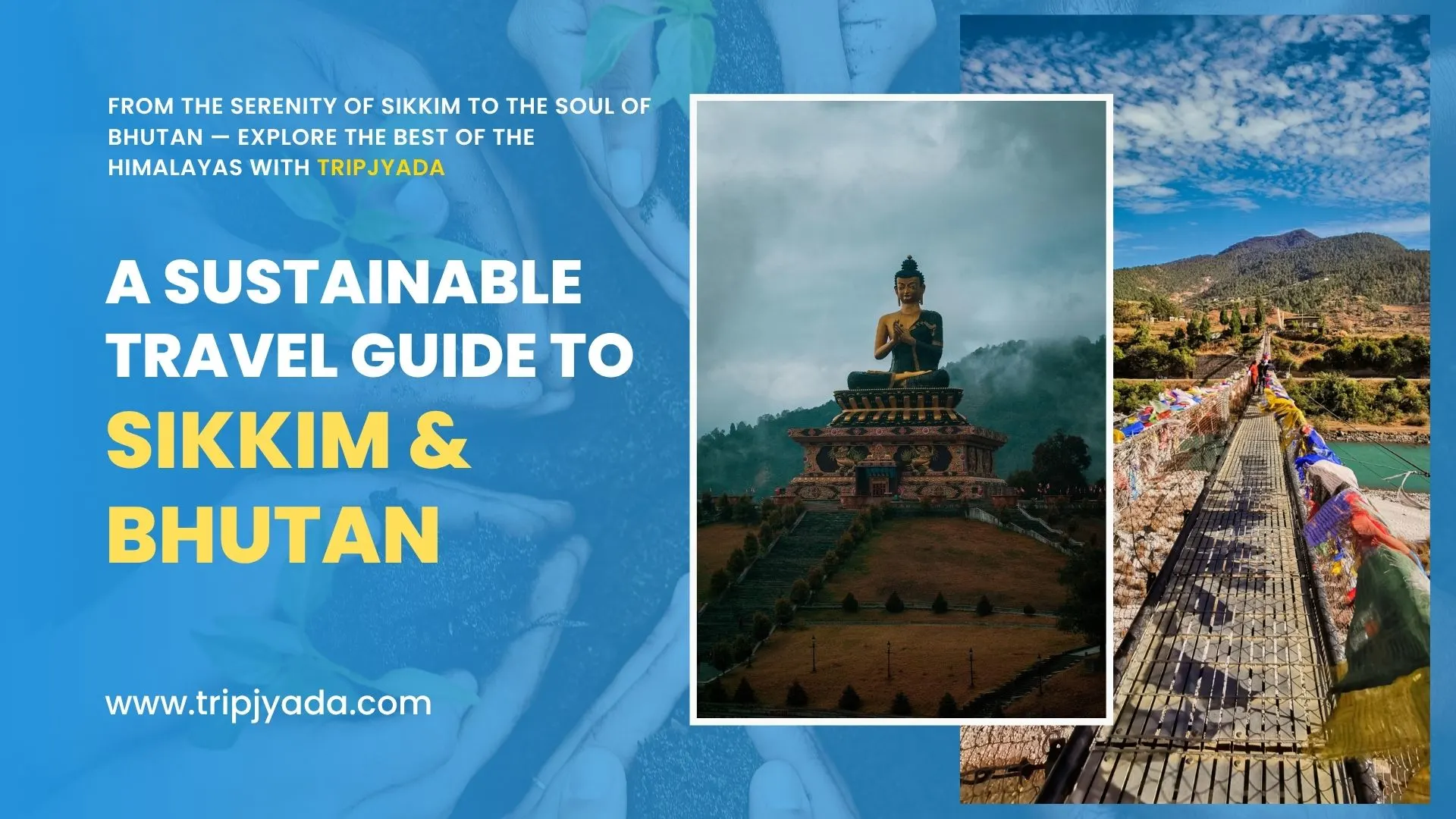
  • Discovering Sikkim and Bhutan: A Guide to Sustainable and Enriching Travel

    Explore the untouched charm of Sikkim and Bhutan, two Himalayan gems where tradition, nature, and spirituality live in harmony. Picture yourself wandering through Sikkim, India’s first organic state, or experiencing Bhutan, the world’s only carbon-negative country. As you travel through these serene landscapes, mindful choices will not only elevate your experience but also help preserve their purity and cultural richness.

    Deepening Your Cultural Immersion

    In both Sikkim and Bhutan, Buddhism plays a central role in everyday life. Understanding and respecting local customs allows you to engage more deeply with the people and their heritage.

    • Dress with Respect: Covering shoulders and knees when entering monasteries (Lhakhangs) and dzongs shows humility and understanding.
    • Walk Mindfully: Always move clockwise around religious sites and prayer wheels—this practice reflects centuries-old beliefs.
    • Celebrate the Culture: Festivals like Sikkim’s Losar or Bhutan’s Tshechus offer vibrant glimpses into traditional life. When attending, observe quietly and follow the community’s guidance.


    Minimising Your Environmental Footprint

    Both regions set strong examples in eco-conscious tourism. Bhutan’s carbon-negative achievement and Sikkim’s plastic ban are testaments to their deep commitment to sustainability.

    • Carry Reusables: Bring a refillable bottle, reusable bags, and avoid single-use plastics wherever possible.
    • Eco-friendly Toiletries: Opt for biodegradable products and dispose of waste properly, especially when exploring rural or high-altitude regions.
    • Save Water and Energy: Simple habits—like turning off taps and lights—go a long way in conserving resources.


    Empowering Local Communities

    Travel that benefits the locals is not only more authentic—it’s more fulfilling. Here’s how you can make your journey supportive and sustainable:

    • Stay Local: Sikkim’s homestays and Bhutan’s community-based lodges let you experience daily life up close, while your spending directly supports the hosts.
    • Dine Authentically: Try traditional dishes like momos, thukpa, and gundruk in Sikkim, or ema datshi and phaksha paa in Bhutan. Eating locally supports farmers and cuts down on food transport emissions.
    • Shop Handcrafted: Pick up souvenirs directly from artisans—your purchase helps keep centuries-old skills alive.
    • Hire Local Guides: Not only do they offer fascinating insights into culture and history, but you’re also helping their livelihood thrive.

    Respecting Natural Treasures

    Sikkim and Bhutan are teeming with unique biodiversity. Protecting this natural beauty is part of what makes eco-travel in the Eastern Himalayas so special.

    • Stick to the Trail: During treks, always follow marked paths to avoid harming fragile ecosystems.
    • Wildlife Etiquette: Observe animals from a safe distance. Avoid loud noises and do not feed or touch wildlife.
    • Use Resources Wisely: Whether you’re staying in a mountain village or a remote camp, be thoughtful with your use of firewood and water.
    • Choose Low-impact Travel: Whenever you can, walk, cycle, or use public transportation. It’s a small step that makes a big difference.


    More Tips for a Meaningful Journey

    • Ask First When  Photographing: A little courtesy goes a long way when you’re about to take someone’s photo.
    • Be Altitude Aware: Areas of high elevation may be uncomfortable. Drink plenty of fluids, take it slow, and pay attention to how you’re feeling.
    • Help with conservation: Make a donation to (or volunteer with) local groups dedicated to protecting nature and culture.

    Ready to Travel the Responsible Way?

    Travelling through Sikkim and Bhutan isn’t just about seeing the sights—it’s about forming meaningful connections, leaving a positive impact, and experiencing the region with respect and care.

    With Tripjyada, you can plan a responsible journey that’s smooth, safe, and supportive of local communities. From booking eco-friendly accommodations to exploring hidden gems with local guides, we help you travel thoughtfully.

  • Why is Sikkim, The Abode of the Gods, Exempt from Income Tax?

    Why is Sikkim, The Abode of the Gods, Exempt from Income Tax?

    The moment you cross into Sikkim, a sense of calm washes over you, carried by the distant, yet invigorating, winds. Melli, your initial point of entry, offers a breathtaking preview of Sikkim’s beauty, drawing you into the state’s enigmatic charm – it truly feels like entering a different world. Among its fascinating facets is Sikkim’s unique exemption from Income Tax. Let’s explore the reasons behind this exceptional policy and what it could mean for your visit to this remarkable state.


    Context of the Time: 

    Before 1975, Sikkim wasn’t just a state in India; it was an independent kingdom with its own governance, distinct financial regulations and tax laws within the legal system. The Sikkim Income Tax Manual of 1948 was the governing document for taxation within the kingdom. According to this manual, the Sikkimese subjects were liable to pay taxes that were separate from the taxation laws prevailing in India at that time.

    This complicated system of taxation regulations was in favour of its own inhabitants’ needs. The fact that it had an existing income tax system before joining India is a crucial context for understanding the later exemptions, as it had its own pre-established norms.


    The Merger Agreement (Article 371F):

    The Merging of Sikkim and India was not a simple thing to execute, as Sikkim’s cultural identity also needed to be considered and with that came regulations for the preservation and favour of Sikkim’s inhabitants. Article 371F of the Indian Constitution was specifically inserted to accommodate these special circumstances. This article provided Sikkim with several unique provisions that don’t apply to other states. 

    Among many such provisions was the continuity of several pre-existing laws that were deeply rooted in the socio-economic background of Sikkim, one of which was the tax law, as it would disrupt the economic well-being of the Sikkimese people and undermine the trust built during the integration process. 


    The Legal Roadmap:

    The actual legal mechanism for the income tax exemption is enshrined in Section 10(26AAA) of the Income Tax Act, 1961, which was also specifically introduced through the Union Budget of 2008. It explicitly states that the income of an individual, being a Sikkimese, is exempt from income tax if that income accrues or arises in Sikkim, or through dividends or interest on securities.

    This legislative decision provided a clear legal basis for tax exemption and was directly applicable to the Tax Authorities. It also signifies the Indian government’s commitment to upholding the promises made during Sikkim’s integration.


    Requirements:

    Originally, the criteria were holding the Sikkim Subject Certificate as of April 26, 1975 and their descendants. This certification was the official document for the identification of residents of Sikkim before the merger.

    Over time, some of the long-time residents did not have the Certificate and were deeply integrated into the Sikkimese society. Subsequent changes have significantly broadened the definition after the ruling of the Supreme Court of India.

    The concept of domicile in Sikkim before the merger date became another key criterion. This acknowledges individuals who had made Sikkim their permanent home before its integration with India.

    Initially, women of Sikkimese origin, marrying a man outside of Sikkim, would lose the tax-exemption status. Although the recent Supreme Court judgments have addressed this issue. Ensuring that their Sikkimese identity and associated privileges, including tax exemption, are maintained. 


    The changing definitions of who qualifies to be Sikkimese accentuate the ongoing effort to ensure and hold the implications of Article 371F and its intent behind Tax-Exemption. The non-locals may be mildly aware of these nuances around Sikkimese Rights and Identities.

    Sikkim’s distinct cultural identity, like that of any vibrant state, provides unique perspectives on the human experience. Beyond a superficial glance lies a story of resilience, where the state has navigated challenges while safeguarding its cultural essence. The Income Tax Exemption is a significant outcome of this journey, now integral to Sikkim’s socio-economic stability.

    When will you step into this enchanting land? Sikkim is ever-ready to embrace you, offering both tranquil havens for reflection and thrilling opportunities for adventure. I

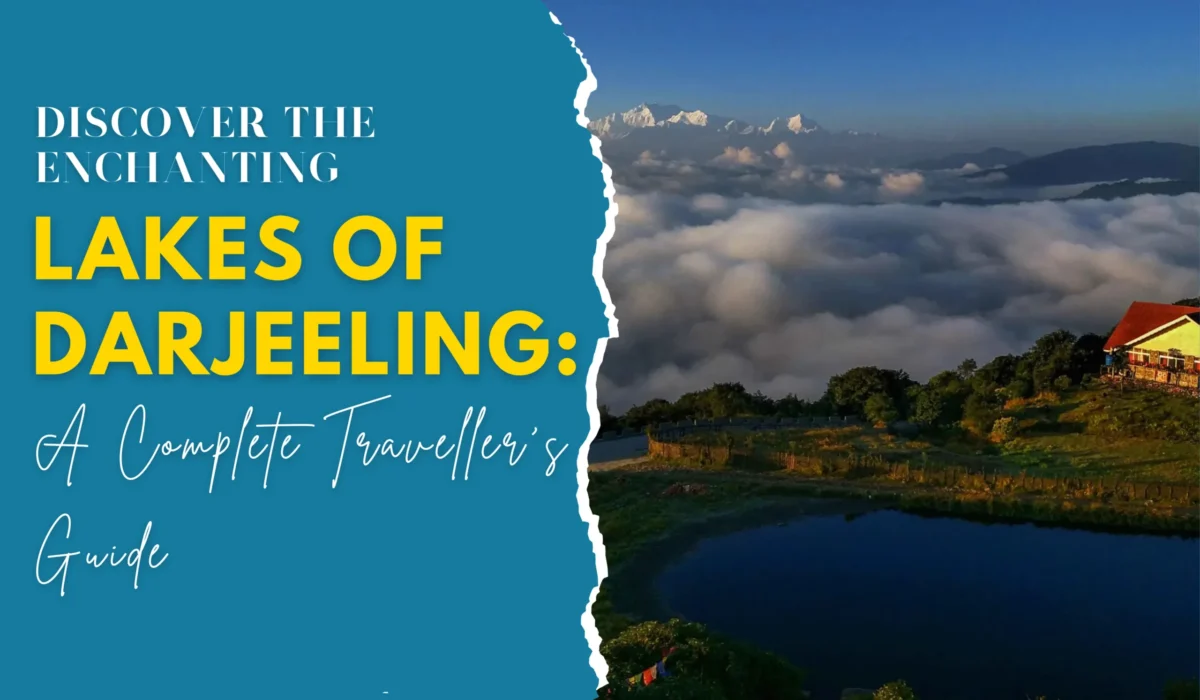
  • Discover the Enchanting Lakes of Darjeeling: A Complete Traveler’s Guide

    Discover the Enchanting Lakes of Darjeeling: A Complete Traveler’s Guide

    Darjeeling, often celebrated for its tea gardens, colonial architecture, and breathtaking views of Kanchenjunga, is also home to several tranquil lakes that offer peace and scenic beauty. These lakes, often overshadowed by the town’s famous viewpoints and monasteries, are hidden gems that provide an immersive nature experience. Whether you’re an adventure seeker, a nature lover, or a photography enthusiast, the lakes of Darjeeling promise an unforgettable experience.

    Let’s explore these mesmerizing water bodies, each with its unique charm and significance.

    1. Senchal Lake: A Reservoir of Natural Beauty

    Nestled within the Senchal Wildlife Sanctuary, Senchal Lake is a major water source for Darjeeling town. This serene reservoir is surrounded by dense forests, offering a perfect retreat for those seeking solitude. The sanctuary itself is home to a rich variety of flora and fauna, making it a paradise for birdwatchers and nature lovers.

    • Best Time to Visit: March to May, September to November
    • How to Reach: Located 10 km from Darjeeling, accessible by car or taxi
    • Highlights: Exotic bird species, trekking trails, proximity to Tiger Hill
    • Travel Tip: Combine your visit with a sunrise trip to Tiger Hill for an unparalleled view of the Himalayas.

    Senchel Lake

    2. Mirik Lake (Sumendu Lake): The Crown Jewel of Mirik

    One of the most famous lakes in the region, Mirik Lake (also known as Sumendu Lake) is a favorite among tourists for its breathtaking beauty and recreational activities. The well-manicured gardens, pine tree-lined banks, and the iconic Rainbow Bridge add to its charm. Visitors can enjoy boating, horseback riding, and simply soaking in the stunning landscape.

    • Best Time to Visit: March to June, September to December
    • How to Reach: Located 49 km from Darjeeling; well-connected by road
    • Highlights: Boating, horse riding, Rainbow Bridge, lush gardens
    • Travel Tip: Visit during sunset for a mesmerizing view of the lake reflecting the evening hues.

    Sumendu Lake ( Darjeeling )

    3. Jorpokhri Lake: The Twin Ponds of Tranquility

    Perched atop a hill, Jorpokhri Lake derives its name from ‘Jor’ (meaning two) and ‘Pokhri’ (meaning pond). This scenic spot offers panoramic views of Mount Kanchenjunga and is home to the rare Himalayan Salamander. The area around the lake is a peaceful retreat away from the bustling tourist spots.

    • Best Time to Visit: October to April
    • How to Reach: 20 km from Darjeeling; accessible by road
    • Highlights: Twin lakes, biodiversity, peaceful surroundings
    • Travel Tip: Spend a night here to enjoy the calm atmosphere under the starry sky.

    Jorpokhri Lake

    4. Singalila Lake: A Trekker’s Paradise

    Located within the Singalila National Park, this lake is a hidden treasure for trekking enthusiasts. Accessible via the Sandakphu-Phalut trekking route, it offers breathtaking views of Mount Everest, Kanchenjunga, and lush rhododendron forests. This untouched beauty is a must-visit for nature lovers.

    • Best Time to Visit: March to May, September to November
    • How to Reach: Through the Sandakphu trekking route
    • Highlights: Trekking, Himalayan views, diverse flora and fauna
    • Travel Tip: Hire a guide to explore hidden trails and make the most of your adventure.

    Singalila Lake

    5. Jamuni Lake: A Rising Eco-Tourism Destination

    Jamuni Lake is an emerging tourist attraction in Darjeeling, developed as an eco-tourism project. Surrounded by lush greenery and tea gardens, it’s a great spot for picnics, boating, and relaxation. The nearby natural hot water springs add to its appeal.

    • Best Time to Visit: October to April
    • How to Reach: 12 km from Darjeeling, easily accessible by road
    • Highlights: Boating, picnic spots, hot springs
    • Travel Tip: Visit during festivals to witness the local cultural events held around the lake.

    Jamuni Lake

    6. Rongo Lake: A Hidden Gem in the Hills

    Rongo Lake, located in the Kalimpong district near Darjeeling, is a lesser-known but picturesque destination. The surrounding forest and cardamom plantations make it a unique spot for eco-tourists and adventure seekers.

    • Best Time to Visit: March to June, September to November
    • How to Reach: 50 km from Darjeeling, best reached via Kalimpong
    • Highlights: Dense forests, cardamom plantations, peaceful ambiance
    • Travel Tip: Carry binoculars for birdwatching opportunities in the nearby forest.

    Rongo Lake

    7. Todey Lake: The Offbeat Paradise

    Situated close to the Indo-Bhutan border, Todey Lake is an untouched paradise surrounded by tea estates and hills. It is an ideal place for offbeat travelers looking to explore nature away from the usual tourist circuit.

    • Best Time to Visit: October to March
    • How to Reach: 80 km from Darjeeling, via Kalimpong and Neora Valley
    • Highlights: Offbeat location, scenic landscape, rare flora and fauna
    • Travel Tip: Combine your visit with a tour of the Neora Valley National Park.

    Why You Should Explore the Lakes of Darjeeling?

    Each of these lakes offers a unique experience, from adventure-packed trekking trails to serene picnic spots. Unlike the high-altitude lakes of Sikkim, Darjeeling’s lakes are easily accessible and nestled within lush green valleys, making them ideal for travelers of all kinds.

    Plan Your Darjeeling Lake Tour with Tripjyada

    At Tripjyada, we offer customized travel packages that let you explore the hidden gems of Darjeeling in the best way possible.

    Why Choose Us?

    • Tailor-Made Itineraries: Personalized travel plans to suit your preferences.
    • Experienced Guides: Local guides who bring deep knowledge of the region.
    • Comfortable Transport: Reliable and scenic journeys across Darjeeling.
    • Budget-Friendly Packages: Affordable rates without compromising on experience.

    Connect Your Journey: From Sikkim to Darjeeling

    If you’ve already explored the majestic lakes of Sikkim, a Darjeeling lake tour is a perfect extension of your trip. Don’t forget to check out our blog on Sikkim’s Best Lakes to plan a complete Northeast India travel experience.

    Final Thoughts

    Darjeeling’s lakes, though lesser-known, offer a serene escape amidst nature. Whether you’re looking for adventure, relaxation, or simply stunning landscapes, these lakes should be part of your itinerary. Ready to embark on this peaceful journey? Book your trip with Tripjyada today. I


  • Tripjyada Exclusive Andaman Getaway 4N/5D

    Tripjyada Exclusive Andaman Getaway 4N/5D

    Darjeeling & Gangtok Tour 2

    Shillong – Cherrapunjee – Dawki – Guwahati

    3N/4D

    Hotels

    Transport

    Sightseeing

    Meals

    Tour Package Description

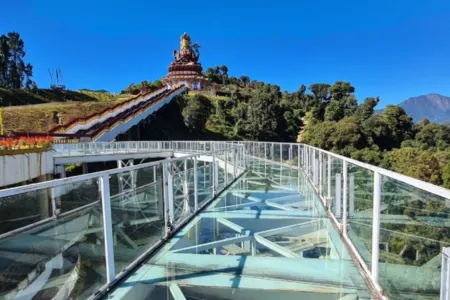
    Immerse yourself in the untouched beauty of the Eastern Himalayas, covering Gangtok, Lachen, Lachung, Pelling, and Darjeeling. Experience the magic of Gurudongmar Lake, Yumthang Valley, the Pelling Sky Walk, and the sunrise at Tiger Hill. This curated tour is perfect for adventure lovers, photography enthusiasts, and peace seekers.

    Day 1: Arrival – Cellular Jail & Light & Sound Show

    Destination: Port Blair

    • Warm welcome at Veer Savarkar International Airport by our Tripjyada representative.
    • Transfer to your pre-booked hotel/resort and check-in.
    • In the evening, visit the historic Cellular Jail, an iconic landmark that echoes the struggles of India’s freedom fighters.
    • Witness the mesmerizing Light & Sound Show, narrating the jail’s history (show timings between 6:00 PM – 7:00 PM, subject to availability).
    • Please note: The vehicle will drop guests at the designated parking area near the jail; a short 200m walk is required to reach the entrance.
    • Utilize free time between the jail visit and show to explore the vibrant Marina Park and the Bayfront area, perfect for a relaxed stroll.

    Day 2: Port Blair – Havelock Island – Radhanagar Beach

    Destination: Havelock Island

    • Transfer to Port Blair Jetty for your scenic ferry journey to Havelock Island.
    • For early morning ferry departures, guests may request packed breakfast from the hotel (subject to hotel policy).
    • Upon arrival at Havelock, meet & greet by our local representative and transfer to your selected hotel/resort.
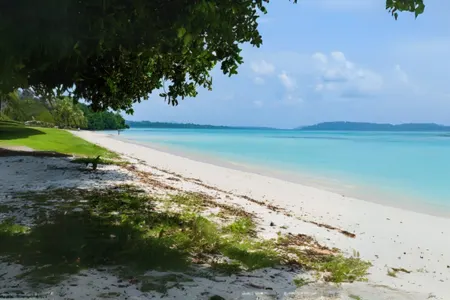
    • In the afternoon, visit the world-renowned Radhanagar Beach (Blue Flag Certified), known for its pristine white sands and turquoise waters.
    • Enjoy swimming and relaxation; carry changing clothes and a towel for convenience.
    • Wet clothing inside the vehicle is not allowed; please cooperate.
    • Optional Activity: Indulge in Candid Photography at an additional cost. Pre-booking is recommended, but our representative can also assist.

    Day 3: Havelock Island – Elephanta Beach Adventure

    Destination: Havelock Island

    • After breakfast, head to Elephanta Beach, also known as Coral Beach, via a shared boat ride (11-seater capacity).
    • Experience the thrill of Snorkeling, Jet Skiing, Banana Boat Rides, and Sea Walk.
    • Boat operators generally provide a complimentary 5-minute snorkeling session, though this is subject to availability.
    • Guests will be allotted a scheduled boat departure time a day prior and must be ready accordingly.
    • Remember to carry a water bottle, snacks, and changing clothes.
    • Important: In case of weather restrictions or unforeseen closures, an alternate visit to Kala Patthar Beach will be arranged or a refund for the activity will be provided.

    Day 4: Havelock – Port Blair – Leisure & Exploration

    Destination: Port Blair

    • After breakfast, check out from your hotel and proceed to the jetty for your return ferry to Port Blair.
    • Upon arrival, transfer to your hotel for a relaxing day.
    • Guests can opt for additional sightseeing (at an extra cost), including visits to Corbyn’s Cove Beach, Chidiya Tapu, Wandoor Beach, Museums, or Parks, based on time and availability.
    • The day is also ideal for shopping for local souvenirs, handicrafts, and pearls.

    Day 5: Departure from Port Blair

    • After breakfast, check out from the hotel and transfer to the airport for your return flight.
    • Important: Port Blair airport experiences high traffic; it is advisable to reach at least 2 hours before departure to avoid any last-minute rush.
    • Tripjyada wishes you a memorable journey and hopes to welcome you again! I

    Tripjyada – Your Trusted Partner for Unforgettable Journeys!

    Most Sold Packages

  • Enchanting Darjeeling 4-Day Himalayan Escape

    Enchanting Darjeeling 4-Day Himalayan Escape

    Darjeeling & Gangtok Tour 2

    Shillong – Cherrapunjee – Dawki – Guwahati

    3N/4D

    Hotels

    Transport

    Sightseeing

    Meals

    Tour Package Description

    Escape to the breathtaking hills of Darjeeling with this immersive 4-day journey. Witness the spectacular sunrise over Mt. Kanchenjunga from Tiger Hill, explore the colonial charm of Darjeeling town, visit serene monasteries, and take in the beauty of lush tea gardens. Enjoy a day trip to Mirik Lake, shop at the vibrant Pashupati Market on the Indo-Nepal border, and soak in the tranquility of this Himalayan retreat. A perfect getaway for nature lovers and adventure seekers!

    Itinerary: 4-Day Darjeeling Tour

    Day 1: Arrival – Bagdogra Airport to Darjeeling (70 km, 3 hrs)

    • Meet & greet at Bagdogra Airport / NJP Railway Station.
    • Scenic drive to Darjeeling through lush tea gardens.
    • Check in at the hotel & enjoy leisure time exploring the local streets.
    • Optional: Evening stroll at Mall Road and savor a cup of Darjeeling tea.
    • Overnight: Darjeeling

    Day 2: Darjeeling Full-Day Sightseeing

    • Early morning visit to Tiger Hill to witness a mesmerizing sunrise over Mt. Kanchenjunga.
    • Stop by Ghoom Monastery, the oldest monastery in Darjeeling, home to a majestic 15ft Buddha statue.
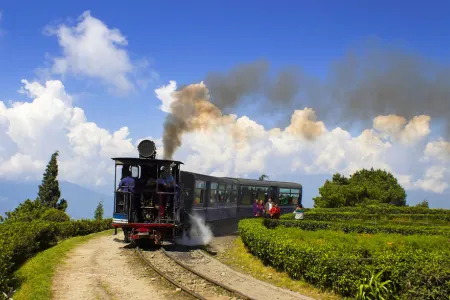
    • Explore the Batasia Loop, offering panoramic views of the Darjeeling Himalayan Railway.
    • Return to the hotel for breakfast.
    • Post breakfast, visit the Himalayan Mountaineering Institute (closed on Thursdays), established by Tenzing Norgay.
    • Explore Padmaja Naidu Zoological Park (closed on Thursdays), home to rare Himalayan wildlife.
    • Visit the Tibetan Refugee Centre (closed on Sundays) and learn about Tibetan culture.
    • Enjoy a photo stop at Tenzing Rock/Gombu Rock.
    • Marvel at the beauty of Darjeeling Tea Estates (view from outside).
    • Find inner peace at the Japanese Peace Pagoda.
    • Note: Tiger Hill entry is subject to availability due to permit restrictions (600 cabs per day).
    • Overnight: Darjeeling

    Day 3: Darjeeling to Mirik & Pashupati Market Excursion (100 km, 6 hrs round trip)

    • Start your day with a scenic drive to Mirik Lake, a serene man-made lake surrounded by lush tea gardens.
    • Walk along the 3.5 km promenade around the lake & explore the 80 ft-long arched bridge.
    • Visit Simana Viewpoint, offering breathtaking Indo-Nepal border views.
    • Enjoy the aroma of cardamom plantations and tea estates en route.
    • Stop at Pashupati Market (Indo-Nepal Border) for shopping (Indian nationals only, valid ID required).
    • Return to Darjeeling by evening and relax.
    • Overnight: Darjeeling

    Day 4: Departure – Darjeeling to Bagdogra (70 km, 3 hrs)

    • Enjoy breakfast at the hotel.
    • Transfer to Bagdogra Airport/NJP Railway Station with unforgettable memories of Darjeeling. Instagram

    Inclusions

    Exclusions

    Most Sold Packages

  • Enchanting Darjeeling 3-Day Himalayan Escape

    Enchanting Darjeeling 3-Day Himalayan Escape

    Darjeeling & Gangtok Tour 2

    Shillong – Cherrapunjee – Dawki – Guwahati

    3N/4D

    Hotels

    Transport

    Sightseeing

    Meals

    Embark on a short yet mesmerizing journey to Darjeeling, the Queen of Hills, where colonial charm meets breathtaking Himalayan beauty. This 3-day itinerary takes you through misty landscapes, world-famous tea gardens, and cultural landmarks. Witness an awe-inspiring sunrise over Mt. Kanchenjunga, stroll along the scenic Mall Road, and immerse yourself in the rich heritage of the Darjeeling Himalayan Railway. Whether you are a nature lover, a photography enthusiast, or simply seeking a peaceful retreat, this tour promises an unforgettable escape. Instagram

    3-Day Darjeeling Tour Itinerary

    Day 1: Arrival – Bagdogra Airport to Darjeeling(70 km, 3 hrs)

    • Warm welcome at Bagdogra Airport / NJP Railway Station by our representative.
    • Enjoy a scenic drive through lush green tea estates and winding mountain roads.
    • Check in at the hotel and relax.
    • Spend the evening at leisure, exploring the vibrant Mall Road & Chowrasta, savoring local delicacies, or simply enjoying the cool mountain breeze.
    • Overnight: Darjeeling

    Day 2: Darjeeling Full-Day Sightseeing

    • Sunrise at Tiger Hill – Witness the golden hues of sunrise over Mt. Kanchenjunga.
    • Visit Ghoom Monastery, home to a 15-ft statue of Maitreya Buddha.
    • Stop at Batasia Loop, a spiral railway track offering panoramic views.
    • Return to the hotel for breakfast.
    • Proceed for a city tour covering:
    1. Himalayan Mountaineering Institute – Established by Tenzing Norgay (Closed on Thursdays).
    2. Padmaja Naidu Zoological Park – Home to endangered Himalayan species (Closed on Thursdays).
    3. Tibetan Refugee Centre – Explore local handicrafts & Tibetan culture (Closed on Sundays).
    4. Tenzing Rock & Gombu Rock are famous climbing spots.
    5. Darjeeling Tea Estate – Enjoy the aroma of world-renowned Darjeeling tea (View from outside).
    6. Japanese Peace Pagoda – A serene spot offering stunning views of Darjeeling.
    • Note: Tiger Hill visit is subject to availability with limited passes issued daily by Sadar Traffic Office.
    • Overnight: Darjeeling

    Day 3: Departure – Darjeeling to Bagdogra(70 km, 3 hrs)

    • Enjoy breakfast at the hotel.
    • Drive to Bagdogra Airport / NJP Railway Station for your onward journey, carrying cherished memories of Darjeeling.

    Inclusions

    Exclusions

    Most Sold Packages

  • Bhutan Serenity 4N/5D Himalayan Retreat

    Bhutan Serenity 4N/5D Himalayan Retreat

    Tour Package 5-Day Himalayan Retreat

    Darjeeling & Gangtok Tour 2

    Shillong – Cherrapunjee – Dawki – Guwahati

    3N/4D

    Hotels

    Transport

    Sightseeing

    Meals

    Tour Package Description

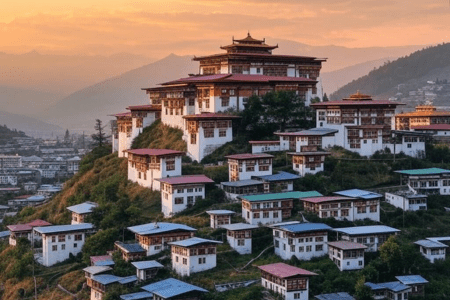
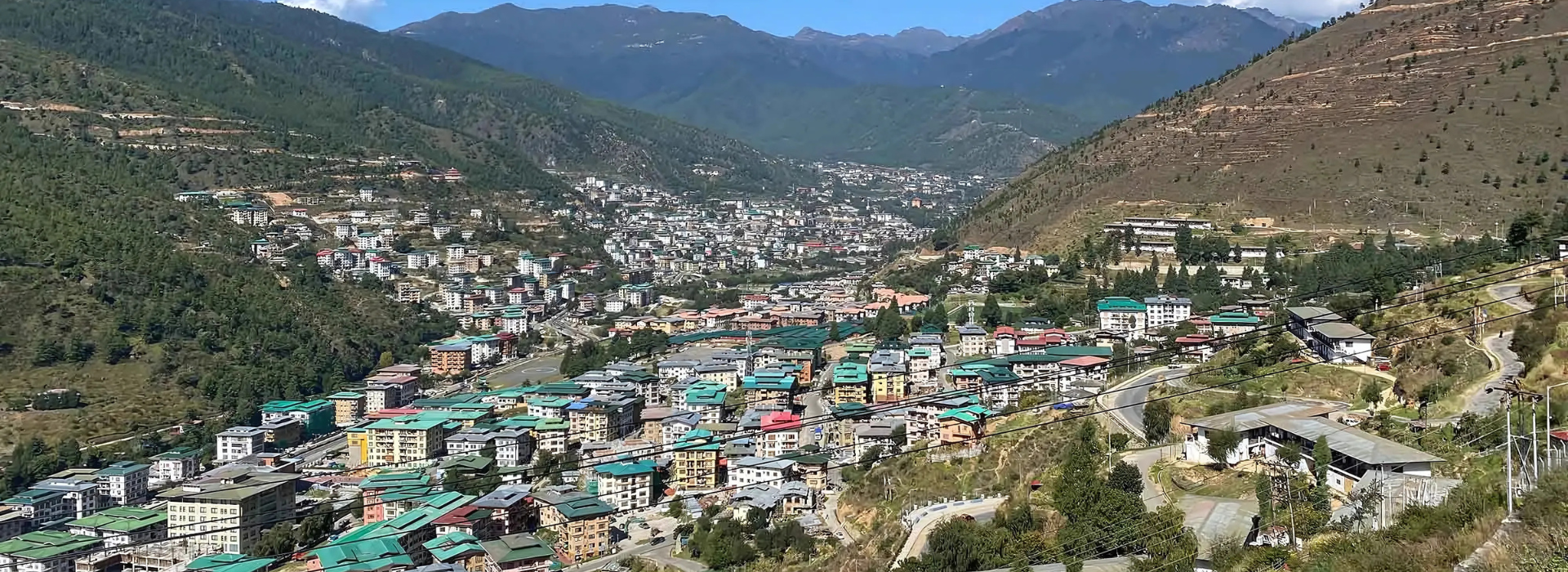
    Embark on a mesmerizing 5-day journey through the picturesque landscapes of Bhutan. This tour takes you through the capital city of Thimphu and the serene town of Paro, offering breathtaking views, ancient monasteries, and rich Bhutanese culture. Witness the grandeur of the Tiger’s Nest Monastery, explore sacred temples, and enjoy the peaceful ambiance of this Himalayan kingdom. Perfect for travelers seeking a blend of nature, spirituality, and adventure. Follow Instagram

    5-Day Bhutan Tour Itinerary

    Day 1: Arrival – Bagdogra to Phuentsholing

    • Pick up from Bagdogra Airport and transfer to Phuentsholing.
    • Meet and greet on arrival. Explore the local surroundings.
    • Overnight stay in Phuentsholing

    Day 2: Phuentsholing to Thimphu – En Route Sightseeing

    • After breakfast, process permits and drive to Thimphu.
    • Visit Kharbandi Gompa & Milarepa Lhakhang.
    • Enjoy scenic mountain views via Gedu (9,000 ft) and the Chukha Dam.
    • Stop at Wankha Waterfalls for a photo session.
    • Arrive in Thimphu, check-in at the hotel, and explore the city.
    • Overnight stay in Thimphu.

    Day 3: Thimphu to Paro – Local Sightseeing

    • Visit Handicraft Emporium, Simply Bhutan, Memorial Chorten, Buddha Point & Takin Reserve Centre.
    • Afternoon transfer to Paro via Chuzom, enjoying the scenic Wangchu River views.
    • Stop by the confluence of Paro, Haa, and Phuentsholing roads.
    • Visit Nya Mey Zam Bridge, Rinpung Dzong, and Tiger’s Nest Viewpoint.
    • Overnight stay in Paro.

    Day 4: Paro to Phuentsholing – Local Sightseeing & Transfer

    • Visit Nya Mey Zam Bridge, Rinpung Dzong, National Museum, and Kichu Lhakhang.
    • After sightseeing, transfer back to Phuentsholing.
    • Overnight stay in Phuentsholing.

    Day 5: Departure – Phuentsholing to Bagdogra

    • After breakfast, transfer to Bagdogra Airport for departure.

    Inclusions

    Exclusions

    Most Sold Packages

  • Bhutan Grand Explorer 10-Day Himalayan Retreat

    Bhutan Grand Explorer 10-Day Himalayan Retreat

    Darjeeling & Gangtok Tour 2

    Shillong – Cherrapunjee – Dawki – Guwahati

    3N/4D

    Hotels

    Transport

    Sightseeing

    Meals

    Tour Package Description

    Embark on a mesmerizing 10-day journey through the heart of Bhutan, where tradition meets tranquility. Explore the cultural wonders of Thimphu, the breathtaking landscapes of Paro, the sacred monastery of Tiger’s Nest, and the serene Phobjikha Valley. Witness stunning Himalayan views, visit historic monasteries, and immerse yourself in Bhutan’s vibrant culture. This tour is ideal for nature lovers, adventure seekers, and those eager to experience Bhutan’s rich heritage. Follow Instagram

    10-Day Bhutan Tour Itinerary

    Day 1: Arrival – Bagdogra to Phuentsholing

    • Pick-up from Bagdogra Airport and transfer to Phuentsholing.
    • Meet and greet on arrival. Explore the local surroundings.
    • Overnight stay in Phuentsholing.

    Day 2: Phuentsholing to Thimphu – En Route Sightseeing

    • After breakfast, process permits and drive to Thimphu.
    • Visit Kharbandi Gompa & Milarepa Lhakhang.
    • Enjoy spectacular mountain views via Gedu (9,000 ft) and a photo stop at Wankha Waterfalls.
    • Arrive in Thimphu and check in at the hotel.
    • Overnight stay in Thimphu.

    Day 3: Thimphu – Full-Day Sightseeing

    • Visit the National Library, Simply Bhutan, Memorial Chorten, Buddha Point, Changangkha Lhakhang, Tashichho Dzong, and Takin Reserve Centre.
    • Explore the Zorig Chusum School of 13 Traditional Arts and Crafts.
    • Overnight stay in Thimphu.

    Day 4: Thimphu to Punakha via Dochula Pass

    • Morning drive to Dochula Pass (3,150m) for breathtaking Himalayan views.
    • Visit Chimi Lhakhang, Pho Chu & Mo Chu Rivers, Punakha Dzong, and the Suspension Bridge.
    • Overnight stay in Punakha.

    Day 5: Punakha to Phobjikha – Sightseeing

    • Transfer to Phobjikha Valley, a vast U-shaped glacial valley.
    • Visit Gangtey Monastery, a 17th-century Buddhist monastery.
    • Explore the valley of Black-Necked Cranes, the winter home of these rare birds.
    • Overnight stay in Phobjikha.

    Day 6: Phobjikha to Paro – Transfer

    • Enjoy the stunning landscapes while transferring to Paro.
    • En route, visit Wangduephodrang Dzong and enjoy scenic views.
    • Overnight stay in Paro.

    Day 7: Paro – Chellela Pass Excursion

    • Drive to Chellela Pass (13,000 ft), the highest motorable road in Bhutan.
    • Witness panoramic views of Mt. Jhomolhari (22,000 ft).
    • Visit Kichu Lhakhang and the National Museum.
    • Overnight stay in Paro.

    Day 8: Paro – Tiger’s Nest Trekking

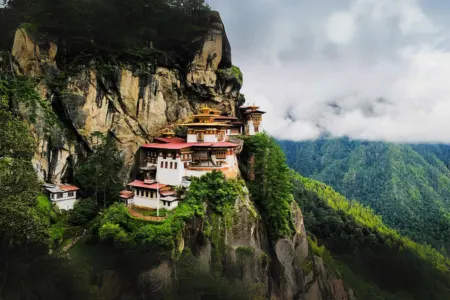
    • Morning trek to Tiger’s Nest Monastery (Taktsang Monastery) – a 6-hour round-trip hike.
    • Enjoy breathtaking views of the monastery perched on a cliff.
    • Overnight stay in Paro.

    Day 9: Paro to Phuentsholing – Local Sightseeing & Transfer

    • Visit Nya Mey Zam Bridge, Rinpung Dzong, National Museum, and Kichu Lhakhang.
    • Afternoon transfer to Phuentsholing.
    • Overnight stay in Phuentsholing.

    Day 10: Departure – Phuentsholing to Bagdogra

    • After breakfast, transfer to Bagdogra Airport for departure. Instagram

    Inclusions

    Exclusions

    Most Sold Packages

  • Bhutan Serenity 8-Day Himalayan Adventure

    Bhutan Serenity 8-Day Himalayan Adventure

    Darjeeling & Gangtok Tour 2

    Shillong – Cherrapunjee – Dawki – Guwahati

    3N/4D

    Hotels

    Transport

    Sightseeing

    Meals

    Tour Package Description

    Embark on an extraordinary 8-day journey through Bhutan, where cultural richness meets breathtaking natural landscapes. Explore the vibrant capital, Thimphu, the serene beauty of Punakha, and the charming town of Paro. Experience the stunning mountain views at Dochula Pass, trek to the iconic Tiger’s Nest Monastery, and witness the spectacular Himalayan vistas from Chele La Pass. This itinerary offers the perfect blend of adventure, culture, and spirituality, making it an ideal trip for nature lovers and explorers.

    8-Day Bhutan Tour Itinerary

    Day 1: Arrival – Bagdogra to Phuentsholing

    • Pick up from Bagdogra Airport and transfer to Phuentsholing.
    • Meet and greet on arrival.
    • Overnight stay in Phuentsholing.

    Day 2: Phuentsholing to Thimphu – En Route Sightseeing

    • After breakfast, process permits and drive to Thimphu.
    • Visit Kharbandi Gompa & Milarepa Lhakhang.
    • Enjoy breathtaking mountain views via Gedu (9,000 ft).
    • Stop at Wankha Waterfalls for a photo session.
    • Arrive in Thimphu and check in at the hotel.
    • Overnight stay in Thimphu.

    Day 3: Thimphu – Full Day Sightseeing

    • Visit the National Library, Simply Bhutan, and the National Memorial Chorten.
    • Explore Buddha Point, Changankha Lakhang, Tashichodzong (The Seat of Government).
    • Witness Bhutan’s national animal at the Takin Reserve Centre.
    • Visit Zorig Chusum School of 13 Traditional Arts and Crafts.
    • Overnight stay in Thimphu.

    Day 4: Thimphu to Punakha – Dochula Pass Sightseeing

    • Morning drive to Dochula Pass (3,150m) to witness stunning Himalayan views.
    • Visit Chimi Lhakhang, Pho Chu & Mo Chu Rivers, Punakha Dzong, and the Suspension Bridge.
    • Overnight stay in Punakha.

    Day 5: Punakha to Paro – En Route Sightseeing

    • Drive through the Wangchu River valley, passing scenic villages and landscapes.
    • Stop at the confluence of Chuzom, offering views of the Tachogang Temple.
    • Enjoy roadside sightseeing and transfer to Paro.
    • Overnight stay in Paro.

    Day 6: Paro – Full-Day Sightseeing

    • Visit Rinpung Dzong, the National Museum, and Kichu Lhakhang.
    • Explore the beautiful streets of Paro, visit local markets, and enjoy the serene surroundings.
    • Overnight stay in Paro.

    Day 7: Chele La to Phuentsholing – Sightseeing & Transfer

    • Drive to Chele La Pass (13,000 ft), Bhutan’s highest road pass, offering spectacular views of Mt. Jomolhari.
    • If time permits, visit Kichu Lhakhang and the National Museum.
    • Return to Paro and transfer to Phuentsholing.
    • Overnight stay in Phuentsholing.

    Day 8: Departure – Phuentsholing to Bagdogra

    • After breakfast, transfer to Bagdogra Airport for departure.

    Inclusions

    Exclusions

    Most Sold Packages

  • Discover Meghalaya: Tourist Places to Visit in Meghalaya in 2024

    Discover Meghalaya: Tourist Places to Visit in Meghalaya in 2024

    Do you ever wonder about the top places to visit in Meghalaya?

    Here in this blog, we are going to introduce you to the best places to visit in Meghalaya, that you shouldn’t miss during your Meghalaya tour.

    So, let’s dive into Meghalaya’s charm

    Located in the northeastern part of India, Meghalaya is a land of rolling hills, impressive valleys, and dense forests.

    This state is divided into three main regions: Khasi Hills, Jaintia Hills, and Garo Hills, each has its unique geographical and cultural identity.

    However, Meghalaya is often referred to as the “Abode of Clouds,” due to the misty hills and verdant landscapes.

    Not only this, but it has another name also

    During British rule, Shillong, the state’s capital and also one of the top places to visit in Meghalaya, was nicknamed the “Scotland of the East”.

    But why?

    It is due to its rolling hills and romantic climate that resemble the Scottish Highlands.

    Meghalaya is also renowned for its high rainfall, making it one of the wettest regions on Earth.

    Now, you have come to know a brief about Meghalaya. Now it is time to uncover the top places to visit in Meghalaya.

    So, are you ready?

    Top Places to Visit in Meghalaya

    Meghalaya offers a blend of natural beauty, cultural diversity, and adventure. From exploring the living root bridges in Cherrapunji to wandering through the sacred caves of Mawphlang, there is no shortage of captivating sights.

    So, whether you’re an adventure seeker, nature lover, or history enthusiast, Meghalaya has something unique to offer. Here are some of the best places to visit in Meghalaya, that make this place even more attractive than you imagine.

    1. Cherrapunji

    Cherrapunji, often regarded as one of the wettest places on Earth, is a town in the East Khasi Hills of Meghalaya.

    The town is famous for its Double Decker Living Root Bridges, created by the local Khasi tribe. Cherrapunji is also home to the sparkling Nohkalikai Waterfalls, which is the tallest plunge waterfall in India.

    The Mawsmai Cave, with its captivating limestone formations, and the Seven Sisters Falls, also add to the charm of this beautiful destination.

    Specialty: One of the wettest places on Earth.

    Attractions: Double Decker Living Root Bridges, Nohkalikai Waterfalls, Mawsmai Cave, Seven Sisters Falls.

    2. Balpakram National Park

    Balpakram National Park, located in the Garo Hills of Western Meghalaya, is a paradise for nature enthusiasts and wildlife lovers. It is one of the most attractive places to visit in Meghalaya.

    Besides, this place is often compared to the Grand Canyon due to its stunning geological formations and its rich biodiversity.

    It also contains a variety of rare and exotic species, including the elusive Red Panda, Wild Buffalo, Marbled Cat, and Lesser Panda. Indian Bison can also be found roaming the park’s dense forests.

    Specialty: Rich biodiversity, often compared to the Grand Canyon.

    Attractions: Red Panda, Wild Buffalo, Marbled Cat, Lesser Panda, Indian Bison.

    3. Shillong

    Do you know which place is called the “Scotland of the East,”?

    It is Shillong, the capital of Meghalaya, serving as one of the best places to visit in Meghalaya.

    But why?

    It is due to its beautiful atmosphere and glorious environment along with rolling hills, and pine forests.

    The city also offers a blend of natural beauty and cultural experiences, with attractions like Shillong Peak, which provides cool views of the surrounding landscapes, and Ward’s Lake.

    Additionally, here the Don Bosco Museum offers insights into the rich cultural history of Northeast India, while Elephant Falls, a cascading waterfall is a favorite among visitors.

    Specialty: Known as the “Scotland of the East.”

    Attractions: Shillong Peak, Ward’s Lake, Don Bosco Museum, Elephant Falls.

    4. Elephant Falls

    Elephant Falls is one of the most popular places to visit in Meghalaya, which is known for its multi-tiered cascade that flows down through green forests.

    But do you know why a waterfall is named after an elephant?

    And

    Why it is considered one of the most attractive places to visit in Meghalaya?

    Ok, let me tell you

    Actually, the name “Elephant Falls” was derived from a rock nearby that resembled an elephant, although the rock was destroyed in an earthquake.

    The falls are best visited during the monsoon season when the water flow is at its peak, creating a stunning sight.

    You can also explore the different tiers of the waterfall through well-maintained footpaths and enjoy the soothing sounds of nature.

    So, are you excited to explore this wonder?

    Specialty: Majestic waterfall surrounded by lush greenery.

    Attraction: Multi-tiered cascade

    5. Double-Decker Living Root Bridge

    The Double-Decker Living Root Bridge in Cherrapunji is a remarkable example of man’s harmony with nature.

    Do you know, that this structure is created with the roots of the Ficus elastica tree?

    Yes.

    Originally it was a rubber plant, which was guided and manipulated over decades by the Khasi people to form strong, natural bridges.

    Also, the design of the bridge is quite attractive, acting as a symbol of the sustainable practices of the local tribes.

    Although the trek to the bridge can be challenging, the reward is an adventurous experience, walking across a living structure surrounded by tropical rainforest.

    Specialty: A unique natural bridge made from the roots of an Indian rubber tree.

    Attraction: A bridge made with roots

    6. Don Bosco Museum

    The next one is the Don Bosco Museum in Shillong. It is a treasure trove of cultural artifacts, showcasing the rich history and heritage of Northeast India, making it one of the best places to visit in Meghalaya.

    It is spread over seven floors and the museum contains a vast collection of artifacts, textiles, tools, and weapons from various tribes across the region.

    Besides, the museum’s galleries offer a deep dive into the diverse cultures, traditions, and lifestyles of the indigenous communities.

    In addition to this, it also features unique exhibits and a skywalk that provides panoramic views of Shillong.

    The Don Bosco Museum is not just a museum but a cultural hub, offering insights into the vibrant and colorful history of the Northeast.

    Specialty: Showcases the cultural history of Northeast India.

    7. Kyllang Rock

    Next is Kyllang Rock, which is located in the West Khasi Hills near Shillong.

    It is a massive granite formation that rises majestically from the surrounding landscape. This giant dome-shaped rock is estimated to be millions of years old and offers panoramic views of the faraway hills and valleys below.

    The rock is surrounded by dense forests, and home to a variety of plants and animals, including rare orchids and bird species.

    Besides, it is also a popular spot for trekking and rock climbing, offering adventure enthusiasts a thrilling experience in the heart of nature., making this place as one of the places to visit in Meghalaya.

    Specialty: A giant rock formation offering panoramic views.

    1. Mawlynnong Village

    The next one is the Mawlynnong Village, often referred to as the “Cleanest Village in Asia,”.

    Located in the East Khasi Hills, this village is known for its fine cleanliness, well-maintained pathways, and eco-friendly practices.

    The villagers have taken great pride in keeping their surroundings neat and clean, earning Mawlynnong international recognition.

    Beyond its cleanliness, the village is also famous for its scenic beauty, with greenery, flowering gardens, and stunning views of the Bangladesh plains.

    You can also explore the village’s Living Root Bridges, bamboo treehouses, and experience the warm hospitality of the Khasi people. All these make this area one of the places to Visit in Meghalaya.

    Specialty: Cleanest village in Asia with beautiful landscapes.

    9. Baghmara

    Let’s move to a place, that you can’t exclude from your places to visit in Meghalaya list.

    But why?

    Let’s see the place with its charm

    It is Baghmara, located in the South Garo Hills of Meghalaya, and is a haven for wildlife enthusiasts and adventure seekers.

    The town is surrounded by dense forests, and it offers home to a variety of exotic species, including elephants, red pandas, and a wide array of birdlife.

    This place is also famous for its limestone caves, such as the Siju Cave, known for its unique formations and underground streams, making it an ideal destination for those looking to explore the natural beauty of Meghalaya.

    Additionally, the nearby Simsang River offers opportunities for fishing and boating, adding to the town’s charm.

    Specialty: Wildlife haven with exotic species and limestone caves.

    10. Nohkalikai Falls

    Now it’s Nohkalikai Falls, located near Cherrapunji, is one of the most dramatic waterfalls in India.

    Do you know that Nohkalikai waterfall is the tallest waterfall in India?

    Yes, this is right

    It has a height of 1,115 feet, known as the tallest plunge waterfall in the country.

    Besides, there is a story related to its name?

    Are you interested in that?

    Ok. I’ll tell you

    Originally, this waterfall is named after a tragic local legend of a woman named Ka Likai, who, in despair, threw herself off the cliff, giving the falls its name, which translates to “Jump of Ka Likai.”

    Nohkalikai Falls looks best during the monsoon season for its strong currents.

    Specialty: Tallest plunge waterfall in the country.

    11. Mawsmai Cave

    Let’s move to another best places to visit in Meghalaya.

    It is Mawsmai Cave, which is a limestone cave. It allows you to experience its narrow passages, impressive stalactites, stalagmites, and intricate natural formations.

    The cave is well-lit, making it accessible for visitors, but it still retains an air of mystery and adventure. Also, the cave is part of a network of underground caves in the region, each with its own unique features.

    Specialty: A thrilling underground cave with rich vegetation.

    12. Umiam Lake

    Move to Umiam Lake, known as Barapani, is a man-made reservoir located just 15 kilometers north of Shillong. It also serves as one of the best places to visit in Meghalaya.

    It is surrounded by hills and dense forests; the lake is a popular destination for both locals and tourists. You can also enjoy here water-based activities, including boating, kayaking, and water sports. It makes it a favorite spot for adventure seekers.

    Besides, the tranquil environment and stunning views, particularly during sunrise, provide a perfect setting for relaxation and photography.

    Specialty: A picturesque man-made reservoir surrounded by green hills.

    13. Tura

    The next one is Tura, which is located in the West Garo Hills of Meghalaya, is a town known for its rich cultural heritage and natural beauty.

    This place is packed with dense forests and rolling hills, offering a tranquil escape from the hustle and bustle of city life.

    In addition to this, the town contains a diverse range of wildlife, including elephants, leopards, and a variety of bird species, making it a popular destination for wildlife enthusiasts.

    Also, the nearby Nokrek National Park, a UNESCO Biosphere Reserve, is a major attraction, known for its dense forests and rare species.

    To make your journey more adventurous, you shouldn’t exclude it from one of your places to visit in Meghalaya list.

    Specialty: Serene environment and rich wildlife.

    14. Jowai

    Jowai, the scenic town located in the West Jaintia Hills of Meghalaya, is known for its stunning landscapes, waterfalls, and cultural heritage.

    The town is surrounded by green-covered hills, with the Tyrshi Falls being one of the major places to visit in Meghalaya.

    Jowai is also famous for its ancient monoliths, such as those found in Nartiang, which offer a glimpse into the region’s rich history.

    Specialty: Scenic town known for waterfalls and monoliths.

    Attractions: Tyrshi Falls, Nartiang Monoliths, Syntu Ksiar.

    15. Dawki

    Dawki is a small town near the India-Bangladesh border, renowned for the crystal-clear waters of the Umngot River. The river’s clarity is so exceptional that boats appear to float on air, making it a popular spot for photography and boating.

    Dawki is also an important trade route between India and Bangladesh, adding a unique cultural blend to the area.

    So, if you want to make your Meghalaya tour more attractive, then don’t forget to consider this place as one of the best places to visit in Meghalaya.

    Specialty: Famous for the crystal-clear Umngot River.

    Location: Near the India-Bangladesh border.

    16. Williamnagar

    Williamnagar, the headquarters of the East Garo Hills district, is a town rich in history and natural beauty.

    Situated along the banks of the Simsang River, Williamnagar is surrounded by deep forests and offers a serene environment for visitors.

    The town is known for its historical significance, which reminds us of the battles fought during the Garo rebellion against the British.

    Nearby attractions include the Domre Falls and the serene landscapes of the Nokrek Biosphere Reserve, which is home to a variety of wildlife and exotic flora.

    Williamnagar’s blend of history, culture, and natural beauty makes it one of the unique places to visit in Meghalaya.

    Specialty: Rich in history and natural beauty.

    Attractions: Simsang River, Domre Falls.

    17. Laitlum Canyon

    Laitlum Canyon, located near Shillong, is one of the most breathtaking places to visit in Meghalaya. The name “Laitlum” translates to “end of the hills,” and the canyon lives up to its name, offering panoramic views of deep gorges, rolling hills, and distant villages.

    The area is considered the best place for trekkers and nature lovers as it has trails that lead through wide landscapes, offering spectacular views at every turn.

    The tranquil atmosphere and the deep beauty of the canyon, especially during sunrise and sunset, make it a perfect spot for photography and meditation.

    Specialty: Offers views of the surrounding valleys.

    18. Mawsynram

    Do you love to see distant rains in the lap of mountains?

    Everybody loves this

    Right?

    Here Mawsynram holds the title of the wettest place on Earth, with its wide green landscapes and strong rainfall creating a paradise for nature lovers.

    This village, located in the East Khasi Hills, is known for its dense forests, picturesque waterfalls, and unique geological formations.

    One of the main attractions in Mawsynram is the Mawjymbuin Cave, which features a naturally formed Shiva Lingam, attracting both tourists and devotees.

    Always remember to include this place as one of the best places to visit in Meghalaya list.

    Specialty: Wettest place on Earth with lush green landscapes.

    Attractions: Mawjymbuin Cave, waterfalls, and green meadows.

    19. Mawphlang Sacred Forest

    Mawphlang Sacred Forest, located about 25 kilometers from Shillong, is a place of deep cultural and ecological significance.

    The forest is considered sacred by the Khasi tribe, and ancient rituals are still performed here to honor the forest spirits.

    Mawphlang is also a biodiversity hotspot, home to a wide variety of rare plants, medicinal herbs, and ancient trees, making it one of the best places to visit in Meghalaya.

    Specialty: Sacred forest with ancient rituals and biodiversity.

    These are the places to visit in Meghalaya that you must explore during your Meghalaya tour.

    So, which places do you explore first? Instagram