Tripjyada CMS Staging

Blog

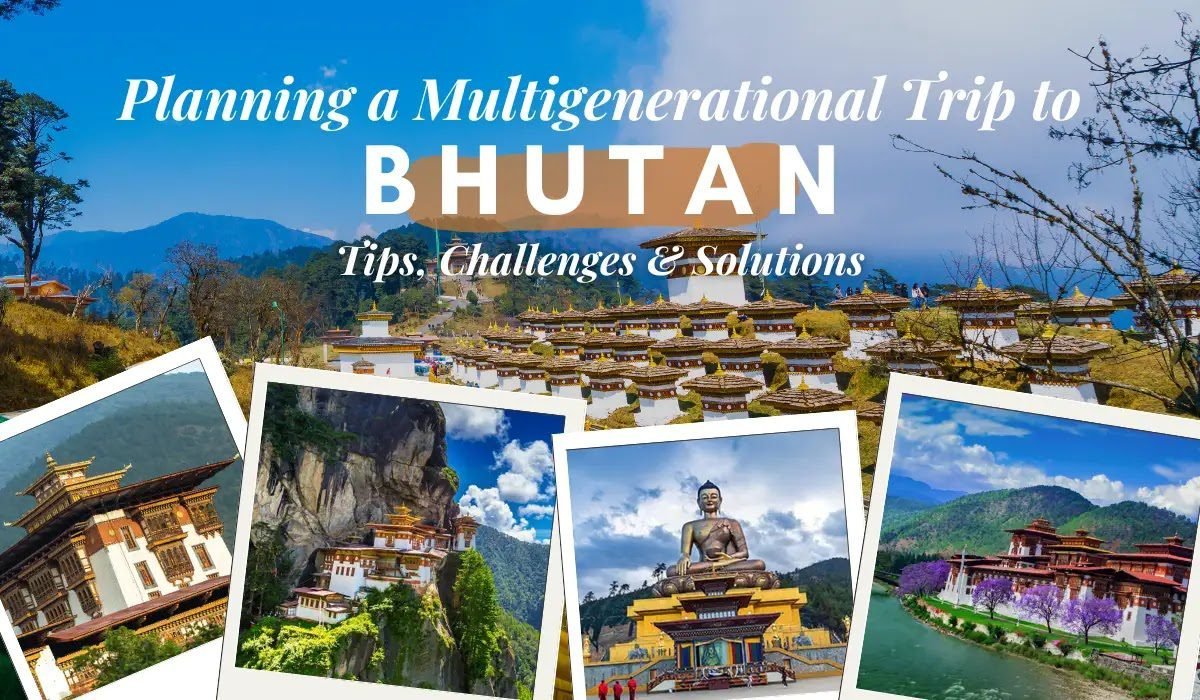
  • Planning a Multigenerational Trip to Bhutan: Tips, Challenges & Solutions

    Bhutan offers a unique blend of tranquillity, culture, and natural beauty, making it an ideal destination for travellers of all ages. Whether it’s your child’s first international trip or your parents’ dream spiritual getaway, Bhutan’s welcoming people, clean environment, and peaceful pace create a perfect setting for family bonding. Planning a Trip to Bhutan? Check out the most popular and exclusive Bhutan Tour Packages for your next adventure. 

    Key Highlights: 

    • A safe and clean environment suitable for children and the elderly
    • A spiritual and cultural richness that engages all generations
    • Slow-paced tourism, giving everyone time to enjoy without stress
    • No traffic chaos or commercialisation, creating a calm, immersive experience
    • English is widely spoken, reducing communication barriers for all age groups
    • Low crime rate, making it one of the safest countries in Asia for family travel

    Common Challenges & Expert Solutions

    1. Mobility Issues for Seniors


    Challenge: Bhutan has hilly terrain, and many of its heritage sites require walking or climbing.

    Solution:

    • Request ground-floor rooms or lifts in hotels
    • Avoid steep hikes and opt for gentle nature walks or scenic drives
    • Use private transport with minimal walking distance
    • Let travel planners (like Tripjyada) create senior-friendly itineraries
    • Provide walking sticks or portable stools for longer stops


    1. Children’s Boredom During Cultural Tours


    Challenge: Long temple visits and drives may bore younger kids

    Solution:

    • Include fun, interactive experiences such as:

          Archery demonstrations (Bhutan’s national sport)

          Local dress-up and family photo sessions

          Farm visits or animal petting

          Visit to local schools for cultural interaction

    • Carry engaging travel kits: puzzles, books, colouring sets
    • Plan breaks in parks or scenic spots where kids can roam freely


    1. Varying Energy Levels


    Challenge: Younger adults want to explore, and elders may need rest

    Solution:

    • Build flexibility into your itinerary
    • Include some half-day tours and reserve afternoons for leisure
    • Split activities when needed: younger adults explore while elders relax
    • Include group bonding activities like picnics or storytelling nights
    • Use adjustable-pace tours so nobody feels rushed or left behind


    1. Food Preferences


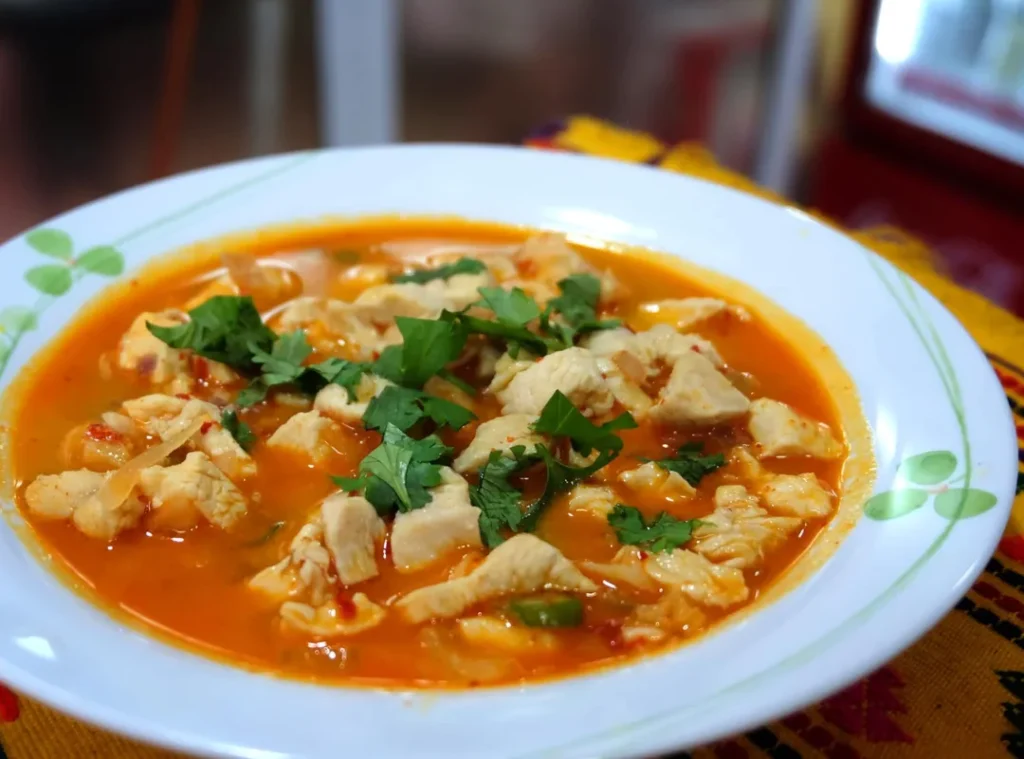
    Challenge: Bhutanese food is often spicy and unique, which might not suit everyone

    Solution:

    • Opt for hotels with multi-cuisine restaurants
    • Tripjyada ensures the availability of Indian and continental options
    • Carry dry snacks or instant food for picky eaters
    • Inform your tour operator about dietary restrictions beforehand
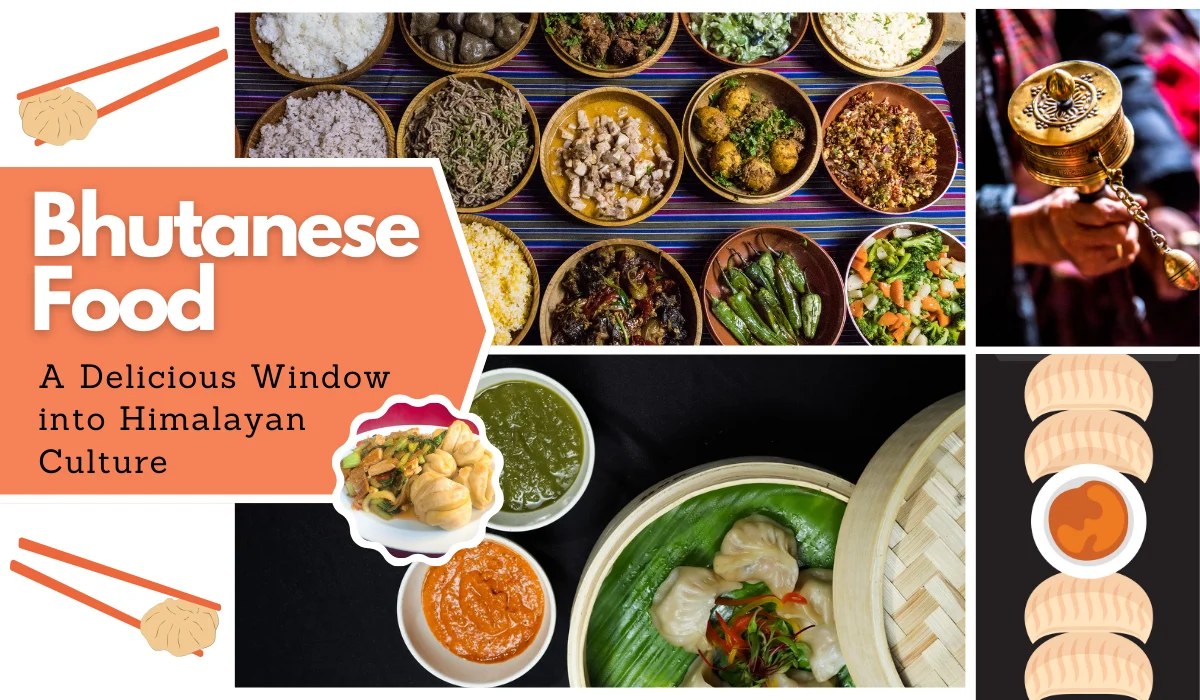
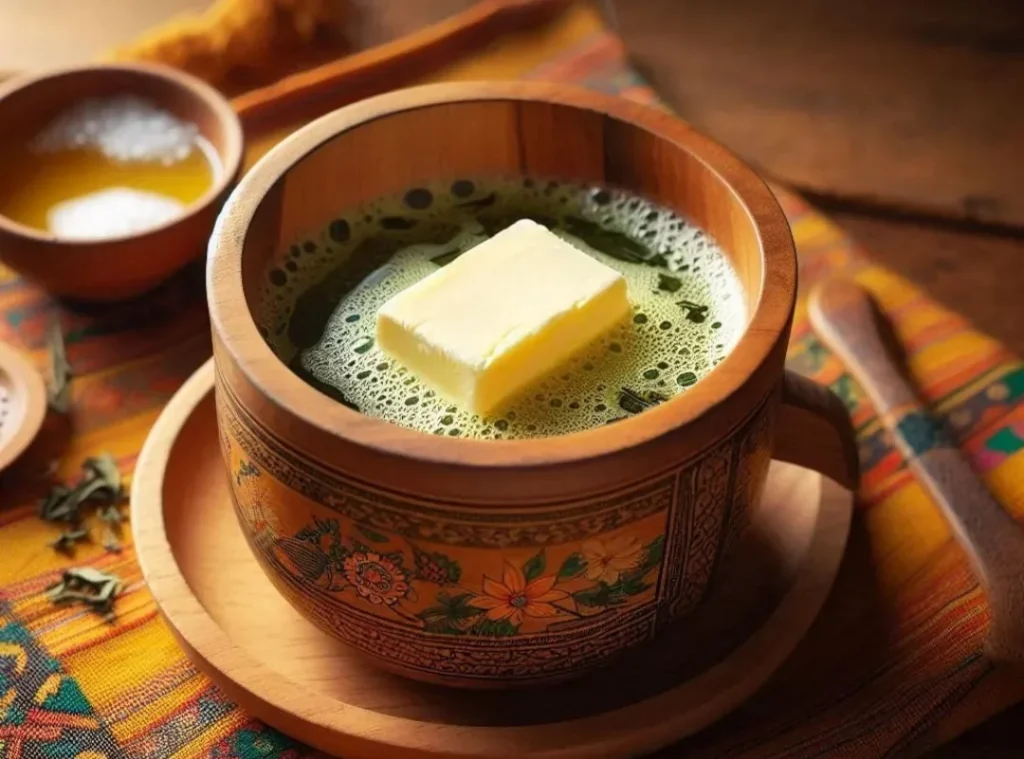
    • Visit markets together and try local sweets, momos, and butter tea

    Read more…Best Indian Restaurants in Bhutan for Authentic Flavours.


    1. Connectivity and Digital Needs


    Challenge: The Internet in remote areas can be unreliable

    Solution:

    • Stay connected in cities like Thimphu and Paro with hotels offering Wi-Fi
    • Buy a local SIM card with a data pack
    • Encourage a digital detox as part of the Bhutan experience
    • Download offline maps and travel apps before the journey


    1. Altitude Sickness


    Challenge: High altitude in certain areas may cause discomfort

    Solution:

    • Acclimatise gradually, starting from Thimphu
    • Avoid strenuous activity on the first day
    • Stay hydrated and well-rested
    • Carry prescribed medications; consult a doctor before travel
    • Tripjyada will plan an altitude-safe route for seniors and children
    • Watch out for signs like nausea and headaches, and take action early

    10 Expert Travel Tips for a Successful Bhutan Family Vacation

    Planning a multigenerational trip to Bhutan requires thoughtful coordination. Here are 10 actionable tips to ensure everyone enjoys the journey:

    1. Book Private Transport

    A dedicated vehicle allows flexibility, spontaneous stops, and convenience for elderly family members who may need breaks more often.

    1. Opt for Family-Friendly Hotels

    Look for hotels with elevators, ground-floor rooms, and multi-cuisine options to accommodate dietary needs and accessibility concerns.

    1. Schedule Downtime in Itinerary

    Don’t overpack your itinerary. Include rest periods so that seniors and kids can recharge while others explore or relax.

    1. Travel in Ideal Seasons

    Spring (March-May) and Autumn (September-November) offer pleasant weather, fewer roadblocks, and vibrant cultural festivals suitable for all ages.

    1. Involve Everyone in Planning

    From the youngest to the oldest, ask everyone for their “must-do” experiences. It builds anticipation and ensures inclusivity.

    1. Pack a Family Essentials Kit

    Include medicines, reusable water bottles, band-aids, dry snacks, wet wipes, power banks, and chargers to avoid last-minute hassle.

    1. Hire a Local Tour Guide

    A knowledgeable local guide bridges the cultural gap and handles real-time changes based on group needs.

    1. Include Fun Activities

    Blend culture with fun—try archery, attend local dance shows, take family photos in traditional dress, or join a momo cooking class.

    1. Don’t Skip Health Consultations

    Discuss altitude and travel readiness with your family doctor, especially for kids, elderly members, or those with respiratory issues.

    1. Capture and Cherish Memories

    Assign a “family photographer” or create a shared album. These moments become timeless stories for generations to come.

    Top Family-Friendly Destinations in Bhutan

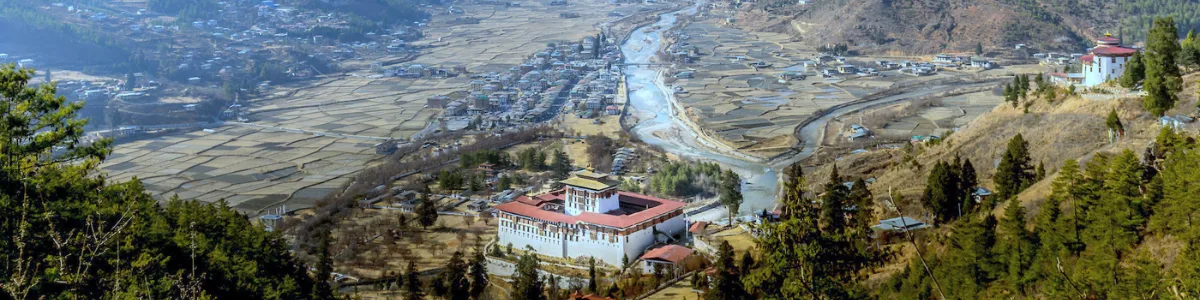
    1. Paro
    • Ideal for families with its scenic beauty, traditional culture, and easy sightseeing
    • Home to Tiger’s Nest (for those who can hike), Paro Dzong, and local markets
    • Plenty of cafés, handicraft stores, and viewpoints suitable for all ages


    1. Thimphu
    • Bhutan’s capital with museums, the Buddha Dordenma statue, and shopping options
    • Offers good medical facilities and accessibility for seniors
    • Kids love the Folk Heritage Museum and the Takin Zoo


    1. Punakha
    • Warm valley, easier climate, stunning Dzongs, and riverside walks
    • Gentle rafting (safe for older kids and younger adults)
    • Beautiful suspension bridges and rice paddies create photo-worthy memories


    1. Phobjikha Valley (Optional)
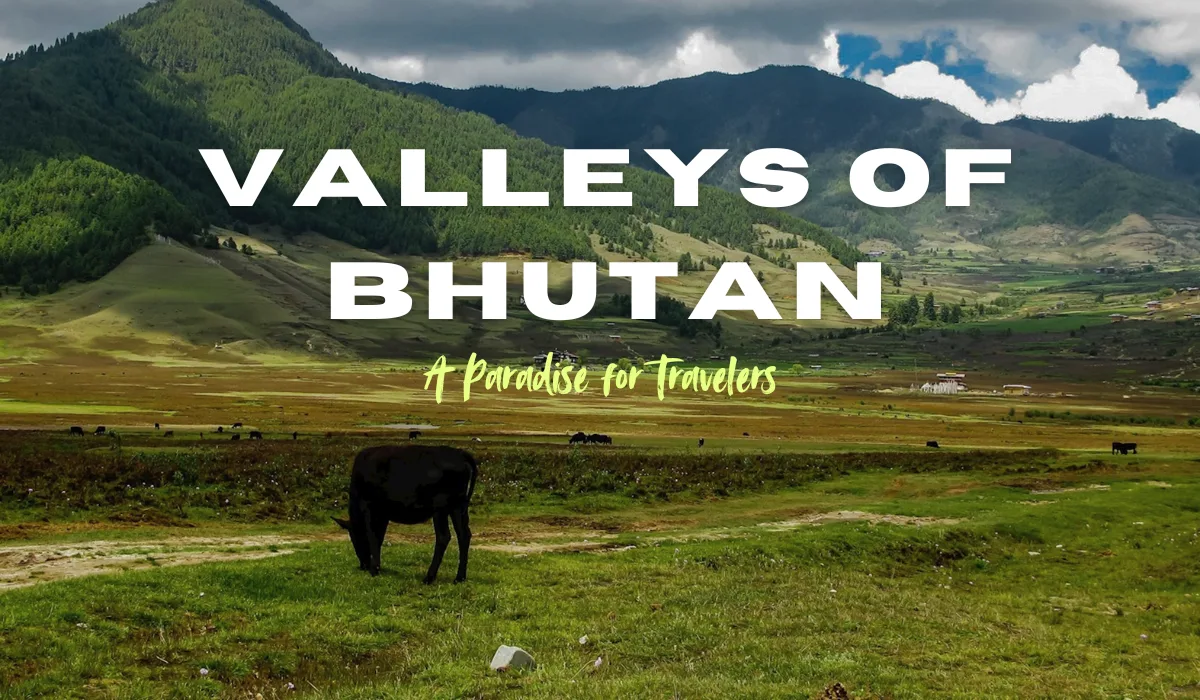
    • Quiet, wide valley with nature trails and black-necked cranes in winter
    • Ideal for slow-paced family travel and nature lovers
    • Home-stay style experiences allow cultural immersion


    1. Haa Valley (Optional)
    • Offbeat and peaceful, with local farm stays and homestay experiences
    • Not advisable in winter for seniors due to the cold and limited connectivity
    • Best enjoyed in spring/summer with fresh air and open spaces.

    Read More… Places to visit in Bhutan

    What Makes Bhutan Spiritually Enriching for Families

    • Learn about Gross National Happiness (GNH) together
    • Witness Buddhist traditions, chants, and prayer flag rituals
    • Participate in meditation sessions with monks
    • Attend a Masked Dance Festival if visiting during festive months
    • Embrace simplicity and gratitude as a shared family value
    • Explore spiritual sites like Chimi Lhakhang (Fertility Temple) and sacred stupas


    Why Choose Tripjyada for Your Multigenerational Bhutan Tour?

    Tripjyada understands the needs of diverse age groups and creates:

    • Custom itineraries that balance rest and exploration
    • Age-friendly hotel bookings and accessible transport
    • Private local guides who cater to family dynamics
    • Emergency support and travel flexibility
    • Coordinated family experiences: bonfires, storytelling, and photo stops
    • Local expertise to suggest the best experiences for each age group

    Let us take care of the logistics while you focus on making memories.

    A Trip to Remember

    A multigenerational trip to Bhutan is more than a vacation; it’s a beautiful opportunity to reconnect as a family in a place where peace lives in the air. With the right planning, every age group will leave Bhutan feeling richer, lighter, and closer.

    Escape to the Hills with Our Exclusive Sikkim & Darjeeling Tour Packages!
    From misty tea gardens to snow-kissed peaks, discover the beauty of the Eastern Himalayas with comfort and care.

    Travel stress-free with our in-house cab service, Northeast Cab, offering expert local drivers and well-maintained vehicles for a smooth, scenic ride.

    • Customizable itineraries
    • Affordable packages
    • Trusted local experience

    Book your Sikkim–Darjeeling getaway today and let us handle the rest!

    Bhutan teaches us to slow down, breathe, and appreciate moments together. Whether it’s a quiet walk near a monastery or a shared laugh over momo-making, the memories you make here will stay forever.


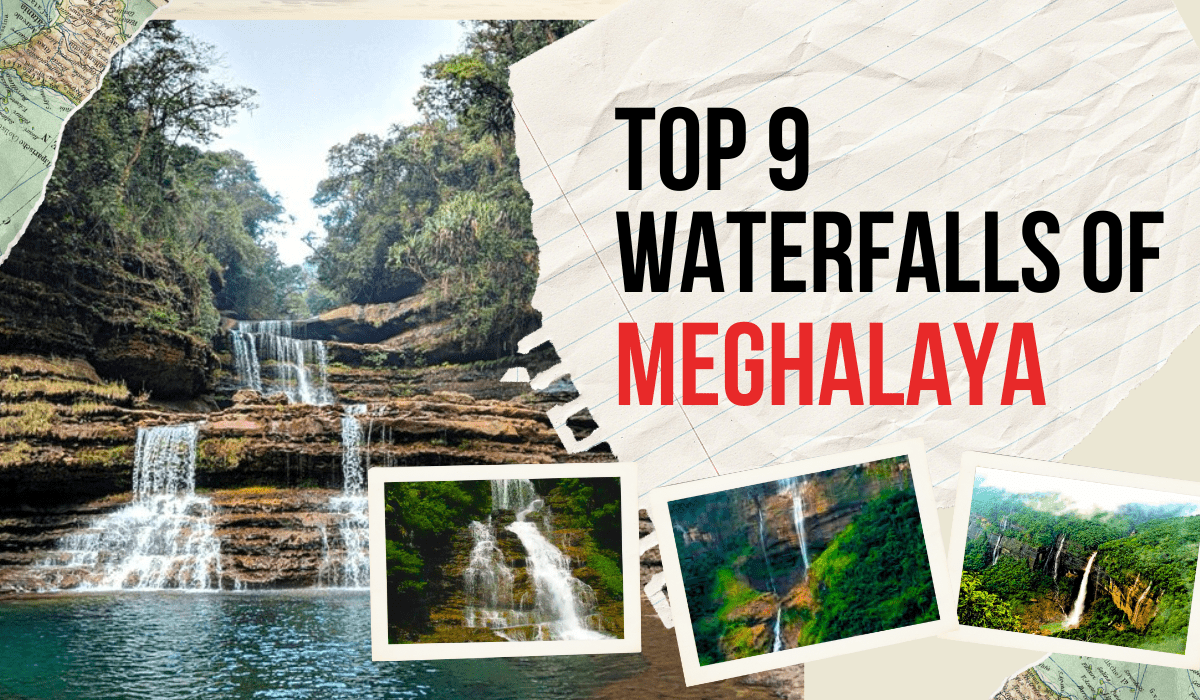
  • Meghalaya’s Waterfalls: Your Passport to Liquid Magic in Northeast India

    Meghalaya’s Waterfalls: Your Passport to Liquid Magic in Northeast India

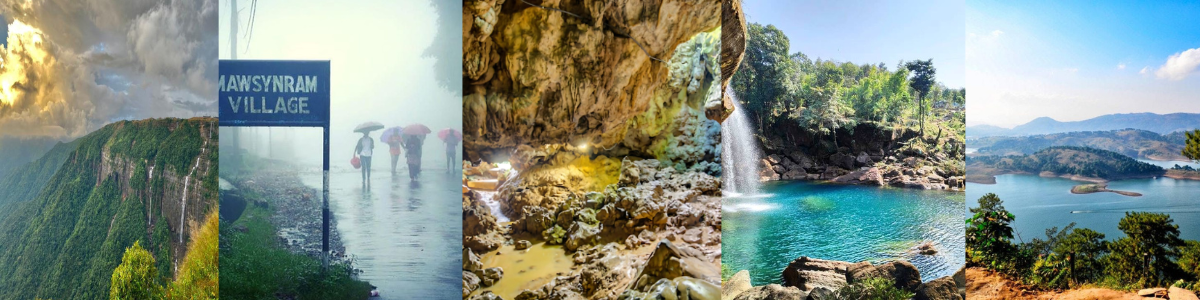
    Imagine yourself standing on a precipice, the roar of a thousand rivers singing in your ears, and the mist kissing your face. Down below, a pool of green so deep it seems like a portal has been crashed into by a shimmering water curtain. Rainbows fly across the spray like timid dancers, greetings from Meghalaya, where waterfalls perform rather than merely cascade.

    Nicknamed the “Abode of Clouds,” Meghalaya is a waterfall chaser’s fantasy land. With some of the world’s highest rainfall, ancient forests, and misty hills, this Northeastern jewel hides secret streams, roaring giants, and cascades straight out of fairy tales. But here, waterfalls aren’t just about beauty, they are woven into Khasi and Jaintia legends, breathing stories into every drop.

    Let’s take a journey through Meghalaya’s most mesmerizing waterfalls, where each one is waiting to leave you spellbound.

    1. Nohkalikai Falls

    location: Cherrapunji (Sohra)

    Height: 1,115 ft (Tallest plunge waterfall in India)

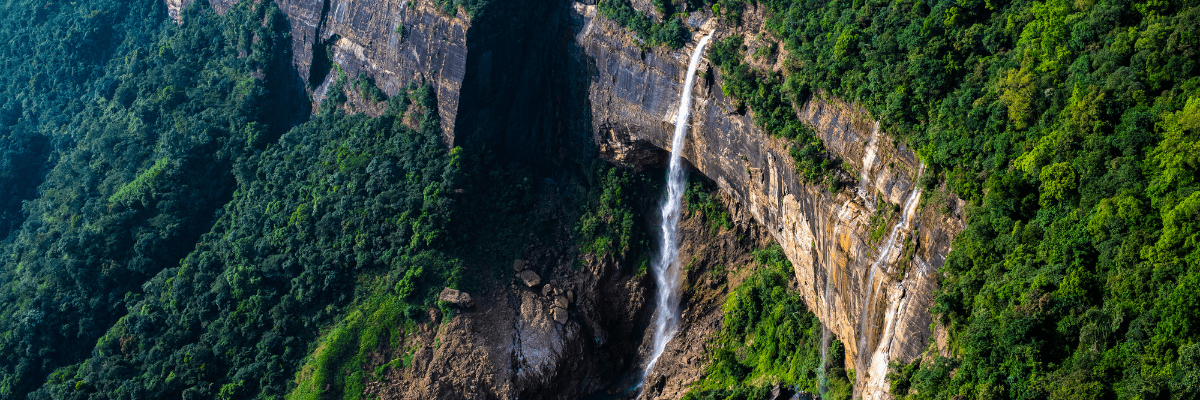
    Nohkalikai Falls

    Standing before Nohkalikai is an experience you’ll never forget. You feel tiny in the best way. The story behind its name is just as moving: a woman named Likai, devastated by personal tragedy, leaped from this cliff, and the falls are said to echo her sorrow. Visit at sunrise when golden light pierces through the mist, making the entire fall look like liquid gold pouring into a jade valley. During the monsoons, the water thunders down with such force that the ground vibrates under your feet; that’s nature’s way of commanding your awe.

    Travel Tip: The viewing gallery is an easy walk, but for a quieter experience, explore nearby trails that offer different perspectives of this majestic wonder.

    2. Seven Sisters Falls (Nohsngithiang Falls)

    Location: Mawsmai Village, Cherrapunji

    Seven Sisters WaterFalls

    Imagine seven streams of silver unraveling across a vast cliff face, each one chasing the other down into the abyss. That’s Seven Sisters Falls, a symbol of unity and beauty. These segmented waterfalls come alive during the monsoon when the rains feed them into full-blown torrents. Locals say it represents the seven states of Northeast India, a natural tribute to the region’s rich diversity.

    Travel Tip: Go during sunset. The orange-pink skies reflecting on the water curtains create a surreal painting you won’t want to leave.

    3. Elephant Falls

    Location: 12 km from Shillong

    Elephant WaterFalls

    Three beautiful tiers of water cascade down rocky steps, surrounded by thick greenery, a perfect blend of power and peace. Originally named after an elephant-shaped rock (sadly destroyed in an earthquake), Elephant Falls remains a favorite for both locals and travelers. It’s easily accessible and ideal for a relaxed half-day outing.

    Travel Tip: Visit during the rainy season for the full, roaring beauty. The falls are just a short drive from Shillong, so combine them with a city tour for a perfect day out.

    4. Wei Sawdong Falls

    Location: Hidden near Cherrapunji

    Wei Sawdong

    Wei Sawdong feels like a secret only the earth itself knows. After a moderately tough trek through slippery forest paths, you’ll find a three-step cascade pouring into pools of brilliant turquoise. The water is so clear that it feels like glass, and the silence around it is almost sacred.

    Travel Tip: Go early morning to avoid crowds. Wear sturdy shoes and pack light snacks and water. Sit by the pools, dip your toes in, and just be.

    5. Kynrem Falls

    Location: Thangkharang Park, Cherrapunji

    Kynrem Falls

    Height: 1,000 ft

    Tumbling down in three majestic tiers, Kynrem Falls feels almost theatrical. In the monsoon, the falls turn wild and thunderous, surrounded by the spicy scent of pine trees from nearby forests. The view from Thangkharang Park, a beautifully maintained garden that offers one of the most dramatic waterfall sights in the region.

    Travel Tip: Visit after heavy rains for the most impressive flow, and don’t miss the gorgeous panoramic views of the Bangladesh plains from the park.

    6. Rainbow Falls

    Location: Near Nohkalikai

    Rainbow Waterfalls

    True to its name, Rainbow Falls offers a natural light show that feels like magic. Tiny droplets in the mist catch sunlight and scatter rainbows around the fall’s base is a sight straight from your wildest dreams. Getting here requires a bit of effort: a scenic 1.5-hour hike from Laitkynsew village through dense forests and cheerful brooks. But oh, it’s so worth it.

    Travel Tip: Pack a light raincoat, sturdy shoes, and your best camera as you’ll want to capture every gleaming rainbow.

    7. Mawlynnong Waterfall

    Location: Mawlynnong (Asia’s cleanest village)

    Mawlynnong Waterfall

    Small but breathtakingly beautiful, this waterfall is wrapped in nature’s silence. Clearwater gently flows over moss-covered rocks while bamboo viewing platforms let you sit and soak it all in. After the waterfall, stroll through Mawlynnong’s picture-perfect lanes lined with gardens and flowering trees. It’s impossible to leave without feeling a little lighter, a little more in love with the world.

    Travel Tip: Don’t leave without trying jadoh (a delicious rice and meat dish) from a local kitchen.

    8. Bishop & Beadon Falls

    Location: Near Shillong

    Bishop & Beadon WaterFalls

    These two waterfalls tumble dramatically into a misty valley framed by lush forest. You can hear them before you see them as a low, constant roar that draws you closer. Accessible yet wild, Bishop & Beadon Falls are perfect if you want a quick dose of Meghalaya’s magic without venturing too far from Shillong City.

    Travel Tip: Best visited post-monsoon (October–November) when the falls are strong, the weather crisp, and the mist creates dreamy photographs.

    9. Dain-Thlen Falls

    Location: Sohra, Cherrapunji

    Height: 200 ft.

    Dain-Thlen WaterFalls

    More than just a waterfall, Dain-Thlen is a storyteller. According to Khasi legend, a monstrous serpent named Thlen was defeated here, and the rocks still bear marks from that ancient battle. The waterfall’s wide, powerful spread feels both calming and commanding at once. Visit at dawn when birdsong fills the air, the crowds are thin, and the falls feel like they’re speaking just to you.

    Travel Tip: Bring a picnic and spend a lazy morning listening to the sounds of nature while learning about the region’s deep-rooted folklore.

    Why So Many Waterfalls in Meghalaya?

    Meghalaya’s hilly terrain, deep gorges, and unrelenting monsoon rains make it the ideal place for waterfalls at every turn because Mother Nature is an artist here. Meghalaya is one of the world’s most abundant waterfall regions, with water tumbling from sheer heights, bursting over rocky edges, and seeping through limestone cliffs. These falls are framed in wild beauty by dense forests that are teeming with ferns and orchids, providing visitors with a full sensory experience rather than just a visual feast.

    Conclusion

    In Meghalaya, waterfalls aren’t just places, they are living poems written in mist and light. Whether it’s the heartbreaking legends of Nohkalikai, the secret trails to Wei Sawdong, or the fairytale rainbows at Rainbow Falls, every waterfall here leaves a fingerprint on your soul. You’ll leave with muddy shoes, a memory card bursting with beauty, and a heart washed clean by the purest magic there is, the magic of water dancing with earth and sky.

    Want to explore Meghalaya hustlefree? Then check our customized Meghalaya tour packages. Add Meghalaya to your next travel bucket list.

  • Best Time to Visit Meghalaya: Complete Seasonal Guide for Travel, Weather & Festivals

    Best Time to Visit Meghalaya: Complete Seasonal Guide for Travel, Weather & Festivals

    Nestled in the lush green hills of Northeast India, Meghalaya is a paradise for adventurers, nature lovers, and culture enthusiasts. Whether you’re chasing waterfalls, trekking through ancient forests, or immersing yourself in lively tribal festivals, the best time to visit depends on what you want to experience. Our guide breaks down the seasons, local events, and weather patterns to help you plan your perfect Meghalaya getaway.

    If you’re looking for a hassle-free way to explore Meghalaya’s best spots across the seasons, Tripjyda offers tailored travel packages that align with your preferred travel month, interests, and budget.


    Summer (March-May)

    In spring and early summer, Meghalaya is lush and warm. It’s around 20–25°C during the day in Shillong, and evenings are comfortable. The heavy monsoon rains usually haven’t started yet (they usually arrive in June), so spring can be a great time to go outdoors. The forests are waking up, and wildflowers abound in the meadows.

    Summer Places to visit

    • Weather: Warm days (about 23°C) and cool nights. Some pre-monsoon rains are expected by late May. Humidity is on the rise, but not yet at monsoon levels. 

    Activities:

    • Take trekking and nature walks along gentle trails. The hill slopes are green and picturesque.
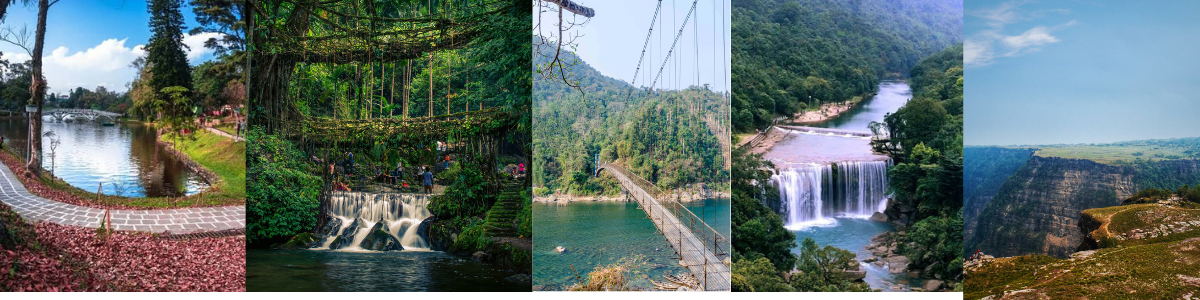
    • See the world-famous living root bridges near Cherrapunji (Nongriat). The pleasant weather makes the 2-3 hour trek feasible.
    • Go on a boat ride on the green Umngot River at Dawki (in West Jaintia Hills). The water is particularly lovely in spring. Tripjyda’s customizable packages often include scenic boat rides in Dawki.
    • Visit caves such as Mawsmai or Arwah. They’re picturesque and great to visit.
    • Picnics near waterfalls (Elephant Falls near Shillong, or Seven Sisters Falls in Cherrapunji), as the streams begin flowing well. 

    Places to See:

    • Shillong: The capital hill station boasts of Shillong Peak, Elephant Falls, the Don Bosco Museum, and beautiful gardens. This is an appropriate base for summer excursions.
    • Cherrapunji (Sohra): Famous for record-breaking rain, Cherrapunji looks breathtakingly green during spring. Don’t forget Nohkalikai Falls, Seven Sisters Falls, and the Double Decker Root Bridge in Nongriat.
    • Mawlynnong Village: Dubbed the cleanest village in Asia,” Mawlynnong is serene and ringed with bamboo forests. It’s wonderful for a lazy afternoon.
    • Dawki: Renowned for the Umngot River, which remains clear and green, ideal for boating or kayaking.
    • Laitlum Canyons: Close to Shillong, these precipitous cliffs are great for watching the sunrise.

    Festivals: 

    Festivals Summer

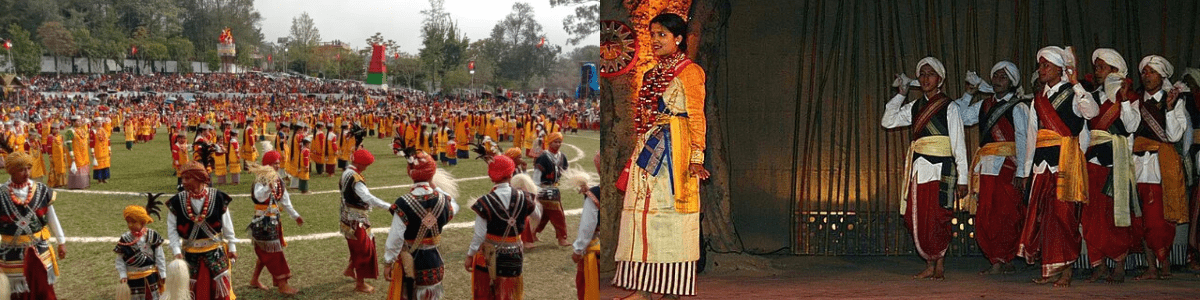
    • Ka Shad Suk Mynsiem – a vibrant Khasi dance and Thanksgiving festival in April/May (dates are different every year). Locals rejoice at the sowing season’s end with music and traditional wear.
    • Laho/Laho Dance – a Jaintia tribal dance festival near the end of spring.
    • (Meghalaya spring is also a season of local village fairs, where you can witness traditional sports and handicrafts.).


    Monsoon (June – September)

    Nohkalikai Falls, a stunning waterfall, swells with monsoon rains in Meghalaya.

    The monsoon season turns Meghalaya really “the land of clouds.” Rains come in June and continue (sometimes heavily) until October.

    Cherrapunji and Mawsynram are two of the wettest places on the planet, frequently receiving 10,000+ mm of rain a year.

    The mountains resemble a rainforest film set: all the waterfalls and creeks are thundering, the entire landscape is resplendently green, and mist frequently lingers in the valleys.

    • Weather:

    Extremely heavy rain, particularly during July–August. The temperature goes down a little (18–24°C), but it is extremely humid. Landslides can occur on country roads.

    Monsoon Paces to visit

    Activities: 

    • Waterfall Viewing: The monsoon season is the best time for viewing waterfalls. Go to Nohkalikai Falls, Seven Sisters Falls, and Dainthlen Falls – they are at their peak. (Take waterproof equipment and be careful of slippery tracks.) Tripjyda offers monsoon-friendly itineraries that focus on scenic drives and waterfall viewpoints.
    • Living Root Bridges: During the wet season, such natural bridges are alive and green. Hiking to Nongriat’s Double-Decker Root Bridge during heavy rain is exhilarating, but it’s safer, locals say, to go just when the rains let up (early October).
    • River Cruises: Umngot River at Dawki remains free of debris even during monsoon (no rain in the upper reaches), so boating is still possible if the weather is not stormy.
    • Birdwatching and Wildlife: Since 70% of the state is forested, monsoon is excellent for viewing jungle life – hoolock gibbons in the canopy, and exotic orchids flowering.

    Places to Visit:

    • Shillong: Cooler during monsoon and still happening (though certain hill roads could be wet). Spend time at museums or indoor markets when it rains.
    • Cherrapunji/Mawsynram: Though it rains, the rainscaping of rain-cloud-covered hills is never to be forgotten. The Mawsmai Caves are a fine, rain-proof excursion.
    • Krang Shuri Falls: Close to Dawki, this off-beat waterfall is emerald green and regal during monsoon.
    • Umiam Lake: On the outskirts of Shillong, this lake is misty and extremely atmospheric in the rain.

    Festivals:

    Behdienkhlam Monsoon

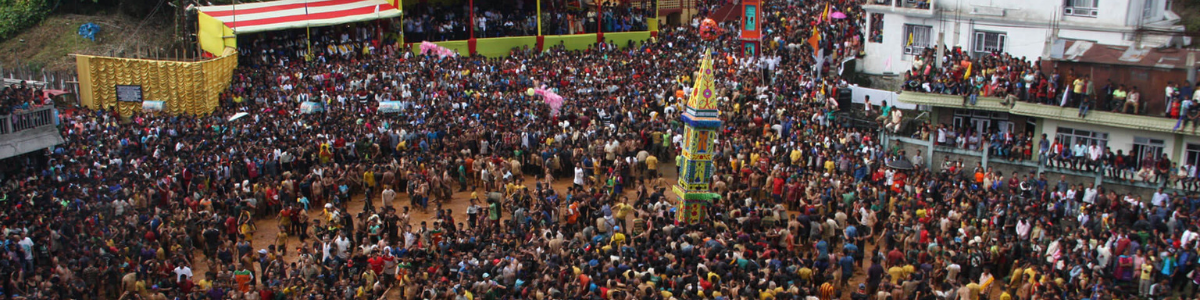
    Monsoon months have fewer large public festivals because of travel problems. But if you are in July, you can catch Behdienkhlam – a Jaintia harvest festival with drums and rituals to fight off evil spirits (held typically in Jowai).

    (Traveler tip: Provided you don’t mind getting wet and prefer fewer people, monsoon can also be rewarding. Just bring waterproof gear, a good raincoat, and sturdy shoes. Monitor road conditions and local advice, as landslides can sometimes block roads.)


    Winter (October – February)

    Meghalaya in winter is cool and dry – ideal for sightseeing.

    Daytime temperatures are usually in the 12–25°C range, and nights fall into single figures or even just below freezing in the higher hills.

    Heavy monsoon clouds clear by October, and the sky is blue with fresh air.

    The forests remain green because of the rains, and the countryside is crisp and clear.

    This is generally the best season to visit Meghalaya, balancing pleasant weather with local festivals.

    Weather:

    Dry and cool. October–November, still green hills and blooming flowers. December–January cold, particularly at night, but nice by day. Little or no rain.

    Winter places to visit

    Activities:

    • Hiking & Trekking: The best time for trekking in the Shillong fringes (Shillong Peak, Don Bosco Peak) and the more challenging David Scott Trail (Cherrapunji to Shillong).  You can book these guided treks through Tripjyda for a safe and enriching experience.
    • Kayaking & Boating: Take advantage of the crystal-clear waters of Dawki and Umiam Lake.
    • Spelunking and Caving: Spelunking in caves like Siju and Krem Mawmluh is safe and enjoyable without fears of flooding.
    • Scenic Drives: Wind through scenic mountain roads, stopping at viewpoints such as Laitlum and Kota Rock to watch the sunrise or sunset.
    • Photography: Clear daytime and leftover mist create wonderful photo opportunities for landscapes and bridges.

    Places to Visit:

    • Shillong: Take in views such as Ward’s Lake, the Shillong Golf Course (also referred to as the Polo Grounds), and markets. Don Bosco Museum is great for the Northeastern tribe exhibits.
    • Cherrapunji/Sohra: Still lush and green, but with sunny skies. Go to Eco Park and Seven Sisters Falls. The Nongriat Root Bridge hike is quite manageable with minimal rain.
    • Dawki – Shnongpdeng: Umngot River region is ideal now. The river is still, and boats slide on crystal water.
    • Nongphlang Sacred Grove: A protected area near Shillong of an ancient forest. It’s peaceful in winter.
    • Balpakram & Nokrek (Garo Hills): If you go to the Garo Hills, winter is dry enough for national parks and waterfalls there as well.

    Festivals:

    Festivals winter

    • Christmas & New Year: Meghalaya is a Christian-majority state, hence Christmas (Dec 25) is celebrated with great enthusiasm. Shillong and Cherrapunji are aglow with carols, decorations, and village fairs.
    • Nongkrem Dance: A ritual Khasi dance ceremony (generally in Nov) to seek blessings for a good harvest.
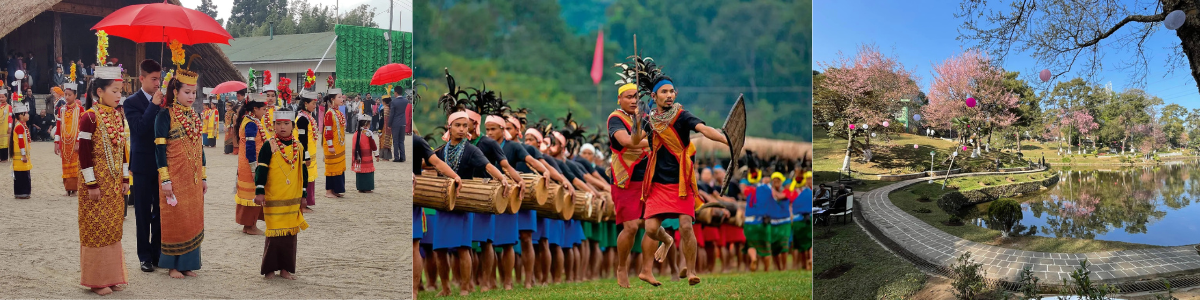
    • Wangala: The 100-Drum Festival of the Garo tribe (Wangala) takes place in Nov/Dec. It’s a celebratory harvest festival with drum and dance.
    • Cherry Blossom Festival: (Early spring in Jan/Feb in Shillong – although technically outside winter). Cherry blossoms flower and celebrations take place in Shillong.


    Travel Tips:

    Here are some last tips for your trip

    Packing Advice:

    • Winter: Bring light sweaters or jackets and a single warm layer for cold evenings. Daytime may be sunny, but thin air makes it feel chilly.
    • Summer: Lightweight, breathable clothing is acceptable, but add a rain jacket for the occasional shower later in the season. Sunscreen and a hat are handy at higher elevations.
    • Monsoon: Pack a raincoat or poncho, waterproof shoes or sandals, and quick-drying clothing. A spare pair of socks and shoes is prudent for muddy paths.
    • General: Comfortable walking shoes are essential (paths may be uneven). A mini first-aid kit, mosquito repellent, and any necessary personal medications. If trekking, pack trekking poles and a headlamp.


    Travel Advice:

    • Book accommodation in advance during peak season (Dec–Jan) and festival times. Tripjyda can help secure stays in remote or in-demand locations, especially during major festivals. 
    • Roads in Meghalaya are winding and sometimes steep. If self-driving, drive carefully, especially in the rain. Alternatively, hire a local driver who knows the terrain. Many Tripjyda packages include local transport with experienced drivers.
    • Internet and phone signals can be patchy, especially in hills. Navigation plan and always inform someone of travel plans.
    • Respect local culture: Dress modestly when visiting villages or religious sites. Meghalaya is matrilineal – you’ll find communities very welcoming and proud of their heritage.
    • Eat local Khasi and Garo food – Fermented rice beverage (suji), bamboo shoot preparations, and local honey are special treats!


    Conclusion: 

    The beauty of Meghalaya also varies by season. Winter (Oct–Feb) typically has the best all-around conditions for travel and festivities. But spring and monsoon have special charms: spring’s refreshing coolness and summer blooms, and monsoon’s imposing waterfalls and deserted trails. No matter when you travel, pack wisely and travel safely.

    With curated Meghalaya tour packages from Tripjyda, you can explore at your own pace—whether you’re chasing monsoon mists, trekking to hidden bridges, or soaking in winter festivals.

    Whichever time of year you visit, Meghalaya will be a vacation to remember emerald-colored hills, rumbling waterfalls, and colorful tribal heritage. Take this page as your guide to Meghalaya travel, choose your prime season, and make the most of the numerous things to do in Meghalaya and places to visit in Meghalaya. Travel safely, and live the “land of clouds” to its full potential.

  • Top Trekking Spots in Meghalaya

    Let’s face it, when most people think of trekking in India, the Himalayas come to mind. Snowy peaks, high altitude, maybe a temple or two. Nothing wrong with that. But trekking spots in Meghalaya offer something entirely different: fewer crowds, more greenery, and Meghalaya weather you didn’t know you were missing.

    It’s a little state way up in the northeast corner, so easy to overlook, but with wild trails, misty cliffs, hidden waterfalls, and these incredible bridges made of living tree roots. It’s like a fairy tale, but totally real and closer than you ever imagined.

    We’ve selected some of Meghalaya’s best trekking routes, whether you’re a beginner, a weekend warrior, or in need of a shot of adrenaline. And if you don’t want to bother with permits, planning, or just rolling up and hoping for the best, Tripjyada, a Meghalaya outfitter, will do it all for you: guides, accommodations, transportation, you name it.

    Top 10 Trekking Spots in Meghalaya

    Top Trekking Spots in Meghalaya

    1. Double Decker Living Root Bridge Trek – Nongriat

    • Level: Moderate
    • Starting Point: Tyrna Village
    • Focus: You go down (and up) 3,000+ steps. Legs will remember.

    This one’s legendary and one of the iconic trekking spots in Meghalaya. If you’ve ever seen photos of root bridges, this is the place. The trek starts around Cherrapunji, and you descend a gazillion stone steps into a dense, green forest. Along the way, you’ll cross streams, small villages, and old hanging bridges until you arrive at Nongriat, home of the world-renowned double-decker root bridge.

    These bridges aren’t constructed; they’re cultivated. Residents lead rubber tree roots across rivers until they’re passable. It’s alive, breathing engineering.

    Tip: Have Tripjyda arrange a local guide and accommodation in Nongriat. They know the best places and the friendly aunties who serve up tasty Khasi food.

    2. David Scott Trail – Mawphlang to Lad Mawphlang

    • Level: Easy to Moderate
    • Distance: 16 km
    • Duration: 5 to 6 hours

    David Scott trail: Walk through history Trekking in Meghalaya

    If you want a day hike that doesn’t kill your legs, this is ideal. Technically “moderate,” but it’s one of the best adventurous trekking spots in Meghalaya due to its remote nature. First built during the British era, it runs along meadows, pine woods, and streams. Expect monoliths, ancient stones, and tiny Khasi villages that feel frozen in time. It’s more of a “walk with great views” than a climb.

    Bonus: Booking with Tripjyda means local stories, historical context, and sacred grove insights—way more memorable.

    3. Sohliya Village Bamboo Trail – Unconventional and Serene

    • Level: Easy
    • Location: Near Umiam Lake (Ri-Bhoi District)

    Sohliya Village Bamboo Trail

    Not on most tourist maps, and that’s the charm. Sohliya’s bamboo trail winds through forests, orange groves, and rivers. It’s quiet, and the locals care for the trail themselves.

    You’ll pick up on local plants and woodlore and maybe even grab some fresh oranges on lucky days.

    Tip: Let Tripjyda tie this in with an Umiam Lake visit or a local farm homestay.

    4. Smit to Laitlum Canyon Trek – Views That Hit Different

    • Level: Moderate
    • What’s Awesome: Laitlum Canyon is breathtaking, but hiking to it makes it 10× better

    Smit to Laitlum Canyon Trek

    You can drive to Laitlum Canyon, but trekking from Smit is way more rewarding because it’s one of the most scenic trekking spots in Meghalaya. The trail passes through terraced fields, sacred groves, and open hilltop ridges, and then suddenly, you’re at the edge of the world.

    Get there early for clear skies, or embrace the foggy mystery.

    Heads up: There are no signs. Get Tripjyda to send a guide who knows the trail and the weather.

    5. Shnongpdeng to Darrang – Jungle Meets River

    • Level: Moderate
    • Best For: A little adventure, a little peace

    Shnongpdeng to Darrang Trekking in Meghalaya

    Shnongpdeng is famous for its glass-clear river, but head into the hills, and you’ll find a 10 km trek to Darrang village. The path is lush, the views stretch to the Bangladeshi plains, and the trail has rope bridges, birds, and forest ridges.

    Fun Idea: Trek up, then float back via the Umngot River. Tripjyda handles both.

    6. Mawryngkhang Bamboo Trail – Not For the Faint of Heart

    • Level: Moderate to Difficult (if you’re scared of heights)
    • Location: Wahkhen village
    • Nickname: The Bamboo Trail

    Mawryngkhang Bamboo Trail Trekking in Meghalaya

    This is for the brave, as Mawryngkhang is one of the most adventurous trekking spots in Meghalaya. You’re walking on narrow bamboo bridges built over gorges, climbing ladders, and gripping handrails. At the end stands U Mawryngkhang, a massive rock with myths and legends wrapped around it.

    Tip: Don’t go solo. Tripjyda’s guides know the trail and tell the folklore as you go.

    7. Krem Liat Prah Cave: Longest natural cave in Southeast Asia

    • Level: Difficult and muddy
    • Where: East Jaintia Hills

    Krem Liat Prah Cave

    Less of a walk, more of a crawl-climb-scramble. Krem Liat Prah is one of India’s longest caves. Think underground rivers, rock passages, stalactites, and stalagmites. It’s raw and wild, and you must go with a guide.

    8. Mawphlang Sacred Grove Loop – Ancient and Alive

    • Level: Easy
    • Location: Mawphlang Village

    Mawphlang Sacred Grove Loop

    This isn’t a long-distance trek; it’s more of a circular walk through history. The Sacred Grove in Mawphlang is a protected forest believed to be home to ancient spirits, and the local rules strictly forbid taking anything, not even a leaf, out of the forest. The trail loops through thick trees, monolith altars, and moss-covered paths where every step feels like you’re entering a story.

    Tip: A local guide is a must, not just for direction but to unlock the legends that live in the grove. Tripjyda works with guides who know the lore firsthand.

    9. Return to Pung Thymmai Trek

    • Level: Moderate
    • Distance: 12 km
    • Where: South West Khasi Hills

    Rngain to Pung Thymmai Trek

    Want something totally off the tourist grid? This route through Rngain village leads to Pung Thymmai, passing through thick jungles, hillside farms, and remote Khasi hamlets where time moves slowly. It’s ideal for those who want raw, rural Meghalaya without crowds.

    Good to know: You’ll need someone who speaks the local dialects and knows the village paths. Tripjyda can make it happen.

    10. Laitkynsew to Nohkalikai Viewpoint

    • Level: Easy to Moderate
    • Highlights: Waterfalls, cliffs, legendary views

    Laitkynsew to Nohkalikai Viewpoint

    One of the most underrated trekking spots in Meghalaya that offers visual delight. Start from the peaceful village of Laitkynsew and take a gentle hike toward the Nohkalikai Falls viewpoint, India’s tallest plunge waterfall. The trail offers sweeping views, valleys layered in cloud, and when the skies are kind, a full-frontal look at the falls with no railing in sight.

    Add-on: Combine this with a homestay in Laitkynsew. Tripjyada can organize stays with local Khasi families who’ll make you feel at home.

    Last Thoughts about Trekking Spots in Meghalaya

    Trekking spots in Meghalaya are different. It’s not about conquering peaks; it’s about wandering through living landscapes. About being small in a big, magical world. Each of the trekking spots in Meghalaya tells a different story; every step offers a surprise.

    Want to explore Meghalaya hassle-free? Then check our customized Meghalaya tour packages. Add Meghalaya to your next travel bucket list.

    Or if you want to discover the lush valleys of Sikkim, then Tripjyada offers you the most premium Sikkim-Darjeeling tour packages for your desired destination.

    And yes, you can go it alone. But with Tripjyda, you’re not just trekking. You’re connecting with locals, with nature, and with the real Meghalaya.

  • Secret trails and tales of Offbeat Darjeeling

    Secret trails and tales of Offbeat Darjeeling

    The iconic toy train, green tea gardens, and breathtaking views of Kanchenjunga are all used to describe Darjeeling. But let us tell you a secret: this hill station also had a more subdued, intimate side. A world where mist-shrouded towns, untainted forests, and ancient customs thrive away from the crowds? Besides being a destination to go to, Offbeat Darjeeling is a call to unwind, breathe fresh mountain air, and see the Himalayas at their best from close quarters. These off-beat trails hold stories you can’t read about in guidebooks, whether you are a culture buff, an adventurous family, or a single traveller. Come, let us discover the undiscovered treasures of Darjeeling!.


    Why Offbeat Darjeeling?

    Darjeeling has been renowned as a haven for travellers for a long time, yet the increasing herd has turned its hotspots a little too much for comfort during the summer months. Here comes offbeat travel to fill the gap—offering solitude, customisation, and the thrill of discovering something unspotted. The Darjeeling offbeat attractions also help communities and eco-friendly tourism. Added to that is something lacking these days in holidays: quietude, genuineness, and a dash of actual life.


    The Offbeat Darjeeling Trail: 10 Wonders Off the Beaten Track


    1. Lepchajagat (Distance: 19 km from Darjeeling): 

    Lepchajagat, surrounded by dense oak and rhododendron forests, is like stepping into a misty fairy tale and a dream come true for nature lovers! When you wake up with a gorgeous sunrise over Mount Kanchenjunga from your window in homestays like Sumnima Homestay. You can also spot some rare birds like the Himalayan Woodpecker if you are a birdwatcher. At an elevation of 6,956 feet, this hamlet is located inside the Senchal Wildlife Sanctuary. Watch for red pandas at sunrise! To watch a serene sunrise, skip Tiger Hill and go instead to Hawa Ghar, a hideaway offering 180° views of the Himalayas at sunrise. Trek to remote Tholung Monastery, a UNESCO-listed monastery housing ancient Buddhist scriptures.

    Plan your Offbeat Darjeeling trip during August’s Tendong Lho Rum Faat, a colourful festival honouring Lepcha creation myths with dance and zutho (millet beer). For off-the-beaten-path serenity, stay in villages like Hee-Bermiok or Rongli, where the elders farm organically. Their eco-friendly homestays, like Chuikhim Farmhouse, combine culture with walks among cardamom plantations and hidden waterfalls like Reshi Khola. Perfect for travellers who are looking for authentic experiences off the tourist trail.

    Lepchajagat Offbeat Darjeeling

    2. Tinchuley (Distance: 32 km from Darjeeling):

    This sleepy village, named after the three hills that resemble chimneys, nestled at 5,800 ft. near Darjeeling, thrives on organic farming, oranges, cardamom, and tea. Walk up to Gumbadara Viewpoint for a magical sunrise over the Teesta River. Stay with Noryang Homestay, find out about tea picking and taste kinema (fermented soybean curry). This green holiday destination is equally well known for its sunrise points to view Kanchenjunga’s golden peaks, traditional Buddhist monasteries and mythic rock formations at Gumpha Dara.

    Plan your trip around the Teesta Tea & Tourism Festival in November and indulge in organic tea tastings while feasting your eyes on Lepcha folk dances. Thrill-seekers can go rock climbing on Tinchuley’s granite crags or mountain biking through colonial-era tea plantations to Peshok.

    Highlight: Starry skies free from city lights.

    Tinchuley Offbeat Darjeeling

    3. Sittong (Distance: 30 km from Darjeeling):

    This colourful village, the “Orange Capital of West Bengal,” lies nestled at 4,500 ft. surrounded by terraced orange orchards and misty Himalayan scenery. Do go there during November’s Orange Festival when the village is awash with golden fruit and Lepcha dances. Khee Homestay is where you should stay, pick up organic farming skills from locals, and taste their much-hyped homemade orange wine.

    This little green paradise boasts the famous Jogikhola Waterfall, stunning views of Shelpu Hill and friendly, warm Lepcha hospitality. Go in winter, when oranges are sweetest and the sky is crystal clear. Adrenaline seekers can also take a hike through cardamom gardens or bike across the Teesta River valleys.

    Highlight: Waking to sunrise over unlimited orange groves, with the snow-crowned Kanchenjunga silhouetted against the early morning mist. Best time to visit: October- February.

    Sittong Offbeat Darjeeling

    4. Lamahatta (Distance: 23 km from Darjeeling):

    This peaceful village at 5,700ft above sea level lies midway between Kalimpong and Darjeeling, bordered by green pine forest and praying flags waving in the wind. With wooden chairs situated under century-old trees and pathways transformed into a snow globe wonderland in the winter, the eco-park is a great place to while away sleepy afternoons. Stay at Himalayan Homestay and you may just wake up to the birdsong and smell of pine, which locals say can cure a headache!

    The Jore Pokhari, the adjacent Tiger Hill view, and the vibrant Buddhist culture make this secret gem famous. Visit in winter for fairy-tale-like misty dawns or spring when rhododendrons paint the hills crimson. Nature enthusiasts can picnic near waterfalls or mushrooms with locals.

    Highlight: Stargazing from your cottage veranda, with only the sound of pine needles disturbing the peace.

    Lamahatta

    5. Chatakpur (Distance: 38 km from Darjeeling):

    This untouched village, situated in the Senchal Wildlife Sanctuary at 7,887 ft. above sea level, is West Bengal’s first plastic-free, car-free, eco-tourism destination. You have to get up early to spot the Himalayan Monal, the state bird of Uttarakhand, from the balcony of your wooden cottage. And then you’d help the villagers make churpi, a traditional yak cheese. What are you hearing? The wind, bells from distant monasteries and the rustle of rhododendrons. The wild flower meadows, 360-degree views of Kanchenjunga from Sunrise Point and the stringent conservation policies (maximum 25 visitors a day) are the main attractions in this solar-powered wonderland. Come in winter for snow-bound forests, or in April–May for seeing rare orchids in bloom. Green travellers can help local guides track red pandas or volunteer on organic farms.

    Entry Requirement: A WBFDC permit is obligatory. Optimal time: October-December (good views), April-May (flowers)

    Chatakpur

    6. Mirik (Distance: 50 km from Darjeeling):

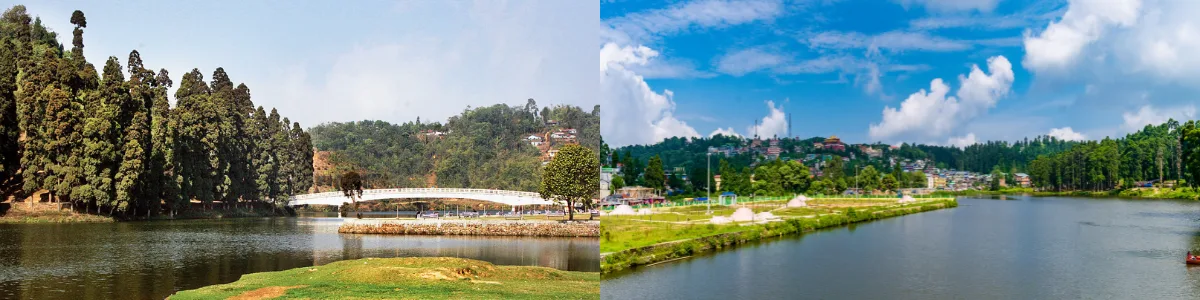
    This serene hill station, situated at 4,900 ft. above sea level near the Nepali border, revolves around Sumendu Lake, a shimmering centrepiece. Rent a paddleboat at sunrise to glide past the reflection of rhododendron-draped slopes. Join morning chanting with monks at the golden Bokar Monastery after resting at Orange Valley Resort, where you can awaken to the mist rising off the lake. Only 4 miles from Nepal, this off-the-beaten-path gem is famous for its vibrant Pashupati Market, colonial Mirik Church, and 8.5-km lakeside promenade walk. Visit during the monsoon months when clouds dance between tea gardens, or from March to May when the lake becomes a mirror for blooming flowers. Photographers wait for the perfect golden-hour shots of the Indreni Pool footbridge, while gourmands sample time at lakeside stalls.​

    Special Tip: Purchase genuine Kashmiri shawls at half the price of Darjeeling in the market.

    Best time: March–June & September–November​

    Mirik Offbeat Darjeeling

    7. Lolegaon (Distance: 75 km from Darjeeling):

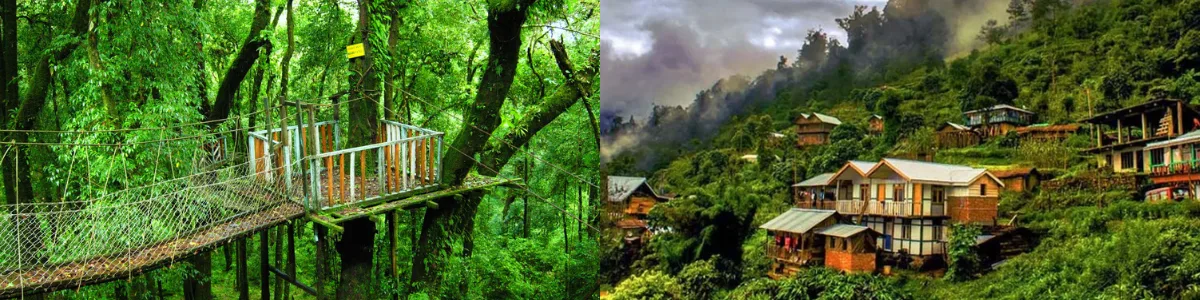
    Lolegaon is a peaceful hill station famous for its high biodiversity and breathtaking Himalayan scenery, situated in West Bengal’s peaceful Kalimpong district. The 180-meter Canopy Walk, a suspended wood walkway that twists through the canopy of trees, offers a novel perspective of the forest below. The adjacent Heritage Forest, containing tall pine, cypress, and oak trees, is a nature lover’s paradise. Sunrise enthusiasts and photographers alike must not miss the Jhandi Dara viewpoint, with sweeping vistas of snow-clad mountains such as Kanchenjunga and, on clear days, even Mount Everest. Lolegaon offers cultural experiences that include the traditions of the Nepali and Lepcha people. The Lepcha Museum provides guests with an insight into the local culture through antiques and traditional attire. Trekkers can traverse trails leading to other sites such as Changey Falls and Charkhole, a quaint settlement famous for its wide-reaching views and birdwatching opportunities.​

    Lolegaon

    8. Sukhiapokhri (Distance: 17 km from Darjeeling):

    The peaceful village of Sukhiapokhri, hidden in the hills of Darjeeling, offers a tranquil respite from the usual tourist haunts. Pine groves, rhododendron slopes, and tea gardens such as Tumsong and Dhajea surround this foggy town. Tourists can enjoy stunning views of the Kanchenjunga range on clear days, and the region is rendered even more enchanting by the common mist. Manebhanjan, the starting point for the trek to Sandakphu through Singalila National Park, and Jorpokhri, close by and renowned for having twin lakes and being home to the rare Himalayan salamander, are nearby attractions. For leisure travellers in quest of serenity and a feeling of being attuned to nature, Sukhiapokhri is the ideal destination.​

    Sukhiapokhri

    9. Rimbik (Distance: 56 km from Darjeeling):

    Rimbik is a quiet village located within West Bengal’s Darjeeling district, sitting at an approximate height of around 2,286 meters (7,500 ft.) above sea level. It is situated near the border of India and Nepal and marks the beginning point of the popular Sandakphu-Phalut trek within Singalila National Park. With views of the splendid Kanchenjunga mountain range and engulfed by scenic hills, rolling waterfalls, and meandering streams, Rimbik is a haven for trekkers and nature lovers alike. Homestays are the primary type of accommodation in the region, providing cosy stays and an opportunity to experience the local lifestyle firsthand. Rimbik offers a wonderful Himalayan experience, whether for adventure on the trekking trails or a peaceful retreat amid nature.​

    Rimbik Offbeat Darjeeling

    10. Takdah (Distance: 28 km from Darjeeling):

    Takdah is a peaceful hill station about 28 kilometres from Darjeeling town, located in the Eastern Himalayas. This quaint village, once a British cantonment, boasts colonial beauty due to its old houses and misty environment. Takdah is a serene retreat from crowded tourist spots, encompassed by rainbow-colored orchid centres and stunning tea gardens such as Rungli Rungliot and Gielle. “Takdah” owes its name to the Lepcha term “Tukdah,” meaning “mist,” which aptly describes the hazy ambience of the place. One may go for a stroll through forests of conifers, visit the historic Takdah Cantonment, or trek the Lamahatta trail to enjoy breathtaking views of the Eastern Himalayas.​

    Takdah

    What to Eat in Offbeat Darjeeling (Besides Everything):

    You can’t tour Offbeat Darjeeling on an empty stomach. Here’s what to watch out for:​

    • Kinema Curry – Funky-sour fermented soy dish of Tinchuley.
    • Sel Roti – Sweet, crispy rice doughnuts of Lolegaon.
    • Gundruk Soup – Tangy, filling comfort food of Sukhiapokhri.
    • Tingmo – Soft, spongy bread to accompany each spicy side dish.​


    Conclusion:

    Darjeeling’s authentic charm lies not just in its famous attractions but also in the quiet moments, uncharted trails, and the hospitality of lesser-known villages. These offbeat Darjeeling places offer a very different experience from the typical tourist crowd. Whether you wander through a pine forest shrouded in fog in Lamahatta, take a sip of homemade orange wine in Sittong, or wake up to the golden hue of Kanchenjunga in Lepchajagat, there’s a world beyond the usual.​

    Are you ready to bid adieu to busy bazaars for serene villages and crowded vistas for secluded dawn spots? Pick up your belongings, take the detour from the beaten path, and allow Darjeeling’s unexplored gems to entice you.​

  • Bhutan’s Festivals You Can’t Miss This Year: A Spiritual and Cultural Travel

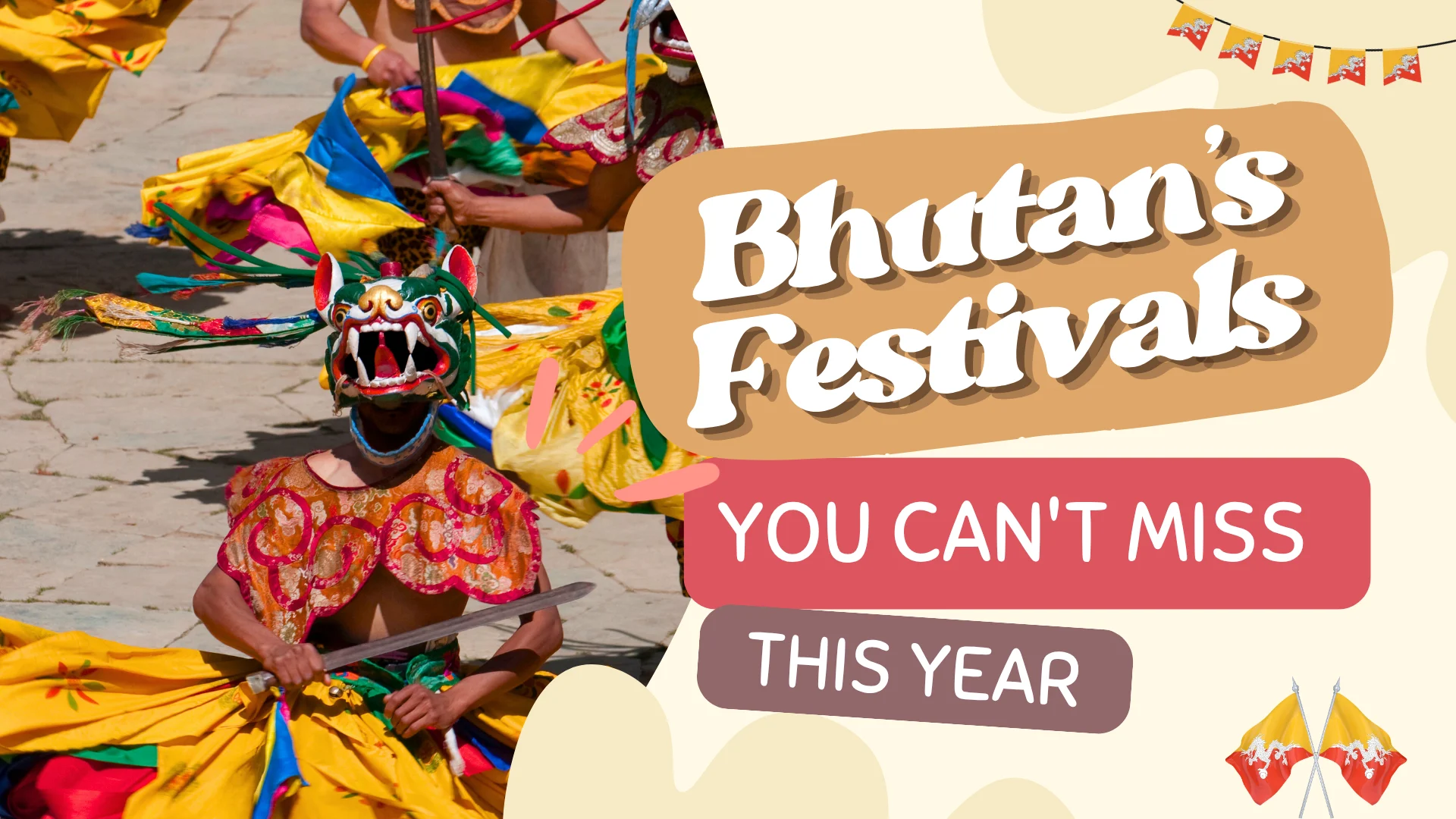
    Rising in the Eastern Himalayas, Bhutan, also known as the Land of the Thunder Dragon, is a mysterious kingdom coexisting peacefully with rich traditions, spiritual force, and strong cultural values. Through its Tshechus, holy religious events that provide a window into Bhutan’s past Buddhist legacy.  one of the most interesting ways to travel through the nation’s spirit is perhaps through These celebrations are spiritual meetings combining dedication, history, performance, and community celebration to produce an unforgettable experience rather than merely events. Bhutan’s festivals provide your opportunity to explore a timeless universe if you have ever yearned for such.


    Why Bhutan’s Festivals Are Truly Unmissable

    1. Holy Mask Dances:

    Among the many rituals performed during the Tshechus, the sacred mask dances are the most important and visually stunning. Performed by fully trained monks in the courtyards of dzongs and monasteries, these dances tell the story of Padmasambhava, and they bring to life the unending struggle between good and evil. Each step, each costume, and each gesture has a symbolic meaning and is made richer by the accompanying chant that the monks also perform during the dance.

    1. An Outburst of Color and Togetherness:

    People from nearby villages travel for hours to be part of the Tshechus. They adorn themselves in their finest traditional garments, Ghos for the men and Kiras for the women, and make the events as much social and status displays as religious ones. Tshechus are a time of festive fun and frolic; they are a time to enjoy and experience life anew.

    1. Photos, Piety, and Peak Festival Moments:

    Visitors to Bhutan’s Tshechus witness an incredible sensory spectacle. From the fluttering prayer flags to the beat of the ritual drums, each moment is postcard-perfect and spiritually fulfilling. Whether you are a shutterbug or a soul-satisfied traveler, Bhutan’s Tshechus will be etched in your memory.

    To relish the most from your travel, Tripjyada brings forth the supreme Bhutan Festival Tour Package. This elite offering is tailored for those seeking not just to visit, but also deeply experience Bhutan’s spiritual side while not sacrificing, as per any Travel+Leisure standards, on the comforts and luxuries one usually enjoys in a four-star to five-star setting.


    Why Choose Tripjyada?

    We meld luxury with authenticity. That means you encounter some of the best comforts available while also experiencing the true, vibrant culture of the places you’re visiting.

    Tours led by experts:

    Local guides tell tales and imbue each experience with the importance and the kind of rituals that make it different from the next.

    Effortless planning: 

    We arrange everything for you, from your stay in intimate hotels to your entry into the festival.


    1. Paro Tshechu – A Religious Pageant in Spring

    Every March or April, the serene Paro Valley in Bhutan is filled with colorful religious and cultural celebrations during the Paro Tshechu. At the beautiful Paro Rinpung Dzong, the festival is one of Bhutan’s largest and most religious festivals, drawing locals and tourists from across the globe.

    paro tshechu


    A Festival of Religion and Color at Rinpung Dzong

    The courtyard of the Dzong is transformed into a stage for lively Cham dances by monks and laymen in beautiful masks and silk robes. Buddhist legends, the teachings of Guru Rinpoche, and the age-old struggle between good and evil are recited through sacred dances. The locals come in their finest traditional clothes to enjoy the festival’s kaleidoscopic energy. 


    The Sacred Moment: Unrolling of the Thondrol

    The wait pick is the reveal of the huge Thangka of Guru Rinpoche. Seen only once a year during sunrise on the last day, one is informed that to just look at this sacred scroll purifies one of sin and spiritually blesses. The mood in this period is intensely emotional and long-lasting.


    Celebrate your Paro Tshechu tour with Tripjyada

    Tripjyada presents a thoughtfully hand-selected Paro Tshechu Festival Tour that integrates true cultural experience with luxurious comfort. 

    The tour package includes:

    • VIP entry to the finest happenings at the Dzong.
    • Seasoned local guides who describe the symbolism of rituals and dances.
    • Top-of-the-line accommodations that merge Bhutanese tradition with refined, sophisticated elegance.
    • Cultural sightseeing to Tiger’s Nest Monastery, Kyichu Lhakhang, and more.
    • Gourmet Bhutanese cuisine and hands-on experiences with the locals.


    Paro – Where Tranquility Meets Spirituality

    Paro, even on non-festival days, has a serene and spiritual beauty about it. Snowy mountains, serene monasteries, prayer flags fluttering in the breeze, and Bhutanese hospitality warm your heart to make it an ideal destination for soul-calming travel.


    Book Your Journey into Bhutanese Spirituality

    Whether you’re a seeker of blessings, a lover of heritage, or simply looking for an unforgettable travel experience, Tripjyada’s Paro Tshechu Festival Tour Package promises memories that last a lifetime. Come witness Bhutan at its most magical.


    1. Thimphu Tshechu – Capital’s Grand Celebration

    Every September or October, Thimphu, the vibrant capital of Bhutan, is illuminated by one of the most anticipated and magnificent festivals—the Thimphu Tshechu. The festival takes place in the stunning courtyard of the Tashichho Dzong, but it is not merely a religious festival, but a social and cultural festival for the whole nation.


    A Cultural Spectacle in the Heart of the Capital

    Against the backdrop of the imposing Dzong, the festival is a colorfully vibrant display of Cham dances by monks dressed in elaborate masks and traditional finery. These holy dances express deep Buddhist philosophy and are said to impart protection, good fortune, and wisdom. Colorful locals dressed in rich silk and brocade ghos and kiras contribute to the royal ambience of the festival.


    Feel the Festive Glory of Thimphu

    Thimphu Tshechu is more than performances; this is when family reunites, communities come together, and Bhutanese culture is at its best. The colorful setting, colorful outfits, and infectious melody compose an ambience that is at once euphoric and spiritually profound.


    Live Thimphu Tshechu with Tripjyada

    Tripjyada’s Thimphu Tshechu Festival Tour Package is for anyone who wishes to experience the grandeur of Bhutan’s capital but in comfort and luxury. 

    The tour package features:

    • Front-row seats to festival highlights at Tashichho Dzong
    • Reside in luxury boutique hotels with royal Bhutanese hospitality
    • Guided cultural walks along Thimphu’s colorful streets and markets
    • Excursions to iconic landmarks such as the Buddha Dordenma, the Folk Heritage Museum, and Changangkha Lhakhang
    • Exceptionally curated dining on local and gourmet fusion cuisine


    Thimphu – Where Tradition Meets Royal Elegance

    Thimphu is where tradition and modernity converge in a Bhutanese city unlike any other. At Tshechu, its royal essence reaches its best monasteries ring with prayers, roads hum with culture, and each moment feels like a royal fiesta.


    Book Your Seat for Thimphu’s Grandest Festival

    Live the royal Bhutanese essence with Tripjyada at the Thimphu Tshechu. Get a harmonious mix of culture, elegance, and spiritual vibrations at Bhutan’s stunning capital.


    1. Jambay Lhakhang Drup – Rituals of Holy Fire and Sacred Dance Traditions

    Concealed in the mystical Bumthang Valley lies one of Bhutan’s oldest and most mystifying celebrations:the Jambay Lhakhang Drup. Commemorated for its rich cultural heritage, the celebration merges purification with spirituality on one end, and collective elation on the other, through burning fire ceremonies and holy dance in the most unexpected shape.


    A Tradition of Fire and Spirituality

    Each year, in the evening, the festival erupts in theatrical performances of the fire dance. Itis  a ritual dance marking the defeat of evil and the purification of the spirit. Equally fascinating is the Tercham, or Naked Dance, performed symbolically as a religious act of spiritual casting off and renewal. These ceremonies not only revere ancient myths but also institute the sacred union between society and its religious heritage.


    Immerse yourself in the Mystical Atmosphere of Bumthang

    The peaceful Bumthang Valley is the perfect backdrop for this age-old festival. Ringed by ancient monasteries and the natural beauty of rugged landscapes, the Jambay Lhakhang Drup offers an atmosphere in which tradition and spirituality are symbiotic. The theatrical midnight performances, under a starry sky, are an unforgettable sensory and cultural experience.


    Live Jambay Lhakhang Drup with Tripjyada

    Tripjyada’s Jambay Lhakhang Drup Festival Tour Package is thoughtfully crafted for anyone who wants the comforts and induction into the spiritual roots of Bhutan. This VIP tour offers the visitor the privilege of experiencing:

    • Luxurious accommodations in Bumthang: Carefully selected hotels with that ideal blend of genuine Bhutanese warmth and elegance. 
    • Guided Tours Private: Personalized guides who offer extensive tours of the old monasteries and core festival sites.
    • Front-Row Festival Experiences: Have exclusive access to the mystic fire dance and transformative Naked Dance, experiencing the true thrill of these sacred rituals.
    • Cultural Immersion: Engage in local customs and indulge in authentic Bhutanese cuisine amidst the peaceful ambiance of an indigenous home.

    Experience the life-transcending spirit of Bhutan’s centuries-old culture on Tripjyada’s Jambay Lhakhang Drup Festival Tour. Marvel at the purifying fire ceremonies. And the deeply reverential sacred dances centuries old, and be enchanted by the mystical spirit of Bumthang. It is not just a festival but a sojourn in the soul of Bhutan’s centuries-old heritage.


    1. Punakha Drubchen and Tshechu – Historic Reenactments

    Punakha, wedged between rolling valleys and imposing mountains. It has two enchanting festivals in February or March that combine Bhutan’s rich past and spirituality to perfection: the Punakha Drubchen and Punakha Tshechu. They are festivals in the true sense; they’re live stage productions of Bhutanese sagas and triumphs.


    A Historic Display of Valor and Devotion

    The Punakha Drubchen is a lively reenactment of a 17th-century war when Bhutanese soldiers, clad in medieval armor, relive the great battle against invading Tibetans. The vibrant and dynamic show gives way to the Punakha Tshechu, a sacred Cham dance festival celebrating Bhutan’s Buddhist heritage, spiritual rituals, and good overcoming evil.


    Punakha’s Spiritual & Cultural & Essence

    Punakha, its historical Punakha Dzong aside, provides the ideal atmosphere for this wonderful spectacle of history and spirituality. Punakha Drubchen transports the viewer to the eras of Bhutan’s forebears and their bravery, and Tshechu enhances the experience on a spiritual front by incorporating dances and rituals that symbolize Bhutanese culture.


    Relive Punakha Drubchen and Tshechu with Tripjyada

    Through the Majestic Western Bhutan Tour Package provided by Tripjyada, travelers are permitted: 

    • Discover Punakha Dzong: Explore one of Bhutan’s most important historic fortresses, a UNESCO World Heritage Monument.
    • Riverside Overnight Resorts: Unwind in lovely riverfront resorts with breathtaking Himalayan views and serene settings.
    • Private Guided Experiences: Discover the histories behind the reenactment of Drubchen and the sacred dances from local specialist guides.
    • Festival Immersion: Have exclusive access to both the Drubchen battle reenactment and the Tshechu’s sacred dances, guaranteeing a rich and intimate experience.


    Book Your Travel to Bhutan’s Historical Heart

    Experience Bhutan’s history firsthand on Tripjyada’s Punakha Drubchen and Tshechu Festival Tour. See living history and sacred tradition unfold at one of Bhutan’s most scenic locations.


    1. Haa Summer Festival – Fete of Nomadic Heritage

    In contrast to Bhutan’s cultural Tshechus, the Haa Summer Festival, which takes place in July every year, is a colorful festival of Bhutan’s rich nomadic heritage and culture. In the backdrop of the picturesque scenery of Haa Valley, the festival gives one a unique insight into the traditional Bhutanese yak herder’s way of life.


    A Colourful Presentation of Bhutanese Nomadic Life

    The Haa Summer Festival is a yak herding, indigenous food, and folk performance festival that embodies Bhutan’s rural and nomadic life. The event features exciting displays of traditional yak riding, archery, and folk music. while the farm-to-table dining gives a flavor of Bhutanese delicacies.


    Experience the Haa Summer Festival with Tripjyada

    Tripjyada’s Haa Summer Festival Tour package includes:

    • Haa Valley Luxury Lodges: Unwind in serene, upscale lodges against breathtaking natural landscapes.
    • Yak Ride: Take exciting yak rides over a picturesque valley.
    • Farm-to-Table Cuisine: Savor Bhutanese cuisine with a farm-to-table experience.
    • Cultural Experience: Join folk dances, rural ceremonies, and get to live the true nomadic life.


    Book Your Journey into Bhutan’s Nomadic Heart

    Dive into the rich festival traditions of Bhutan’s nomadic people in Tripjyada’s Haa Summer Festival Tour Package. The experience is full of rich tradition that opens windows to the Bhutanese ways.


    1. Trongsa Tshechu – Hidden Jewel of Central Bhutan

    Seen in December, the Trongsa Tshechu is a less sacred but small celebration that encourages travelers to revel in central Bhutan’s spirituality and mysticism. Celebrated at the grand Trongsa Dzong amidst a deep valley. This celebration is a tranquil, alternative experience distinct from the world-famous celebrations.

    At Trongsa Tshechu, tourists may witness sacred Cham rituals and dances performed to honor Bhutanese Buddhism. The picturesque backdrop of the Trongsa Dzong and valley adds to a memorable cultural experience.


    Find the Trongsa Tshechu with Tripjyada

    Tripjyada’s festival tour for Trongsa Tshechu includes:

    • Guided Tours: Expert guides provide an in-depth cultural understanding of the festival’s history and rituals.
    • Experiential Cultural Insights: Relax in the tranquility of central Bhutan and immerse yourself in its untamed beauty.
    • Immersive Service: Enjoy rich, personalized services from start to end.

    Make Your Sojourn into Bhutan’s Secret Best

    Get a taste of the cultural and spiritual richness of central Bhutan with Tripjyada’s Trongsa Tshechu Tour Package. Discover Bhutan’s secrets away from tourists and bask in its soothing beauty.


    1. Wangdue Phodrang Tshechu – Rebirth of Tradition

    After a hiatus brought about by the devastating fire that consumed the Wangdue Dzong, the Wangdue Phodrang Tshechu has made a strong return, reflecting the Bhutanese people’s unbreakable spirit, rebirth, and strong faith. Offered in autumn, the festival celebrates the victory of culture and tradition.
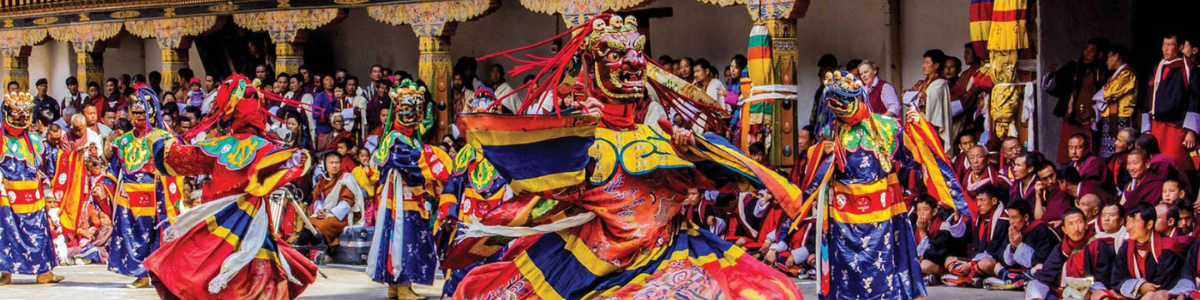
    Wangdue Phodrang Tshechu

    A Festival of Resilience and Renewal

    The Wangdue Phodrang Tshechu is a rare celebration of Bhutan’s rich cultural diversity and its resilience to face challenges. Divine Cham dances, beautiful mask dances, and a peek into the people’s strength and resilience define the Wangdue Phodrang Tshechu festival.


    Make your experience unforgettable with Tripjyada

    Tripjyada provides an exclusive Wangdue Phodrang Tshechu Festival Tour with:

    • Guided Commentary: Discover the history and significance of dances and rituals.
    • Enriching Itinerary: Visit Wangdue Phodrang and witness Bhutan’s spirit of resilience in celebration.


    Book Your Journey into Bhutan’s Revival

    Be a part of the celebration of Bhutan’s revival and experience the revival of tradition with Tripjyada’s Wangdue Phodrang Tshechu Festival Tour Package


    1. Talo Tshechu – Royal Connection and Scenic Beauty

    The Talo Tshechu in the picturesque village of Talo, Punakha District, is famous for its elegant mask dances and royal involvement. Situated atop the Punakha Valley, Talo provides a picturesque setting for this royal festival, and thus it is one of the most beautiful festivals of Bhutan.


    A Royal Festival in Scenic Beauty

    Talo Tshechu is supplemented by refined Cham dances by monks in colorful masks, and also the royal family presence, lending a touch of royalty to the celebrations. Against the picturesque backdrop of the Punakha Valley, the festival takes place in a regal atmosphere ideally suited to royal celebrations.


    Experience Talo Tshechu with Tripjyada

    Tripjyada’s Talo Tshechu Festival Tour provides:

    • Royal Hospitality: Indulge in the luxury of residing in upscale properties that provide service à la royale.
    • Exclusive Festival Access: Enjoy front-row access to the festival and live the royal involvement.
    • Culture Immersion: Get to know Bhutan’s aristocratic culture from specially designed cultural experiences.


    Book Your Royal Bhutanese Vacation

    Join Bhutan’s royal world with Tripjyada’s Talo Tshechu Festival Tour and enjoy this royal festival surrounded by a scenic landscape of Punakha Valley.


    1. Black-Necked Crane Festival – Nature Meets Culture

    Aged every year in the scenic Phobjikha Valley in November, the Black-Necked Crane Festival is a celebration of the arrival of the black-necked cranes, which are an endangered species, to Bhutan. It is a demonstration of the nation’s dedication to conservation and its strong cultural affinity with nature.

    The Black-Necked Crane Festival is a mix of nature and environmental education activities, masked dances, and folk music, making the locals conscious of the Red List classified crane species. Nature, culture, and conservation are celebrated together in harmony during the festival and provide a unique experience to the tourists.


    Tripjyada’s Black-Necked Crane Festival Tour:

    • Conservation-Oriented Tours: Explore the migration of the black-necked crane and the conservation of Bhutan.
    • Cultural Performances: Experience folk music and dance celebrating nature and culture.
    • Comfortable Stays: Enjoy comfortable, nature-abundant stays near Phobjikha Valley.


    Book Your Journey into Nature’s Heart

    Experience Tripjyada’s select Black-Necked Crane Festival Tour Package in the peaceful Phobjikha Valley and see the beautiful coming together of culture and nature.


    1. Druk Wangyel Tshechu – A Modern Tribute to Tradition

    In December, at the breathtaking Dochula Pass, the Druk Wangyal Tshechu is held, a new festival celebrating Bhutanese war heroes and patriotism. The festival’s radiating dances take place under the grand background of the Himalayas and the legendary 108 chortens.


    A Combination of Patriotism and Tradition

    The Druk Wangyal Tshechu harmoniously blends contemporary patriotism with Bhutanese heritage, with strong dances honoring national heroes all against the stunning backdrop of the Himalayan mountains.


    Celebrate Druk Wangyal Tshechu with Tripjyada

    Tripjyada’s Druk Wangyal Tshechu Festival Tour offers:

    • Panoramic Views: Enjoy the Himalayas and 108 chortens.
    • Cultural Immersion: Immerse deeply in a blend of ancestral pride and national spirit through the festival’s powerful performances.
    • VIP Access: Experience ultimate VIP access to the festival and make it one to remember. 


    Make Your Modern Tribute to Bhutan’s Heroes

    Pay homage to Bhutan’s national heroes and cultural heritage with Tripjyada’s Druk Wangyal Tshechu Tour Package, amidst the breathtaking scenery of Dochula Pass.


    Enjoy Comfort Travel with Tripjyada

    Tripjyada is not an agency, it’s an invitation to experience a world of luxury, authentic travel. Our Bhutan tour packages are designed for the discerning traveler who appreciates comfort, cultural depth, and personalized service. Whether you’re experiencing the grand festivities of the Thimphu Tshechu or diving into the sacred dance of the Jambay Lhakhang Drup, we make your travel one of luxury and sophistication.

    Our Bhutan festival tour Package provides the complete range of experiences. From private individual guides to luxury hotels, and seamless transfers, so that you can revel in the festivities without

    Without a single worry, relish the best level of care and hospitality. Each one of the small details, from the beginning of your trip till the end, is designed to provide you with an entirely different travel experience.


    A Journey to the Soul of Bhutan by Tripjyada

    Here at Tripjyada, you don’t witness the Bhutanese festivals; your stay makes you experience them. Our highly customized festival holiday packages like Majestic Western Bhutan Tour. Paro Tshechu Festival Tour, Black-necked Crane Festival Tour, and Haa Summer Festival Tour unlock Step through the gateway to Bhutan’s soul, witnessing an authentic, insider’s view of the kingdom.

    No matter your interest, desiring the majesty of Bhutanese ceremonies, the peaceful beauty of its landscape, or being able to experience festivals that marry history and spirituality.  Tripjyada makes your trip more than travel; it’s making memories you’ll keep in one of the world’s most distinctive places.


    Conclusion: Bhutan Awaits

    Bhutan’s festivals are not mere events; they are living traditions that celebrate spirituality, culture, and community. They offer a rare glimpse into the country’s soul, where ancient customs thrive in the present. With Tripjyada’s premium festival packages, you’ll not only attend Bhutan’s most celebrated festivals but also become a part of the magic.  That fills the air, making each experience truly yours.


    This year, allow Bhutan’s warmth, vibrancy, and timeless traditions to enthrall you. Travel with Tripjyada, where heritage and luxury blend.
  • Why 2025 is the Year to Travel to Northeast India with Tripjyada

    Why 2025 is the Year to Travel to Northeast India with Tripjyada

    Travel has come a long way, and 2025 is the perfect year to travel to Northeast India. This naturally endowed and culturally rich destination is now redefining luxury travel. From Darjeeling’s rolling green hills to Gangtok’s cultural subtleties, Sikkim’s serenity, the mystical charm of Arunachal Pradesh, and the ethereal beauty of Meghalaya, Northeast India is waiting to welcome quality travellers like never before. Tripjyada, India’s first high-end, bespoke travel company, exemplifies these style, convenience, and luxury features.


    A New Era of Luxury Travel in Northeast India

    Modern travellers want more than sightseeing; they demand immersive, personalised experiences. Northeast India offers all of this in its untainted beauty, spiritual peace, and warm hospitality. Tripjyada crafts unforgettable travel stories with premium itineraries, be it a Sikkim Darjeeling Gangtok tour package or an offbeat vacation through Arunachal Pradesh and Meghalaya.

    With personal guides, upscale accommodations, and hassle-free planning, we make every journey both easy and fulfilling.

    A New Era of Luxury Travel

    Why Darjeeling Must Be on Your 2025 Bucket List?

    With an altitude of over 6,700 feet, Darjeeling is where colonial refinement meets Himalayan grandeur. Fondly called the “Queen of the Hills,” this destination gracefully weaves together rich heritage, cultural charm, and natural beauty. The cool mountain breeze, tea plantations kissed by mist, and a backdrop dominated by the towering Kanchenjunga make Darjeeling one of the most sought-after destinations in high-end Indian travel.

    For luxury travellers who want to withdraw from the world into peacefulness without compromising on comfort, Tripjyada’s Darjeeling holiday package is the perfect doorway to explore this breathtaking town through carefully curated activities and high-end hospitality.

    why darjelling

    What Makes Darjeeling a Must-Visit in 2025?


    1. Tiger Hill – A Himalayan Awakening

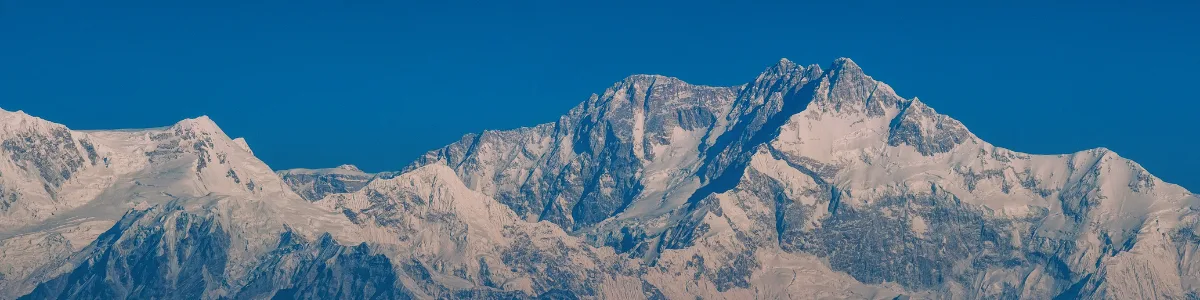
    Imagine yourself having a hot beverage in the early morning chill as the dawn’s first light caresses the Kanchenjunga summit with golden and orange hues. Early-morning transfers are convenient and comfortable with Tripjyada’s chauffeured service. Tiger Hill is not a sunrise point — it’s a lifetime visual contemplation.

    Tiger Hill – A Himalayan Awakening

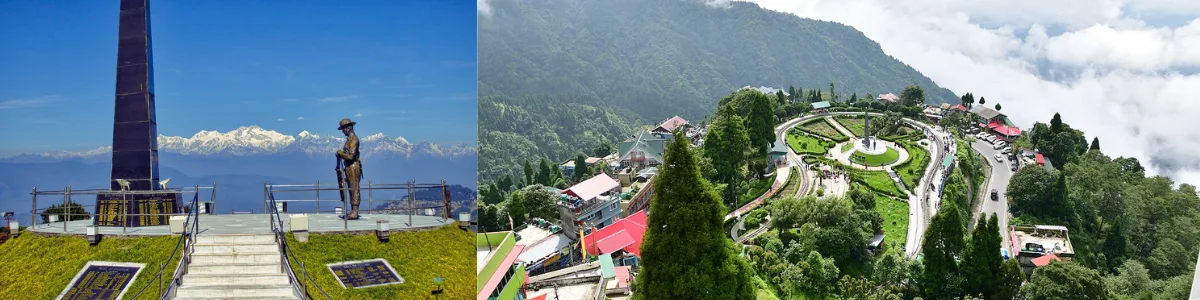
    1. Batasia Loop – An Engineering & Aesthetic Wonder.

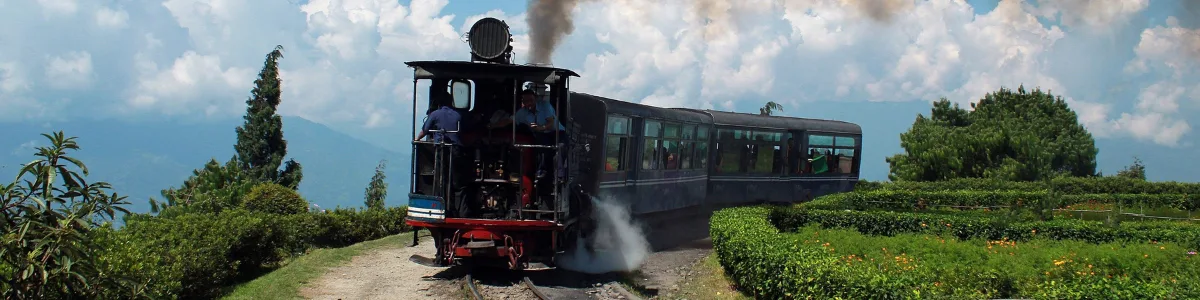
    One of the most sacred Darjeeling sightseeing places, Batasia Loop is where the historic Darjeeling Himalayan Railway (DHR) makes a spiral ascent across landscaped grounds. The beauty of the vistas of valleys and mountains and the excitement of witnessing the toy train moving in front of one augment the experience of an irrevocable kind.
    Batasia Loop – An Engineering & Aesthetic

    1. Peace Pagoda – Where Silence Speaks.

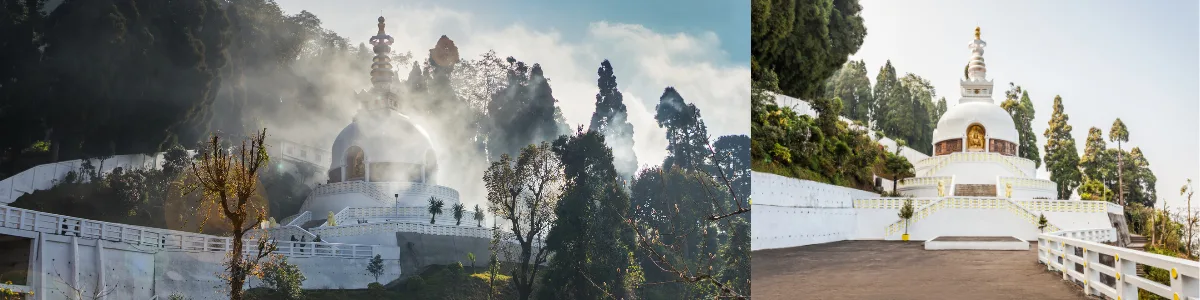
    Built by Japanese Buddhist monk Nichidatsu Fujii under his guidance, the Peace Pagoda is perhaps the most sacred place to visit in Darjeeling. It is a peaceful environment to sit and meditate, with Lord Buddha’s sculpture in various postures and a background of pine-scented hills.

    Japanese Peace Pagoda – Where Silence Speaks

    1. Mall Road – Colonial Charm in Motion.

    No Darjeeling holiday package is complete without a relaxed stroll along Mall Road. This quaint promenade is dotted with old-world cafés, bookstores, and boutique shops. Experience Tripjyada’s expert-led heritage walk and uncover gems that reveal the town’s colonial history while taking in the panoramic views and warm stops along the way.
    The crux of Darjeeling lies in its tea. At Happy Valley Tea Estate, we offer a unique, immersive experience wherein you walk through fragrant plantations, observe the leaf-plucking process, and take a high-grade tea-tasting session amidst the rich heritage of a land. Whether you’re a tea enthusiast or an explorer at heart, this spot stands out as a true gem in Darjeeling’s travel scene.

    Mall Road

    Seamless Travel, Elevated Comfort

    Whether you are choosing a Darjeeling package tour from Mumbai or Delhi or taking a Darjeeling to Gangtok road trip, Tripjyada ensures every detail of your trip is seamless. From premium transfers and handpicked stays to local guides and experiences handpicked by locals, we reimagine the way you travel Darjeeling and Gangtok package tours.

    And for those overstaying their welcome with our Sikkim Darjeeling Gangtok tour package, we promise a peaceful blend of nature, serenity, and cultural richness — served with characteristic Tripjyada flair. 


    Gangtok – The Urban Soul of Sikkim

    Situated amid the Eastern Himalayas, Gangtok is a serene blend of urbanity and traditional spirituality. The Sikkim capital, this hill station blends tradition and urbanity perfectly, and as such, is a big draw in any Sikkim-Darjeeling-Gangtok tour package.

    Just a drive from Darjeeling, Gangtok offers a welcome contrast — while Darjeeling murmurs tales of colonial days, Gangtok pulsates with vibrant energy, Buddhist serenity, and high-altitude beauty. With Tripjyada, your journey to Gangtok becomes not just a destination, but a choreographed narrative of exploration, culture, and comfort.

    Gangtok

    What Makes Gangtok a Must-Include in Your 2025 Travel Plans?


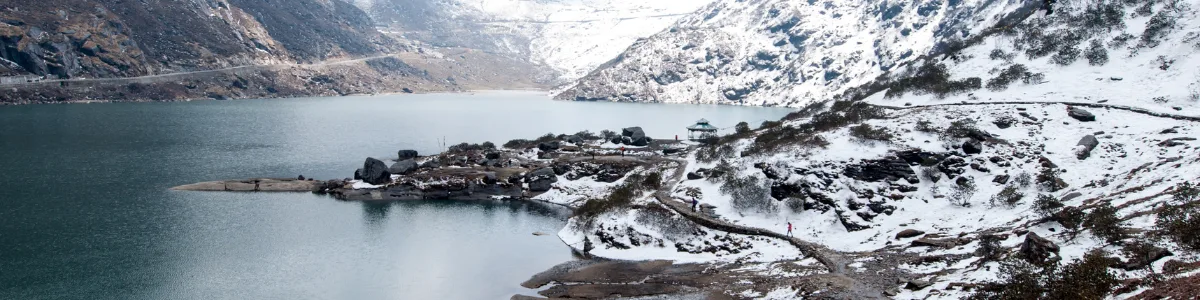
    1. Tsomgo Lake – A Frozen Marvel Nestled at 12,000 Feet.

    Also known as Changu Lake, the high-altitude glacial lake is one of the most beautiful places to visit in Gangtok. Located among snow-clad mountains and wrapped in mist, the colour of the lake is constantly changing. With Tripjyada’s guided tour, enjoy hassle-free, safe travel and informative commentary while learning about the legends, ecology, and stunning beauty of the lake.

    Tsomgo Lake

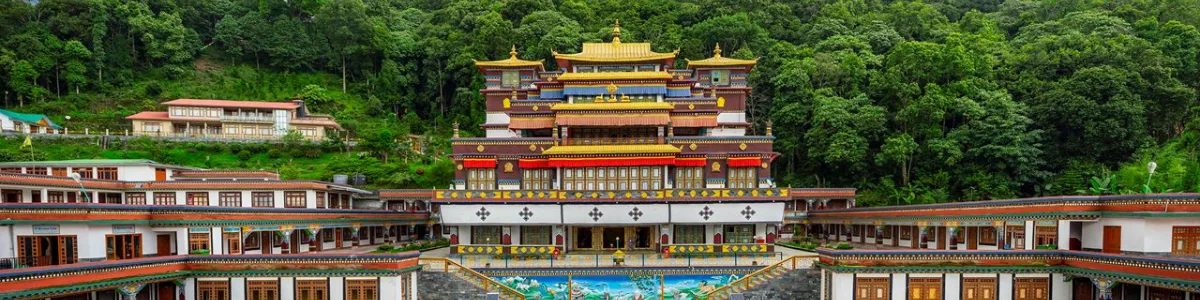
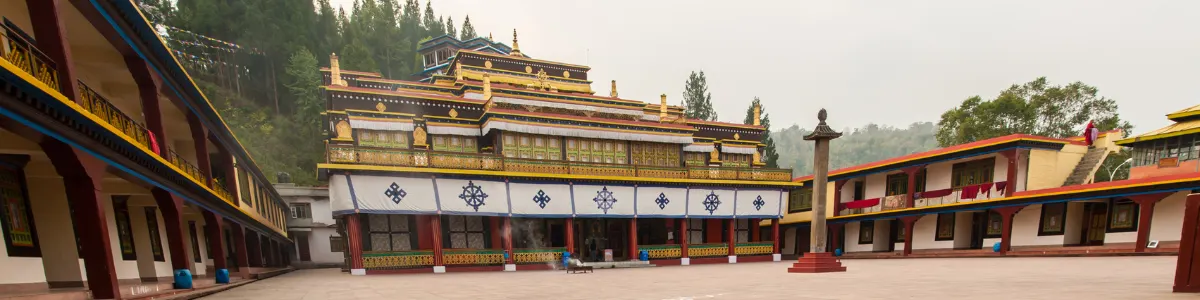
    1. Rumtek Monastery – A Pilgrimage into Peace

    Rumtek Monastery is an important part of Sikkim’s spiritual history. It beautifully reflects Tibetan-style architecture and the core values of Buddhism. With Tripjyada’s private spiritual tours, you’ll experience not just the visuals but the essence of peace and prayer that permeates this sacred space.

     Rumtek Monastery

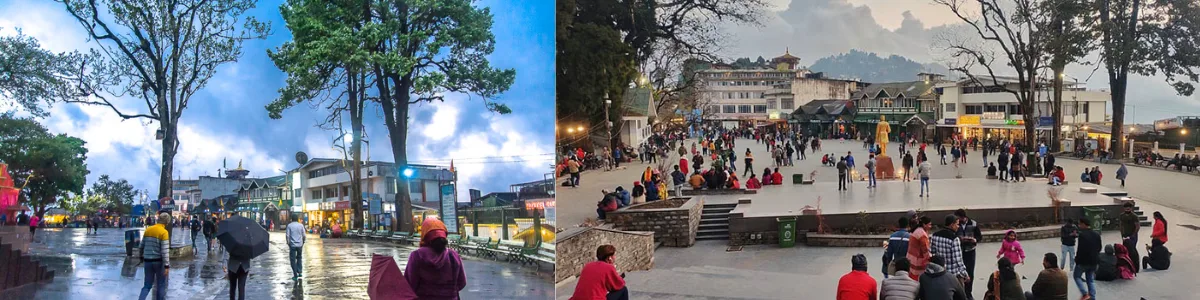
    1. MG Road – Gangtok’s Stylish Heartbeat

    When it comes to hillside cool in city environments, MG Marg Road in Gangtok takes the prize. This tidy, pedestrianised walkway boasts chic cafés, craft stores, high-end restaurants, and cosy bars. With Tripjyada’s local insider guide, you will find the best places to shop, eat, and unwind from hidden bakeries to art collectives that reflect modern Himalayan creativity.

    MG Marg - Gangtok

    1. Tashi View Point – A Window to Majestic Himalayan Vistas

    Early risers are gifted with golden sunrays cascading down over the Kanchenjunga range from this mythical viewpoint. With Tripjyada’s sunrise drive exclusive, beat the crowds and reach Tashi View Point in time for a magical start to your day, cup of warm tea in hand, mountains in sight, and peace all around.

    Tashi View Point

    Experience Gangtok Like Never Before

    From serene lakes and monasteries to style-drenched MG Marg street life, Gangtok is a spiritual retreat as well as a fashion hub. With Darjeeling and Gangtok holiday packages by Tripjyada, each and everything, be it luxury inter-city transfers, picked-from-thru local activities, as well as boutique hotels, is serviced with devotion as well as in a style-filled manner.

    Whether the booking of a Gangtok tour package from Delhi or as an extension tour of your Sikkim Darjeeling honeymoon tour, Tripjyada promises a smooth fusion of nature, culture, and luxury.


    Meghalaya – The Abode of Clouds

    Meghalaya, which translates to “Abode of Clouds,” is nature’s painting in action. Hidden deep within Northeast India, the state enchants tourists with cloudy peaks, green pastures, and ancient customs thriving amidst its green expanse. Meghalaya is a murmur of a tale around each corner of rain, of roots, of rhythms, and of resilience. With Tripjyada’s Meghalaya holiday package, you do not just visit Meghalaya, you experience its rhythm.

    Meghalaya

    Tripjyada’s Premium Picks in Meghalaya


    1. Cherrapunji & Mawsynram – Rain’s Eternal Home

    These twin wonders are not just the wettest places on Earth, but are drenched in surreal beauty. Imagine exploring the Mawsmai and Arwah limestone caves, lush green valleys, cascading waterfalls such as Nohkalikai and Dainthlen, and hills gently cloaked in misty clouds”. With Tripjyada’s custom-guided tours, you’ll uncover the secrets behind these dramatic landscapes while staying in cosy, hillside resorts.

    Cherrapunji & Mawsynram

    1. Nongriat’s Living Root Bridges – Nature’s Architecture

    Hidden deep in the rainforests, the double-decker root bridges of Nongriat are living testaments to sustainable ingenuity. Formed over decades by interweaving aerial roots of rubber trees, these bridges offer an experience unlike any other. With Tripjyada’s expert local guides, you’ll hike the lush trails, interact with Khasi villagers, and witness how nature and tradition create harmony.

    Nongriat Living Root Bridges

    1. Umiam Lake – Serene and Scenic

    At the entrance of Shillong, Umiam Lake welcomes tourists with its vast beauty and serene ambience. Enjoy a sunset cruise, kayak across crystal waters, or simply relax at Tripjyada’s selected lakeside resorts, which offer candlelit dinners and stunning views of the lake, perfect for honeymooners and peace enthusiasts alike.

    Umiam Lake

    Shillong – The Heartbeat of Music in the Northeast

    Known as the ‘Scotland of the East’, Shillong gracefully blends colonial-era charm with the vibrant soul of Northeast India. Jazz cafés, art festivals, live music, and boutiques tucked away in cobblestone alleys offer a relief from the urban scene. With Tripjyada, experience quirky local gems from vinyl cafés, hidden viewpoints, and cultural evenings with home food and music.

    Shillong

    Arunachal Pradesh – India’s Hidden Jewel

    Arunachal Pradesh, India’s easternmost state, remains one of the country’s best-kept secrets. Its virgin beauty, monastery calm, and tribal variety make it a unique destination for travellers looking for depth, discovery, and peace. Discover Arunachal Pradesh your way with Tripjyada’s custom-made tours, authentic, elegant, and truly unforgettable. 

    Arunachal Pradesh

    Top Experiences with Tripjyada


    1. Tawang Monastery – A Spiritual Icon

    Standing as one of the grandest Buddhist monasteries beyond Tibet, Tawang Monastery symbolises both spiritual serenity and timeless strength. Situated at 10,000 ft and ringed by snow-covered mountains, it gives an overwhelming sense of peace. With Tripjyada’s heritage tour, indulge in guided sessions on Buddhist culture, join prayer chants, and even have spiritual interactions with monks.

    Tawang Monastery

    1. Ziro Valley – Where Culture Meets Landscape

    This high-altitude mountain valley is home to the Apatani tribe, which stays in harmony with nature and possesses some special traditions. Ziro is also home to the prettiest music festival in India. Tripjyada has stays in its best-class cultural homestays where you live life tribal life, from tribal agriculture practices to local cuisine and folk under the night sky.

    Ziro Valley

    1. Sela Pass – A Slice of Heaven With Snow

    Located on the route to Tawang, the Sela Pass is a breathtaking mountain pass blanketed with snow year-round. The winding roads, pristine alpine lakes, and surprise snowfall make it a photographer’s and snow lover’s heaven. Travel in comfort through cosy vehicles with Tripjyada, stopping at meticulously selected scenic spots along the way.

    Sela Pass


    1. Namdapha National Park – Where Wilderness Whispers

    Enter the unexplored territory of India’s easternmost rainforest, where snow leopards, red pandas, and a stunning array of plant and animal life thrive. Tripjyada’s Namdapha eco-tours include guided jungle walks with expert naturalists, campfire evenings by the river, and ethical animal encounters in one of India’s last untrammelled wildscapes.

    Namdapha National Park & Tiger Reserve

    Experience the Harmony of Northeast India in 2025

    The drive from Darjeeling to Gangtok is a few hours of scenic scenery, but the transformation you experience along the way is magic. From the vintage charm of Darjeeling’s colonial-era cafés to Gangtok’s urbane rhythm and beauty — every second is a page from a perfectly written travelogue.

    Each of the destinations in the Northeast — whether rustling pine groves of Darjeeling, Buddhist mantras chanting from monasteries in Gangtok, or Meghalaya’s bridge under clouds — possesses its own beat. And yet, collectively, they create a pleasant melody.

    With Tripjyada, you are not just travelling — you are living a story. A story that unwinds across hills and valleys, cuisine and culture, people and land. Whatever you choose for a Darjeeling tour package, a Gangtok holiday, or a Sikkim Darjeeling Gangtok tour package, you will feel Northeast India at its most real and heart-stirring. 


    Why Choose Tripjyada – Travel That Transforms

    Tripjyada isn’t just a travel company, it’s a creator of unique journeys that turn regular trips into unforgettable experiences.” And here is why travellers across India trust Tripjyada with their Northeast journey:

    1. Luxury Stays:

    No generic hotels or over-crowded lodges. Tripjyada carefully selects boutique resorts, eco-retreats nestled in nature, and heritage homes with a story to tell. Whether you’re sipping tea with a view of Kanchenjunga or stargazing from a forest cabin, your stay will be just as memorable as the destination.

    1. Custom Journeys:

    No travellers are ever the same, nor are our itineraries. Whether you are a photographer, a honeymoon couple, a family with kids, or a solo traveller, Tripjyada crafts customised journeys that fit your pace, interest, and personality.

    1. Elite Experiences

    Why superficial sightseeing when you might instead meditate with monks in Tawang, hear tribal music with Ziro’s tribe, hike to secret waterfalls in Cherrapunji, or have a customised tea tasting at Happy Valley? Tripjyada incorporates those off-the-beaten-path experiences that turn holidays into lifelong memories.

    1. Impeccable Logistics

    From pick-up at the airport to intra-city transfer, from arranging permits in remote locations to hiring local guides capable of handling culture and language, Tripjyada arranges it all. You merely show up, and everything goes off without a hitch, safely and with minimal hassle.

    1. Transparent Value:

    Quality does not have to mean high cost. At Tripjyada, we invest each rupee wisely, and you get the best of everything, be it accommodation, cars, guides, or activities. You get pure quality, honest pricing, and first-class service.


    The Time is Now

    2025 is not just a year — it is your best chance to travel deeper, better, and with purpose. With improved connectivity, more inclination to explore Northeast India, and the service excellence of Tripjyada, there has never has there been a better time.

    Make 2025 the year that you explore from the heart and in grace.

    Make it the year that you discover the Northeast, the Tripjyada experience.

  • Bhutanese Food: A Delicious Window into Himalayan Culture

    Bhutanese Food: A Delicious Window into Himalayan Culture

    “You don’t just taste Bhutanese food, you feel it.”

    The moment you land in Bhutan, the air will feel different. It would be crisp, clean, and slightly tinged with wood smoke. But what truly welcomes is not just the prayer flags fluttering in the breeze or the sight of monks in maroon robes, it is the smell of simmering chillies drifting from every kitchen window.

    Bhutanese cuisine, much like the country itself, is simple, pure, bold, and deeply connected to the land. The food doesn’t aim to impress; it aims to nourish, warm, and tell stories of generations.

    So, if you’re planning a trip to Bhutan or just want to explore it through your taste buds, here’s a heartwarming guide to traditional Bhutanese dishes you absolutely must try.

    1. Ema Datshi – The Icon of Bhutanese Cuisine

    If Bhutan had a national dish wearing a crown, it would be Ema Datshi.

    Made with fresh green chillies, locally made yak or cow cheese, garlic, onions, and a bit of oil, this dish is fiery, creamy, and unforgettable. Served hot over red rice (a Bhutanese staple), it’s not just a meal, it’s a cultural rite of passage.

    Locals eat it daily, and most restaurants offer several versions – some thicker, some soupier. Once, during my stay in a farmhouse in Paro, the host proudly served her grandmother’s version, made with a secret twist, adding just a touch of ginger to balance the fire.

    2. Kewa Datshi – The Bhutanese Potato Love

    This is comfort food at its best.

    Kewa Datshi is made from sliced potatoes, sautéed with onions and melted cheese, and sometimes mild green chillies. It’s perfect for those who want to experience Bhutanese flavours without too much heat. It can be had for breakfast once in Thimphu, and with a cup of Suja (butter tea), it’s just the kind of grounding meal you need before a day of temple hopping.

    3. Shamu Datshi – A Mushroom Lover’s Dream 

    Shamu means mushroom, and this dish combines wild forest mushrooms with Bhutanese cheese in a rich, umami-packed stew. When made fresh, it’s earthy, aromatic, and divine.

    Many villagers forage for mushrooms in Bhutan’s pristine forests during the rainy season, and you would be lucky if you tried a version with rare black mushrooms in Bumthang. It had an almost truffle-like aroma.

    4. Phaksha Paa – Spicy Pork Stew with Soul

    Phaksha Paa is a local favourite, especially in colder regions. It’s made from pork belly or lean cuts, stir-fried with radish, spinach, and dried red chillies. The smokiness from the meat combined with the heat of the chillies creates a robust, filling dish that’s perfect after a long hike.

    In the village of Haa, hosts say that this dish is often made during special family gatherings, especially in winter. It’s a reminder that food, like fire, brings people together.

    5. Sikam Paa – Bhutan’s Himalayan Bacon

    If bacon had a bold, Himalayan cousin, it would be Sikam Paa.

    Made by drying strips of pork belly in the sun, these are later stir-fried with dried chillies. It’s chewy, salty, and intense in flavour. You only need a little, but that little goes a long way. There is are tiny eatery in Punakha, where the owner proudly showed me the pork slabs hanging above her wood stove—slow-drying the traditional way.

    6. Hoentay – Dumplings with a Heritage 

    Hoentay are dumplings made with buckwheat flour (instead of regular wheat) and stuffed with a delicious filling of spinach, cheese, and turnip greens. They’re a speciality of Haa Valley and are often made during the Lomba Festival.

    They taste nutty, chewy, and slightly sweet. I helped make some during a family celebration, and the laughter and flour-covered hands made them even more special.

    7. Jasha Maru – Chicken with a Bhutanese Punch jasha maru

    This is one of the few Bhutanese dishes that’s both spicy and light. Made with diced chicken, tomatoes, garlic, onion, and a splash of soy or ginger, Jasha Maru is like a fiery chicken stew that doesn’t feel heavy. It’s often served to guests and considered a bit fancier than your daily Datshi dishes.

    8. Suja – The Butter Tea You Didn’t Expect  suja Bhutanese Food

    Suja is not your average tea. Made with yak butter, salt, and tea leaves, it’s salty, creamy, and strange for first-timers but addictive if you keep sipping. It’s traditionally served during ceremonies, cold weather, or simply as a warm welcome. If you have a cup of this in the monastery, it will at first feel odd, but it soon becomes a daily ritual.


    9. Goen Hogay – Cool, Spicy Cucumber Salad Goen Hogay

    In a land of hot stews, Goen Hogay offers a refreshing break. It’s a simple salad made with cucumbers, coriander, green chillies, onions, and a splash of cheese or butter dressing. It’s crunchy, cooling, and the perfect side to balance out spicy mains.


    10. Zow Shungo – The Dish of Simplicity Zow Shungo Bhutanese Food

    This humble dish is made using leftover red rice, mixed with vegetables and leafy greens. It’s a zero-waste, hearty dish that often finds its way into lunchboxes and family dinners. If you visit any farmhouse, you can see that Zow Shungo is paired with radish leaves and leftover Ema Datshi—a delicious way of honouring food without wasting a crumb.

    Eating in Bhutan: More Than Just Food

    Every dish in Bhutan is a glimpse into someone’s kitchen, someone’s memory. It’s the taste of villages tucked into the hills, of monks sharing meals in monasteries, and of locals gathering over firewood stoves. Bhutanese food might not be globally famous, but it’s honest, soulful, and real, just like the country itself.

    Where to Try Authentic Bhutanese Food?

    Planning to Visit Bhutan?

    Pair your culinary adventure with a full-fledged journey through the country! From monasteries to markets, and from food stalls to farm kitchens, every flavour tells a story.

    Read More…

    Explore our Bhutan Tour Packages!

    Bhutanese food is not just about what’s on the plate; it’s about where you are, who you’re with, and what the moment feels like.

    So when you find yourself in a tiny kitchen in Thimphu or sipping Suja in the mountains of Bumthang, just know that you’re not just eating, you’re becoming a part of Bhutan’s story.

    Escape to the Hills with Our Exclusive Sikkim & Darjeeling Tour Packages!
    From misty tea gardens to snow-kissed peaks, discover the beauty of the Eastern Himalayas with comfort and care.

    Travel stress-free with our in-house cab service, Northeast Cab, offering expert local drivers and well-maintained vehicles for a smooth, scenic ride.

    • Customizable itineraries
    • Affordable packages
    • Trusted local experience

    Book your Sikkim–Darjeeling getaway today and let us handle the rest!

  • Tourist Buddies: Meghalaya’s New Travel Companions Redefining Responsible Tourism

    Tourist Buddies: Meghalaya’s New Travel Companions Redefining Responsible Tourism

    Welcoming a New Era in Tourism: Tourist Buddies

    In a vibrant step toward people-centric and sustainable travel, the Meghalaya Tourism Department officially launched the ‘Tourist Buddies’ initiative on April 14, 2025. Designed to bridge the gap between curious travelers and the heart of Meghalaya’s culture, this unique program empowers local youth to become on-ground guides and guardians for visitors at key destinations across the state.

    More than just a tourism initiative, Tourist Buddies is a vision one that aims to create safer, more enriching travel experiences while simultaneously offering meaningful employment to the people of Meghalaya.

    What is the Tourist Buddies Program All About?

    At its core, the Tourist Buddies initiative is about connection between visitors and locals, adventure and awareness, culture and conservation.

    These “buddies” are trained local youth who assist tourists by:

    • Offering guidance and authentic information about the place.
    • Ensuring traveler safety, especially in more remote or adventure-focused spots.
    • Promoting eco-conscious behavior and sustainable travel habits.
    • Creating a friendly bridge between local communities and travelers.

    Where Can You Find a Tourist Buddy?

    Tourist Buddies will be stationed at some of Meghalaya’s most iconic and frequently visited locations, including:

    • Shillong – The capital, bustling with culture and charm.
    • Sohra (Cherrapunji) – Known for its majestic waterfalls and mystical root bridges.
    • Dawki – Where the Umngot River flows like glass.
    • Mawlynnong – Asia’s cleanest village, where tradition meets tranquility.
    • Laitlum Canyons, Mawsmai & Arwah Caves, Nohkalikai Falls, Mawkdok Dympep Valley, Shnongpdeng, Krangsuri Waterfalls, and many more.

    Whether you’re chasing misty sunrises or exploring sacred groves, there’s a Buddy nearby, ready to help.

    What Makes These Buddies Special?

    These aren’t just volunteers with a badge—they’re trained professionals. Each Buddy has undergone a detailed training module focusing on:

    • Soft skills and communication to assist diverse travelers.
    • First aid and safety protocols to act quickly in emergencies.
    • Cultural and environmental awareness to guide tourists respectfully and sustainably.
    • Tourism etiquette, storytelling, and even multi-language basics for better connectivity.

    The training was conducted in collaboration with institutes like NIT Meghalaya, ensuring quality and professionalism in the field.

    Roles Beyond Guiding

    Tourist Buddies are not just tour guides—they’re multi-role caretakers of Meghalaya’s tourism scene. Their responsibilities also include:

    • Gathering feedback from tourists to improve experiences.
    • Monitoring the condition of infrastructure and visitor facilities.
    • Assisting in site maintenance and cleanliness drives.
    • Acting as first responders in times of minor accidents or distress.
    • Helping enforce safety and security measures at crowded or high-risk locations.

    They are the face of a new generation of tourism—informed, involved, and impactful.

    Why This Initiative Matters

    Empowering Meghalaya’s Youth:

    By offering formal training and dignified job opportunities, the program uplifts local youth and encourages them to become proud custodians of their homeland.

    Enhancing the Visitor Experience:

    Tourists can now travel more confidently, knowing someone reliable is there to help, guide, and protect.

    Encouraging Responsible Tourism:

    Through these Buddies, Meghalaya is spreading awareness about traveling mindfully and preserving the state’s fragile ecosystems and rich cultural heritage.

    Building Community Ownership:

    When locals are involved, protected spaces and cultural narratives are respected and shared more authentically.

    A Fresh Chapter in Meghalaya Tourism

    As the Tourist Buddies hit the ground, they carry with them the pride of their roots, a commitment to service, and the hope of a more connected future for Meghalaya’s travel landscape. For visitors, it’s an invitation—not just to explore the beauty of the land but to understand it, cherish it, and leave it better than they found it.

    So, the next time you’re wandering through Meghalaya’s winding valleys or cascading waterfalls—look out for a smile and a badge. Your Tourist Buddy will be there, ready to turn your journey into a story worth remembering.

    Planning a trip to Meghalaya?

    Don’t forget to say hi to your local Buddy—and travel with heart, respect, and curiosity.

  • Magical Valleys in Bhutan That Will Steal Your Heart

    Magical Valleys in Bhutan That Will Steal Your Heart

    Introduction: Valleys in Bhutan

    Bhutan, the Last Shangri-La, is not just a country—it’s a feeling. Known for its Gross National Happiness index, this Himalayan kingdom is home to some of the most beautiful and spiritual valleys on Earth. Valleys in Bhutan are filled with ancient monasteries, vibrant festivals, glacial rivers, and charming villages. Here’s a list of must-visit Valleys in Bhutan that offer a deeper connection to Bhutan’s natural beauty and cultural essence.

    1. Paro Valley – Cultural Capital

    Paro Valley, the gateway to Bhutan, is home to the iconic Tiger’s Nest Monastery (Taktsang). The valley is dotted with historic dzongs, temples, and traditional Bhutanese homes. It also has Bhutan’s only International Airport. The lush rice paddies and pine-covered hills make it a scenic delight for every traveller.

    Paro Valley Valleys in Bhutan

    2. Thimphu Valley – Urban Meets Tradition

    Thimphu, the capital of Bhutan, balances tradition and modernity. The valley is surrounded by green hills and offers attractions such as the Buddha Dordenma statue, the National Folk Heritage Museum, and Tashichho Dzong. Despite being the capital, it retains its cultural depth and spiritual ambience.

    Thimphu Valley

    3. Punakha Valley – Of Palaces and Rivers

    Located at a lower altitude, Punakha Valley enjoys a warm climate. It is famous for Punakha Dzong, arguably the most beautiful monastery in Bhutan, situated at the confluence of two rivers. The valley is rich with terraced rice fields, blooming jacarandas, and offers white-water rafting for adventure seekers.

    Punakha Valley Valleys in Bhutan

    4. Phobjikha Valley (Gangtey Valley) – Bird Watcher’s Paradise

    A U-shaped glacial valley in central Bhutan, Phobjikha is home to the endangered black-necked cranes that migrate here every winter. The Gangtey Monastery overlooks the valley, and scenic trails offer a chance to explore its flatlands and forests. It’s a haven for ecotourists and peace lovers.

    Phobjikha Valley (Gangtey Valley) Valleys in Bhutan

    5. Haa Valley – Offbeat and Serene

    Haa is one of Bhutan’s least visited and most serene valleys. Nestled between mountain ranges, the valley bursts with alpine forests, flowing rivers, and charming traditional homes. It is ideal for offbeat travellers, hikers, and bikers. The annual Haa Summer Festival showcases local cuisine, dances, and traditional sports.

    Haa Valley Valleys in Bhutan

    6. Bumthang Valley – Spiritual Soul of Bhutan

    Bumthang is a cluster of four valleys: Chokhor, Tang, Ura, and Chhume. This region is the spiritual heartland of Bhutan, with many ancient monasteries and sacred sites. The area is rich in folklore and hosts several religious festivals (techs) throughout the year.

    Bumthang Valley Valleys in Bhutan

    7. Ura Valley – Rustic and Real

    Ura is the highest and most remote of the Bumthang valleys. The valley is home to traditional stone houses and sheep farms. The Ura Yakchoe festival comes alive every year with vibrant mask dances and lively local rituals. It’s ideal for cultural tourism and photography.

    Ura Valley Valleys in Bhutan

    8. Tang Valley – Hidden Gem

    Tang Valley is known for its pastoral beauty and historical significance. It is home to the Ogyen Choling Heritage Museum, which tells the story of Bhutanese nobility. The valley is perfect for offbeat exploration and offers peaceful village life.

    Tang Valley

    9. Chumey Valley – Artisanal Beauty

    Chumey Valley is famous for Yathra weaving—a traditional woollen textile unique to the region. Visitors can explore weaving centres and purchase handmade items. The valley also features lush forests and mountain streams.

    Chumey Valley Valleys in Bhutan

    10. Trashiyangtse Valley – Eastern Elegance

    Located in eastern Bhutan, Trashiyangtse is known for its diverse ethnic communities, traditional woodcraft, and spiritual significance. Attractions include Chorten Kora and traditional paper-making workshops. The valley is culturally vibrant and naturally beautiful.

    Trashiyangtse Valley

    Places to Visit in Bhutan

    Places to Visit in Bhutan: Explore Thimphu, Paro, Punakha, Phobjikha Valley, Bumthang, Haa Valley, Dochula Pass, Gangtey, and Trongsa. From ancient monasteries to stunning mountain views, these are the best places to visit in Bhutan for a peaceful and scenic getaway.

    Conclusion:

    Valleys in Bhutan offer a rare combination of natural beauty, cultural depth, and spiritual serenity. Each valley is a treasure trove of stories, traditions, and unforgettable experiences. Whether you’re exploring the iconic Paro or the lesser-known Ura, your journey through Bhutan’s valleys will leave you enriched and inspired, a true highlight of Bhutan tourism.